Common Sources of Spinal Pain & Injury


Common sources of spinal pain include muscles, joints, discs, nerves, bones, and inflammatory conditions affecting the neck, thoracic spine, lower back, or sacroiliac region. Physiotherapists commonly assess spinal pain by identifying whether symptoms arise from muscles, joints, discs, nerves, or underlying conditions. Although many flare-ups improve with time, the pattern of pain, stiffness, referral, and aggravating movements often points towards the most likely cause. If you want a broader overview first, start with our spinal pain conditions guide.
For many people, symptoms sit within one of four common regions: neck pain, thoracic pain, lower back pain, or sacroiliac joint pain (SIJ). However, spinal pain can also reflect nerve irritation, poor load tolerance, postural strain, degenerative change, or less common medical conditions.
Quick guide: common spinal pain patterns
- Local neck or back pain often points to muscle, joint, or disc irritation.
- Pain into the buttock or leg may suggest sciatica, disc irritation, or spinal stenosis.
- Pain into the shoulder or arm can come from the neck, such as neck arm pain.
- Morning stiffness or age-related flare-ups may fit spondylosis or degenerative disc disease.
- Pain after trauma, fever, weight loss, or neurological change needs prompt medical review.
What are the common sources of spinal pain?
The most common sources of spinal pain are muscle overload, joint irritation, disc problems, nerve irritation, and age-related degenerative change. The likely source usually becomes clearer when you match the location of pain with referral patterns, stiffness, aggravating movements, and the way symptoms started.
Common sources of spinal pain by region
Your spine works as one linked system, yet the most likely causes often differ by region. Matching your symptoms to the right area can make the next step clearer and can help you find the most relevant condition page.
Neck and upper cervical region
Thoracic spine and upper back
Lower back and lumbar spine
Structural, inflammatory, and bone-related contributors
Which tissues commonly cause spinal pain?
Spinal pain usually comes from a mix of tissues rather than one structure alone. Muscles may tighten or strain, joints can become stiff or irritated, discs can become sensitive, and nerves may become compressed or inflamed. Load, posture, sleep, stress, fitness, and previous injury can all influence how these tissues behave.
Joint-related sources
Spinal joints often become painful with twisting, arching backwards, prolonged standing, or repeated loading. Common examples include facet joint arthropathy, lumbar facet joint pain, and SIJ pain.
Muscle-related sources
Muscles may be a major contributor when pain starts after lifting, twisting, sudden activity, or repetitive postural loading. Examples include pulled back muscle, muscle pain, muscle cramps, and DOMS.
Disc-related sources
Discs can contribute to spinal pain when bending, lifting, coughing, sitting, or prolonged flexion aggravates symptoms. You may find these pages useful: bulging disc and degenerative disc disease.
Nerve-related or referred pain
Nerve irritation can create pain, tingling, numbness, heaviness, or burning that spreads beyond the spine. Depending on the region, that may include sciatica, neck arm pain, cervical radiculopathy, or thoracic outlet syndrome.
When should you worry about spinal pain?
You should worry about spinal pain if it follows significant trauma, causes progressive weakness, affects bladder or bowel control, creates saddle numbness, or comes with fever, unexplained weight loss, or feeling very unwell. These patterns are less common, but they need prompt medical review.
Red flags that need urgent medical review
- new bladder or bowel problems
- saddle numbness
- progressive arm or leg weakness
- severe pain after a fall, crash, or major trauma
- fever, unexplained weight loss, or night pain that is worsening
How is spinal pain assessed?
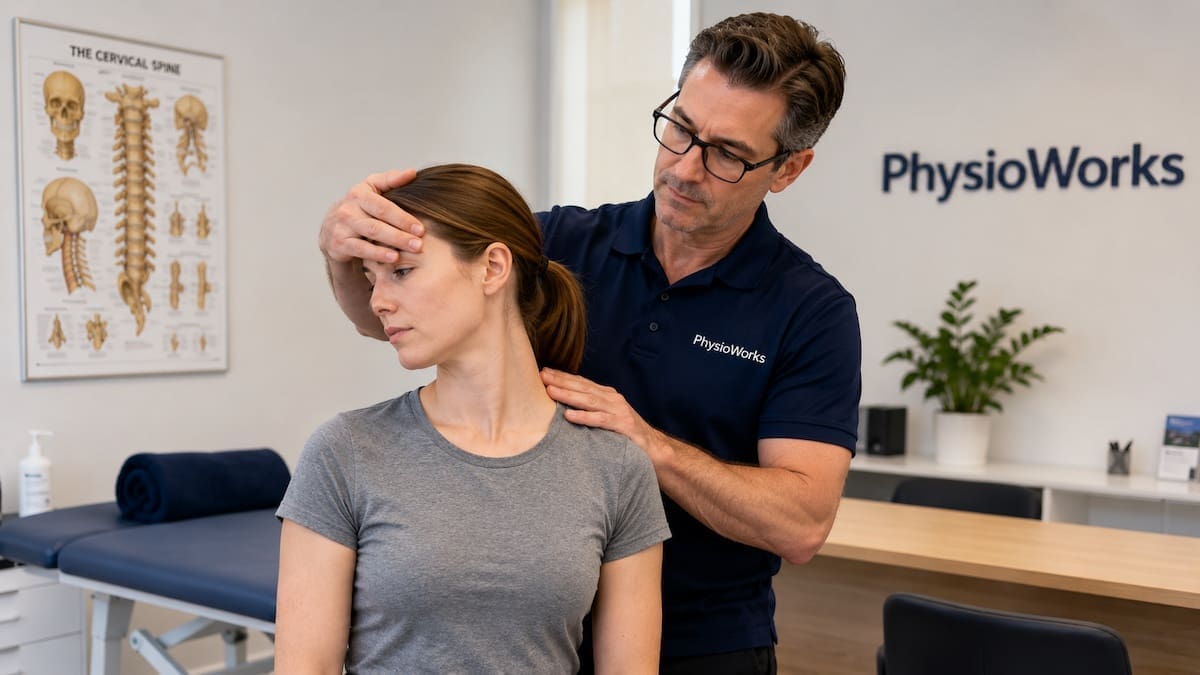
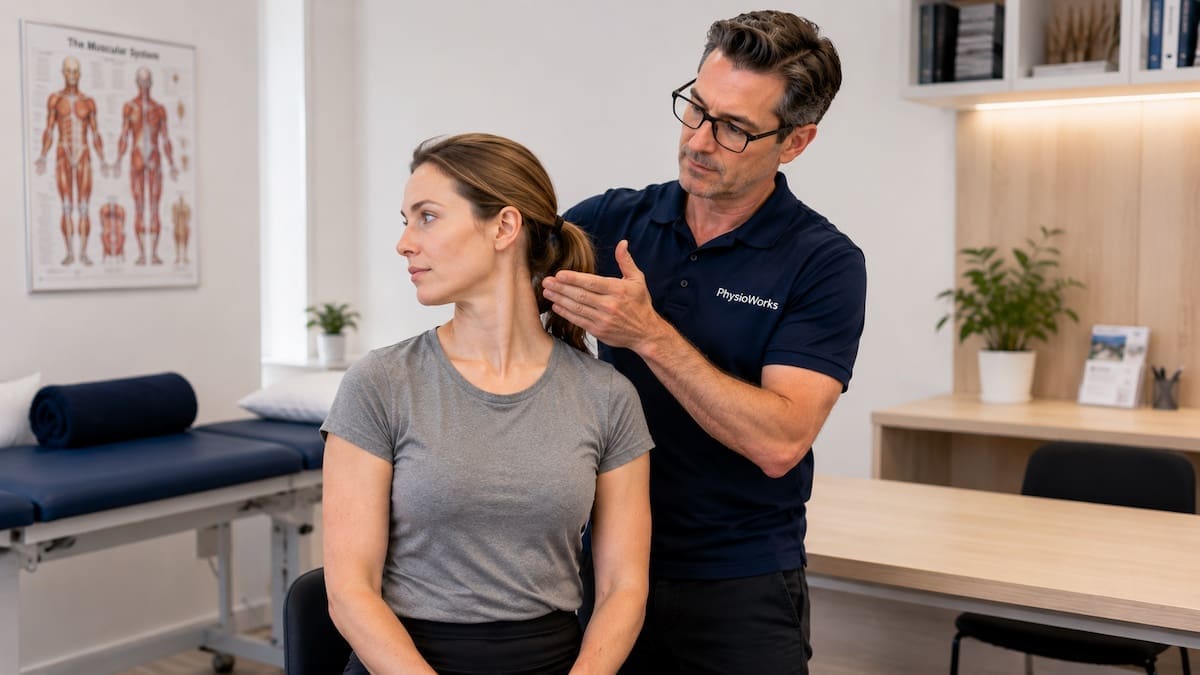
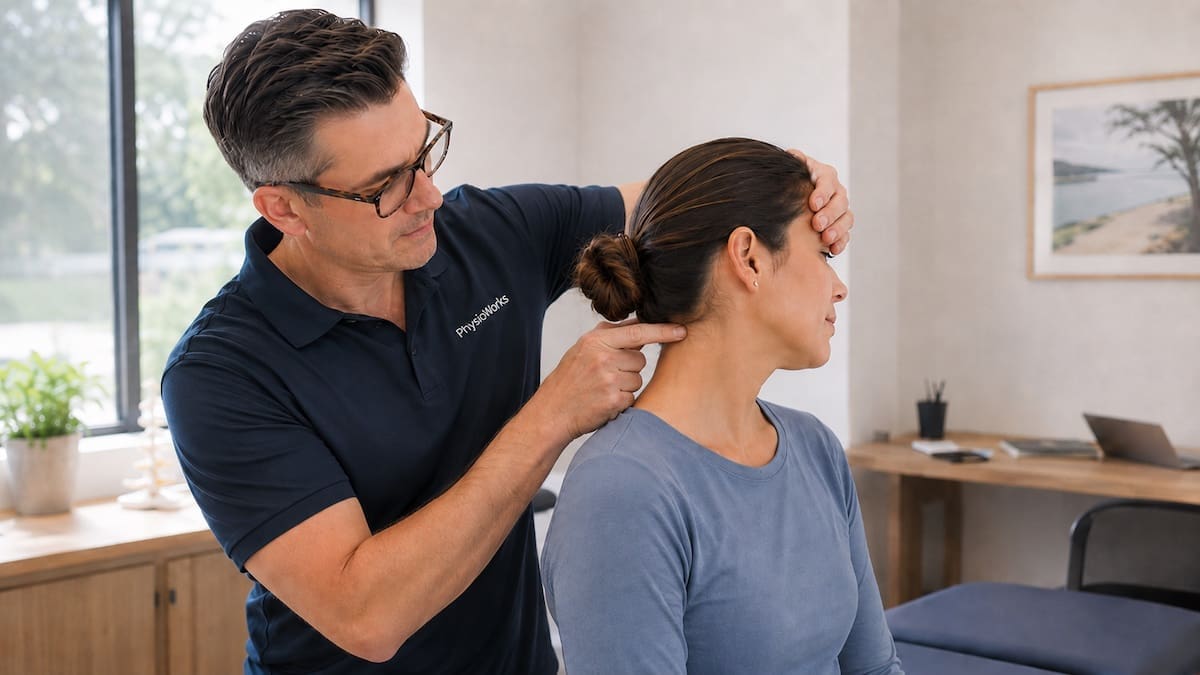
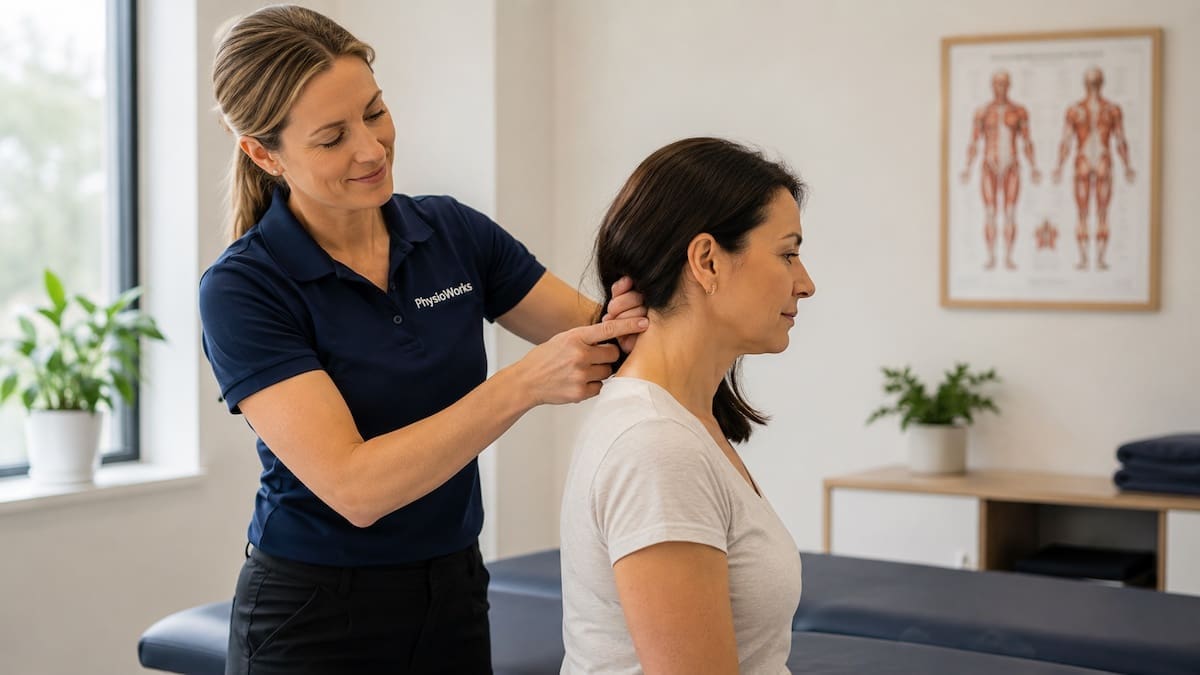
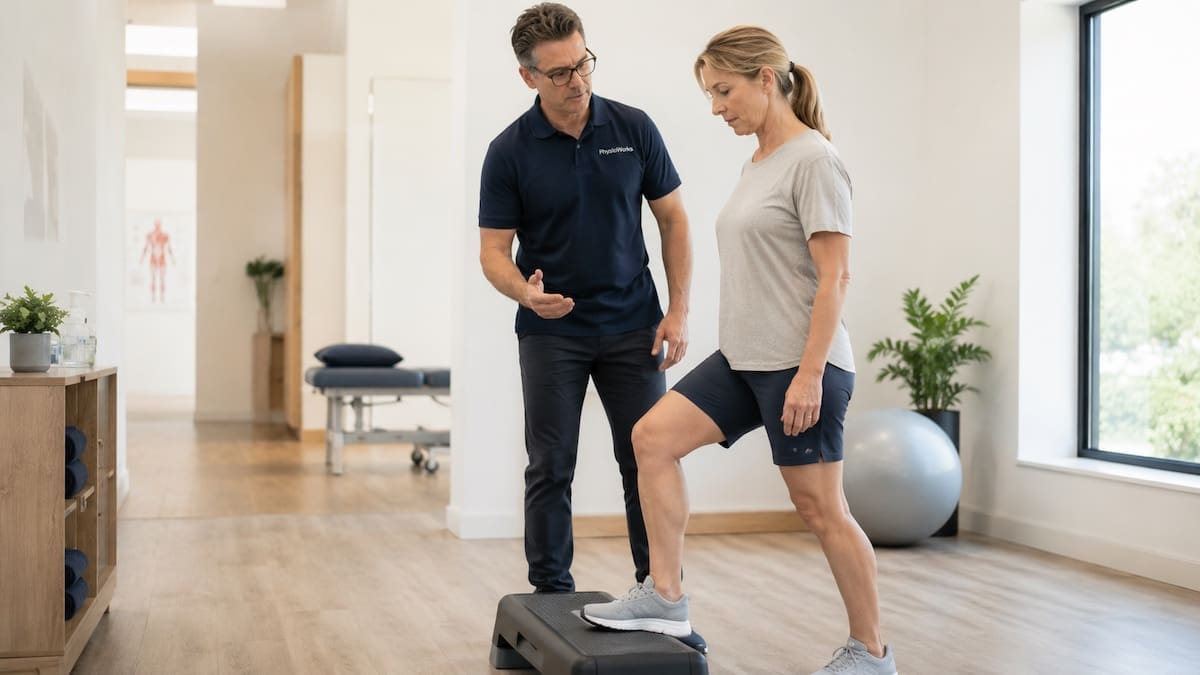
A physiotherapist will usually assess your movement, symptom behaviour, strength, nerve signs, aggravating positions, and recent load changes. They will also consider posture and daily habits, which is why links such as posture correction and posture exercises can be useful when posture contributes to recurring flare-ups.
Many people do not need immediate scans. Instead, the first step is often to identify the most likely tissue source, calm symptoms, restore movement, and build strength and load tolerance. For a broad treatment overview, see back pain physiotherapy. For general Australian consumer guidance, Healthdirect also provides useful information on back pain and neck pain.
How physiotherapy usually helps spinal pain
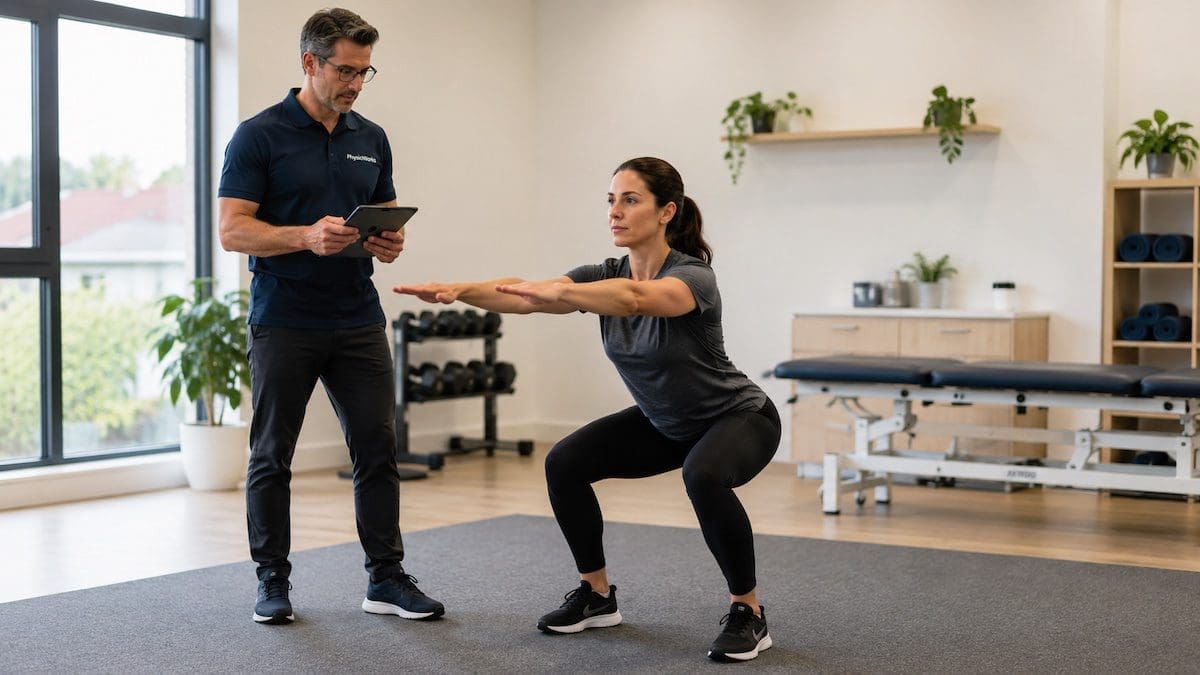
Physiotherapy for spinal pain often focuses on settling irritated tissues, restoring movement, improving strength, and gradually rebuilding load tolerance. The program may include mobility work, targeted exercises, pacing advice, and return-to-activity progressions based on whether the main driver looks more muscular, joint-related, disc-related, nerve-related, or degenerative.
What to do next
If you are unsure what is driving your symptoms, use the region-based links above to compare the most likely causes. Book a physiotherapy assessment to identify the source and start the right treatment plan if your pain is severe, keeps returning, limits work or sleep, or travels into your arm or leg.
A clear diagnosis usually leads to a better plan. Your physiotherapist can help decide whether your spinal pain is more likely to be muscular, joint-related, disc-related, nerve-related, or part of a broader inflammatory or bone-health issue.
Common Sources of Spinal Pain: FAQs
Is spinal pain always caused by a disc problem?
No. Spinal pain can come from muscles, joints, ligaments, nerves, discs, or a mix of contributors. Disc irritation is common, but it is only one part of the spinal pain picture. Your symptom pattern and assessment findings usually help narrow down the likely source.
What is the most common source of spinal pain?
The most common source depends on the region and the person. In everyday practice, muscle overload, joint irritation, disc sensitivity, and nerve-related pain are frequent contributors. Load spikes, prolonged sitting, poor recovery, and stiffness can all make spinal pain more likely.
Can posture cause spinal pain?
Posture can contribute, yet it is rarely the whole story on its own. Symptoms usually build from a mix of sustained positions, low movement variety, reduced strength or endurance, stress, and repeated loading. That is why posture advice works best when paired with movement and strengthening.
When is spinal pain serious?
Spinal pain is more concerning if it comes with trauma, fever, unexplained weight loss, night pain that keeps worsening, saddle numbness, bladder or bowel change, or progressive weakness. These patterns need medical review rather than simple self-management.
Should I rest or keep moving with spinal pain?
For most people, gentle movement is better than prolonged rest. Short walks, easy mobility, and staying active within tolerable limits often help symptoms settle. If movement sharply worsens pain or you develop neurological symptoms, organise an assessment sooner.
Can physiotherapy help spinal pain?
Yes, physiotherapy may help by identifying the most likely pain source, calming symptoms, improving movement, and building strength and load tolerance. The best plan depends on whether your pain behaves more like muscle, joint, disc, nerve, inflammatory, or bone-related pain.
Choose your clinic and appointment pathway
Select a PhysioWorks clinic to continue to live booking, an appointment request or reception assistance.
Back Support Products
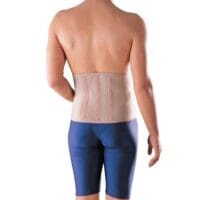
These back support products are commonly used by our physiotherapists to help reduce back pain, improve comfort, and support your recovery at home.
-

 Back, Braces & Supports, Maternity, Posture
Pregnancy Belly Band & C-Section 3-in-1
$94.99Select optionsQuick View -
 Braces & Supports, Back, Maternity, SIJ
Maternity Support Belt – OPPO 4062
$37.00Select optionsQuick View -
 Back, Braces & Supports, Maternity, SIJ
Core Stability Support – OPPO 3462
$54.00Select optionsQuick View -
- Braces & Supports, Back, Maternity, SIJ
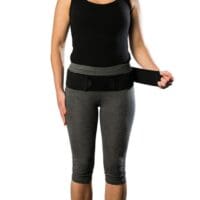
AOM38 AllCare Ortho Core Stability Belt
$49.95Select optionsQuick View -
-
-
 Back, Braces & Supports, Maternity, Posture
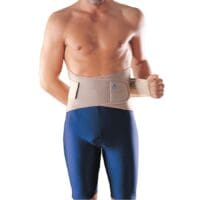
Maternity Back Support – OPPO 2062
$60.00 – $64.00Select optionsQuick View



References
- Healthdirect. Back pain. Healthdirect Australia. 2025.
- Healthdirect. Neck pain. Healthdirect Australia. Accessed March 27, 2026.
- Zhou T, Zhao Y, Xie M, et al. Recent clinical practice guidelines for the management of low back pain: a global comparison. Pain Pract. 2024.
- GBD 2021 Low Back Pain Collaborators. Global, regional, and national burden of low back pain, 1990-2021. Lancet Rheumatol. 2023.