
Frozen Shoulder (Adhesive Capsulitis)
Frozen Shoulder: Symptoms, Stages and Treatment



A frozen shoulder assessment usually compares active and passive movement, including shoulder rotation.
Frozen shoulder, also called adhesive capsulitis, causes shoulder pain and a broad loss of movement. Both the movements you perform yourself and those tested by a clinician usually become restricted. Turning the arm outwards is often particularly difficult.
Typical pattern
Pain and stiffness develop across several shoulder movements, especially rotation.
Daily impact
Sleeping, dressing, grooming and reaching behind your back may become difficult.
Recovery
Improvement is usually gradual and may continue over many months.
What Is Frozen Shoulder?
Frozen shoulder affects the capsule that surrounds the main shoulder joint. The capsule becomes irritated, thickened and tight. As a result, the joint cannot move as freely as usual.
The condition differs from many other causes of shoulder pain. With frozen shoulder, a clinician usually finds a similar restriction when you move the arm yourself and when they gently move it for you.
This pattern can help distinguish frozen shoulder from conditions such as a rotator cuff injury or shoulder bursitis. However, shoulder conditions can overlap, so an assessment remains important.
What Are the Symptoms of Frozen Shoulder?
Symptoms usually begin gradually rather than after one obvious event. Pain may come first, followed by increasing stiffness.
- Shoulder pain that becomes more noticeable over several weeks
- Pain at night or difficulty finding a comfortable sleeping position
- Reduced ability to turn the arm outwards
- Difficulty lifting the arm overhead
- Difficulty reaching behind your back
- Loss of both active and passive shoulder movement
- Pain or stiffness while dressing, grooming or reaching into a cupboard
Sudden weakness without marked stiffness is less typical of frozen shoulder. It may suggest another shoulder or nerve-related problem that needs assessment.
Which Everyday Tasks Become Difficult?
Frozen shoulder can affect simple activities that require rotation or elevation of the arm. Common examples include:
Dressing
Putting on a shirt, jacket or bra can become painful. Reaching into a sleeve may also be difficult.
Reaching
Reaching a high shelf, washing your hair or placing your hand behind your head may become restricted.
Sleeping
Lying on the sore shoulder may hurt. Pain can also continue when you lie on the other side.
Why Does Frozen Shoulder Cause Stiffness?
The shoulder capsule normally allows the ball-and-socket joint to move in several directions. With frozen shoulder, the capsule becomes inflamed and contracted. This reduces the space and flexibility needed for normal movement.
External rotation, where the forearm turns away from the body, is often one of the first and most restricted movements. Reaching overhead and behind your back may also become limited.
People may use their shoulder blade or lean their body to compensate. These changes can help complete a task, but they may also cause neck, upper-back or shoulder-blade discomfort.
What Are the Three Stages of Frozen Shoulder?
Frozen shoulder is often described using three overlapping stages: freezing, frozen and thawing. However, symptoms do not always follow a neat sequence. Pain and stiffness may overlap, and treatment decisions should reflect your current presentation rather than the stage name alone.
1. Freezing stage
Pain is often the main problem. Night pain may increase, and movement gradually becomes more restricted. Forceful stretching may aggravate symptoms.
2. Frozen stage
Pain may begin to settle, but stiffness remains. Dressing, grooming and reaching tasks can still be difficult.
3. Thawing stage
Movement and function gradually improve. Mobility, strength and confidence can be progressed as the shoulder becomes less irritable.
How Long Does Frozen Shoulder Last?
Recovery varies considerably. Some people improve within several months, while others have symptoms for one to three years. Pain may settle before full movement returns.
A long recovery does not mean that every person will have severe symptoms for the whole period. Progress often occurs gradually, with improvements in sleep, daily tasks and movement appearing at different times.
Diabetes, thyroid disease, the severity of movement loss and another shoulder condition may affect the course. A physiotherapist or doctor can review progress if recovery appears to have stalled.

Mobility exercises should match the shoulder’s pain, stiffness and current stage of recovery.
What Causes Frozen Shoulder?
Many cases develop without a clear cause. This is sometimes called primary or idiopathic frozen shoulder.
Secondary frozen shoulder develops after another event or health problem. It may occur after:
- a shoulder or arm injury;
- shoulder, chest or breast surgery;
- a period when the arm has been kept still;
- a painful rotator cuff or bursa problem;
- a fracture or joint injury; or
- another medical condition associated with frozen shoulder.
After an injury or operation, follow the movement restrictions and rehabilitation advice given by your treating team. Moving too little can contribute to stiffness, but progressing too quickly may also aggravate healing tissues.
Who Is More Likely to Develop Frozen Shoulder?
Frozen shoulder most often affects adults over 40. It appears more commonly in women and in people with diabetes.
Other recognised associations include:
- thyroid conditions;
- prolonged shoulder immobilisation;
- recent trauma or surgery;
- Parkinson’s disease;
- cardiovascular disease; and
- a previous frozen shoulder in the other arm.
Having a risk factor does not confirm the diagnosis. Likewise, frozen shoulder can occur in people without any known risk factor. People with diabetes may also benefit from discussing their broader health management with their GP and reading about diabetes and musculoskeletal health.
How Is Frozen Shoulder Diagnosed?
Frozen shoulder is mainly diagnosed from your symptoms and physical examination. Your physiotherapist or doctor will ask how the problem began, how it affects sleep and daily tasks, and whether you have relevant health conditions or recent surgery.
The examination usually compares:
- active movement, where you move the arm yourself;
- passive movement, where the clinician gently moves the arm;
- shoulder rotation, elevation and behind-the-back reach;
- strength where testing is appropriate;
- neck and nerve-related symptoms; and
- movement of the shoulder blade and upper body.
Imaging is not always needed when the clinical pattern is clear. An X-ray may help rule out shoulder arthritis, fracture or another joint problem. Ultrasound or MRI may be considered when a significant tendon injury or another diagnosis is suspected.
What Else Can Feel Like Frozen Shoulder?
Several conditions can cause pain and reduced shoulder movement. Assessment may consider:
Rotator cuff injury
Pain and weakness may be more prominent than a firm restriction of passive movement.
Shoulder bursitis
Certain movements may be painful, but passive rotation may remain less restricted.
Shoulder arthritis
Joint changes can cause pain, stiffness, grinding and reduced movement.
Biceps tendinopathy
Pain is often felt at the front of the shoulder and may increase with lifting.
Neck-related pain
Neck or nerve problems can refer pain into the shoulder and arm.
Recent trauma
A fracture, dislocation or major tendon injury may require prompt investigation.
What Treatments May Help Frozen Shoulder?
Treatment depends on pain, stiffness, daily limitations, health history and the likely stage of the condition. No single approach suits everyone.
Education and activity changes
Understanding the condition can reduce uncertainty and help you pace daily activities. Temporary changes to reaching, lifting, driving and sleeping positions may reduce flare-ups.
Complete rest is rarely the long-term goal. Instead, aim to keep the arm moving within a tolerable range while avoiding repeated movements that cause a marked and lasting increase in pain.
Pain management
A GP or pharmacist can discuss suitable pain-relief medicines. Your medical history, other medicines and possible side effects need consideration before you start or change medication.
Heat, cold packs, supported sleeping positions and activity changes may provide short-term comfort for some people.
Physiotherapy
Shoulder physiotherapy may include education, movement advice, a graded home program and manual treatment where appropriate.
Physiotherapy aims to help you:
- manage pain and sleep disruption;
- maintain useful movement without repeated flare-ups;
- gradually improve shoulder mobility;
- maintain or rebuild shoulder and arm strength;
- reduce unhelpful movement compensation; and
- return to normal work, household and recreational tasks.
The treatment dose matters. Aggressive stretching during a highly painful stage can aggravate symptoms. Later, when pain has settled, stronger mobility and loading exercises may be appropriate.
Corticosteroid injection
A doctor may discuss a corticosteroid injection into the shoulder joint. It may provide short-term pain and function benefits, particularly during a painful early presentation. Benefits and risks vary, and injections do not replace an appropriate movement and rehabilitation plan.
Hydrodilatation
Hydrodilatation involves injecting fluid into the shoulder joint to expand the capsule. A local anaesthetic or corticosteroid may also be used. It may be considered in selected cases after medical assessment.
Specialist and surgical care
Most people begin with non-surgical care. Specialist review may be appropriate when pain and restriction remain severe despite suitable treatment.
Procedures such as manipulation under anaesthetic or arthroscopic capsular release are generally reserved for persistent cases. A specialist should explain the likely benefits, risks and rehabilitation requirements.
How Does Physiotherapy Change Across the Stages?
Pain-dominant presentation
Priorities may include reassurance, sleep positioning, symptom control, gentle movement and avoiding repeated flare-ups.
Stiffness-dominant presentation
Care may progress mobility, joint movement, muscle control and strategies for difficult daily tasks.
Improving presentation
The program may add stronger stretching, resistance exercise and a graded return to work, recreation or sport.
These categories overlap. Your physiotherapist should adjust the plan according to your response rather than follow a fixed timetable.
What Can You Do at Home?
-
Keep movement comfortable
Move the shoulder regularly within a range that does not cause a marked or lasting flare-up.
-
Avoid forceful stretching
Do not repeatedly force the arm through sharp pain, especially when night pain is prominent.
-
Support the arm during sleep
A pillow under the elbow or forearm may reduce the pull on the shoulder. Some people prefer sleeping partly upright.
-
Adapt difficult tasks
Bring commonly used items within easier reach and put the affected arm into clothing first.
-
Monitor the next-day response
A mild short-term response may be acceptable. Reduce the dose if pain or sleep remains clearly worse afterwards.
When Should You Arrange an Assessment?
Arrange a physiotherapy or medical assessment when:
- shoulder pain and stiffness are getting worse over several weeks;
- sleep is regularly disturbed;
- you cannot reach overhead or behind your back as usual;
- both active and passive movement appear restricted;
- symptoms began after an injury, operation or period of immobilisation;
- you have diabetes or another associated medical condition; or
- progress has stopped or the diagnosis remains uncertain.
Frozen Shoulder FAQs
What is the first sign of frozen shoulder?
The first sign is often gradually increasing shoulder pain, particularly at night. Stiffness then becomes more noticeable, especially when turning the arm outwards or reaching behind your back.
How is frozen shoulder diagnosed?
Diagnosis usually relies on your history and a physical examination. A clinician checks whether several active and passive shoulder movements are restricted. Imaging may help rule out arthritis, fracture or another condition when the presentation is unclear.
How long can frozen shoulder last?
Frozen shoulder can last many months, and some cases continue for one to three years. The intensity usually changes over time, and pain may settle before full movement returns.
Should you stretch a frozen shoulder?
Gentle mobility may help, but forceful stretching can aggravate a painful frozen shoulder. The type and intensity of stretching should match your symptoms and recovery stage.
Can physiotherapy help frozen shoulder?
Physiotherapy can help with education, pain management, movement, strength and return to daily tasks. The program should change as pain settles and the shoulder becomes less irritable.
Are corticosteroid injections used for frozen shoulder?
A doctor may recommend a corticosteroid injection, particularly during a painful early presentation. It may offer short-term relief for some people. Suitability depends on your medical history, symptoms and treatment goals.
Can frozen shoulder affect the other shoulder?
Yes. Some people later develop frozen shoulder in the opposite arm. This appears more common in people with diabetes, thyroid conditions or a previous frozen shoulder.
What to Do Next
If your shoulder is becoming progressively painful and stiff, an assessment can help determine whether frozen shoulder or another condition is causing the problem.
Your physiotherapist can assess your movement, explain the likely stage, identify suitable exercises and advise whether medical review or imaging may be useful.
Early care cannot guarantee a shorter recovery. However, a clear diagnosis and symptom-matched plan can help you avoid unsuitable exercises and manage daily activities more confidently.
Choose your clinic and appointment pathway
Select a PhysioWorks clinic to continue to live booking, an appointment request or reception assistance.
Shoulder Products
These shoulder products are commonly used by our physiotherapists to improve strength, posture, movement, plus assist home exercise programs.
- Liniments & Gels, Massage Liniments, Pain Management
Fisiocrem
$16.95 – $39.95Select optionsQuick View -

-


-
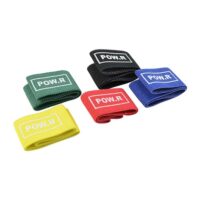 Exercise Equipment, Knee, Resistance Band
POW.R Fabric Mini Loop Bands
$12.00 – $55.00Select optionsQuick View -

-

-

-
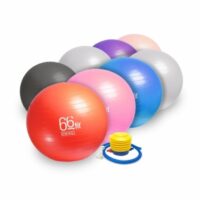
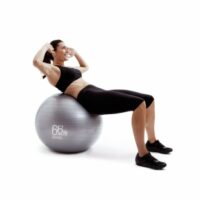 Exercise Balls, Back, Exercise Equipment, Knee, Shoulder
66fit Exercise Balls | Core & Rehab Stability Ball
$32.00 – $57.00Select optionsQuick View -

-
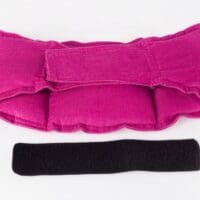
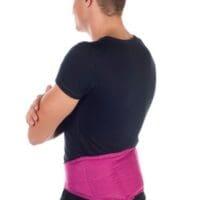 Ice & Heat, Pain Management, Uncategorized
PhysiPak Universal Heat pack
$79.00Select optionsQuick View -
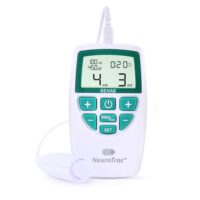
- EMS Machines, Pain Management, TENS Machine, TENS Machine & EMS
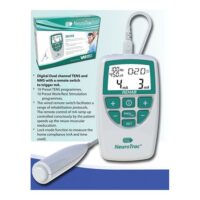
NeuroTrac Rehab (TENS Machine + EMS)
$285.00Add to cartQuick View -

-
-

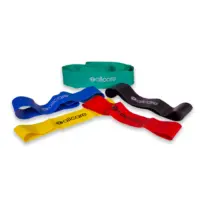
 Exercise Equipment, Resistance Band
AllCare Powerloop Bands
$24.95 – $79.95Select optionsQuick View





References
- Lee BC, Kim BS, Lee BJ, et al. Clinical practice guidelines for diagnosis and non-surgical treatment of primary frozen shoulder. Ann Rehabil Med. 2025;49(3):113–138. doi:10.5535/arm.250057.
- Kirker K, O’Connell M, Bradley L, et al. Manual therapy and exercise for adhesive capsulitis: a systematic review with meta-analysis. J Man Manip Ther. 2023;31(5):311–327. doi:10.1080/10669817.2023.2180702.
- Salamh P, Lewis J, Mattocks A, et al. Quality of clinical practice guidelines for frozen shoulder: a systematic review. Physiother Theory Pract. 2025;41(7):1495–1502. doi:10.1080/09593985.2024.2421881.
- Healthdirect Australia. Frozen shoulder. Last reviewed July 2024.
