
Tarsal Tunnel Syndrome



Tarsal tunnel syndrome occurs when the tibial nerve or one of its branches becomes irritated or compressed as it passes behind the inner ankle. It can cause burning, tingling, numbness or shooting pain into the heel, arch or sole of the foot.
The tarsal tunnel lies behind the bony prominence on the inside of the ankle, called the medial malleolus. The tibial nerve travels through this confined space with several tendons and blood vessels. Swelling, altered mechanics or another structure taking up space within the tunnel can irritate the nerve.
For a broader overview of other causes of symptoms in this region, see our foot pain guide.
What symptoms can tarsal tunnel syndrome cause?
Symptoms vary according to which part of the tibial nerve is irritated. They may be felt around the inner ankle, heel, arch, sole or toes.
Common symptoms include:
- burning or electric-like pain around the inner ankle or sole
- tingling or pins and needles in the heel, arch or toes
- numbness or altered sensation in part of the sole
- symptoms that increase with prolonged standing, walking or running
- aching or throbbing after activity
- night symptoms in some people
- foot muscle cramping or weakness when nerve involvement is more significant
Symptoms do not always follow the same pattern. Some people mainly notice burning pain, while others notice numbness, tingling or a combination of symptoms.
What causes tarsal tunnel syndrome?
Tarsal tunnel syndrome does not have one single cause. Anything that reduces space within the tunnel, increases pressure around the nerve or places additional tension on the tibial nerve may contribute.
Possible contributing factors include:
- swelling after an ankle sprain or fracture
- scar tissue following previous ankle injury or surgery
- repetitive walking, running or other lower-limb loading
- flat feet or changes in foot posture that increase stress around the inner ankle
- nearby tendon problems, including tibialis posterior tendinopathy
- a cyst, enlarged vein or another structure occupying space within the tunnel
- health conditions that may contribute to nerve irritation or local swelling
Sometimes no single cause can be identified.
Who may develop tarsal tunnel syndrome?
Tarsal tunnel syndrome can affect people with quite different activity levels. Previous ankle trauma, prolonged loading, altered foot mechanics and some medical conditions can increase the likelihood of tibial nerve irritation.
Runners and other active people may notice symptoms during or after activity. In other cases, symptoms arise with ordinary walking or prolonged standing.
What else can feel like tarsal tunnel syndrome?
Burning, tingling and pain in the foot are not unique to tarsal tunnel syndrome. The location, behaviour and associated symptoms help determine which problem is most likely.
Plantar Fasciitis
Plantar fasciitis usually causes heel or arch pain rather than nerve-type tingling or numbness. Pain with the first steps after rest is also common.
Nerve Symptoms From Elsewhere
Nerve irritation higher in the leg or spine can also produce tingling or numbness in the foot. Back pain, leg symptoms or sensory changes above the ankle may suggest another source.
Morton’s Neuroma
Morton’s neuroma causes nerve-related pain, tingling or numbness further forward in the foot, usually around the ball of the foot and toes.
How is tarsal tunnel syndrome diagnosed?
There is no single test that confirms every case of tarsal tunnel syndrome. Diagnosis usually combines your symptom pattern with a clinical examination and, where necessary, further investigation.
A physiotherapist or doctor may assess:
- where your symptoms occur and what aggravates them
- sensation and nerve sensitivity around the inner ankle and foot
- ankle and foot movement
- foot posture and walking mechanics
- strength of the muscles supplied by the tibial nerve
- nearby tendons and joints
- whether symptoms could originate elsewhere in the leg or spine
Imaging or nerve-conduction testing may be useful when symptoms persist, a structural cause is suspected or the diagnosis remains uncertain. The NCBI overview of tarsal tunnel syndrome provides further clinical background.
When should you seek further assessment?
Arrange clinical assessment if burning, tingling or numbness around the inner ankle or sole keeps returning, interferes with normal activity or is progressively worsening.
How is tarsal tunnel syndrome managed?
Management depends on what appears to be irritating or compressing the nerve. For some people, reducing an aggravating load and addressing contributing foot or ankle problems is enough to allow symptoms to settle. Other presentations need additional investigation or medical management.
A conservative management plan may include:
- temporarily modifying walking, running, standing or sporting loads
- reviewing footwear
- foot or arch support when it suits the individual presentation
- graded strengthening of the foot, ankle and lower leg
- mobility exercises where restriction is contributing
- neural mobility exercises when clinically appropriate
- management of associated ankle or tendon problems
- a gradual return to normal walking, running or sport
Exercise selection and progression should reflect your symptoms, activity goals and the suspected cause of nerve irritation.
How can physiotherapy help?
Physiotherapy may help identify factors that are increasing stress around the tibial nerve and guide a structured return to comfortable movement.
Depending on your assessment, treatment may include:
- education about symptom behaviour and activity modification
- footwear and loading advice
- ankle, calf and foot strengthening
- movement and walking retraining where useful
- graded nerve-mobility exercises
- rehabilitation of previous ankle injury or instability
- active foot posture correction exercises when appropriate
- planning a gradual return to running, work or sport
Response to treatment varies. A physiotherapist should review progress and reconsider the diagnosis or management approach if symptoms are not changing as expected.
What other treatment options are available?
Medical treatment may be appropriate when symptoms remain significant, when another health condition contributes or when examination suggests a specific structure is compressing the nerve.
Depending on the cause and severity, a doctor may discuss medication for symptom relief, further investigations, injection in selected cases or referral to a specialist.
Surgical decompression is generally considered when a clear compressive cause is present or significant symptoms persist despite appropriate conservative management. The decision depends on the individual presentation rather than a fixed treatment timeframe.
Can you reduce the chance of symptoms returning?
Not every episode of tarsal tunnel syndrome can be prevented. However, addressing modifiable contributing factors may reduce repeated irritation in some people.
Useful strategies can include:
- building walking or running volume gradually
- avoiding sudden, large increases in training load
- using footwear that suits your activity
- maintaining calf, ankle and foot strength
- rehabilitating recurring ankle instability
- addressing persistent ankle swelling or tendon problems rather than repeatedly training through them
What to do next
If you have persistent burning, tingling or numbness around the inner ankle or sole, consider a physiotherapy assessment. Identifying the likely source matters because several foot, ankle and nerve conditions can produce similar symptoms.
Your physiotherapist can assess the pattern, look for contributing factors and develop a management plan based on your walking, work, exercise and sporting demands.
Choose your clinic and appointment pathway
Select a PhysioWorks clinic to continue to live booking, an appointment request or reception assistance.
Feet Products
These feet products are commonly used by our physiotherapists to improve support, comfort, strength, balance, flexibility, and home exercise programs.
-
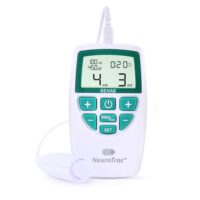
- EMS Machines, Pain Management, TENS Machine, TENS Machine & EMS
NeuroTrac Rehab (TENS Machine + EMS)
$285.00Add to cartQuick View -
-
- Liniments & Gels, Massage Liniments, Pain Management
Fisiocrem
$16.95 – $39.95Select optionsQuick View -


-
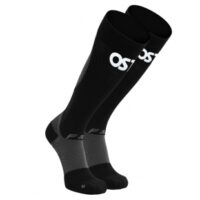
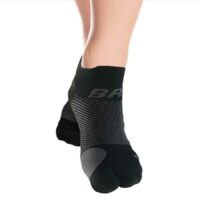
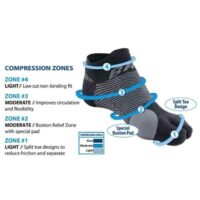
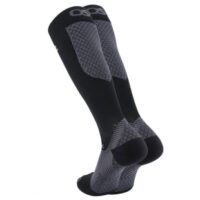 Ankle, Braces & Supports, Calf, Foot
Orthosleeve Compression Bracing Socks
$49.00Select optionsQuick View -


-

-
-
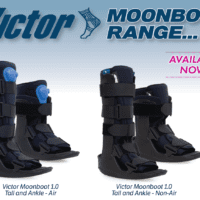
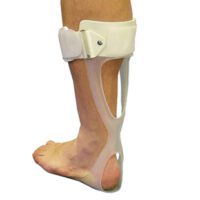
 Ankle, Braces & Supports, Foot, Walking
Victor Moonboot 1.0 Air or No Air
$77.00 – $79.00Select optionsQuick View -
-
-
-
-










References
References
- Ibad Sha I. Tarsal tunnel syndrome: a comprehensive review. Iowa Orthop J. 2024;44(2):32-36.
- Haq II, Banerjee AA, Arshad Z, Iqbal AM, Bhatia M. The management of tarsal tunnel syndrome: a scoping review. J Clin Orthop Trauma. 2024;54:102489. doi:10.1016/j.jcot.2024.102489.
- Rodríguez-Merchán EC. Tarsal tunnel syndrome: current rationale, indications and results. EFORT Open Rev. 2021;6(12).
- Szewczyk J, Szuciak A, Mozga K, et al. Tarsal tunnel syndrome in runners: diagnosis and return to physical activity – a review. Wiad Lek. 2025;78(3):584-590. doi:10.36740/WLek/202447.
Frequently asked questions
What does tarsal tunnel syndrome feel like?
Tarsal tunnel syndrome can feel like burning, tingling, numbness or electric-like pain around the inner ankle and into the heel, arch or sole. Symptoms may increase with prolonged standing, walking or running.
Where is tarsal tunnel pain usually felt?
Symptoms commonly start around the inner ankle behind the medial malleolus and may extend into the heel, arch, sole or toes. The exact pattern depends on which part of the tibial nerve is affected.
How is tarsal tunnel syndrome diagnosed?
Diagnosis usually combines your symptom pattern with a clinical examination of the ankle, foot and nervous system. Imaging or nerve-conduction testing may be useful when the diagnosis remains uncertain or a structural cause is suspected.
Can physiotherapy help tarsal tunnel syndrome?
Physiotherapy may help when modifiable loading, movement, strength, footwear or ankle factors contribute to nerve irritation. Management can include activity modification, strengthening, mobility work and a graded return to normal activity.
Can tarsal tunnel syndrome settle without surgery?
Some cases improve with conservative management, particularly when contributing factors can be modified. Persistent symptoms, progressive neurological changes or a clear structural compression may require further medical assessment.
When is surgery considered for tarsal tunnel syndrome?
Surgery may be considered when there is a clear structure compressing the nerve or when significant symptoms continue despite appropriate conservative management. A specialist determines suitability based on the individual presentation.
