
Knee Treatment


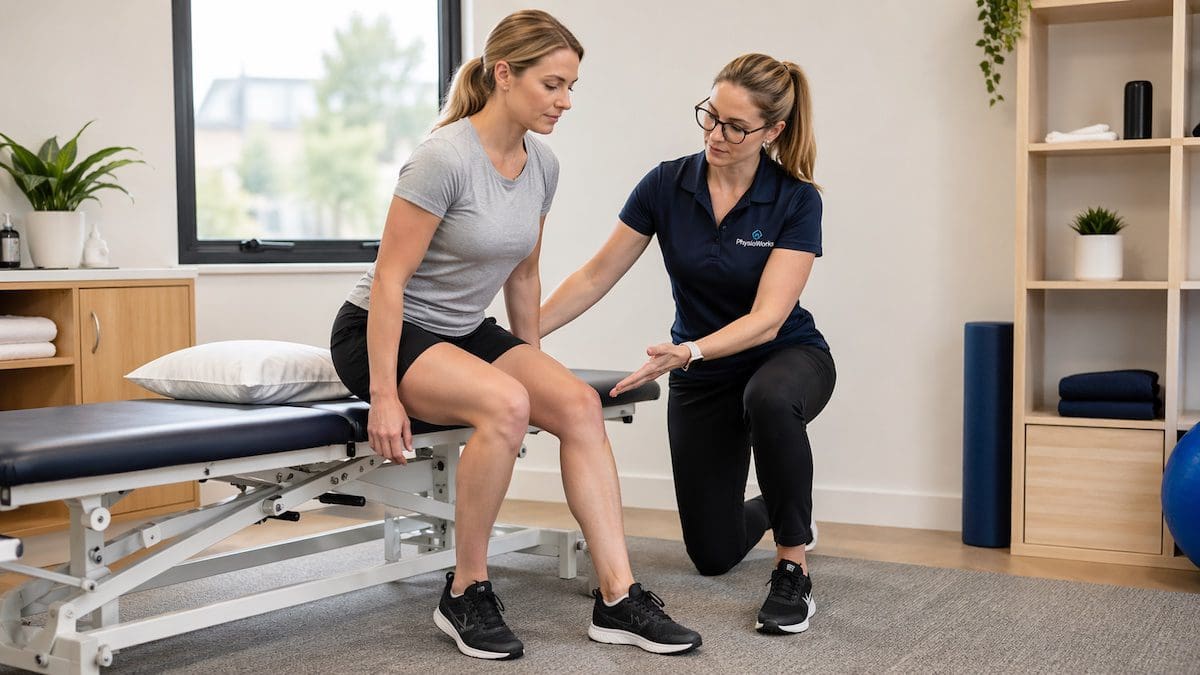
A physiotherapist guides a knee-loading assessment to help plan treatment.
Knee treatment aims to reduce pain, improve movement, and help you return to walking, work, sport, or exercise with more confidence. Many people need knee treatment when pain lingers with stairs, squats, running, kneeling, or long periods of sitting. If you are unsure what is driving your symptoms, a physiotherapist can assess your knee and guide the right next step.
Your knee is part of a bigger movement chain. The hip, ankle, foot, strength, balance, and training load can all affect how well your knee copes. Because of that, effective treatment often includes more than the knee itself. If you want a broader view of possible causes, see our guide to knee pain.
Common signs you may need knee treatment
- pain with stairs, squats, running, or kneeling
- swelling, stiffness, or reduced bending
- giving way, catching, or locking sensations
- pain that keeps returning with activity
- reduced confidence in work, sport, or daily movement
What is knee treatment?
Knee treatment is the process of identifying what is aggravating your knee and then using the right mix of advice, exercise, load changes, and hands-on care to improve it. The best plan depends on your diagnosis, your goals, and how your knee responds to daily activity.
Why does knee pain happen?
Knee pain may begin suddenly after a twist, fall, or sporting incident. However, it can also build gradually with training load, work demands, repetitive kneeling, or age-related joint change. Common contributors include knee osteoarthritis, patellar tendinopathy, knee bursitis, patellofemoral pain syndrome (PFPS), knee ligament injuries, and meniscus tears.
- Osteoarthritis: cartilage and joint changes can lead to stiffness, pain, and reduced tolerance for load over time.
- Traumatic injuries: a fall, tackle, or awkward landing may irritate ligaments, the meniscus, cartilage, or the kneecap.
- Overuse and load spikes: a sudden increase in running, jumping, gym work, or sport can aggravate tendons and joint tissues.
- Tendinopathy: tendon pain often reflects reduced load tolerance rather than simple inflammation.
- Bursitis: irritated bursae can cause local swelling and tenderness, especially after kneeling or overload.
- Crystal flare-ups: gout can cause intense pain and swelling and needs medical review.
Do you need a scan for knee pain?
Not always. Many knee problems can be assessed well with a detailed history and physical examination. Imaging may help if your symptoms suggest a more serious injury, your knee locks or gives way, or your symptoms are not improving as expected. Your physiotherapist or GP can help decide whether a scan is useful.
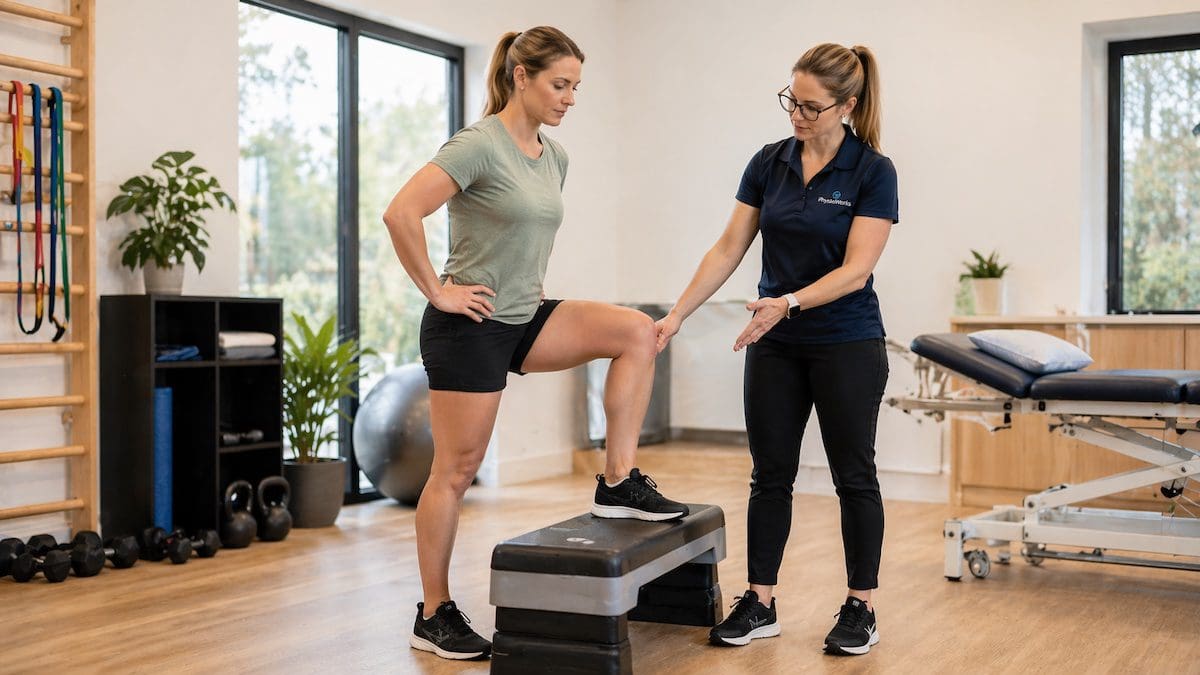
Guided step-up exercise can build knee strength and control.
How can physiotherapy help knee treatment?
Physiotherapy for knee treatment usually focuses on improving load tolerance, movement quality, strength, and confidence. That often includes education, targeted exercise, activity modification, and a graded return to work, sport, or walking. If you want a safe place to start, review these knee exercises and then tailor the program to your needs.
Many treatment plans also look beyond the painful area. Hip strength, calf capacity, ankle mobility, balance, and walking or running mechanics can all influence how your knee feels. If symptoms keep returning, a broader musculoskeletal physiotherapy approach can help identify the main drivers.
- Knee osteoarthritis: treatment often combines education, physical activity, strengthening, and weight-management strategies. Read more about knee arthritis care options.
- Ligament and meniscus injuries: early treatment may include swelling control, movement retraining, and progressive strengthening. Explore knee injury information and meniscus tear.
- Tendinopathy and bursitis: these often respond to load changes, staged strengthening, and activity planning rather than total rest. See patellar tendinopathy and knee bursitis.
Hands-on treatment may help short-term comfort and movement, particularly when pain is stopping you from exercising normally. However, longer-lasting improvement usually comes from building strength, control, and confidence with the right program.
For a general public overview, MedlinePlus information on knee pain explains common causes and when to seek medical review.
When should you seek knee treatment?
Arrange an assessment sooner if you have marked swelling, locking, giving way, fever, redness with heat, severe night pain, or pain after a major twist or fall. You should also seek help if your symptoms keep returning or are limiting work, sport, walking, or sleep.
What does current research say about knee treatment?
Current Australian guidance for knee osteoarthritis places strong emphasis on education, exercise, and weight management, while discouraging low-value care. Recent research also supports exercise as a core part of treatment for many knee problems, especially osteoarthritis and kneecap-related pain.
What to remember
- the best knee treatment depends on the cause of your pain
- many knee problems improve with the right exercise and load management
- scans are helpful in some cases, but not always necessary
- ongoing pain, swelling, locking, or giving way deserves review
What should you do next for knee pain?
If your knee pain is limiting walking, training, work, or sleep, start with a clear assessment rather than guessing. A physiotherapist may recommend the right mix of load changes, strength work, and practical strategies to help you move with more confidence.
If you are unsure where to begin, this guide on how to relieve knee pain offers sensible first steps while you organise an appointment.
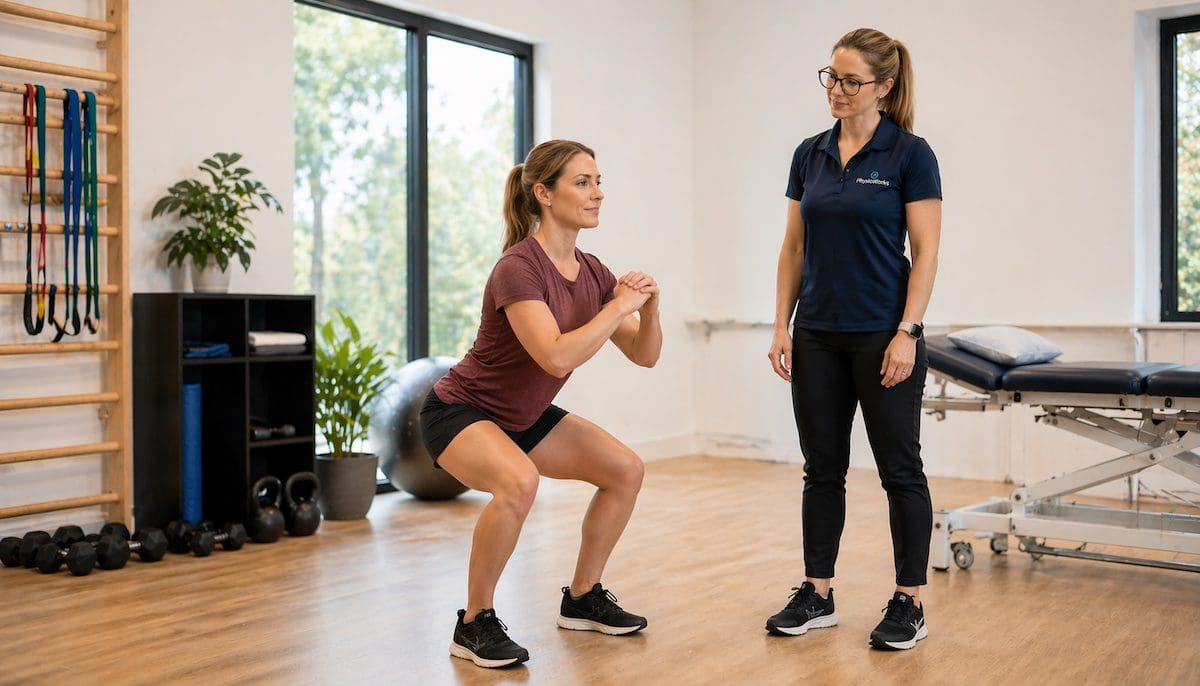
Controlled squatting can show improving knee confidence and strength.
Choose your clinic and appointment pathway
Select a PhysioWorks clinic to continue to live booking, an appointment request or reception assistance.
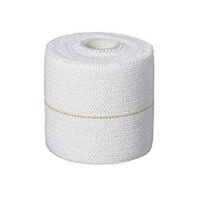
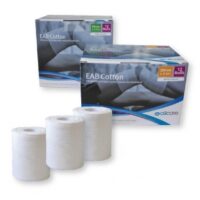
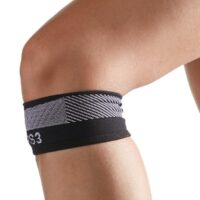
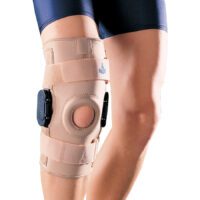
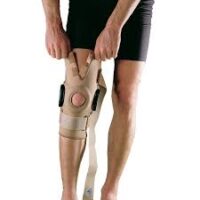
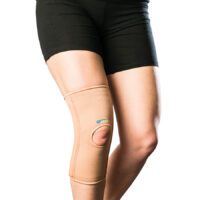
Knee Support Products
These knee support products are commonly used by our physiotherapists to help reduce strain, improve stability, and support your recovery at home.
-
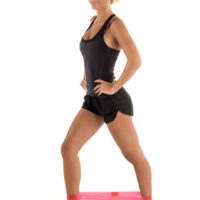
 Exercise Equipment, Knee, Resistance Band
POW.R Fabric Mini Loop Bands
$12.00 – $55.00Select optionsQuick View - EMS Machines, Pain Management, TENS Machine, TENS Machine & EMS
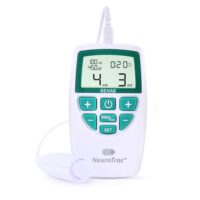
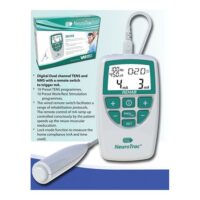
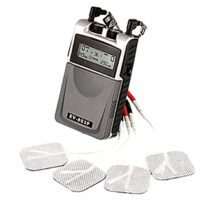
NeuroTrac Rehab (TENS Machine + EMS)
$285.00Add to cartQuick View -
- Liniments & Gels, Massage Liniments, Pain Management
Fisiocrem
$16.95 – $39.95Select optionsQuick View -
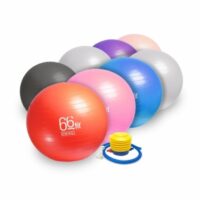
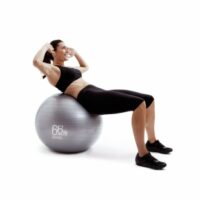 Exercise Balls, Back, Exercise Equipment, Knee, Shoulder
66fit Exercise Balls | Core & Rehab Stability Ball
$32.00 – $57.00Select optionsQuick View -

 Calf, Elbow, Ice & Heat, Knee, Pain Management
Victor Elastic Cold Sleeve
$44.00 – $60.00Select optionsQuick View -
-
-


-
-
-
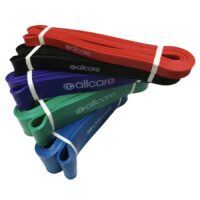
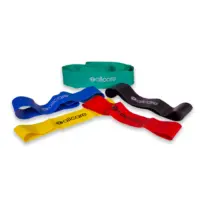
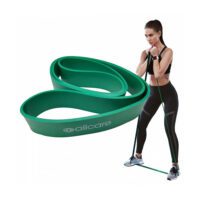 Exercise Equipment, Resistance Band
AllCare Powerloop Bands
$24.95 – $79.95Select optionsQuick View -
-



References
- Australian Commission on Safety and Quality in Health Care. Osteoarthritis of the Knee Clinical Care Standard. Updated 2024. Accessed February 23, 2026.
- Zhang Y, Zhang M, Wang Y, et al. Comparative efficacy and safety of exercise modalities in knee osteoarthritis: systematic review and network meta-analysis. BMJ. 2025;391:bmj-2025-085242.
- Sartori M, et al. Effectiveness of exercise therapy in patients with knee osteoarthritis: an overview of systematic reviews. J Clin Med. 2025.
- Neal BS, Lack SD, Bartholomew C, et al. Best practice guide for patellofemoral pain based on synthesis of a systematic review, the patient voice and expert clinical reasoning. Br J Sports Med. 2024.
