
Pes Anserine Bursitis and Inner Knee Pain
Pes anserine pain can cause tenderness on the inner upper shin, just below the knee. Physiotherapy can help assess the likely pain source, manage aggravating loads and guide a gradual return to strength and activity.


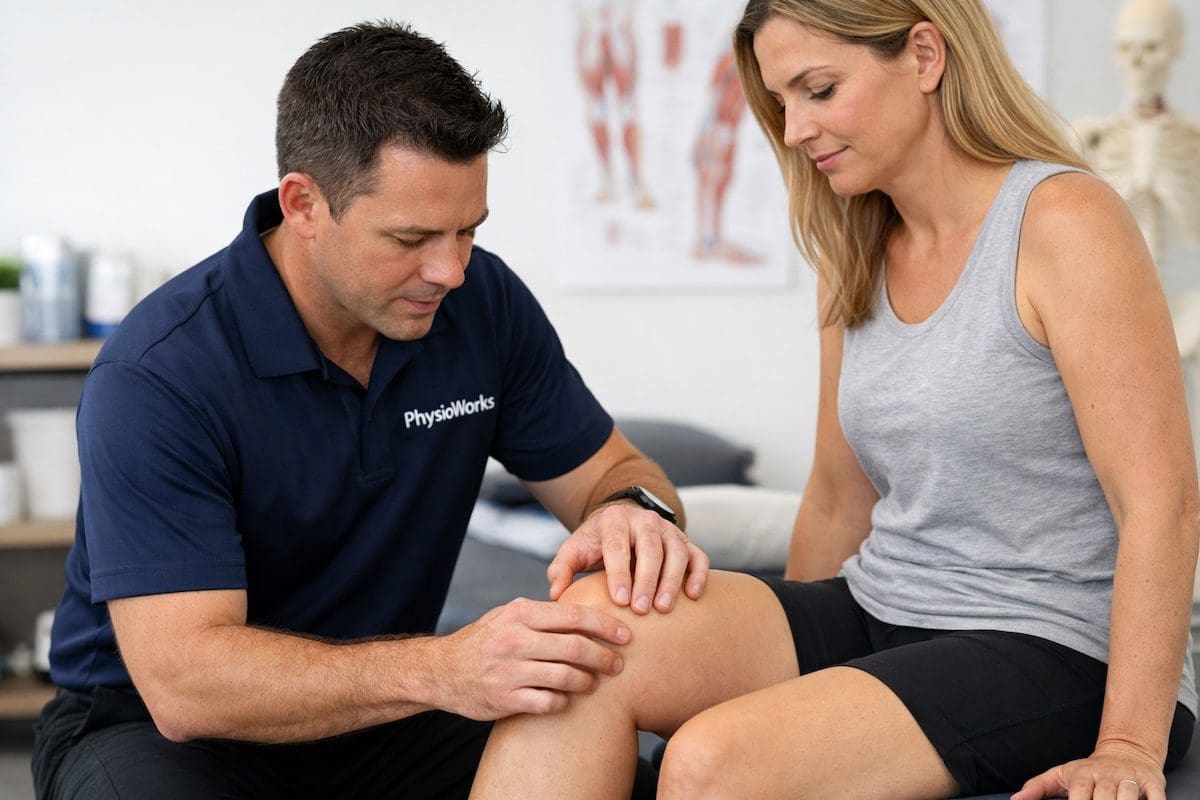
Pes anserine bursitis can cause a tender spot on the inner upper shin, a few centimetres below the knee joint. Stairs, hills, squats, kneeling, walking or running may make the area sore.
The pes anserine region contains three joined tendons and a small fluid-filled sac called a bursa. The bursa helps the tendons move over the shin bone. Pain may arise from the bursa, the nearby tendons or both.
Other knee problems can feel similar. Our knee pain guide and knee bursitis guide explain other common causes.
What is pes anserine bursitis?
Pes anserine bursitis is irritation of a small bursa on the inner side of the upper shin. It sits beneath three tendons where they join the tibia, or shin bone.
The name pes anserinus means “goose foot”. It describes the fan-shaped attachment of three tendons:
- Sartorius
- Gracilis
- Semitendinosus, one of the hamstring muscles
These muscles help bend the knee and support the leg during walking, stairs, running and sport. The nearby tendons can also become sore. For this reason, clinicians may use the term pes anserine syndrome when the exact pain source is uncertain.
What does pes anserine bursitis feel like?
The main feature is pain or tenderness below the inner knee joint line. Symptoms may begin after more walking, running, hills, stairs or kneeling than usual.
- A tender spot on the inner upper shin
- Pain with stairs or hills
- Pain when rising from a chair
- Pain with squats, kneeling or running
- Mild swelling or fullness
- Stiffness after rest
Does the pain location fit?
Location
The tender area is usually below the inner knee joint line.
Load
Stairs, hills, squats, kneeling, walking or running may increase the pain.
Touch
Gentle pressure over the area may reproduce the familiar tenderness.
What can contribute to pes anserine pain?
Symptoms often begin when activity rises faster than the knee can adapt. Several health and activity factors may also increase load around the inner knee.
- A quick increase in walking, running, hills, stairs or gym exercise
- Repeated kneeling at work, home or during sport
- Knee osteoarthritis
- Higher body weight, which can increase knee loading
- Reduced strength or control around the hip, thigh or calf
- A recent change in shoes, training surface or exercise type
No single movement pattern, muscle weakness or shoe type confirms the cause. A physiotherapist can assess which factors appear relevant for you. Our exercise load management guide explains how to adjust training without changing everything at once.
How is pes anserine bursitis assessed?
A clinician will ask where the pain sits, what brings it on and how it responds after activity. The physical assessment then checks the painful area and nearby parts of the leg.
Your assessment may include:
- Checking the tender area below the inner knee
- Testing knee, hip, ankle and foot movement
- Checking thigh, hamstring, calf and hip strength
- Watching a squat, step, walk or run
- Screening for other causes of inner knee pain
What else can cause inner knee pain?
Knee osteoarthritis
May cause joint ache, stiffness, swelling and pain during weight-bearing activity.
Medial meniscus injury
May follow a twist and cause joint-line pain, swelling, catching or locking.
Medial collateral ligament injury
Often follows a side force or twist and may cause local tenderness or a feeling of instability.
Patellofemoral pain
Usually causes pain around or behind the kneecap rather than below the inner joint line.
Bone stress injury
Can cause a very localised sore area that becomes increasingly painful with repeated impact.
Referred pain
The hip, lower back or nerves can sometimes refer pain towards the knee.
Scans are not always needed. Ultrasound or MRI may help when symptoms are unusual, severe or slow to improve. However, imaging can show bursal or tendon changes in people without pain, so findings need to be considered alongside your symptoms and physical assessment.
Physiotherapy for pes anserine pain
Management aims to settle the current flare, reduce the most relevant aggravating load and rebuild the knee’s capacity. Most people begin with non-surgical care.
-
Settle the flare
Temporarily reduce the activity producing the largest pain increase. Shorter or flatter walks may be easier, while deep squats, hills, repeated stairs or kneeling can be reduced if they aggravate symptoms.
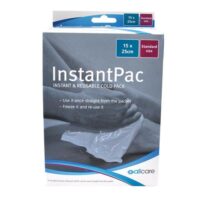
A wrapped cold pack may provide short-term relief if it feels helpful. Discuss suitable medicines with your GP or pharmacist when required.
-
Rebuild strength and control
Your program should match your symptoms, goals and current fitness. It may include knee exercises, hip strengthening, hamstring work, calf strengthening and step practice.
-
Return to activity gradually
Increase one part of your activity at a time. For example, increase walking distance before adding more hills or speed. This makes it easier to identify a useful training level without creating a large flare.
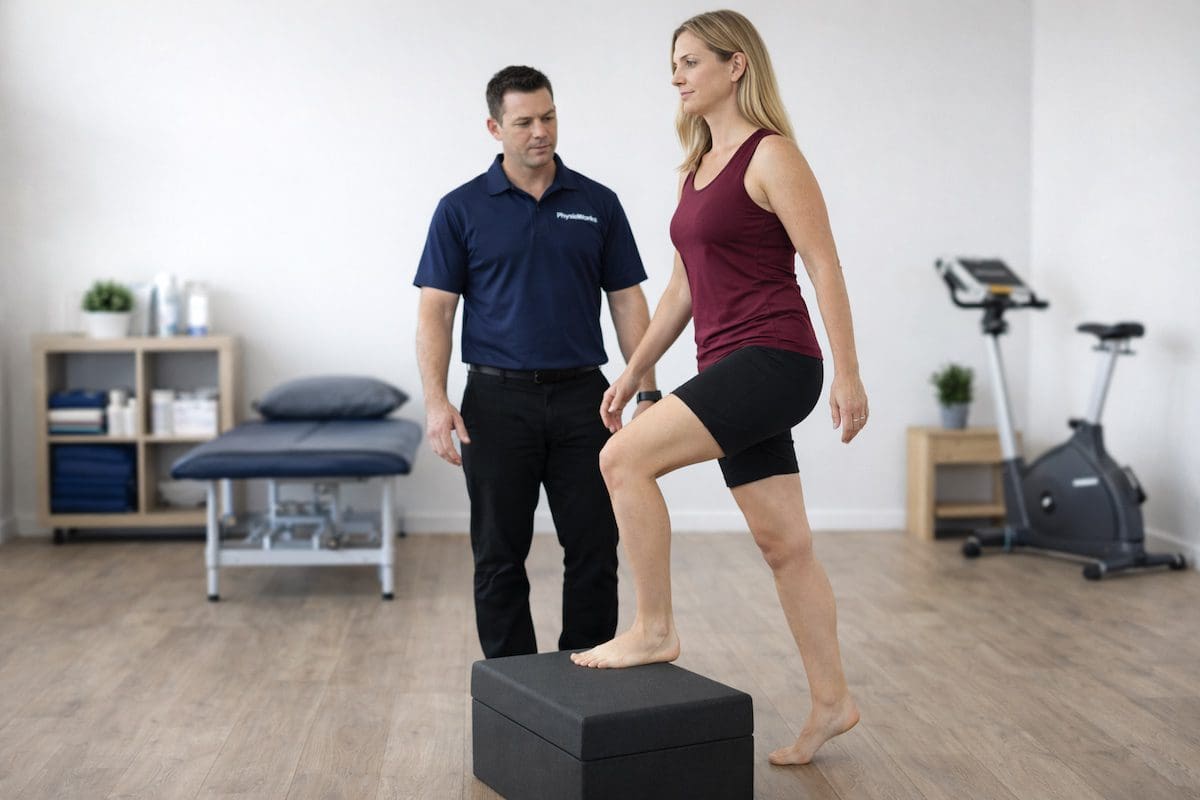
Rehabilitation may include:
- Sit-to-stand or squat practice
- Step-ups and step-downs
- Hip and thigh strengthening
- Hamstring and calf strengthening
- A gradual return to walking, running, gym exercise or sport
A biomechanical assessment may help when walking or running repeatedly aggravates symptoms. Some people may also benefit from exercise physiology for longer-term strength, fitness or health support. If knee osteoarthritis contributes to the problem, the GLA:D Australia program may suit some people.
Can you keep walking or running?
Many people can continue walking if pain stays mild, their walking pattern remains normal and symptoms return towards their usual level by the following day. Short, flat walks are often easier than hills, stairs or long uneven routes during a flare.
Simple activity-load guide
Green
Mild discomfort settles soon and is no worse the next morning. The current load may be reasonable.
Yellow
Pain rises and takes longer to settle. Reduce one load factor such as distance, speed, hills or repetitions.
Red
You limp, swelling increases, pain becomes sharp or symptoms worsen each day. Stop the aggravating activity and arrange an assessment.
This is a general guide rather than a strict rule. Age, general health, knee osteoarthritis and the type of activity can change what is appropriate. See our walking tips for knee pain for further practical advice.
What if the pain does not settle?
Persistent pain deserves a fresh assessment. Your physiotherapist or GP may reconsider the diagnosis, review your activity plan and decide whether imaging or another management option could help.
Research has examined corticosteroid injections, platelet-rich plasma and shockwave therapy for pes anserine bursitis. Results vary, and current studies do not establish one best option for everyone. A GP or specialist can discuss potential benefits, limitations and risks when usual care has not helped.
Home management tips
- Reduce the one or two activities producing the largest flare
- Keep comfortable movement that does not change your walking pattern
- Begin exercise at a level you can repeat with good control
- Increase one factor at a time, such as repetitions, depth, speed or distance
- Review recent changes in training, work tasks or footwear
- Avoid pushing through sharp or steadily worsening pain
When should you seek help?
Consider a physiotherapy assessment if pain lasts more than one to two weeks, limits walking or stairs, keeps returning or occurs alongside knee osteoarthritis.
Arrange an earlier assessment after a twist, fall, sudden swelling or clear loss of knee function.
Pes anserine bursitis FAQs
What is pes anserine bursitis?
Pes anserine bursitis is irritation of a small bursa below the inner knee. It sits beneath three joined tendons where they attach to the upper shin.
What does pes anserine bursitis feel like?
It often feels like a tender spot below the inner knee joint line. Stairs, hills, squats, kneeling, walking or running may make it sore.
Can I keep walking with pes anserine bursitis?
Many people can keep walking if pain stays mild, their walking pattern remains normal and symptoms settle towards their usual level by the next day. Short, flat walks are often easier during a flare.
How long can pes anserine bursitis take to settle?
Recovery varies. Mild cases may improve within several weeks. Longer-lasting pain may need a review of the diagnosis, activity load and exercise plan.
Do I need a scan for pes anserine bursitis?
Not always. A clinician may suggest ultrasound or MRI when symptoms are unusual, severe or slow to improve, or when another injury may be present.
When should I seek professional help?
Seek help if pain limits walking or stairs, keeps returning, follows an injury or does not improve. Seek urgent care for a hot swollen joint, inability to put weight through the leg, significant calf swelling or redness, chest pain or shortness of breath.
What to do next
Start by reducing the activity that causes the largest flare. Keep comfortable movement, then rebuild strength and activity in small steps.
If symptoms persist or the diagnosis remains unclear, a physiotherapy assessment can help identify the likely pain source and guide a plan for walking, stairs, work, gym exercise, running or sport.
Choose your clinic and appointment pathway
Select a PhysioWorks clinic to continue to live booking, an appointment request or reception assistance.
Knee Support Products
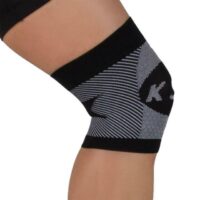
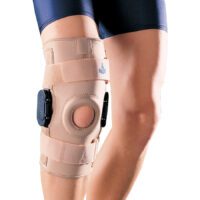
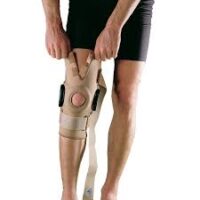
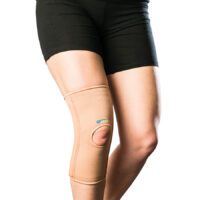
These knee support products are commonly used by our physiotherapists to help reduce strain, improve stability, and support your recovery at home.
-
-
-
- Liniments & Gels, Massage Liniments, Pain Management
Fisiocrem
$16.95 – $39.95Select optionsQuick View -


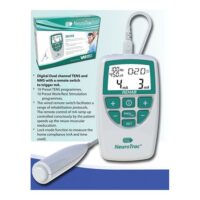
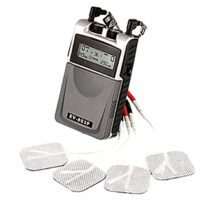
- EMS Machines, Pain Management, TENS Machine, TENS Machine & EMS
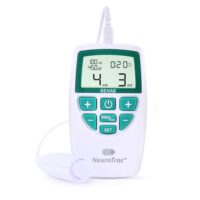
NeuroTrac Rehab (TENS Machine + EMS)
$285.00Add to cartQuick View -
-
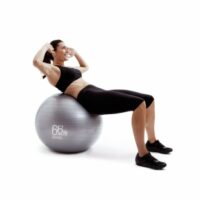 Exercise Balls, Back, Exercise Equipment, Knee, Shoulder
66fit Exercise Balls | Core & Rehab Stability Ball
$32.00 – $57.00Select optionsQuick View -

 Calf, Elbow, Ice & Heat, Knee, Pain Management
Victor Elastic Cold Sleeve
$44.00 – $60.00Select optionsQuick View -
-
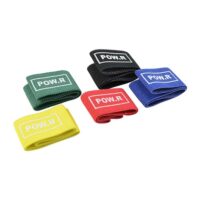 Exercise Equipment, Knee, Resistance Band
POW.R Fabric Mini Loop Bands
$12.00 – $55.00Select optionsQuick View -
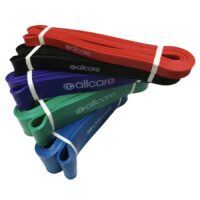
 Exercise Equipment, Resistance Band
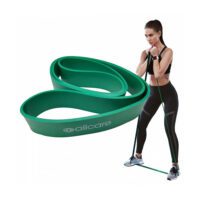
AllCare Powerloop Bands
$24.95 – $79.95Select optionsQuick View -
-



References
- Mohseni M, Mabrouk A, Li D. Pes Anserine Bursitis. StatPearls. Updated January 29, 2024.
- Hasan M, Berkovich Y, Khatib M, et al. Knee bursae: a comprehensive review of clinical evaluation, imaging differentiation, and the expanding role of biologic therapies. Cartilage. Published online November 15, 2025.
- Majidi L, Saeb F, Alaei B, et al. Comparison of local corticosteroid injection and extracorporeal shockwave therapy in pes anserine bursitis. Med J Islam Repub Iran. 2023;37:10.
- Gouda W, Abbas AS, Abdel-Aziz TM, et al. Corticosteroid injection, platelet-rich plasma and shockwave therapy for pes anserine bursitis. Adv Orthop. 2023;2023:5545520.