
Osteoarthritis
Osteoarthritis
Osteoarthritis is a common joint condition that can cause pain, stiffness, swelling and reduced movement. The right combination of exercise, education and activity changes can often help you remain active and manage symptoms.


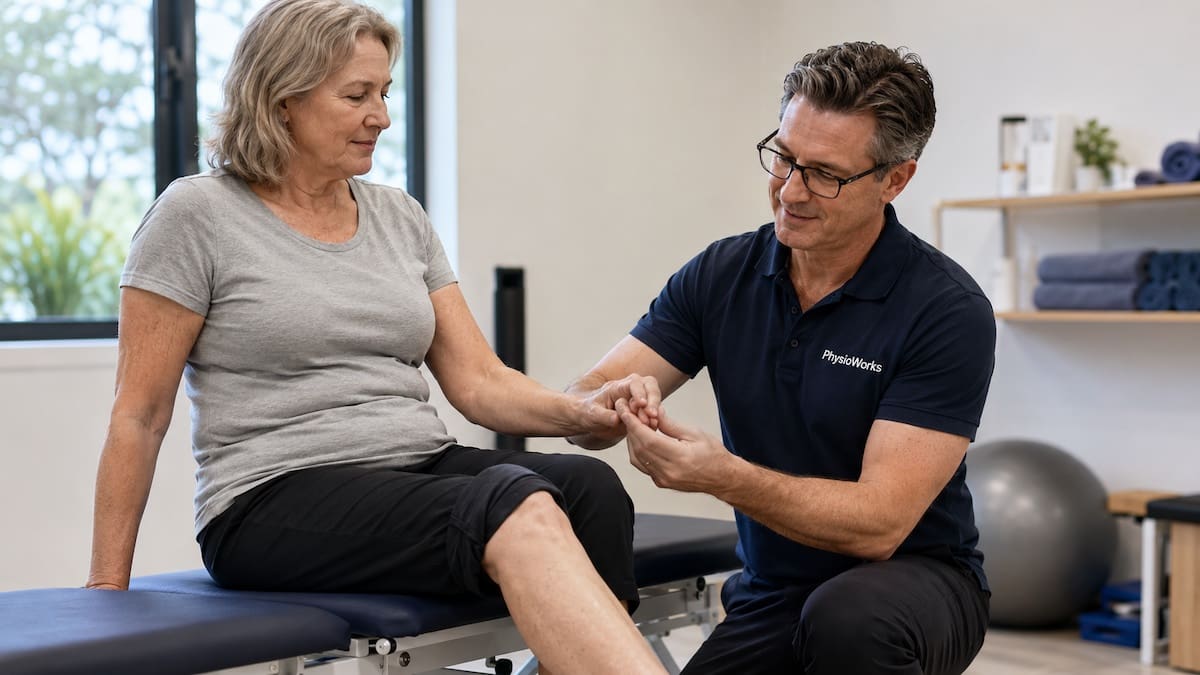
Common symptoms
Pain, stiffness, swelling and reduced movement can affect daily activities.
Imaging and pain
X-ray changes do not always match how much pain or disability a person experiences.
Active management
Exercise, education and gradual strength work are central parts of osteoarthritis care.
What Is Osteoarthritis?
Osteoarthritis is a long-term condition involving changes in cartilage, bone and other tissues around a joint. Cartilage is the smooth tissue covering the ends of bones. It helps the joint move and distribute load.
Osteoarthritis is more complex than simple “wear and tear”. Ageing, previous injury, joint shape, genetics, muscle strength, body weight, health conditions and a person’s loading history may all contribute.
It commonly affects the knees, hips, hands, feet and spine. It can also affect other joints. The broader arthritis guide explains how osteoarthritis differs from other forms of arthritis.
What Are the Symptoms of Osteoarthritis?
Symptoms often develop gradually. However, they may flare after a sudden increase in walking, stairs, lifting, gripping, kneeling, sport or other activity.
Pain and tenderness
Pain may increase during or after activity. The joint may also feel tender when pressed or loaded.
Stiffness and reduced movement
The joint may feel stiff after rest or when you first get moving. Some activities may become harder as movement reduces.
Swelling and joint noise
Some people notice intermittent swelling, creaking, grinding or clicking. Joint noise alone does not always indicate damage or worsening arthritis.
Osteoarthritis may make walking, stairs, squatting, standing, gripping, dressing or household activities more difficult. Symptoms can vary considerably between people and between different joints.
What Causes Osteoarthritis?
There is rarely one cause. Osteoarthritis usually develops through a combination of joint-related and personal factors.
- Increasing age
- A previous joint injury or operation
- Joint shape or alignment
- Reduced muscle strength
- Repeated or unusually high joint loading
- Genetic and family factors
- Excess body weight, particularly for weight-bearing joints
- Some metabolic, inflammatory or general health conditions
For example, knee osteoarthritis may develop after a ligament or meniscus injury. Hip arthritis may relate to joint shape, previous injury, stiffness and changes in walking tolerance.
How Is Osteoarthritis Diagnosed?
A doctor or physiotherapist may identify a likely osteoarthritis pattern from your symptoms, medical history, joint movement, strength and daily activity limits. Your walking, balance or ability to complete functional tasks may also be assessed.
Many typical cases can be assessed clinically without immediate imaging. An X-ray may help when the diagnosis remains uncertain, symptoms are unusual, surgery is being considered or the result would change management.
X-rays may show joint-space narrowing, osteophytes and other bone changes. However, imaging is only one part of the assessment. Some people have clear imaging changes with mild symptoms, while others experience greater pain despite less obvious changes.
When Should You Seek Medical Advice?
Arrange a routine assessment if pain, stiffness or swelling persists, repeatedly interrupts sleep, causes the joint to lock or give way, or increasingly limits work, exercise and daily activities.
Speak with your GP when symptoms involve several swollen joints, unexplained weight loss, prolonged morning stiffness or other features that do not fit a usual osteoarthritis pattern. Conditions such as rheumatoid arthritis and psoriatic arthritis require different medical management.
Should You Exercise With Osteoarthritis?
In most cases, yes. Exercise is one of the main treatments for osteoarthritis. The type and amount should match the affected joint, your health, current capacity and goals.
A temporary increase in discomfort does not always mean exercise is harmful. However, repeatedly causing large or prolonged flare-ups may indicate that the load needs adjustment.
-
Start with a manageable amount
Choose a movement, resistance and duration you can complete with acceptable symptoms and good control.
-
Check the overall response
Consider pain, swelling, sleep and function during the activity and over the following day or two.
-
Adjust one factor when needed
Reduce the distance, repetitions, resistance, speed or movement range if symptoms remain substantially worse.
-
Progress gradually
Increase one part of the program at a time as strength, confidence and joint tolerance improve.
What Is the Best Treatment for Osteoarthritis?
Management usually combines several approaches rather than relying on one treatment. The plan should reflect the affected joint, your symptoms, general health and the activities you want to maintain.
Education and pacing
Understanding symptom patterns can help you balance activity and recovery without avoiding movement unnecessarily.
Strength and aerobic exercise
Progressive strength work and suitable aerobic exercise may improve pain, function, fitness and confidence.
Mobility and functional practice
Joint movement exercises and task practice may help with walking, stairs, gripping, transfers and other daily activities.
Weight management
Where relevant, weight management may reduce load on weight-bearing joints and provide broader health benefits.
Symptom relief
Heat, cold, taping, assistive devices and medicines may provide short-term support when they suit the person and joint.
Healthcare support
A physiotherapist, GP or other health professional can help when symptoms remain difficult, the diagnosis is uncertain or function continues to decline.
Hands-on treatment may provide short-term relief for some people. However, it should normally support rather than replace education and therapeutic exercise.
How Can Physiotherapy Help Osteoarthritis?
Physiotherapy may help identify likely contributors to your symptoms and build a practical management plan. Assessment may include joint movement, muscle strength, balance, walking and the activities you find difficult.
Your treatment plan may include:
- education about osteoarthritis and flare management
- strength, mobility and balance exercises
- walking, stair or task progression
- advice about activity, work, sport and recovery
- taping or an appropriate support aid
- short-term hands-on treatment when useful
- hydrotherapy or pool exercise
- supervised exercise programs
People with hip or knee osteoarthritis may also consider the GLA:D® Australia Program. Exercise Physiology may suit people who need longer-term exercise prescription, conditioning or chronic health support.
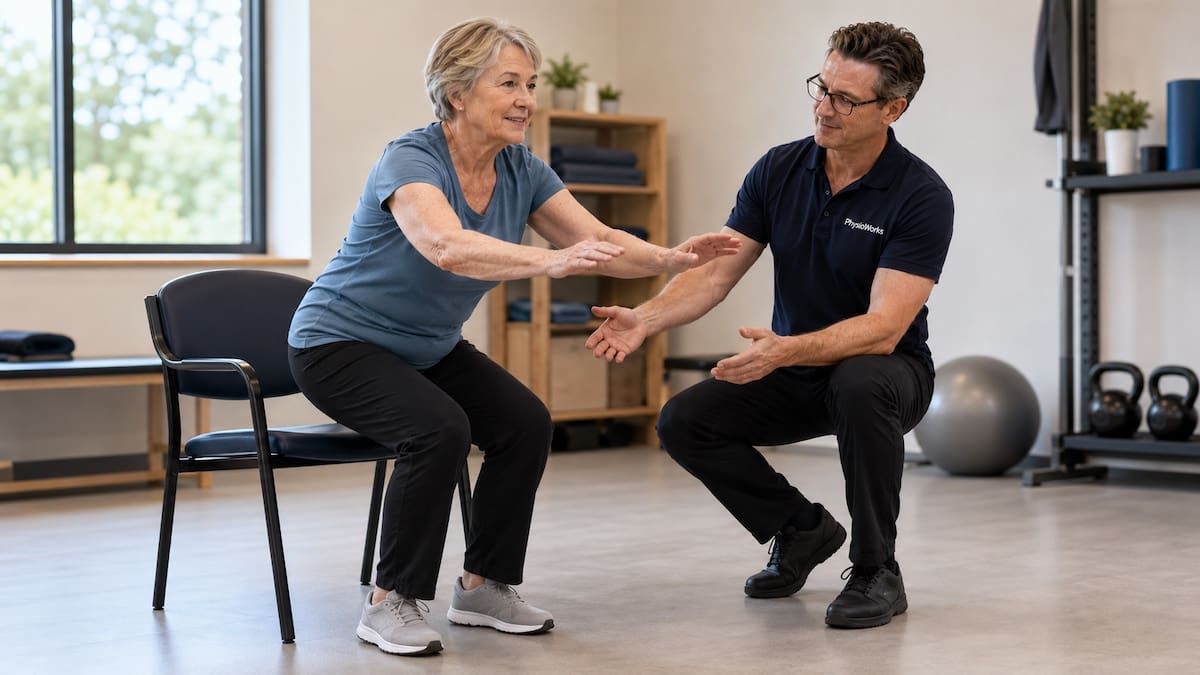
A Simple Osteoarthritis Exercise Progression
-
Keep moving during a flare
Use gentle joint movement, short walks or pool exercise where comfortable. Temporarily reduce the activities that caused the flare.
-
Build muscle support
Add exercises such as sit-to-stand, step-ups, resistance bands or light weights at an appropriate level.
-
Improve activity capacity
Gradually increase walking, cycling, stairs, gym exercise or another activity that supports your goals.
-
Maintain the gains
Continue regular strength, aerobic and balance exercise rather than stopping once symptoms improve.
The best exercises depend on the joint involved. A hand, shoulder or spinal osteoarthritis program will differ from a hip or knee program.
How Does Osteoarthritis Affect Older Adults?
Osteoarthritis becomes more common with age, but it does not mean a person must stop being active. Many older adults remain capable and independent despite osteoarthritis changes on imaging.
Treatment should consider function as well as pain. Improving strength, mobility, balance and walking tolerance can support daily activities, community participation and confidence.
The starting level should reflect the person’s health, falls risk, current ability and goals. Exercise can then progress as capacity improves.
When Is Joint Replacement Considered?
Joint replacement may be considered when severe pain and loss of function continue despite a well-tried non-surgical management plan. The decision depends on symptoms and quality of life, not an X-ray alone.
Your GP may refer you to an orthopaedic surgeon to discuss the potential benefits, limitations and risks. Surgery is not required for every person with advanced imaging changes.
People considering surgery can read about knee replacement rehabilitation and hip replacement rehabilitation. Exercise before surgery may help improve strength, mobility and readiness for rehabilitation.
Osteoarthritis FAQs
Can osteoarthritis be cured?
No. Osteoarthritis cannot currently be cured. However, exercise, strength work, activity changes and appropriate healthcare can often improve pain and function.
Is walking good for osteoarthritis?
Walking is often helpful because it supports fitness, joint movement and daily function. Start with a distance that suits your current tolerance and progress gradually.
Should I rest or exercise with osteoarthritis?
Complete rest is rarely the best long-term approach. A short period of reduced loading may help during a flare, but regular movement and exercise remain important for strength and function.
Why does osteoarthritis feel worse in the morning?
Joints often feel stiff after remaining still. This start-up stiffness may be most noticeable in the morning and often eases as you begin moving.
Can younger people develop osteoarthritis?
Yes. Osteoarthritis can develop in younger adults, particularly after a significant joint injury, surgery or an underlying joint-shape problem.
Do X-rays always match osteoarthritis pain?
No. Some people have marked X-ray changes with few symptoms, while others experience significant pain with less obvious imaging changes. Function and symptoms remain important.
When should I see a physiotherapist?
Consider physiotherapy when joint pain, stiffness or swelling limits walking, exercise, work, sleep or everyday tasks. An assessment may also help when you are unsure how much activity is appropriate.
What to Do Next
Arrange an assessment if osteoarthritis symptoms are limiting daily life or preventing you from exercising confidently. Your physiotherapist can assess movement, strength and function, then help you choose a suitable starting point.
Choose your clinic and appointment pathway
Select a PhysioWorks clinic to continue to live booking, an appointment request or reception assistance.


References
- Bannuru RR, Osani MC, Vaysbrot EE, et al. OARSI guidelines for the non-surgical management of knee, hip and polyarticular osteoarthritis. Osteoarthritis and Cartilage. 2019;27(11):1578–1589. doi:10.1016/j.joca.2019.06.011.
- National Institute for Health and Care Excellence. Osteoarthritis in over 16s: diagnosis and management. NICE Guideline NG226. 2022.
- Australian Commission on Safety and Quality in Health Care. Osteoarthritis of the Knee Clinical Care Standard. Updated 2024.
- The Royal Australian College of General Practitioners. Guideline for the management of knee and hip osteoarthritis. 2nd ed. RACGP; 2018.