
Morton’s Neuroma
Morton’s Neuroma
Morton’s neuroma can cause burning, tingling or sharp pain in the ball of the foot, often between the third and fourth toes.


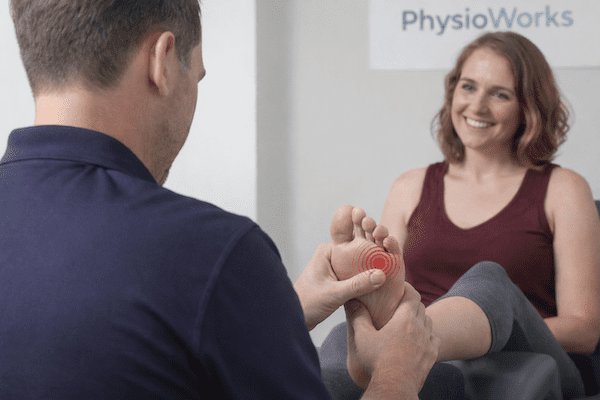
What is Morton’s neuroma?
Despite its name, Morton’s neuroma is not a cancerous tumour. It describes irritation and thickening of tissue around one of the digital nerves that travels towards the toes.
The condition most commonly affects the nerve between the third and fourth toes. Repeated compression, friction and loading may irritate the nerve and surrounding tissues.
Symptoms can overlap with other causes of foot pain, including metatarsalgia. Therefore, an accurate assessment matters before starting treatment.
Morton’s neuroma at a glance
Typical area
The ball of the foot, commonly between the third and fourth toes.
Common feeling
Burning, tingling, numbness, electric pain or the feeling of standing on a pebble.
Frequent trigger
Tight, narrow or high-heeled footwear that compresses and loads the forefoot.
What are the symptoms of Morton’s neuroma?
Symptoms vary between people. Common features include:
- Burning or sharp pain in the ball of the foot
- Pain spreading towards the toes
- Tingling, pins and needles or numbness
- A sensation of a lump, fold in the sock or pebble beneath the foot
- Pain when wearing narrow or firm footwear
- Symptoms after prolonged walking, standing or running
- Temporary relief after removing the shoe or massaging the foot
What causes Morton’s neuroma?
Morton’s neuroma usually develops when a forefoot nerve experiences repeated compression or irritation. Several factors may contribute at the same time.
Footwear pressure
Narrow toe boxes, pointed shoes and high heels may squeeze the forefoot and increase pressure around the nerve.
Repeated forefoot loading
Running, court sports, dancing and occupations involving prolonged standing may repeatedly load the ball of the foot.
Foot mechanics
Changes in foot control, toe function or weight distribution may increase local pressure during walking.
Previous injury
A past foot or toe injury may alter movement and increase stress through part of the forefoot.
Flat feet or increased pronation may contribute in some people. However, foot posture alone does not confirm Morton’s neuroma.
A practical first step: check your footwear
How is Morton’s neuroma diagnosed?
A physiotherapist or doctor will usually begin by asking about your symptoms, footwear, activity and any previous foot injuries.
Your assessment may include:
- Locating the painful or sensitive area
- Checking sensation around the toes
- Assessing foot and toe movement
- Examining walking and weight distribution
- Reviewing footwear and activity loads
- Testing whether forefoot compression reproduces symptoms
Ultrasound or MRI may be considered when the diagnosis remains uncertain, symptoms persist or another condition needs to be excluded. Imaging findings should be interpreted alongside your symptoms and examination.
Could it be something else?
Several conditions may cause symptoms in a similar area.
Metatarsalgia
General pain or irritation beneath one or more metatarsal heads.
Stress injury
A bone stress reaction or fracture may cause local pain that worsens with loading.
Joint irritation
Inflammation around a toe joint may produce pain, swelling or reduced movement.
Nerve referral
Nerve symptoms may occasionally originate elsewhere in the foot, ankle or leg.
An assessment can help identify the likely source rather than treating every case of forefoot pain as Morton’s neuroma.
How can physiotherapy help Morton’s neuroma?
Physiotherapy aims to reduce irritation around the nerve, improve load distribution and help you return to comfortable walking, work or sport.
-
Reduce nerve compression
Early management may include changing aggravating footwear, adjusting activity and reducing repeated forefoot pressure.
-
Improve pressure distribution
Taping, footwear adjustments, a metatarsal pad or selected orthotic support may help reduce local pressure.
-
Restore movement
Treatment may address restricted toe, foot or ankle movement when it contributes to altered loading.
-
Build foot and lower-limb capacity
Exercises may improve foot control, calf capacity, balance and lower-limb strength according to your assessment.
-
Return to activity gradually
Walking, running and occupational loads can be increased as symptoms and next-day responses allow.
Which exercises help Morton’s neuroma?
Exercise selection depends on what contributes to your symptoms. A rehabilitation program may include:
- Toe-control and intrinsic foot muscle exercises
- Calf-strengthening exercises
- Foot and ankle mobility exercises
- Balance and single-leg control exercises
- Walking or running load progression
Exercises should not repeatedly increase sharp, burning or spreading nerve symptoms. Your physiotherapist can adjust the exercise, resistance or training volume when symptoms flare.
Can a metatarsal pad help?
When is a cortisone injection considered?
A doctor may consider a corticosteroid injection when symptoms continue despite suitable footwear changes, activity modification and conservative treatment.
An injection may reduce pain for some people, particularly in the short to medium term. However, responses vary, and an injection does not remove the mechanical pressure that may be irritating the nerve.
For this reason, injections are usually considered alongside footwear changes, padding, load management or rehabilitation rather than as a stand-alone treatment.
Repeated injections require caution because corticosteroids can affect nearby soft tissues. Your doctor can discuss the potential benefits, limitations and risks for your situation.
When is surgery considered?
Surgery may be discussed when significant symptoms continue despite an adequate trial of non-surgical care.
Procedures may aim to release pressure around the nerve or remove the affected nerve tissue. Surgery can reduce pain for some people, but possible effects include numbness, scar sensitivity, ongoing symptoms or recurrence.
A foot and ankle surgeon can explain whether surgery is appropriate after reviewing your symptoms, examination findings, previous treatment and imaging.
When should forefoot pain be reviewed promptly?
How long does Morton’s neuroma take to improve?
Recovery time depends on how long the nerve has been irritated, symptom severity, footwear, activity demands and how consistently contributing loads can be changed.
Some people notice improvement within several weeks. Long-standing or highly irritable symptoms may take several months and may need medical or specialist input.
Useful signs of progress include being able to walk further, tolerate shoes for longer and complete more activity before symptoms begin.
What to do next
Start by reducing pressure across the front of your foot. Choose shoes with a wide toe box, avoid footwear that clearly reproduces symptoms and temporarily reduce activities that cause escalating nerve pain.
If symptoms continue, a physiotherapy assessment can examine your foot mechanics, footwear, walking pattern and activity loads. Your treatment plan can then target the factors that matter most to you.
Choose your clinic and appointment pathway
Select a PhysioWorks clinic to continue to live booking, an appointment request or reception assistance.
Feet Products
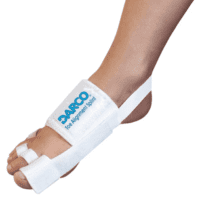
These feet products are commonly used by our physiotherapists to improve support, comfort, strength, balance, flexibility, and home exercise programs.
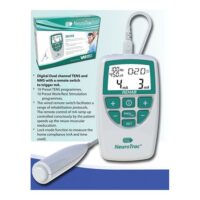
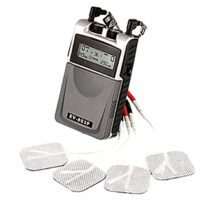
- EMS Machines, Pain Management, TENS Machine, TENS Machine & EMS
NeuroTrac Rehab (TENS Machine + EMS)
$285.00Add to cartQuick View -
-

-

-
-
-
- Liniments & Gels, Massage Liniments, Pain Management
Fisiocrem
$16.95 – $39.95Select optionsQuick View -
-
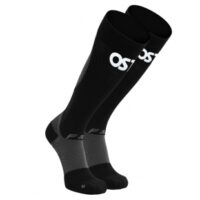
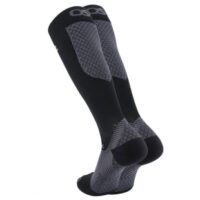 Ankle, Braces & Supports, Calf, Foot
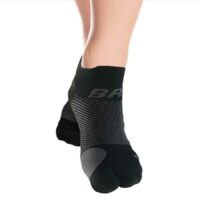
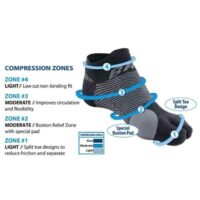
Orthosleeve Compression Bracing Socks
$49.00Select optionsQuick View -
-


-
-
-
-
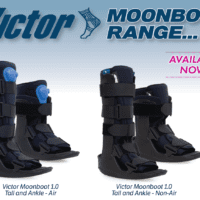
 Ankle, Braces & Supports, Foot, Walking
Victor Moonboot 1.0 Air or No Air
$77.00 – $79.00Select optionsQuick View





Morton’s neuroma FAQs
What does Morton’s neuroma feel like?
Morton’s neuroma often feels like burning, tingling or sharp pain in the ball of the foot. Some people describe a pebble, lump or fold beneath the foot.
Can physiotherapy help Morton’s neuroma?
Physiotherapy may help reduce irritation around the nerve, improve load distribution and manage walking or sporting loads. Treatment may include footwear advice, padding, exercises and graded activity.
Does footwear affect Morton’s neuroma?
Yes. Tight, narrow or high-heeled footwear can compress the forefoot and aggravate symptoms. Shoes with a wider toe box and lower heel are often more comfortable.
Where should a metatarsal pad sit?
A metatarsal pad generally sits behind the painful metatarsal heads rather than directly beneath the sore area. Correct positioning can help redistribute pressure across the forefoot.
Is surgery always needed for Morton’s neuroma?
No. Many people manage their symptoms without surgery. Surgery is usually considered when significant symptoms continue despite an adequate trial of non-surgical treatment.
References
- Choi JY, Lee KT, Kim TW, et al.
Corticosteroid injection for Morton’s interdigital neuroma: a systematic review.
Clinics in Orthopedic Surgery. 2021. - Jaai M, et al.
Clinical outcomes of conservative interventional treatment for Morton’s neuroma.
2024. - Munir U, Morgan S.
Morton neuroma.
StatPearls. NCBI Bookshelf.
