
Runner's Knee


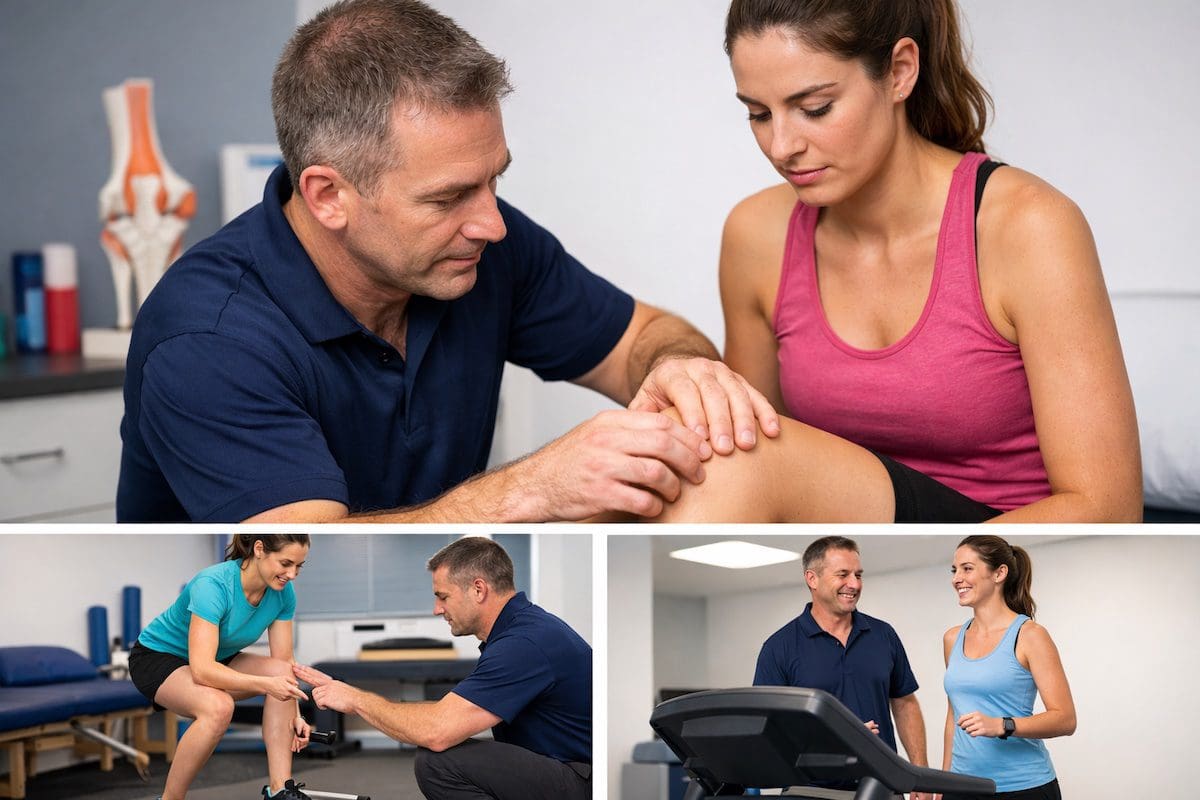
Kneecap assessment helps identify patellofemoral joint pain in runner’s knee.
Runner’s knee is one of the most common forms of knee pain seen in runners. It is a broad term for running-related knee pain, most often felt around the kneecap or along the outside of the knee. It commonly overlaps with patellofemoral pain syndrome (PFPS) and ITB syndrome.
This page covers one of the most common sports knee injuries. It also links you to key related diagnoses and running resources, including broader running injuries, so you can work out what pattern best matches your symptoms and what to do next.
- Knee pain during or after running
- Pain around the kneecap or outer knee
- Pain with stairs, hills, squatting, or lunging
- Ache after sitting with the knee bent
- Symptoms that build with training load
What is runner’s knee?
Runner’s knee is a general label for knee pain linked to running rather than one single diagnosis. In practice, it usually refers to front-of-knee pain such as PFPS, or outer-knee pain such as ITB syndrome, although other structures can also become irritated.
What causes runner’s knee pain?
Runner’s knee pain usually develops when training load rises faster than the knee can tolerate. Common contributors include mileage spikes, hills, speed sessions, footwear changes, reduced recovery, and weakness or poor control through the hips, thighs, and lower limb.
In many runners, the issue is not that the knee is severely damaged. Instead, the irritated tissue is being asked to handle more load than it currently has the capacity for. That is why a good rehabilitation plan often works better than simply stopping all activity.
Runner’s Knee vs PFPS
| Feature | Runner’s Knee | PFPS |
|---|---|---|
| Meaning | General public term | Specific clinical diagnosis |
| Pain location | Usually front or outer knee | Usually around or behind the kneecap |
| Common causes | Overuse, load spikes, poor control | Patellofemoral joint overload and poor load tolerance |
| Used by | Runners and the general public | Physiotherapists and sports clinicians |
| Same thing? | Sometimes | Often one specific cause of runner’s knee |
What are the symptoms of runner’s knee?
Runner’s knee symptoms depend on the exact structure involved, but the most common pattern is gradual knee pain during or after running. Many runners also notice pain with stairs, squats, lunges, or prolonged sitting because these activities increase pressure through already irritated tissues.
Common symptoms include:
- pain around the kneecap
- pain on the outside of the knee
- symptoms that worsen with hills or speed work
- pain after sitting with the knee bent
- stiffness or irritation the next day
Why does runner’s knee hurt with stairs or squatting?
Runner’s knee often hurts with stairs, squatting, and hills because these movements raise compression through the patellofemoral joint or stress irritated tissues on the outer knee. If strength, control, or load tolerance is reduced, those movements reproduce symptoms more easily.
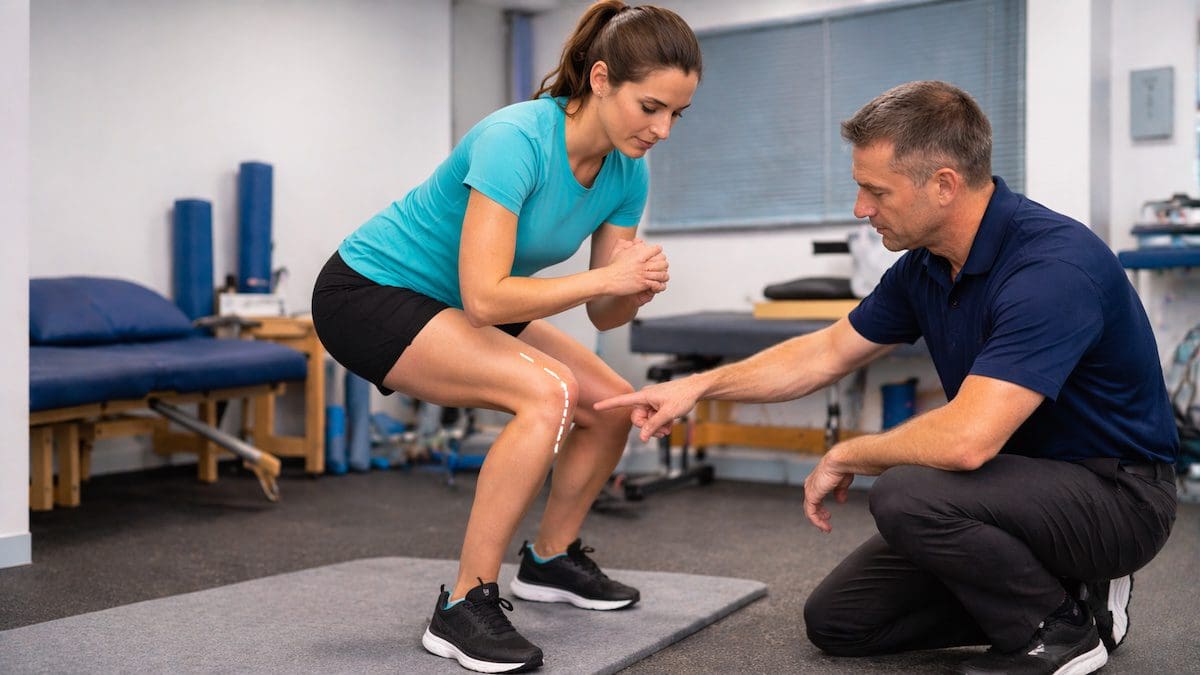
Kneecap compression testing helps assess patellofemoral joint pain linked to runner’s knee.
What can cause runner’s knee?
Runner’s knee is a symptom label, so several different diagnoses can sit underneath it. Front-of-knee symptoms often overlap with patellofemoral pain syndrome, chondromalacia patella, or patellar tendinopathy. Outer-knee symptoms commonly relate to ITB syndrome.
Common front-of-knee causes
- Patellofemoral Pain Syndrome (PFPS)
- Chondromalacia Patella
- Patellar Tendinopathy
- Knee Bursitis
- Fat Pad Syndrome
Common outer-knee cause
ITB syndrome is the most common source of lateral runner’s knee pain. It often becomes more obvious with longer runs, downhill running, or sudden training progression.
How is runner’s knee diagnosed?
A sports physiotherapist or sports physician diagnoses runner’s knee by working out which structure is irritated and why. This usually includes your symptom history, training load, footwear, strength, flexibility, and movement pattern rather than relying on a scan alone.
The aim is not just to name the problem. It is to identify the load errors, strength deficits, or running mechanics that keep driving it. If your symptoms suggest another injury pattern, related problems such as a meniscus tear or ACL injury may also need to be ruled out.
What should you do next?
- Reduce aggravating running load for a short period
- Avoid pushing through deep knee bend pain
- Start targeted hip and knee strengthening
- Check whether your pain pattern matches PFPS, ITB syndrome, or patellar tendinopathy
- Get assessed if symptoms keep returning or limit training
How is runner’s knee treated?
Runner’s knee treatment depends on the exact diagnosis, but the main principles are usually similar. Treatment focuses on settling irritated tissues, adjusting training load, improving hip and knee strength, restoring control, and then building back into running in a graded way.
For runners with patellofemoral pain, current best-practice guidance supports knee-targeted and hip-targeted exercise therapy, education, and selected add-on strategies such as taping, foot orthoses, or running retraining where appropriate. You can also read more about broader running injuries and sports physiotherapy if your symptoms are part of a bigger training problem.
Can runner’s knee be prevented?
Many cases of runner’s knee can be reduced by progressing training sensibly, recovering well between sessions, maintaining lower-limb strength, and managing footwear or terrain changes with care. Runners coming back from time off should be especially cautious with hills, intervals, and sudden mileage jumps.
Good prevention rarely comes from one single exercise. It usually combines sensible load progression, strength work, movement quality, and early attention to small symptoms before they become a stubborn problem.
When should you seek help for runner’s knee?
You should seek help for runner’s knee if the pain keeps returning, worsens as your running load rises, affects stairs or daily activities, or stops you training normally. Earlier assessment usually leads to a more precise diagnosis and a faster return to confident running.
Runner’s knee FAQs
Is runner’s knee the same as patellofemoral pain syndrome?
Not always. Runner’s knee is a broad label for running-related knee pain, while patellofemoral pain syndrome is one specific diagnosis that often sits underneath it. Outer-knee pain from ITB syndrome and other overuse problems can also be called runner’s knee.
Should I stop running if I have runner’s knee?
Not necessarily. Some runners can keep running with a modified plan if pain stays within sensible limits and settles well afterwards. Others need a short reduction in load before rebuilding. The best choice depends on the diagnosis, irritability, and recovery response.
How long does runner’s knee take to improve?
Improvement depends on the diagnosis, severity, training load, and how long symptoms have been present. Some runners settle quickly once load is modified. Others need several weeks of targeted rehabilitation to restore strength, control, and running tolerance.
Can weak hips cause runner’s knee?
Weakness or poor control around the hips can contribute to runner’s knee, especially when the knee repeatedly drops inward during running, stairs, or squatting. However, it is rarely the only cause. Training load, recovery, footwear, and running style can also matter.
What exercises help runner’s knee?
The best exercises depend on the exact diagnosis, but common options include hip strengthening, quadriceps strengthening, calf work, step control drills, and running-specific loading progressions. A physiotherapist will usually match the program to your pain pattern and training goals.
When should I see a physio for runner’s knee?
You should see a physio if your pain keeps coming back, affects your running plan, spreads into stairs or squats, or does not improve with short-term load changes. A clear diagnosis helps guide the right rehab plan and avoids wasting time on the wrong exercises.
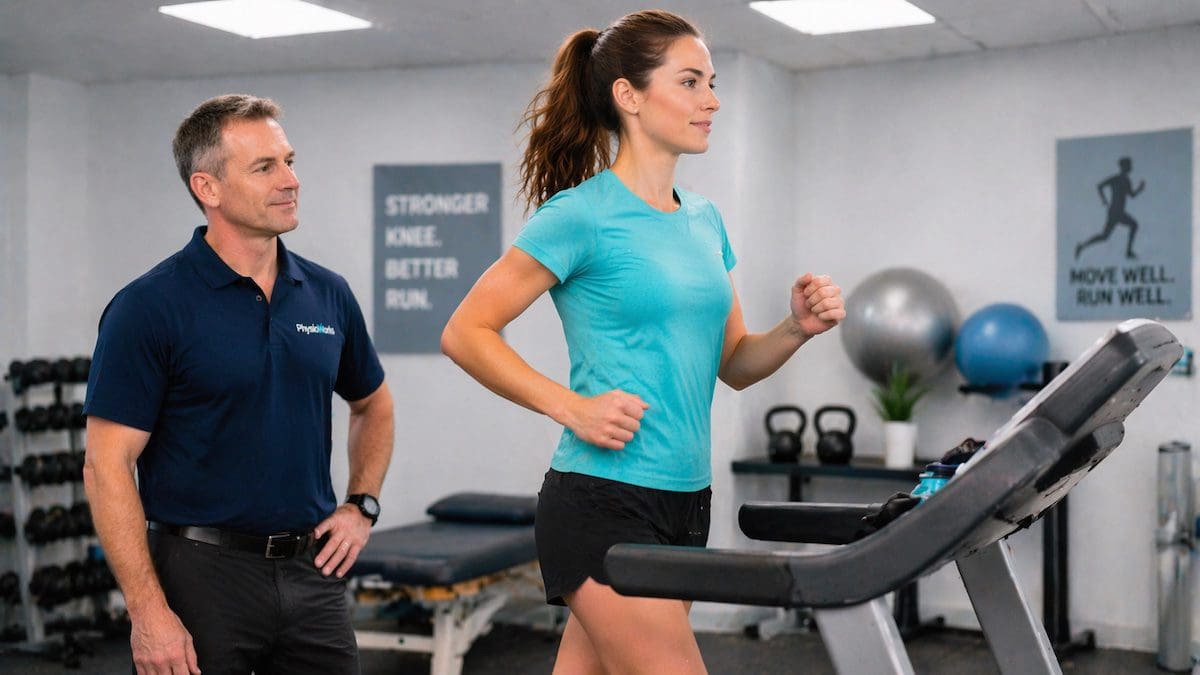
Pain-free return-to-running progressions can build confidence after runner’s knee.
What to do next
If your runner’s knee keeps returning, hurts more as your running load rises, or is stopping you from training normally, a proper assessment is worthwhile. Knowing whether the pain is coming from the kneecap joint, patellar tendon, ITB, bursa, or another structure will guide more precise treatment.
A physiotherapist can identify the source of your runner’s knee, explain the load issues driving it, and build a practical plan to help you return to running with more confidence.
Choose your clinic and appointment pathway
Select a PhysioWorks clinic to continue to live booking, an appointment request or reception assistance.
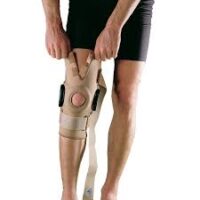
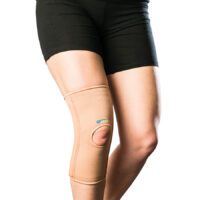
Knee Support Products
These knee support products are commonly used by our physiotherapists to help reduce strain, improve stability, and support your recovery at home.
-
-
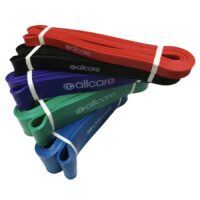
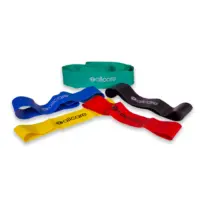
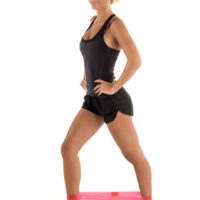
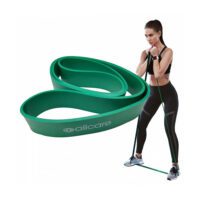 Exercise Equipment, Resistance Band
AllCare Powerloop Bands
$24.95 – $79.95Select optionsQuick View -
-
-
-


-
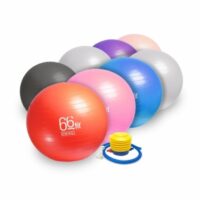
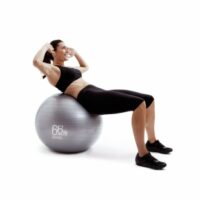 Exercise Balls, Back, Exercise Equipment, Knee, Shoulder
66fit Exercise Balls | Core & Rehab Stability Ball
$32.00 – $57.00Select optionsQuick View -

-
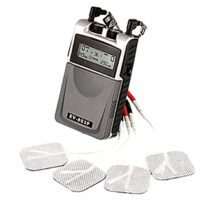
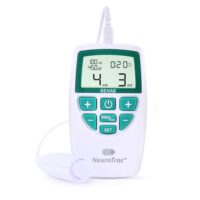
- EMS Machines, Pain Management, TENS Machine, TENS Machine & EMS
NeuroTrac Rehab (TENS Machine + EMS)
$285.00Add to cartQuick View -

 Calf, Elbow, Ice & Heat, Knee, Pain Management
Victor Elastic Cold Sleeve
$44.00 – $60.00Select optionsQuick View -
-
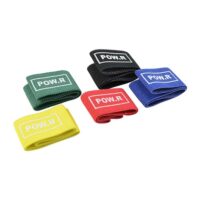 Exercise Equipment, Knee, Resistance Band
POW.R Fabric Mini Loop Bands
$12.00 – $55.00Select optionsQuick View - Liniments & Gels, Massage Liniments, Pain Management
Fisiocrem
$16.95 – $39.95Select optionsQuick View





References
- Neal BS, Lack SD, Lankhorst NE, Raye A, Morrissey D, van Middelkoop M, Barton CJ. Best practice guide for patellofemoral pain based on synthesis of a systematic review, the patient voice and expert clinical reasoning. Br J Sports Med. 2024;58(24):1486-1497. doi:10.1136/bjsports-2024-108110
- Willy RW, Hoglund LT, Barton CJ, et al. Patellofemoral pain clinical practice guidelines linked to the International Classification of Functioning, Disability and Health from the Academy of Orthopaedic Physical Therapy of the American Physical Therapy Association. J Orthop Sports Phys Ther. 2019;49(9):CPG1-CPG95. doi:10.2519/jospt.2019.0302
- Mellinger S, Neurohr GA. Evidence based treatment options for common knee injuries in runners. Open Access J Sports Med. 2019;10:107-118. doi:10.2147/OAJSM.S178364
