
Ankle Strapping


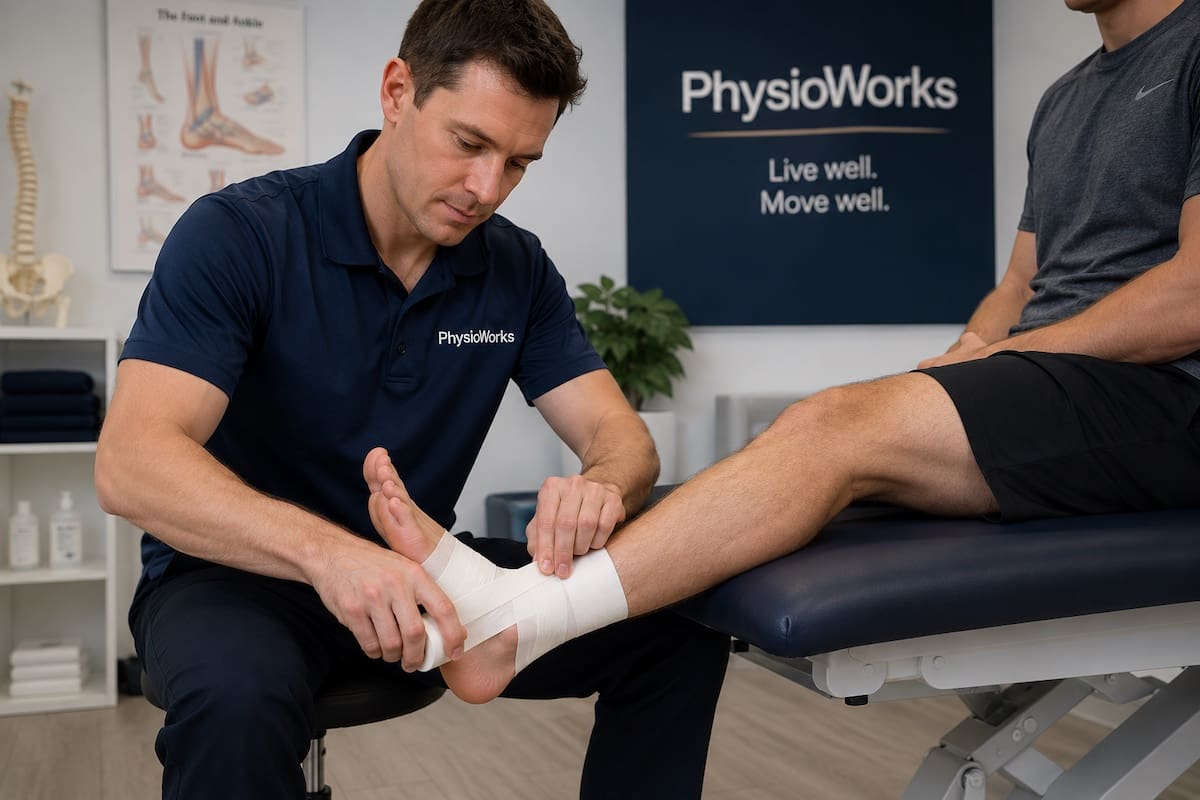
Ankle strapping may help support an ankle that feels sore, loose, or at risk of rolling during sport. It is often used with supportive taping and strapping, balance work, strength training and load control.
If your ankle has twisted, swollen, or started “giving way”, start with the ankle pain guide. A sprained ankle often needs more than tape. Good care usually includes graded loading, balance work and a clear plan for return to sport.
Ankle Strapping At A Glance
- Main role: short-term support for ankle control during sport.
- Common use: return to sport after a lateral ankle sprain.
- Best paired with: strength, balance and landing-control rehab.
- Remove tape and check: numbness, tingling, colour change or throbbing.
What Is Ankle Strapping?
Ankle strapping is a taping method used to limit excess ankle motion. It often aims to reduce inward rolling after a lateral ankle sprain.
The goal is simple. Tape gives short-term support during walking, training, jumping, landing and change-of-direction sport. It may also help you feel more confident while ankle strength and balance improve.
When Can Ankle Strapping Help?
Ankle strapping may help when the ankle feels unstable, swollen, or at risk during sport. It may reduce excess inward roll and support safer motion while tissues heal.
It is commonly used after lateral ankle sprains, during return to training, or for people with chronic ankle instability.
Ankle strapping may help when you:
- have a recent ankle sprain and need short-term support
- feel the ankle may roll during cutting, jumping or landing
- have repeat ankle sprains during football, netball, basketball, hockey or court sport
- want extra support while building ankle strength and balance
Signs Ankle Strapping May Be Useful
- repeat ankle rolling during sport
- low trust on rough ground
- support during return to matches or training
- short-term help while strength and balance improve
What Tape Is Best For Ankle Strapping?
Most ankle strapping uses rigid strapping tape. Rigid tape gives firmer control than stretch tape. A 38 mm roll suits many ankles. A 50 mm roll may suit larger ankles or bigger builds.
Some physios add a light elastic over-wrap to secure the tape and provide mild pressure. If you are checking tape types, see our guide to kinesiology tape vs rigid tape. In some cases, an ankle brace may be easier if you need support many times each week.
How Do You Strap An Ankle Properly?
Good ankle strapping should feel firm and supportive, not too tight. The aim is to control excess motion while still letting you move and load the ankle safely.
Before applying tape, make sure the skin is clean and dry. Avoid taping over cuts, rash, fragile skin or known tape allergy. Check blood flow once the tape is on.
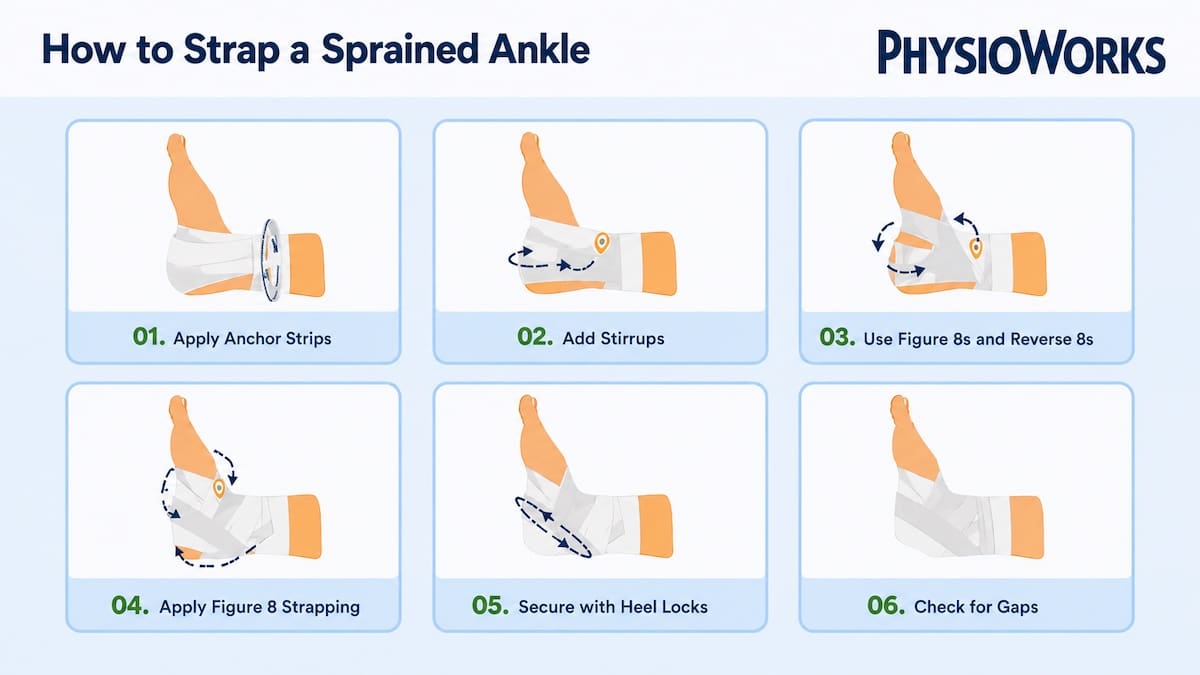
1. Apply anchors and stirrups
Start with anchor strips above the ankle joint. Then place stirrups in a U-shape from the inside to the outside of the ankle. This forms the base support and starts to limit excess inward rolling.
2. Add figure-6 support
Use one or two figure-6 strips around the foot and ankle. This pattern is often the key support layer for people who tend to roll the ankle during sport.
3. Add a heel lock
A heel lock helps improve rearfoot control. It can make the strapping feel more secure during cutting, landing and change-of-direction moves.
4. Secure the tape comfortably
Finish by smoothing and securing the tape. The tape should feel firm, not tight. If you feel numbness, tingling, throbbing or colour change, remove it and reapply with less tension.
Tape Safety Check
- Check toes for normal colour and warmth after taping.
- Remove the tape if the foot feels numb, cold, tingly or painful.
- Avoid tape over cuts, rash, fragile skin or known tape allergy.
- Use strapping for the sport, then remove it afterwards.
Is Ankle Strapping Better Than An Ankle Brace?
Ankle strapping is not always better than an ankle brace. Strapping gives a custom fit and can feel more precise for one session or match. Braces are faster to apply, reusable and often easier if you need support many times each week.
Many people use strapping early after a sprain, then shift to bracing or no external support as control improves. Your best option depends on your sport, skin tolerance, sprain history, support needs and rehab stage.
Ankle Strapping, Bracing Or Rehab?
| Ankle strapping | Useful for short-term support during sport, training and return-to-sport checks. |
| Ankle brace | Useful when you need repeat support, quick use or less skin irritation from tape. |
| Rehab drills | Useful for strength, balance, landing control and reducing repeat ankle sprain risk. |
Does Ankle Strapping Prevent Sprains?
Ankle strapping may reduce some risky ankle motion during sport. It can also improve trust after a sprain. Still, tape does not replace a full rehab plan.
Exercise-based rehab is important after an ankle sprain because it helps rebuild balance, strength and control. This is why prevention plans often include hopping, balance drills, calf strength and sport-specific landing practice. For more detail, see our guide to ankle sprain prevention.
When Not To Strap An Ankle
Do not keep playing just because tape makes the ankle feel more secure. Tape can hide symptoms while the sprain still needs care.
- severe pain, marked swelling or bruising after a twist
- pain with weight-bearing or walking
- numbness, pins and needles, or cold toes
- suspected fracture, tendon tear or high ankle sprain
- known tape allergy, rash, broken skin or fragile skin
When Should You See A Physio?
See a physio if your ankle keeps swelling, rolling, or feeling unsafe during sport. Also book an assessment if pain changes your walking, running, jumping or trust.
A physio can assess the sprain, apply safe taping where helpful, and guide your return to training. They may also help you decide whether strapping, bracing, drill progress, or further review is the right next step.
Related Ankle Support Guides
- Sprained ankle – symptoms, treatment and recovery planning.
- Chronic ankle instability – repeat rolling and ongoing ankle control problems.
- High ankle sprain – syndesmosis sprain signs and treatment options.
- Ankle sprain prevention – balance, strength and sport control ideas.
- Kinesiology tape vs rigid tape – how tape types differ.
FAQs About Ankle Strapping
Should you strap an ankle for sport after a sprain?
Many people use ankle strapping for matches or high-risk training after a sprain, especially during return to sport. It may improve trust and reduce excess rolling. Still, it works best as short-term support while you rebuild strength, balance and landing control.
Is ankle strapping better than an ankle brace?
Ankle strapping and ankle braces can both help. Strapping gives a session-specific fit and may feel secure for some athletes. Braces are reusable and quicker to put on. The better option depends on your sport, comfort, sprain history, skin tolerance and support needs.
How long should you keep ankle strapping on?
Most people keep ankle strapping on for the training session, game, or short sport period it was applied for. It is usually removed afterwards. Remove it sooner if your foot becomes numb, tingly, cold, discoloured, or more painful.
What tape is best for ankle strapping?
Rigid sports tape is usually the best choice for ankle strapping because it provides firm support. A 38 mm roll suits many ankles. A 50 mm roll may suit larger ankles or bigger builds. Elastic tape may help as an over-wrap, but it gives less motion control on its own.
Can ankle strapping stop repeated ankle rolling?
Ankle strapping may reduce repeat ankle rolling during sport by limiting excess inward roll and improving motion awareness. Still, it does not fix the whole problem by itself. Recurrent sprains often need strength work, balance training and a graded return to running and jumping.
When should a physio strap your ankle?
A physio may recommend ankle strapping when you have a recent sprain, feel unstable during sport, or need short-term support while returning to sport. They can also help you decide when rehab should take priority over ongoing strapping.
What To Do Next
If your ankle feels unstable, painful or hard to trust during sport, book a physio appointment. Your physio can assess the ankle, apply tape if suitable, and build a rehab plan that matches your sport and goals.
They can also help you decide whether ankle strapping, bracing, drill progress, or a different treatment plan is the best next step.
Choose your clinic and appointment pathway
Select a PhysioWorks clinic to continue to live booking, an appointment request or reception assistance.
Ankle Products
These ankle products are commonly used by our physiotherapists to improve ankle pain, strength, balance, proprioception, endurance and flexibility, plus assist home exercise programs.
-
-
-
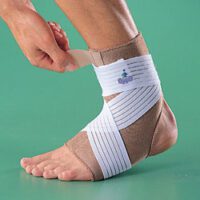 Ankle, Braces & Supports, Clearance Sale
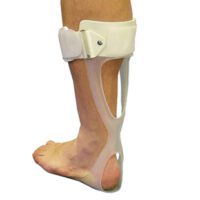
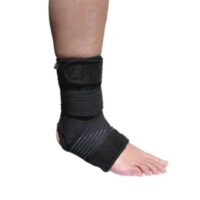
Ankle Support with Strap – OPPO 1003
$42.00Select optionsQuick View -


-
- Liniments & Gels, Massage Liniments, Pain Management
Fisiocrem
$16.95 – $39.95Select optionsQuick View - EMS Machines, Pain Management, TENS Machine, TENS Machine & EMS
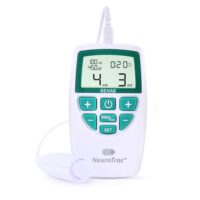
NeuroTrac Rehab (TENS Machine + EMS)
$285.00Add to cartQuick View -
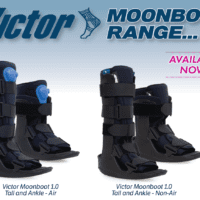
 Ankle, Braces & Supports, Foot, Walking
Victor Moonboot 1.0 Air or No Air
$77.00 – $79.00Select optionsQuick View -
-
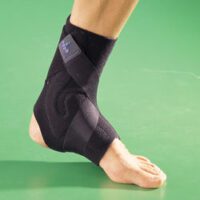 Ankle, Braces & Supports, Foot
Ankle Support with Plastic Stay – OPPO 1109
$52.00Select optionsQuick View -
-

-
-
-
-





References
- Martin RL, Davenport TE, Fraser JJ, et al. Ankle Stability and Movement Coordination Impairments: Lateral Ankle Ligament Sprains Revision 2021. J Orthop Sports Phys Ther. 2021;51(4):CPG1-CPG80. doi:10.2519/jospt.2021.0302
- Gaddi D, Mosca A, Piatti M, et al. Acute Ankle Sprain Management: An Umbrella Review of Systematic Reviews. Front Med (Lausanne). 2022;9:868474. doi:10.3389/fmed.2022.868474
- Wagemans J, Bleakley C, Taeymans J, et al. Exercise-based rehabilitation reduces reinjury following acute lateral ankle sprain: A systematic review update with meta-analysis. PLoS One. 2022;17(2):e0262023. doi:10.1371/journal.pone.0262023
- Utku B, Bähr G, Knoke H, et al. The effect of fresh and used ankle taping on lower limb biomechanics in sports specific movements. J Sci Med Sport. 2024;27(11):772-778. doi:10.1016/j.jsams.2024.07.002
