
Retrocalcaneal Bursitis
Retrocalcaneal bursitis causes pain at the back of the heel where a small bursa sits between the heel bone and the Achilles tendon. Assessment can help separate bursa irritation from Achilles tendon pain and other causes of heel pain.


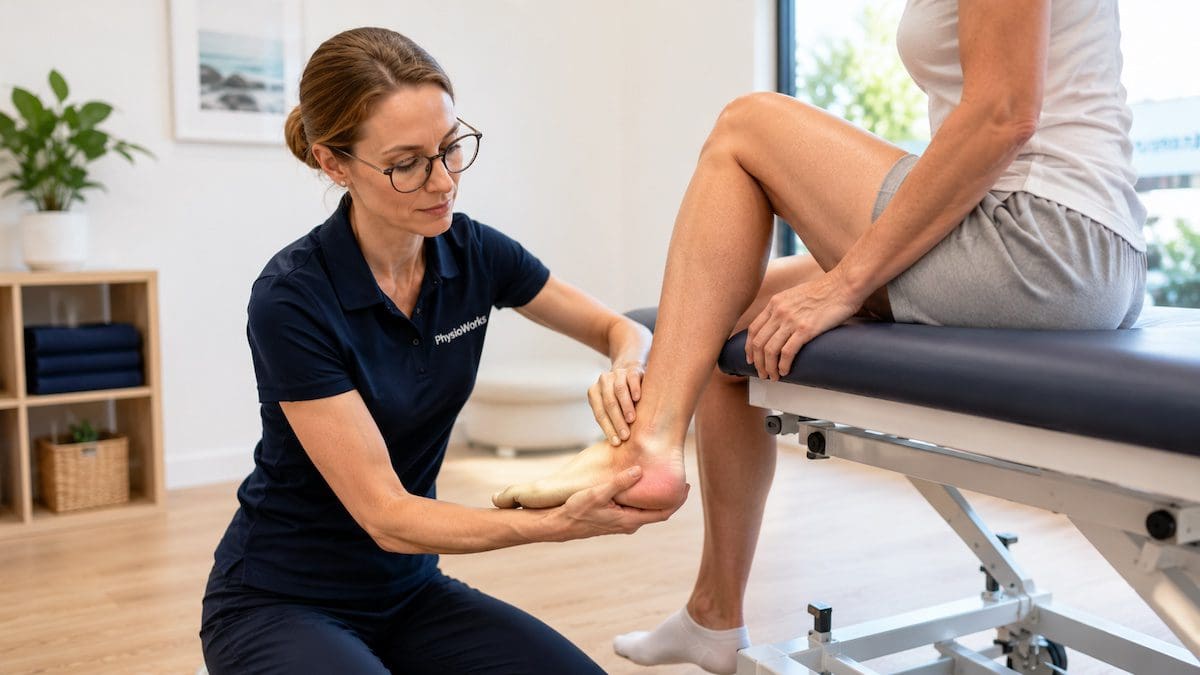
A physiotherapist assesses the Achilles insertion and posterior heel to identify retrocalcaneal bursa irritation.
What Is Retrocalcaneal Bursitis?
A bursa is a small fluid-lined structure that helps nearby tissues glide. The retrocalcaneal bursa lies deep at the back of the heel, between the heel bone and the front of the Achilles tendon.
Repeated compression or a sudden increase in heel load can irritate this bursa. The problem may occur alone, but it can also overlap with insertional Achilles tendinopathy or a prominent upper heel bone, often called a Haglund prominence.
Retrocalcaneal bursitis is different from superficial heel bursitis. The superficial bursa sits between the skin and Achilles tendon. A firm shoe counter may rub this outer bursa directly, while the deeper retrocalcaneal bursa is compressed between the tendon and heel bone. Both areas can become sore at the same time.
What Does Retrocalcaneal Bursitis Feel Like?
Symptoms vary, and no single symptom confirms the diagnosis. Common features include:
Pain location
Deep pain at the back of the heel, usually just in front of the Achilles tendon insertion.
Load sensitivity
Pain with uphill walking, stairs, running, jumping, calf raises or deep ankle bending.
Local irritation
Tenderness and sometimes swelling around the sides of the Achilles insertion or back of the heel.
Some people notice stiffness when they first stand or walk. Firm-backed footwear may also aggravate symptoms, although direct rubbing at the skin level may point more towards superficial heel bursitis.
What Causes Retrocalcaneal Bursitis?
The bursa usually becomes irritated when its recent load exceeds its current tolerance. Contributing factors may include:
-
a rapid increase in walking, running, hills, stairs or jumping;
-
repeated deep ankle dorsiflexion that compresses the tissues at the back of the heel;
-
firm or poorly fitting shoe counters;
-
reduced calf strength or a sudden return to sport;
-
an associated Haglund prominence or insertional Achilles tendon change; and
-
less commonly, an inflammatory condition such as rheumatoid arthritis, gout or a spondyloarthritis.
The presence of one factor does not prove the cause. Assessment should consider your symptoms, recent activity changes, footwear, medical history and the capacity of the whole lower limb.
What Else Can Feel Like Retrocalcaneal Bursitis?
Several conditions can cause pain in a similar area. The most useful distinctions are practical rather than absolute because more than one structure may be involved.
-
Insertional Achilles tendinopathy: pain and stiffness are usually centred in the tendon attachment and increase with calf loading. It commonly overlaps with bursa irritation.
-
Superficial heel bursitis: pain and swelling sit closer to the skin and are often aggravated by direct shoe-counter rubbing.
-
Haglund-related compression: a bony prominence at the upper back of the heel may increase local pressure. The prominence itself does not always cause pain.
-
Calcaneal stress injury: heel-bone pain may progressively worsen with weight-bearing activity and needs timely assessment, particularly after a sharp increase in training.
-
Plantar heel pain: plantar fasciitis usually causes pain under the heel rather than deep behind it. A heel spur on an X-ray does not automatically identify the painful structure.
How Is Retrocalcaneal Bursitis Diagnosed?
Diagnosis usually starts with a clinical assessment. Your physiotherapist may review pain location, swelling, walking pattern, ankle movement, calf strength, footwear and recent changes in activity. The assessment also checks the Achilles tendon and screens for other causes of heel pain.
A scan is not always required at the first appointment. Ultrasound can show the bursa and Achilles tendon, while an X-ray may help identify a bony prominence or another bone-related concern. MRI may be considered when symptoms remain unclear, a more serious condition is suspected or treatment is not progressing as expected.
Scan findings need clinical context. A prominent heel bone, bursal fluid or tendon change may be present without being the main source of pain.
Retrocalcaneal Bursitis Treatment
Treatment should match the structures involved, symptom severity and your goals. Most people start with non-surgical care. Complete rest is rarely the long-term answer, but temporarily reducing the most aggravating load can help settle a sensitive heel.
Phase 1: Settle Irritation and Reduce Compression
Early management may include reducing hills, running, jumping or repeated deep ankle bending. Softer-backed footwear, loosening the shoe counter or a short-term heel lift may reduce local pressure for some people. A clinician should check that any insert suits both sides and does not create another problem.
Ice may provide short-term comfort when the area feels hot or sore. If you are considering anti-inflammatory medicine, ask your GP or pharmacist whether it is appropriate for your health and current medicines.
Phase 2: Restore Movement and Calf Capacity
Rehabilitation may begin with comfortable ankle movement and calf exercises performed within a tolerable range. The program can then progress from supported calf raises to heavier or single-leg work as symptoms allow. Foot, knee and hip strength may also matter for walking, running and sport.
Avoid forcing deep calf stretches or dropping the heel below a step when these movements increase pain at the Achilles insertion. Evidence for reduced-compression rehabilitation applies to insertional Achilles tendinopathy, not isolated bursitis, but it is relevant when the tendon and bursa are both involved.
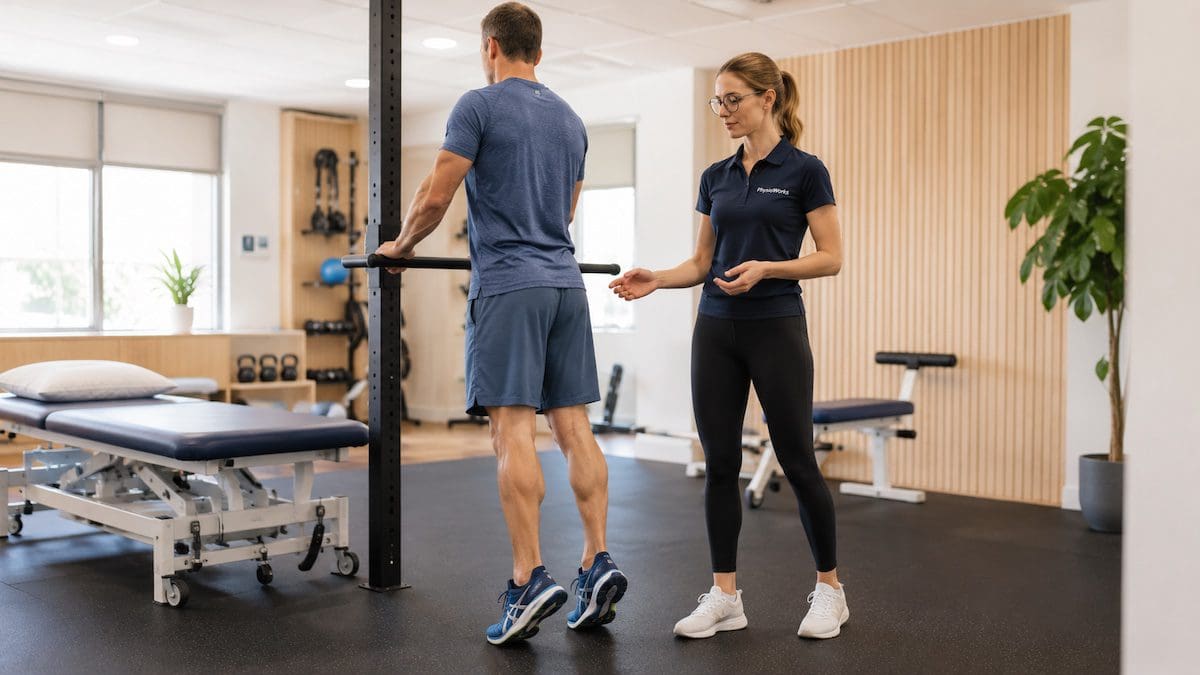
Progressive calf strengthening can improve Achilles and heel load tolerance when it is matched to symptoms.
Phase 3: Rebuild Walking, Running and Sport Tolerance
The next step is to increase walking distance, hills, speed and impact gradually. Runners may progress from flat walking to walk-jog intervals before adding sustained running, hills or faster work. Jumping athletes need a staged return to hopping, landing and sport-specific drills.
Your response later that day and the next morning helps guide progression. A small, short-lived symptom increase may be acceptable, but a clear rise that does not settle suggests the last increase was too large.
How Long Does Retrocalcaneal Bursitis Take to Improve?
There is no reliable fixed recovery time. Recent, mild irritation may begin to improve within several weeks. Longstanding symptoms, insertional Achilles involvement, inflammatory disease or persistent bony compression can take several months.
Progress is usually judged by better walking tolerance, less next-morning pain, improving calf strength and a gradual return to normal activity. Review is sensible when symptoms are worsening, repeatedly returning or not changing despite an appropriate plan.

Gradual walking progressions help rebuild heel load tolerance after retrocalcaneal bursitis.
Do Injections or Surgery Help?
An injection is not usually the first step. Image-guided corticosteroid injection may reduce pain in some people over the short term. In a 2021 cohort of 218 image-guided retrocalcaneal bursa injections, 63% recorded a good or excellent short-term pain response. Achilles rupture was reported after 1.8% of injections, with each rupture preceded by a later acute injury. The study does not prove that the injection caused those ruptures, but it supports careful medical selection, image guidance and post-injection load advice.
Surgery is uncommon for isolated bursitis. A foot and ankle surgeon may consider it when substantial symptoms persist despite an adequate course of non-surgical care, particularly when a Haglund prominence or significant Achilles tendon disease is also present. Options and recovery depend on which structures require treatment.
Retrocalcaneal Bursitis FAQs
Is retrocalcaneal bursitis the same as Achilles tendinopathy?
No. Retrocalcaneal bursitis affects the bursa between the heel bone and Achilles tendon. Achilles tendinopathy affects the tendon itself. They can occur together, so assessment should identify whether the bursa, tendon or both are contributing.
Can shoes make retrocalcaneal bursitis worse?
Yes. A firm or poorly fitting heel counter can increase pressure around the back of the heel. Softer-backed footwear, loosening the heel counter or a short-term heel lift may help some people, but footwear changes should match the painful structure.
Should I stop walking if I have retrocalcaneal bursitis?
Not always. You may need to reduce distance, hills, speed or other aggravating loads for a period. Keep activity within a level that settles reasonably and does not cause a clear, lasting increase later that day or the next morning.
Can retrocalcaneal bursitis come back?
Yes. Symptoms can return if heel load rises faster than capacity or if footwear compression continues. A gradual return to activity, adequate calf strength and attention to recurring triggers may reduce the chance of another flare.
Will I need an injection or surgery?
Most people start with load adjustment, footwear changes and progressive rehabilitation. Injection requires careful medical consideration because of the nearby Achilles tendon. Surgery is usually reserved for persistent cases with a relevant structural or tendon problem.
When should I get retrocalcaneal bursitis checked?
Arrange an assessment when pain limits walking or sport, keeps returning, is worsening or is not improving with sensible changes. Seek urgent medical care after a sudden pop or injury with loss of push-off, inability to bear weight, rapid swelling, fever or marked redness and heat.
What to Do Next
-
Reduce the main irritant
Temporarily adjust the activity, footwear or ankle position that clearly increases symptoms.
-
Clarify the painful structure
Arrange an assessment if pain is limiting, recurrent or unclear so the bursa, Achilles tendon and heel bone can be considered together.
-
Rebuild capacity progressively
Use a staged calf, walking and sport program rather than repeatedly testing the heel with sudden load increases.
Choose your clinic and appointment pathway
Select a PhysioWorks clinic to continue to live booking, an appointment request or reception assistance.
Muscle & Soft Tissue Products
These muscle and soft tissue products are commonly used by our physiotherapists to relax or loosen muscles, improve strength, comfort, flexibility, and home exercise programs.
-
-
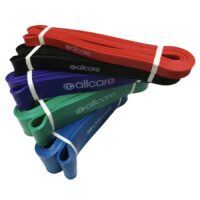
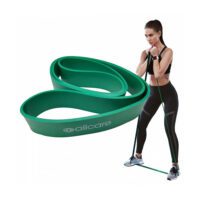 Exercise Equipment, Resistance Band
AllCare Powerloop Bands
$22.00 – $65.00Select optionsQuick View -
-
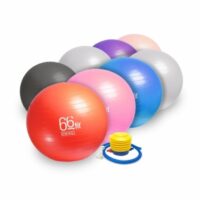
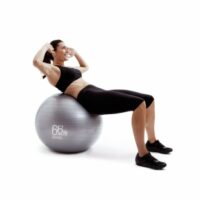 Exercise Balls, Back, Exercise Equipment, Knee, Shoulder
66fit Exercise Balls | Core & Rehab Stability Ball
$32.00 – $57.00Select optionsQuick View -
- Liniments & Gels, Massage Liniments, Pain Management
Fisiocrem
$16.95 – $39.95Select optionsQuick View -
-
- Exercise Equipment, Resistance Band
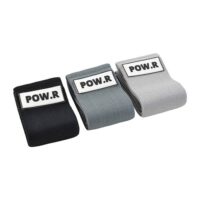
POW.R Wide Fabric Loop Resistance Band
$14.95 – $49.95Select optionsQuick View -
-
- EMS Machines, Pain Management, TENS Machine, TENS Machine & EMS
NeuroTrac Rehab (TENS Machine + EMS)
$285.00Add to cartQuick View -
-
-
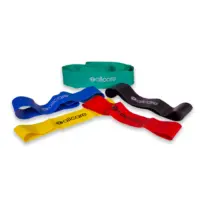
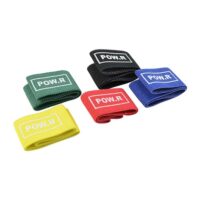 Exercise Equipment, Knee, Resistance Band
POW.R Fabric Mini Loop Bands
$12.00 – $55.00Select optionsQuick View



References
- Healthdirect Australia. Bursitis. Healthdirect Australia. Reviewed July 2025.
- Choo YJ. Rearfoot disorders and conservative treatment: a narrative review. Annals of Palliative Medicine. 2020;9(5):3546–3557. doi:10.21037/apm-20-446.
- Boone SL, et al. Safety and efficacy of image-guided retrocalcaneal bursa corticosteroid injection for the treatment of retrocalcaneal bursitis. Skeletal Radiology. 2021;50(12):2471–2482.
- Pringels L, Capelleman R, Van den Abeele A, et al. Effectiveness of reducing tendon compression in the rehabilitation of insertional Achilles tendinopathy: a randomised clinical trial. British Journal of Sports Medicine. 2025;59(9):640–650. doi:10.1136/bjsports-2024-109138.
- Medina Pabón MA, Bergman R, Naqvi U. Achilles Tendinopathy. StatPearls. Updated 8 June 2026.
- Yuen WLP, Tan PT, Kon KKC. Surgical Treatment of Haglund’s Deformity: A Systematic Review and Meta-Analysis. Cureus. 2022;14(7):e27500. doi:10.7759/cureus.27500.
