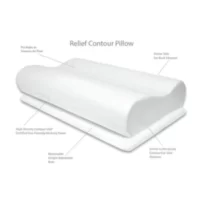

Pillow height can influence night pain and comfort.
Sleep therapy for pain management uses practical sleep strategies to help your body and nervous system cope better with pain. When sleep is poor, pain often feels worse. Recovery can also feel slower, and normal daily tasks may become harder.
If pain keeps waking you, start with simple steps. Improve your sleep routine, review your pillow, pace your activity, and choose a position that reduces strain. Our guide to sleeping positions for back and neck pain may help if pain is worse overnight.
Poor sleep and pain often feed each other. Pain can make sleep harder. Poor sleep can then increase pain sensitivity, fatigue and stress the next day. Sleep therapy focuses on calming this cycle with better routines, positioning, pacing, relaxation and treatment of the pain problem where needed.
Sleep therapy for pain management is a group of strategies that aim to improve sleep when pain disrupts rest. It may include sleep education, habit changes, relaxation methods, pacing advice, better positioning and treatment of the painful area.
It is not a single treatment. Instead, it helps you build a routine that supports recovery, reduces night-time flare-ups and makes daily activity easier to manage.
Sleep helps your body restore energy, regulate stress and settle the nervous system. When sleep breaks often, your pain threshold may drop. Small movements, normal pressure or daily tasks can then feel harder than usual.
This is why ongoing pain and poor sleep often travel together. The goal is not only to “sleep more”. It is to reduce the pain-sleep cycle so your body has a better chance to recover.
Pain can make it harder to fall asleep, stay asleep or find a comfortable position. Then, poor sleep may increase pain sensitivity the next day. It can also affect mood, energy and concentration.
This cycle may occur with problems such as back pain, neck pain, arthritis, chronic pain, fibromyalgia or post-injury pain. A physiotherapist may help by assessing the pain source and building a plan that supports both movement and rest.
Your sleep environment matters. A cooler, darker and quieter room often supports better rest. Comfortable bedding, a supportive pillow and reduced light can also help.
Small changes are worthwhile when pain already makes sleep difficult. If your pillow feels unsupportive, you may also like our pillow support guide.
Physiotherapy may help when pain is one of the main reasons your sleep is poor. Your physiotherapist can assess the painful area, discuss sleep positions and guide a plan to improve movement, strength and daily function.
Helpful tools may include activity pacing, mobility work, strengthening, heat, hands-on care where suitable, or options such as a TENS machine for pain relief when appropriate.
Consider professional advice if pain wakes you most nights, sleep remains poor for several weeks, symptoms are worsening, or tiredness affects work, driving or daily life.
A physiotherapist can assess musculoskeletal contributors. Your doctor can also check broader sleep or health issues if symptoms do not fit a simple pain pattern.
Sleep therapy for pain management uses practical strategies to improve sleep when pain interrupts rest. It may include sleep education, better sleep habits, relaxation, pacing, comfortable positioning and treatment of the painful area.
Yes. Poor sleep can increase pain sensitivity and make normal activity feel harder. Many people also notice lower energy, more irritability and slower recovery after broken sleep.
Pain can make it harder to fall asleep, stay asleep or find a comfortable position. Back pain, neck pain, arthritis and persistent pain can all disturb sleep and increase fatigue the next day.
Helpful habits include a regular bedtime, less screen use before bed, a supportive pillow, comfortable positioning, gentle wind-down routines and suitable daily activity.
Extra rest may help during short flare-ups, but complete rest can increase stiffness for some people. A balanced plan usually works better. This may include gentle movement, pacing and calm sleep routines.
Book an assessment if pain regularly wakes you, symptoms are worsening, or poor sleep affects your daily function. A physiotherapist can assess pain drivers and suggest practical next steps.
If pain is affecting your sleep, start with one or two simple changes rather than trying everything at once. Adjust your position, keep a regular routine and pace your activity during the day.
If symptoms keep waking you, a PhysioWorks physiotherapist can assess the pain source and guide a plan that supports both sleep and recovery.
Select a PhysioWorks clinic to continue to live booking, an appointment request or reception assistance.