
Spinal Physiotherapy



Spinal Physiotherapy may help if you have neck pain, mid-back pain, lower back pain, or symptoms that spread into your arm, buttock, or leg. Because the spine links closely with your joints, muscles, discs, ligaments, and nerves, symptoms can vary from mild stiffness to more complex pain. This page gives you a practical overview of common spinal problems and links you to more specific pages such as neck pain, thoracic pain, and lower back pain.
Some people develop spinal pain after lifting, sport, long hours sitting, repetitive work, a sudden twist, poor sleep, or a gradual build-up of load. Others notice symptoms linked to conditions such as bulging disc, sciatica, spinal stenosis, or sacroiliac joint pain (SIJ). The right starting point is working out what pattern best matches your symptoms and how irritable the area is.
Common spinal symptoms may include:
- neck, upper back, or lower back pain
- pain with bending, lifting, sitting, or standing
- stiffness first thing in the morning or after rest
- pain spreading into the arm, buttock, or leg
- reduced confidence with work, sport, or exercise
What Is Spinal Physiotherapy?
Spinal Physiotherapy focuses on assessing and managing pain, stiffness, mobility loss, nerve irritation, and movement problems affecting the neck, thoracic spine, lower back, and nearby joints. A physiotherapist looks at how your symptoms behave, what movements aggravate them, whether nerves are involved, and which treatment approach best suits your current stage.
What Does Spinal Physiotherapy Help With?
Spinal Physiotherapy may help people with spinal pain, stiffness, reduced mobility, postural overload, nerve irritation, and problems returning to work, exercise, or sport. It can also help when pain keeps recurring or when symptoms start spreading into the arm, buttock, or leg. The aim is to reduce pain, improve movement, and build confidence with everyday activity again.
Common Causes of Spinal Pain
Spinal pain often comes from a mix of factors rather than one single structure. Common contributors include muscle strain, joint irritation, disc-related pain, postural overload, reduced strength, repetitive work, poor load management, previous injury, and reduced recovery. In some cases, symptoms may also relate to specific conditions such as lumbar facet joint pain, scoliosis, osteoporosis, or inflammatory spinal problems.
How Can Spinal Physiotherapy Help?
Spinal physiotherapy usually starts with a clear assessment, then builds a plan around pain relief, movement improvement, confidence, and gradual return to normal activity. Treatment may include hands-on therapy, specific exercises, posture and movement advice, pacing strategies, strength work, and education about what is safe to do. Research and recent guidelines support exercise, education, and a tailored active plan for many spinal pain presentations.
A structured rehabilitation program and sensible load management can be important parts of spinal physiotherapy, especially when you are trying to return safely to work, the gym, running, or sport.
If you want a general public overview of spinal disorders and back problems, Healthdirect provides useful background information on spinal disorders.
When Should You Seek Spinal Physiotherapy?
You should consider Spinal Physiotherapy when spinal pain is not settling, keeps returning, limits work or exercise, or starts spreading into your arm or leg. Early assessment can also help if you are unsure whether the problem is muscular, joint-related, disc-related, or nerve-related.
What Does a Spinal Assessment Involve?
Your assessment usually includes a discussion about symptom behaviour, pain location, aggravating movements, daily function, work, sport, sleep, and previous injuries. A physiotherapist may then assess posture, spinal movement, joint stiffness, muscle strength, flexibility, balance, nerve signs, and movement control. This helps identify whether the main driver is likely to be a mobility issue, overload problem, nerve irritation, or a condition needing further review.
Common Spinal Conditions We Treat
PhysioWorks manages a wide range of spinal presentations. You can read more about specific topics here:
Frequently Asked Questions
What conditions does spinal physiotherapy treat?
Spinal physiotherapy may help with neck pain, thoracic pain, lower back pain, sciatica, disc-related pain, joint stiffness, muscle strain, postural pain, and some nerve-related symptoms. The exact treatment plan depends on the tissue involved, how long symptoms have been present, and which movements or positions aggravate your pain.
Do I need spinal physiotherapy for lower back pain?
Many people with lower back pain benefit from spinal physiotherapy, especially if pain keeps returning, affects work or sleep, or limits movement and exercise. A physiotherapist can help work out whether your pain pattern fits muscle strain, joint irritation, disc-related pain, or another spinal condition and then guide the right treatment approach.
Can spinal physiotherapy help neck pain?
Yes. Spinal physiotherapy commonly helps neck pain by improving movement, reducing stiffness, building strength, and identifying aggravating habits or positions. Treatment often combines hands-on care, exercise, workstation advice, and movement retraining. It may also help related symptoms such as headaches, upper back pain, or pain referring into the arm.
What happens at a spinal physiotherapy appointment?
A spinal physiotherapy appointment usually includes a discussion about your symptoms, followed by movement testing, strength checks, and assessment of joint, muscle, and nerve function. Your physiotherapist will then explain the likely cause of your symptoms, what to avoid or continue, and how treatment may help improve pain, mobility, and confidence.
How many spinal physiotherapy sessions will I need?
The number of sessions varies with the cause of your pain, how long it has been there, and how quickly your body responds to treatment. Some simple flare-ups improve quickly, while persistent or nerve-related symptoms often need a more staged plan with exercise progression, load management, and review over several weeks.
When should spinal pain be checked urgently?
Seek urgent medical attention if spinal pain follows major trauma, causes marked weakness, saddle numbness, changes to bladder or bowel function, fever, unexplained weight loss, or severe night pain that does not settle. These patterns are less common, but they deserve prompt medical review rather than routine physiotherapy management alone.
What to Do Next
If your symptoms are mild, start by staying gently active, avoiding complete rest, and noting which movements ease or aggravate your pain. If symptoms persist, keep returning, or spread into your arm or leg, a physiotherapy assessment can help identify the likely source and give you a structured plan.
At PhysioWorks, spinal physiotherapy may include assessment, pain relief strategies, movement advice, exercise progression, and return-to-work or return-to-sport planning. You can also browse our broader back pain resources or learn more about physiotherapy if you are unsure which service fits you best.
Choose your clinic and appointment pathway
Select a PhysioWorks clinic to continue to live booking, an appointment request or reception assistance.
Back Support Products
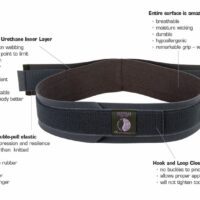
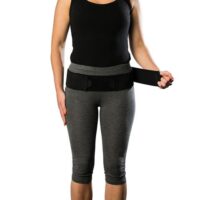
These back support products are commonly used by our physiotherapists to help reduce back pain, improve comfort, and support your recovery at home.
-
-

 Back, Braces & Supports, Maternity, Posture
Pregnancy Belly Band & C-Section 3-in-1
$94.99Select optionsQuick View - Braces & Supports, Back, Maternity, SIJ
AOM38 AllCare Ortho Core Stability Belt
$49.95Select optionsQuick View -
-
 Back, Braces & Supports, Maternity, Posture
Maternity Back Support – OPPO 2062
$60.00 – $64.00Select optionsQuick View -


-
 Back, Braces & Supports, Maternity, SIJ
Core Stability Support – OPPO 3462
$54.00Select optionsQuick View -
 Braces & Supports, Back, Maternity, SIJ
Maternity Support Belt – OPPO 4062
$37.00Select optionsQuick View



References
- Zhou T, Lin CW, van Tulder M, et al. Recent clinical practice guidelines for the management of low back pain: a global comparison. Spine J. 2024.
- Corp N, Mansell G, Stynes S, et al. Evidence-based treatment recommendations for neck and low back pain across Europe: a systematic review of guidelines. Eur J Pain. 2021;25(2):275-295.
- Hayden JA, Ellis J, Ogilvie R, Stewart SA, Bagg MK, Stanojevic S. Exercise therapy for chronic low back pain. Cochrane Database Syst Rev. 2021;9(9):CD009790.
