
Pulled Back Muscle
Pulled Back Muscle


Assessing lower back movement after a possible muscle strain.
A pulled back muscle is a common description rather than a precise diagnosis. It often refers to a strain, overload or protective spasm involving the muscles and other soft tissues around the spine. Symptoms can include local pain, tightness, stiffness or a locked feeling after lifting, twisting, sport, coughing, gardening or gym training.
Many episodes settle with sensible movement, temporary changes to aggravating loads and a gradual return to normal activity. However, similar symptoms can occur with other back pain conditions, including lumbar facet joint pain, disc-related pain and sciatica. A clinical assessment can help identify the most likely source and guide appropriate next steps.
Australia’s Low Back Pain Clinical Care Standard supports clear advice, safe activity and timely review when symptoms are severe or are not improving.
Typical pattern
Local pain, muscle guarding and discomfort with bending, lifting, twisting, standing up or rolling in bed.
What often helps
Short walks, regular position changes, comfortable movement and a gradual return to normal activity.
Arrange assessment
Seek review when symptoms are severe, worsening, travelling into the leg, disturbing sleep or not improving as expected.
What Is a Pulled Back Muscle?
The term pulled back muscle usually describes pain involving the lumbar muscles, fascia or muscle-tendon tissues around the spine. These tissues help you bend, rotate, stand upright, brace, lift and transfer load between your trunk and hips.
An episode may involve minor muscle fibre irritation, overload of a soft-tissue attachment or protective muscle guarding after a sudden movement. Pain can feel intense, but the severity of pain does not necessarily indicate the amount of tissue damage.
Common signs of a back muscle strain
- Local pain on one side or across the lower back.
- Muscle tightness, spasm, cramping or a seized-up feeling.
- Pain with bending, lifting, twisting, coughing or changing position.
- Difficulty standing upright, walking normally or rolling in bed.
- Tenderness around the sore muscle area.
What Does a Pulled Back Muscle Feel Like?
A pulled back muscle may feel sharp at first and then become tight, aching, stiff or guarded. Some people feel a sudden grab while lifting or twisting. Others notice pain later after repeated bending, prolonged sitting, physical work or returning to exercise.
Symptoms may feel worse after rest, first thing in the morning or during sudden movements. They may ease after a short walk, gentle movement or a change of position.
Pain that travels into the leg, particularly when accompanied by pins and needles, numbness or weakness, may involve a spinal nerve rather than a straightforward muscle strain.
Why Does the Back Feel Tight or Locked?
Your nervous system may increase muscle activity around a painful area as a protective response. This guarding can temporarily restrict movement and make the back feel tight, stiff or locked.
Comfortable movement and graded exercise can help restore movement as symptoms settle. The aim is not to force the back to loosen. Instead, increase movement progressively within a manageable range.
Could It Be Something Other Than a Muscle Strain?
Several back conditions can produce pain that initially feels muscular. The pattern can provide useful clues, although an assessment may be needed when symptoms are severe, persistent or unclear.
Muscle or soft-tissue pattern
Local pain, tenderness, tightness or spasm may change with bending, lifting, twisting or getting up. Symptoms commonly remain around the lower back rather than travelling well down the leg.
Lumbar facet joint pattern
Pain may be more one-sided and can increase with arching backwards, twisting, prolonged standing or loading one side.
Possible disc-related pattern
Symptoms may increase with sitting, repeated bending, coughing or lifting. Disc-related pain may stay in the back or extend into the buttock.
Possible nerve involvement
Pain travelling into the leg with pins and needles, numbness or weakness may indicate irritation of a spinal nerve and warrants clinical assessment.
What Commonly Causes a Pulled Back Muscle?
A back muscle strain may occur when a sudden or repeated load exceeds the tissue’s current capacity. This can happen during one obvious event or after physical stress builds over time.
- Heavy lifting, particularly with the load held away from the body.
- Twisting while lifting, carrying, gardening or getting out of a car.
- Repeated bending or awkward work positions.
- Returning to the gym, sport or yard work too quickly after a break.
- Reduced strength or endurance through the trunk, hips and legs.
- Fatigue, poor sleep, stress or limited recovery between demanding activities.
A painful episode does not necessarily mean that your back is weak or seriously damaged. Sometimes the recent activity simply exceeded what your back was ready to tolerate at that time.
How Is a Pulled Back Muscle Assessed?
A physiotherapist or doctor can often identify the most likely source of your symptoms from your history and physical assessment. They can also check for features suggesting joint, disc, nerve, fracture, inflammatory or other medical causes.
An assessment may include:
- how and when the pain started
- movements and positions that worsen or ease symptoms
- spinal and hip movement
- muscle tenderness, guarding and load tolerance
- trunk and lower-limb strength where relevant
- nerve testing and screening for warning signs
X-rays and MRI scans are rarely required for uncomplicated acute low back pain. Imaging may be considered after significant trauma, when symptoms remain persistent or when the examination suggests another condition. Your clinician can explain whether imaging is likely to influence your management.
How Is a Pulled Back Muscle Treated?
Management usually combines short-term symptom relief with a gradual return to movement, strength and normal activity. Your plan should reflect your symptoms, physical capacity, work demands and exercise goals.
-
Calm the flare
Temporarily reduce sharply painful lifting or twisting. Keep changing position, use short comfortable walks and consider heat or cold if either helps. Discuss medicines with your GP or pharmacist when needed.
-
Restore comfortable movement
Gradually restore back and hip movement and practise everyday tasks such as bending, standing and changing position. Hands-on physiotherapy or remedial massage may sometimes support short-term symptom relief when appropriate.
-
Rebuild strength and capacity
Progress trunk, hip, gluteal and leg strength while improving tolerance for sitting, walking and lifting. Graded core stability exercises may form part of this process.
-
Return to normal activity
Gradually reintroduce work, gym, gardening or sport demands. Increase the weight, speed, repetition or complexity of relevant tasks in manageable steps.
How Long Does a Pulled Back Muscle Take to Heal?
Many uncomplicated episodes improve substantially over the first few weeks, although recovery varies with symptom severity, activity demands and the underlying pain source. A more significant muscle strain or recurrent episode may take longer.
Recovery is not always linear. A temporary flare after doing more does not automatically mean that you have caused new damage. It may simply indicate that the increase in load was greater than your back was ready to tolerate.
Early recovery
Settle sharp pain, keep moving comfortably and temporarily reduce heavy or repeated aggravating loads.
Building back
Restore bending, walking and sitting tolerance while rebuilding basic trunk and lower-limb capacity.
Return to full activity
Progress lifting, work, gym and sport demands using increasingly challenging but manageable tasks.
How Can You Reduce the Risk of Another Back Strain?
Reducing recurrence involves preparing your back for the loads and movements that occur in normal life. It does not require perfect posture or avoiding bending.
- Build trunk, hip and leg strength gradually.
- Use core stability training that suits your activities.
- Increase gym, work, sport and gardening loads progressively.
- Break up prolonged sitting with regular movement.
- Use a graded back exercise program.
- Allow suitable recovery after unusually demanding activity.
Workstation changes, lifting strategies and workplace ergonomics may also be useful when work tasks contribute to recurring symptoms.

Gradually returning to comfortable movement and normal activity.
When Does Back Pain Need Urgent Medical Assessment?
Most episodes described as a pulled back muscle are not serious. However, some symptoms can indicate significant nerve compression or another medical condition and need urgent assessment.
Related Back Pain Conditions
Several conditions can produce symptoms that initially feel like a pulled back muscle. These guides explain common patterns and possible next steps.
Frequently Asked Questions
What is a pulled back muscle?
A pulled back muscle is a common description for a strain, overload or protective spasm involving the muscles and soft tissues around the spine. It commonly causes local pain, tightness and discomfort with movement, although similar symptoms can also come from joints, discs or nerves.
How can I tell whether back pain is muscular or disc related?
Muscle pain often remains local and may involve tenderness, tightness or spasm. Disc-related pain can remain in the back or spread into the buttock. Numbness, pins and needles or weakness may indicate nerve involvement. Because these patterns overlap, symptoms alone cannot reliably confirm the source.
Should I rest a pulled back muscle?
Short periods of relative rest may help when movement is sharply painful, but prolonged bed rest is usually unhelpful. Comfortable activity, regular changes of position and a gradual return to normal movement generally support recovery unless a medical practitioner advises otherwise.
How long does a pulled back muscle take to heal?
Many uncomplicated episodes improve substantially over the first few weeks. Recovery may take longer when symptoms are severe or recurrent, activity demands remain high or another source of back pain is involved. Progress can also vary from day to day as activity increases.
Can a pulled back muscle cause leg pain?
Muscle pain can spread into the nearby buttock or upper thigh. Pain travelling further down the leg, particularly with pins and needles, numbness or weakness, may indicate nerve irritation rather than an isolated muscle strain and should be assessed.
When should I seek urgent help for back pain?
Seek urgent medical care for new bladder or bowel control changes, numbness around the saddle area, progressive leg weakness, foot drop, loss of walking control or severe pain after major trauma. Fever, unexplained weight loss, a history of cancer or persistent severe night pain also warrants medical review.
What to Do Next
Start with comfortable movement and temporarily reduce heavy or repeatedly aggravating activities. As symptoms and confidence improve, gradually return to your usual walking, work, exercise and lifting tasks.
Consider a physiotherapy assessment when pain is severe, recurring, disturbing sleep, limiting normal work or exercise, travelling into the leg or not improving as expected. Your physiotherapist can assess movement, screen for other causes and guide an appropriate progression back to normal activity.
Symptoms are not settling
Pain remains significant or is not improving despite several days of sensible activity modification.
Normal activity remains difficult
You cannot comfortably return to usual walking, work, lifting, gym or sport activities.
The pattern is unclear
Episodes keep recurring or you are unsure whether symptoms involve muscle, joint, disc or nerve structures.
Choose your clinic and appointment pathway
Select a PhysioWorks clinic to continue to live booking, an appointment request or reception assistance.
Back Support Products
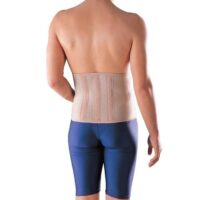
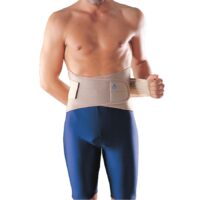
These back support products are commonly used by our physiotherapists to help reduce back pain, improve comfort, and support your recovery at home.
-
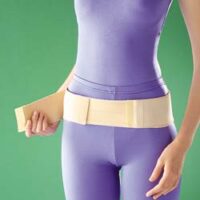 Back, Braces & Supports, Maternity, SIJ
Core Stability Support – OPPO 3462
$54.00Select optionsQuick View - Braces & Supports, Back, Maternity, SIJ
AOM38 AllCare Ortho Core Stability Belt
$49.95Select optionsQuick View -

 Back, Braces & Supports, Maternity, Posture
Pregnancy Belly Band & C-Section 3-in-1
$94.99Select optionsQuick View -
-
-
-
 Braces & Supports, Back, Maternity, SIJ
Maternity Support Belt – OPPO 4062
$37.00Select optionsQuick View -
 Back, Braces & Supports, Maternity, Posture
Maternity Back Support – OPPO 2062
$60.00 – $64.00Select optionsQuick View

Back Pain Tips: 7 Evidence-Based Ways to Move Better, Hurt Less & Recover Faster
A Physiotherapist’s Guide to a Stronger, Healthier Back
Discover practical, research-based strategies to ease back pain, move with confidence, and build long-term strength. Written by physiotherapist John Miller, this concise guide blends science and decades of clinical experience to help you recover faster and stay active for life.
- Clear, actionable advice grounded in current research
- Whole-person approach: movement, sleep, mindset and care team
- Includes a quick flare-up plan, FAQs and daily habits


References
- Australian Commission on Safety and Quality in Health Care. Low Back Pain Clinical Care Standard. Sydney: ACSQHC; 2022.
- Pirotta M, Yelland M, Maher CG, Marles E, Lane C, Bhasale A. Best practice care for acute low back pain: a new clinical standard to assist general practitioners. Aust J Gen Pract. 2024;53(9). doi:10.31128/AJGP-02-23-6725.
- George SZ, Fritz JM, Silfies SP, et al. Interventions for the management of acute and chronic low back pain: revision 2021. J Orthop Sports Phys Ther. 2021;51(11):CPG1–CPG60. doi:10.2519/jospt.2021.0304.
- Hayden JA, Ellis J, Ogilvie R, Malmivaara A, van Tulder MW. Exercise therapy for chronic low back pain. Cochrane Database Syst Rev. 2021;9(9):CD009790. doi:10.1002/14651858.CD009790.pub2.
