



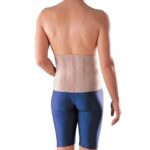
SIJ Serola Sacroiliac Belt
$69.95
- Description
- Additional information
Description
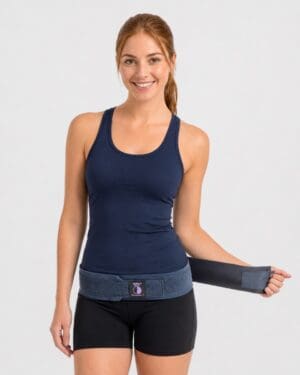
SIJ Serola Sacroiliac Belt for low-profile sacroiliac joint and pelvic support. This adjustable belt sits around the hips and applies firm external compression across the pelvis. It may suit people seeking added support during walking, work, travel, exercise or pregnancy-related pelvic discomfort.
This product may suit you if: pelvic or sacroiliac discomfort feels more comfortable with firm support around the hips.
Consider advice first if: pain is severe, worsening, spreading into the leg, linked with numbness or weakness, or difficult to distinguish from back, hip or nerve pain.
Clinically Useful For
The Serola SIJ Belt may provide external pelvic compression during daily activities. It is commonly considered as part of broader management for:
- sacroiliac joint pain or load-sensitive SIJ symptoms
- pelvic girdle discomfort during walking, standing or changing position
- lower back pain that feels more comfortable with pelvic support
- pregnancy-related back or pelvic discomfort
- temporary support during work, travel or guided rehabilitation
Key Benefits
- Provides firm, adjustable compression around the pelvis.
- Low-profile design can sit discreetly under many types of clothing.
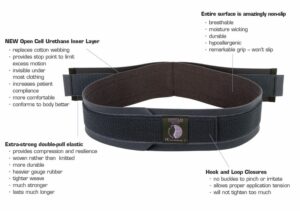
- Combines a firm inner support layer with adjustable elastic compression.
- Contains no bulky front buckle or large pressure pads.
- Can be adjusted to suit different activities and comfort levels.
Product Features
- Designed specifically for sacroiliac joint and pelvic support.
- Two-layer construction for firm support and adjustable compression.
- Available in Small, Medium, Large and X-Large.
- Worn low around the hips rather than high around the waist.
- Suitable for people seeking pelvic support rather than a lumbar back brace.
- Can be hand washed and reused.
Why Use a Serola SIJ Belt?
The sacroiliac joints sit between the sacrum and the two sides of the pelvis. They help transfer load between the spine and legs during walking, standing, lifting, bending and rolling in bed.
When this area becomes sensitive, some people experience discomfort near the lower back, buttock, pelvis, hip or upper thigh. Symptoms may become more noticeable during standing, walking, stairs, lifting, turning or changing position.
A sacroiliac belt provides external support around the pelvic ring. Some people find this makes load-sensitive activities feel more comfortable. However, a belt does not replace strength, movement control, activity management or physiotherapy when symptoms persist.
How Does the Serola SIJ Belt Work?
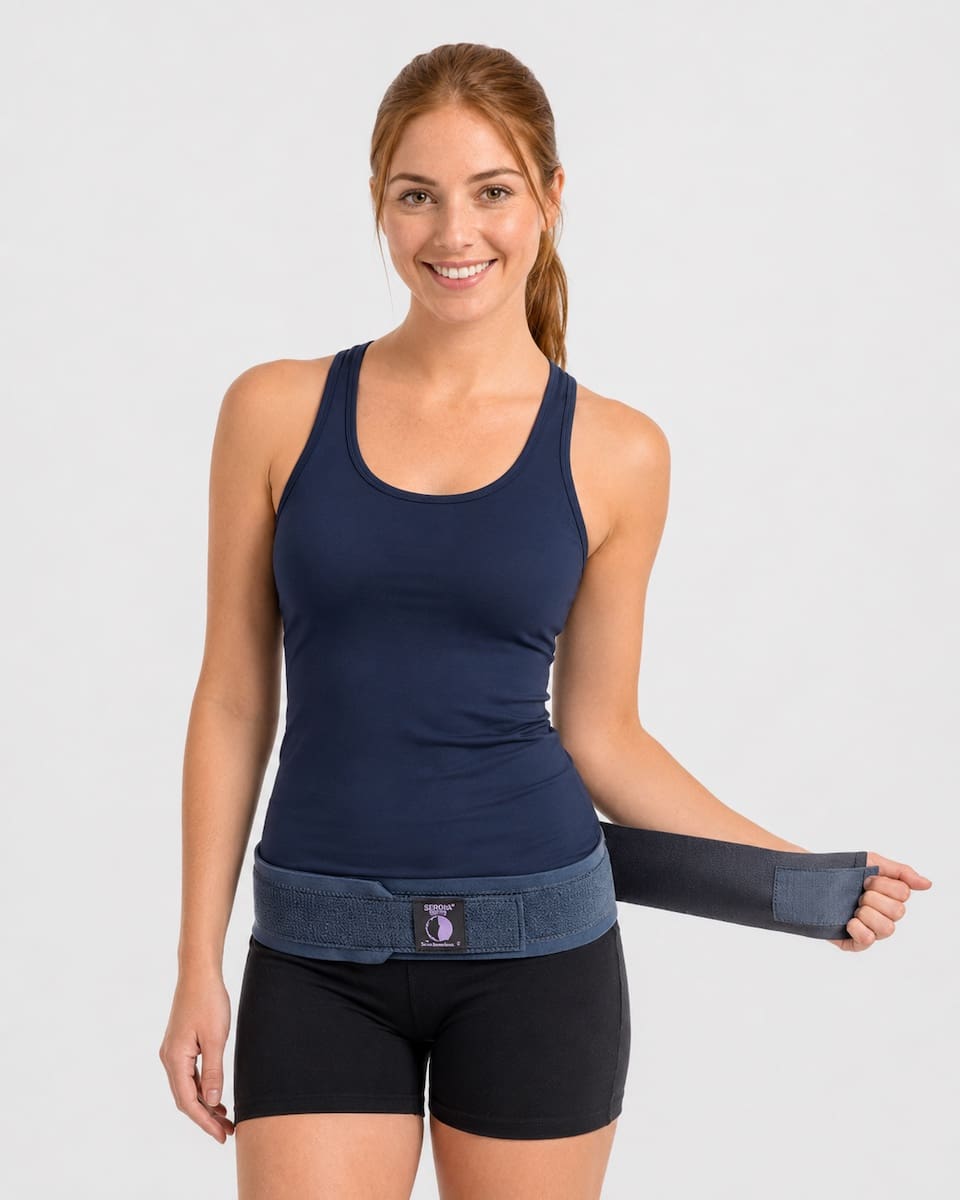
The belt sits around the hips at the level of the sacroiliac joints. Its firm inner layer provides a defined support point, while the elastic outer layer lets you adjust the amount of compression.
Correct positioning matters. The belt should sit below the waist and feel firm without causing pain, pins and needles, skin irritation or abdominal pressure. Excessive tightness is unnecessary and may make symptoms worse.
When Might You Wear the Belt?
The Serola SIJ Belt may be worn during activities that usually increase pelvic or lower-back discomfort, including:
- walking or prolonged standing
- household and daily activities
- light work duties
- car or air travel
- selected exercise or rehabilitation activities
- pregnancy-related walking or standing
Start with shorter periods during the activities that usually provoke symptoms. Continue only when the belt feels comfortable and does not adversely change your movement or walking pattern.
Is This the Right Support for You?
SIJ or pelvic discomfort
This belt may suit symptoms that feel more comfortable with firm compression around the pelvis.
Pregnancy-related support
Some people use a pelvic belt for added support during standing, walking and daily activity.
Back or leg symptoms
Arrange an assessment when symptoms spread, tingle, burn, cause weakness or appear nerve-related.
Serola SIJ Belt Sizing
Measure around your hips at the exact level where the belt will sit. Do not measure around your waist. While standing, lift one leg slightly and identify the crease at the front of the hip. Measure around the pelvis at approximately this level.
| Size | Hip measurement | Centimetres |
|---|---|---|
| Small | 30–33 inches | Approximately 76–84 cm |
| Medium | 34–39 inches | Approximately 86–99 cm |
| Large | 40–45 inches | Approximately 102–114 cm |
| X-Large | 46–52 inches | Approximately 117–132 cm |
Between the listed measurements? Recheck the measurement at the level where the belt will sit. Contact PhysioWorks before ordering when your measurement falls between two published ranges or you remain unsure about fit.
How to Fit the Serola SIJ Belt
- Position the belt low around the hips rather than around the waist.
- Secure the firm inner layer so it feels supportive but not excessively tight.
- Adjust the outer elastic straps evenly.
- Walk and change position to check comfort.
- Remove and reposition the belt if it rides up, pinches or increases symptoms.
Safety check before use
- Do not over-tighten the belt.
- Remove it if you develop numbness, tingling, skin irritation or increased pain.
- Stop using it if it changes your walking pattern or causes abdominal pressure.
- Seek prompt medical advice for major trauma, progressive weakness or bladder or bowel changes.
Cleaning and Care
Hand wash the belt in hot or cold water. Do not use a washing machine. Rinse it thoroughly in cold water to remove soap residue, then line dry. Avoid machine drying or exposing the belt to excessive heat.
Frequently Asked Questions
Where should I wear the Serola SIJ Belt?
Wear the belt low around your hips and pelvis rather than high around your waist. It should cross the pelvic ring near the level of the sacroiliac joints.
How tight should the belt feel?
The belt should feel firm and supportive, not forceful or restrictive. You should remain able to walk, sit and change position comfortably. Loosen or remove it if symptoms increase.
Can I wear the Serola SIJ Belt all day?
Wear time should depend on comfort, skin response and the activities that provoke symptoms. Starting with shorter activity-based periods provides a practical way to check your response. Remove the belt if it causes discomfort or irritation.
Can I use the belt for lower back pain?
The belt may feel helpful when lower-back symptoms relate to pelvic or sacroiliac load sensitivity. However, back pain may also arise from muscles, spinal joints, discs, hips or nerves. Arrange an assessment when the cause remains unclear.
Can the belt be worn during pregnancy?
Some people use pelvic support belts during pregnancy. Position the belt below the abdomen and avoid excessive pressure. Discuss its use with your healthcare professional when symptoms are severe, unusual or worsening.
Is a sacroiliac belt the same as a lumbar brace?
No. A sacroiliac belt sits lower and supports the pelvic ring. A lumbar brace generally sits higher around the lower back and trunk.
When should I seek physiotherapy advice?
Seek advice when pain persists, keeps returning, spreads into the leg or limits walking, sleep, work, exercise or pregnancy-related activity. Symptoms involving burning, pins and needles or weakness may require assessment for conditions such as sciatica.
Related PhysioWorks Articles
- Sacroiliac Joint Pain – Learn how SIJ symptoms may present and how physiotherapy assessment can help.
- Lower Back Pain – Compare common sources of lower-back symptoms and available care pathways.
- Pregnancy Back Pain – Read practical guidance for pregnancy-related back and pelvic discomfort.
Related Products
- Braces and Supports – Compare supports designed for other joints and body regions.
- PhysiPak Back Heat Pack – Provides reusable warmth for lower-back muscle comfort.
- Ice and Heat Products – Browse additional home comfort and recovery options.
Helpful Clinical Information
Pregnancy-related pelvic girdle pain management may include education, activity modification, exercise and selected support devices according to individual symptoms. Read the NCBI clinical review of pelvic girdle pain in pregnancy.
What to Do Next
Measure around your hips at the level where the belt will sit, then choose the corresponding size above. Check that the belt feels firm, low and comfortable before using it for longer activities.
The Serola SIJ Belt may provide useful short-term support. However, arrange an assessment when symptoms persist, worsen or do not respond as expected.
Additional information
| Weight | 0.3 kg |
|---|---|
| Dimensions | 10 × 10 × 25 cm |
| Size | S, M, L, XL |