
Metatarsalgia
Metatarsalgia describes pain under the ball of your foot. Treatment depends on identifying why the forefoot has become painful or overloaded.


What is metatarsalgia?
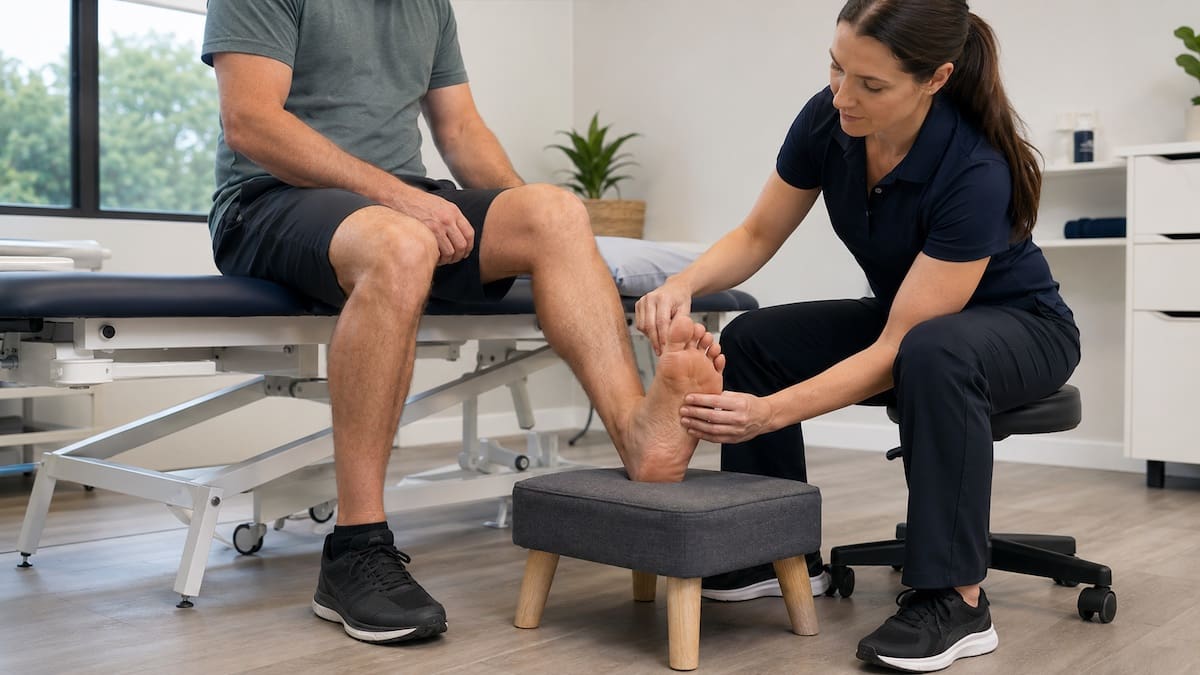
Metatarsalgia is a general term for pain around the ball of your foot. The painful area is commonly beneath the second, third or fourth metatarsal head, although symptoms can occur elsewhere across the forefoot.
It is better understood as a symptom than as one specific injury. Several joint, bone, nerve, soft-tissue and loading problems can produce pain in this region.
Pain location
Symptoms usually occur under the forefoot, immediately behind the toes.
Typical behaviour
Pain commonly increases during walking, running, jumping or prolonged standing.
Treatment priority
Management should address the cause of the overload rather than treating the painful spot alone.
What does metatarsalgia feel like?
People describe metatarsalgia in different ways. Common symptoms include:
- aching, burning or sharp pain under the ball of the foot
- a bruised feeling beneath one or more metatarsal heads
- a sensation similar to walking on a pebble
- pain during push-off when walking or running
- tenderness when pressing beneath the forefoot
- pain that increases when barefoot on hard surfaces
- callus formation beneath an overloaded area
- improvement with rest, supportive shoes or reduced activity.
Numbness, tingling or pain extending into the toes may suggest nerve irritation rather than simple mechanical forefoot overload. Your physiotherapist may therefore screen for conditions such as Morton’s neuroma.
What causes ball of foot pain?
Forefoot pain commonly develops when the pressure passing through part of the foot exceeds the area’s current capacity. This may happen suddenly after an activity increase or develop gradually over time.
Activity and training changes
A sudden increase in walking, running, jumping, hills or court sport can overload the forefoot. This risk may increase when training volume, intensity and footwear all change at the same time.
Runners can find related information in our guide to running injuries.
Footwear
Narrow shoes may compress the forefoot, while high heels shift more body weight towards the metatarsal heads. Thin or flexible soles can also aggravate symptoms when they provide insufficient protection from hard surfaces.
Calf and ankle mobility
Limited ankle movement or calf tightness may change how your foot moves during walking. This can increase the time or pressure placed through the forefoot.
Foot structure and movement
High arches, flatter feet, differences in metatarsal length, reduced big-toe movement and lesser-toe changes can alter how pressure is distributed across the forefoot. Conditions such as a bunion can also change how the big toe and forefoot share load.
Health conditions
Arthritis, inflammatory conditions and altered sensation may contribute to forefoot pain. People with diabetes, reduced circulation or reduced foot sensation should arrange an appropriate health assessment rather than relying only on self-treatment.
Could the pain be something else?
Several problems can feel similar to metatarsalgia. An assessment may consider:
How is metatarsalgia assessed?
Your physiotherapist will first clarify where the pain occurs, how it started and which activities aggravate it. The assessment may then examine:
- the location and pattern of tenderness
- swelling, callus formation and skin condition
- toe and metatarsophalangeal joint movement
- ankle mobility and calf flexibility
- foot posture and control
- walking or running mechanics
- footwear and training changes
- strength through the calf, ankle and intrinsic foot muscles
- sensation and nerve-related symptoms.
Imaging is not required for every case. However, an X-ray, ultrasound or MRI may be appropriate when the examination suggests a stress injury, plantar plate injury, arthritis, nerve problem or another condition that needs further investigation.
Metatarsalgia treatment
Treatment should match the cause of your forefoot pain. Most programs begin by reducing irritation before gradually rebuilding your tolerance for walking, work and sport.
-
Reduce the aggravating pressure
Temporarily reduce the activities that clearly increase your pain. This might involve shorter walks, flatter routes, fewer running sessions or replacing impact exercise with a lower-impact option.
-
Review your footwear
Choose shoes with enough width through the toes, suitable cushioning and a supportive sole. Avoid footwear that compresses the forefoot or noticeably increases your symptoms.
-
Consider padding or orthotic support
A correctly positioned metatarsal dome may redistribute pressure away from a painful metatarsal head. Some people may also benefit from orthotics when forefoot pressure, footwear or individual foot mechanics contribute to the problem.
-
Restore movement
Your program may address ankle stiffness, calf flexibility or restricted movement through the foot and toes when these findings affect walking or push-off.
-
Build foot and calf capacity
Graded strengthening can improve how the calf and smaller foot muscles manage load. Exercises may include calf raises, toe-control tasks and active foot posture correction exercises.
-
Return gradually to normal activity
Walking, running and sport loads should increase in stages. Your response later that day and the following morning can help guide progression.
Do metatarsal domes help?
A metatarsal dome is positioned behind the painful metatarsal heads rather than directly beneath the sore spot. When correctly selected and positioned, it may spread load across a wider area of the forefoot.
Placement matters. A dome that sits too far forward may increase discomfort. Consider professional guidance when symptoms persist or when you are unsure which location or size is appropriate.
View the TalarMade metatarsal domes product information.
Should you keep walking with metatarsalgia?
You do not always need to stop walking completely. However, repeatedly pushing through increasing pain can prolong irritation.
Reduce the distance, pace or surface until walking remains comfortable or produces only mild symptoms that settle promptly. Seek an assessment when even short walks cause substantial pain or your walking pattern changes.
When should you book a physiotherapy assessment?
Consider booking an assessment when:
- pain continues despite changing your shoes and activity
- symptoms keep returning when you resume exercise
- pain limits normal walking, work or sport
- you have focal bone tenderness after increasing activity
- you notice tingling, numbness or pain into the toes
- one toe appears unstable or starts changing position
- you are unsure whether padding or orthotics are suitable.
What to do next
Start by wearing comfortable, supportive footwear and reducing activities that clearly aggravate the forefoot. Avoid making several major training or footwear changes at once.
If symptoms persist, a physiotherapist can assess the painful structures, foot mechanics, footwear and recent loading changes. Your treatment plan may then combine activity guidance, exercise, mobility work, footwear changes and appropriately selected forefoot support.
You can also browse our foot pain conditions and Foot, Ankle and Heel Pain Products and FAQs.
Choose your clinic and appointment pathway
Select a PhysioWorks clinic to continue to live booking, an appointment request or reception assistance.
Feet Products
These feet products are commonly used by our physiotherapists to improve support, comfort, strength, balance, flexibility, and home exercise programs.
-
- Liniments & Gels, Massage Liniments, Pain Management
Fisiocrem
$16.95 – $39.95Select optionsQuick View -
-
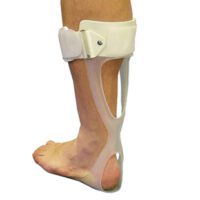
 Ankle, Braces & Supports, Foot, Walking
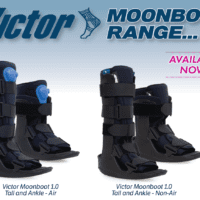
Victor Moonboot 1.0 Air or No Air
$77.00 – $79.00Select optionsQuick View -
-
-

-
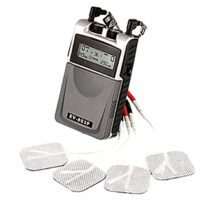
- EMS Machines, Pain Management, TENS Machine, TENS Machine & EMS
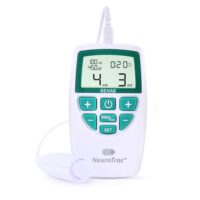
NeuroTrac Rehab (TENS Machine + EMS)
$285.00Add to cartQuick View -

-
-
-
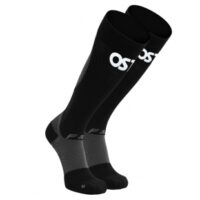
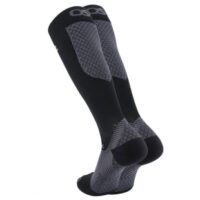 Ankle, Braces & Supports, Calf, Foot
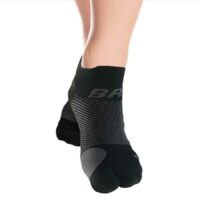
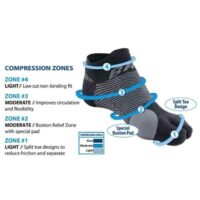
Orthosleeve Compression Bracing Socks
$49.00Select optionsQuick View -
-


-








Metatarsalgia FAQs
What is metatarsalgia?
Metatarsalgia is a general term for pain beneath the ball of the foot, usually around one or more metatarsal heads just behind the toes. It describes a symptom area rather than one specific injury.
What causes pain in the ball of the foot?
Common contributors include sudden activity increases, narrow or high-heeled footwear, reduced ankle mobility, foot posture, toe-joint problems and uneven pressure through the forefoot. Nerve irritation and stress injuries can cause similar pain.
Can shoes cause metatarsalgia?
Shoes can contribute to symptoms. Narrow shoes may compress the forefoot, while high heels move more pressure towards the metatarsal heads. A wider toe box, suitable cushioning and a supportive sole may feel more comfortable.
Do orthotics help metatarsalgia?
Orthotics or correctly positioned metatarsal padding may help some people by redistributing pressure across the forefoot. Their usefulness depends on the cause of the pain, footwear, comfort and individual foot mechanics.
How long does metatarsalgia take to settle?
Recovery time varies because metatarsalgia has several possible causes. Mild overload may improve after activity and footwear changes, while persistent joint, nerve or bone-related symptoms may require assessment and a longer rehabilitation plan.
When should I see a physiotherapist?
Book an assessment if pain persists, repeatedly returns, limits walking or sport, or includes numbness, toe instability or focal bone tenderness. Seek medical care sooner for major swelling, deformity, an open wound or an inability to bear weight.
References
-
Charen DA, Markowitz JS, Cheung ZB, et al. Overview of metatarsalgia. Orthopedics. 2019;42(1):e138-e143.
-
Federer AE, Tainter DM, Adams SB Jr, Schweitzer KM Jr. Conservative management of metatarsalgia and lesser toe deformities. Foot Ankle Clin. 2018;23(1):9-20.
-
Ruiz-Ramos M, et al. Effectiveness of bespoke or customised orthotic treatment in plantar pressure reduction of the central metatarsals: a systematic review and meta-analysis. 2024.
-
Palka O, et al. Radiological approach to metatarsalgia in current practice. Insights Imaging. 2025.
-
Mayo Clinic. Metatarsalgia: symptoms and causes. Updated May 2, 2025.
-
Park JJ, et al. Diagnosing plantar plate injuries: a narrative review of clinical and imaging approaches. 2025.
