
Foot Pain
Foot Pain


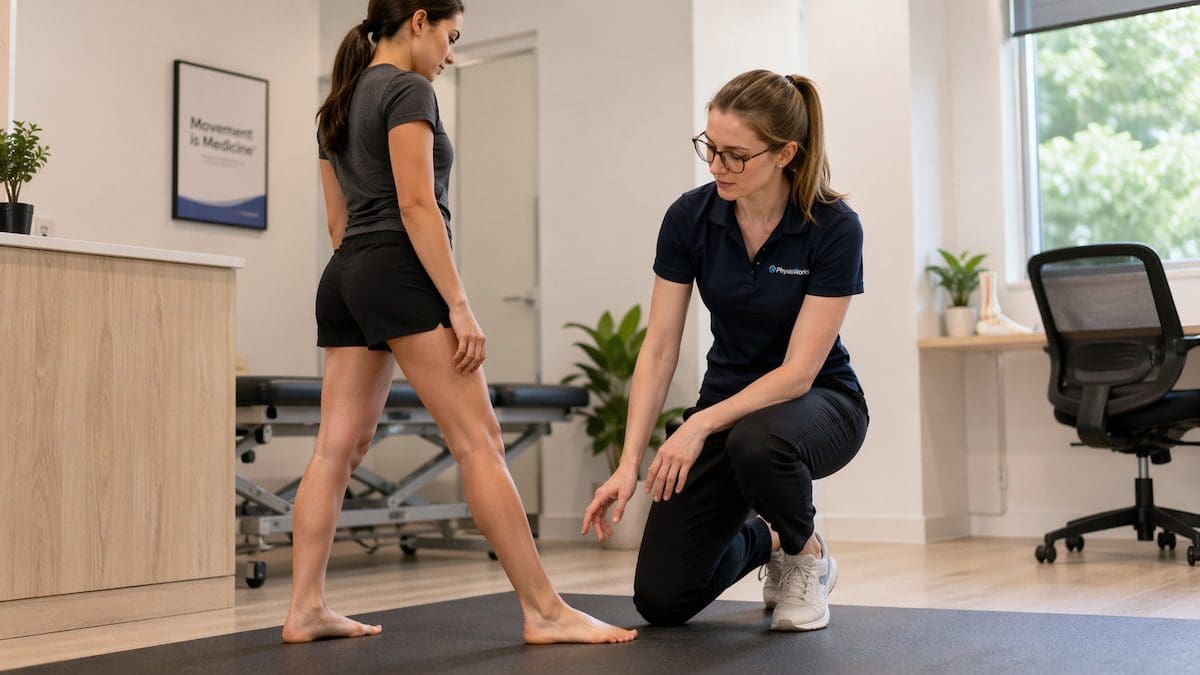
Foot pain can affect the heel, arch, ball of the foot, toes, nerves, tendons, joints, or bone. Location matters because each area has different causes, loading patterns, and treatment priorities.
Common causes include plantar fasciitis, metatarsalgia, Morton’s neuroma, tendon overload, footwear pressure, or pain linked to nearby ankle pain conditions. This page gives a broad guide, then links to more specific foot conditions where symptoms need a closer match.
Quick answer
Foot pain is usually linked to overload, footwear pressure, joint irritation, tendon problems, nerve sensitivity, or bone stress. Heel, arch, forefoot, and toe pain often behave differently, so treatment should match the painful area, symptom pattern, and activity goal.
Quick guide: common foot pain patterns
- first-step heel pain in the morning
- pain in the ball of the foot when walking
- burning, tingling, or “pebble in the shoe” symptoms
- pain that builds after long standing, work, or sport
- pain linked to shoe pressure, training load, or a recent ankle sprain
What Are the Most Common Causes of Foot Pain?
Foot pain most often comes from overloaded soft tissue, irritated joints, nerve sensitivity, footwear pressure, or bone stress. The likely cause becomes clearer when you match pain location, symptom behaviour, aggravating activities, and recent load changes.
Because the foot absorbs and transfers force with every step, small changes in training, work hours, shoes, ankle mobility, or calf strength can build into a bigger pain problem over time.
| Pain Location | Common Cause | Typical Pattern |
|---|---|---|
| Heel | Plantar fasciitis or heel irritation | First-step pain, morning stiffness, pain after rest |
| Arch | Flat feet or foot control overload | Tired, aching, cramping, or pulling discomfort |
| Ball of foot | Metatarsalgia or forefoot joint irritation | Pebble-like pain, bruised feeling, worse in tight shoes |
| Toes or forefoot nerves | Morton’s neuroma or nerve irritation | Burning, tingling, numbness, or shooting symptoms |
Heel pain
Heel pain often feels worse with the first steps in the morning, after sitting, or after a jump in walking or running volume. It commonly relates to the plantar fascia, heel fat pad, Achilles tendon, or nearby bony irritation.
Arch pain
Arch pain may feel like tiredness, cramping, or pulling discomfort through the inside of the foot. It can flare with long shifts, hills, unsupportive shoes, or poor foot control under load.
Ball of foot pain
Pain under the forefoot often feels like walking on a pebble or bruised padding. It may worsen in tight shoes, on longer walks, or when push-off becomes more demanding.
Nerve-related foot pain
Nerve irritation can cause burning, tingling, numbness, or sharp pain that shoots into the toes. These symptoms often feel different from tendon or joint pain and may worsen in narrow shoes or after prolonged standing.
Foot pain linked to the ankle or calf
Sometimes the foot hurts because the ankle has become stiff, weak, swollen, or poorly controlled after injury. That can change how force moves through the foot during walking and sport.
What Does Foot Pain Feel Like?
Foot pain can feel sharp, aching, burning, throbbing, stiff, or like a bruise under the foot. Where it sits matters because heel pain, arch pain, forefoot pain, and toe pain each point towards different structures and treatment options.
Some people feel pain mainly with first steps. Others hurt more after standing all day, during running, or in tight footwear. If you also have numbness, tingling, or night pain, the assessment needs to be more careful.
Foot pain often flares with:
- first steps in the morning
- long periods of standing
- tight or unsupportive shoes
- walking hills or increasing activity too quickly
- returning to running or sport after a break
When Should You Worry About Foot Pain?
You should act sooner if foot pain follows a stronger injury, stops you weight-bearing, keeps worsening, or comes with marked swelling, deformity, redness, fever, or numbness. These patterns can point to fracture, significant soft tissue injury, infection, or nerve involvement.
Book an assessment sooner if you notice:
- severe pain after a fall, twist, or awkward landing
- inability to walk or push through the foot normally
- significant swelling, bruising, or visible deformity
- spreading redness, heat, fever, or a wound that is not healing
- numbness, progressive pins and needles, or pain that keeps worsening at night
Is Self-Care Enough or Should You Book an Assessment?
Self-care may be reasonable when symptoms are mild, improving, and linked to a clear short-term load change. Reduce the aggravating activity, use supportive footwear, and monitor whether pain settles within 24 hours after walking or exercise.
Book an assessment if pain persists, returns each time you increase activity, changes how you walk, or stops you working, exercising, or wearing normal shoes. Earlier review is also sensible if pain is sharp, localised to bone, associated with swelling, or linked with numbness or tingling.
How Is Foot Pain Assessed?
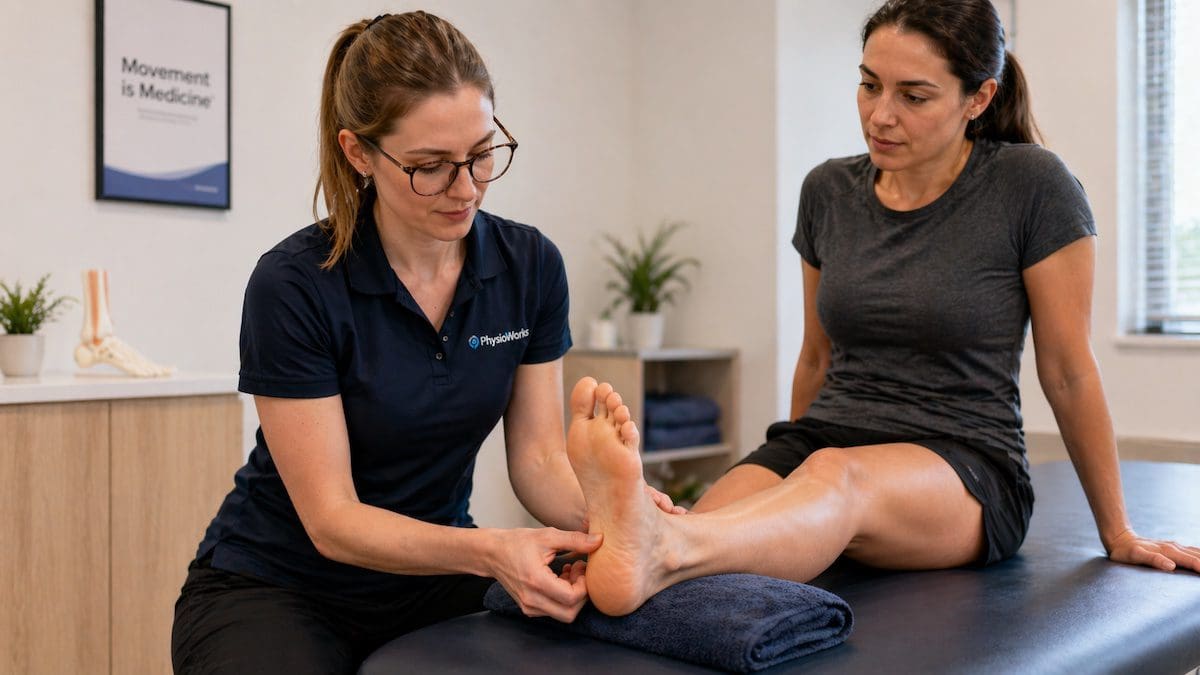
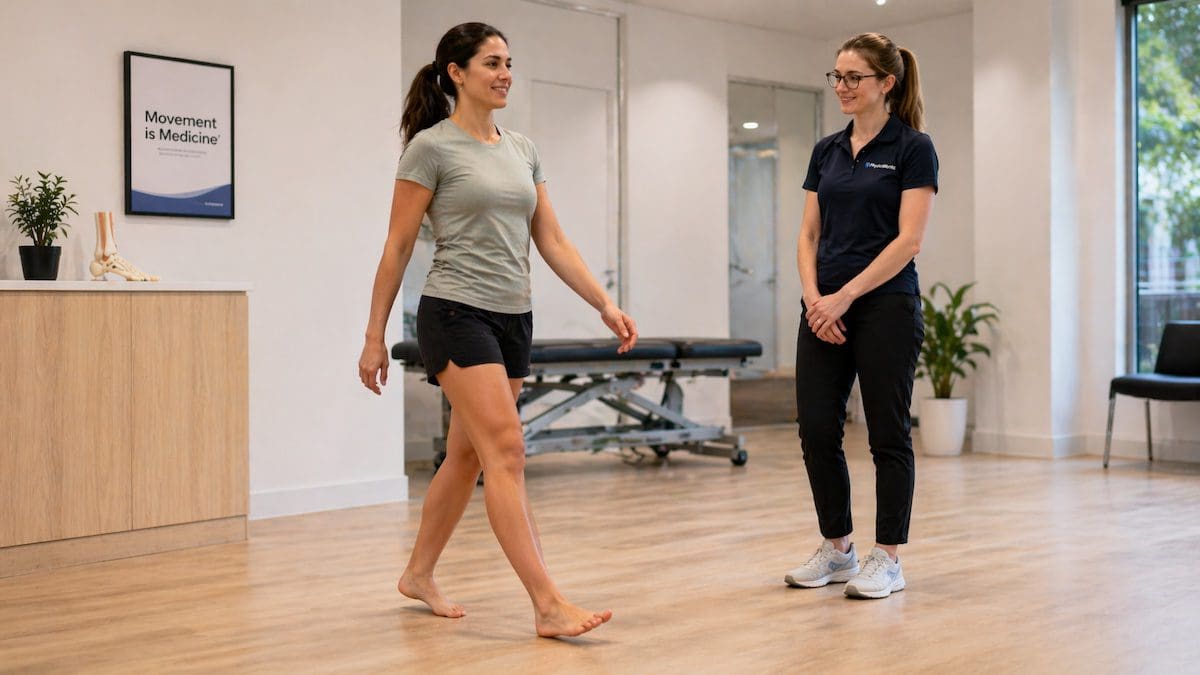
Foot pain assessment usually includes a clear history, pain location review, walking and balance checks, ankle and big toe movement testing, calf strength testing, and a targeted hands-on examination.
A physiotherapist may also assess the ankle, knee, hip, and lower back because they can all change foot loading. Imaging is sometimes useful if the history suggests a stress fracture, arthritis, significant tendon injury, or another condition that needs closer investigation.
How Do You Treat Foot Pain?
Foot pain treatment usually combines short-term load reduction with gradual reloading, better footwear decisions, targeted exercises, and a return-to-activity plan that matches your symptoms.
The best program depends on whether the main driver is the plantar fascia, forefoot joints, a tendon, a nerve, or bone stress. A physiotherapist may recommend education, hands-on treatment, exercise, footwear changes, taping, or orthotic advice based on your presentation.
For broader public health guidance on common foot problems and self-care, Better Health Channel has a practical summary on feet problems and treatments.
Foot pain treatment often includes:
- short-term load reduction
- better footwear or orthotic guidance
- strength and control exercises
- gradual return to walking, work, or sport
- hands-on treatment when appropriate
What Can You Do at Home for Foot Pain?
Helpful self-care usually starts with reducing the main aggravating load, then rebuilding gradually. Supportive shoes, sensible walking limits, and a clear strengthening plan often help more than complete rest or stretching alone.
- reduce aggravating load for a short period, then rebuild gradually
- use supportive shoes for longer walks or work shifts if symptoms flare
- avoid relying on stretching alone when strength or control is the real gap
- monitor pain and aim for symptoms that settle within 24 hours after activity
Exercise and load management
Most rehab works best when you lower irritation first, then rebuild foot and calf capacity step by step. That may include calf strengthening, foot control drills, balance work, toe mobility, walking-volume changes, or a graded return to running.
These active foot posture correction exercises can be a useful starting point for some people. If your symptoms are linked to running or sport, a staged plan can also help guide safer load progression.
Why Does Foot Pain Feel Worse in the Morning?
Morning foot pain often happens because irritated tissues stiffen overnight, then react when you load them with your first few steps. This pattern is especially common with plantar heel pain, but it can also happen with joint stiffness, tendon irritation, or overloaded foot structures.
Supportive footwear beside the bed, a gentle warm-up, and a progressive strengthening plan often help more than complete rest alone.
Find the Right Foot Pain Page
This page is the foot pain hub. Use it to orient yourself, then choose the most specific page if your symptoms clearly match one area.
- Heel pain — pain under or around the heel
- Plantar fasciitis — first-step heel and arch pain
- Metatarsalgia — pain under the ball of the foot
- Morton’s neuroma — burning, tingling, or pebble-like forefoot pain
- Ankle pain — ankle stiffness, swelling, instability, or linked foot loading issues
- Common causes of foot pain — a broader symptom guide
What Should You Do Next for Foot Pain?
If your foot pain has lasted more than a week, keeps coming back, or limits walking, work, or sport, book an assessment. A physiotherapist can help identify the likely driver, explain what is safe to keep doing, and guide a step-by-step plan that fits your goals.
If the pattern feels more urgent, start with when to worry about foot and ankle pain. If it looks more like overload, compare your symptoms with common causes of foot pain or begin with physiotherapy treatment.
Choose your clinic and appointment pathway
Select a PhysioWorks clinic to continue to live booking, an appointment request or reception assistance.
Feet Products
These feet products are commonly used by our physiotherapists to improve support, comfort, strength, balance, flexibility, and home exercise programs.
-

-
 Ankle, Braces & Supports, Calf, Foot
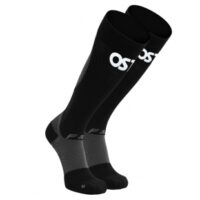
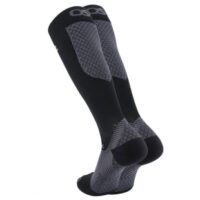
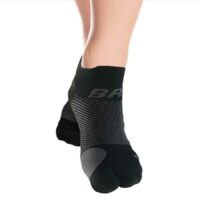
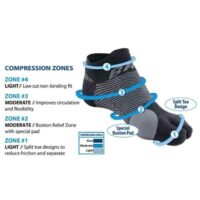
Orthosleeve Compression Bracing Socks
$49.00Select optionsQuick View -

-
- EMS Machines, Pain Management, TENS Machine, TENS Machine & EMS
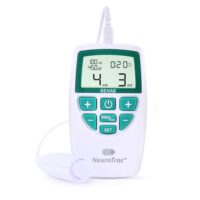
NeuroTrac Rehab (TENS Machine + EMS)
$285.00Add to cartQuick View -
-


-
- Liniments & Gels, Massage Liniments, Pain Management
Fisiocrem
$16.95 – $39.95Select optionsQuick View -
-
-
-
-
-

 Ankle, Braces & Supports, Foot, Walking
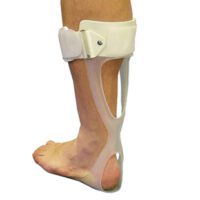
Victor Moonboot 1.0 Air or No Air
$77.00 – $79.00Select optionsQuick View -









Social Media
Follow us on social media for foot and ankle tips, simple exercise ideas, and injury prevention strategies you can use at home or at the gym.


References
- Koc TA Jr, Bise CG, Neville C, et al. Heel Pain–Plantar Fasciitis: Revision 2023. J Orthop Sports Phys Ther. 2023;53(12):CPG1-CPG39. doi:10.2519/jospt.2023.0303.
- Morrissey D, Cotchett M, Said J, et al. Management of plantar heel pain: a best practice guide informed by a systematic review, expert clinical reasoning and patient values. Br J Sports Med. 2021;55(19):1106-1118. doi:10.1136/bjsports-2019-101970.
- Alazzawi S, Sukeik M, King D, Vemulapalli K. Foot and ankle history and clinical examination: A guide to everyday practice. World J Orthop. 2017;8(1):21-29. doi:10.5312/wjo.v8.i1.21.
- Millán-Silva MO, Sánchez MM, González AA, et al. Infiltrative Treatment of Morton’s Neuroma: A Systematic Review. Pain Manag Nurs. 2024. doi:10.1016/j.pmn.2024.06.004.
Foot Pain FAQs
How long does foot pain usually take to settle?
Mild overload flare-ups may settle within one to three weeks if you reduce aggravating load and improve footwear support. Longer-running foot pain often needs a structured rehab plan because irritated tissues need time to rebuild strength, walking tolerance, and load capacity.
Should I keep walking with foot pain?
Often yes, but you may need to reduce distance, pace, hills, or time on your feet for a short period. Aim for walking that feels manageable and settles within 24 hours rather than activity that keeps symptoms climbing.
Do I need a scan for foot pain?
Not always. Many common foot pain conditions respond well to assessment-led care, exercise, and load management. Imaging is more useful when symptoms suggest a fracture, marked joint disease, significant tendon injury, or another diagnosis that may change management.
What shoes help foot pain?
Supportive, well-fitting shoes often help because they reduce pressure on sore tissues and improve load distribution. The best choice depends on whether your pain sits in the heel, arch, forefoot, or toes, so footwear advice should match the likely diagnosis.
Why does foot pain feel worse in the morning?
Morning pain often reflects tissue stiffness after rest, especially with plantar heel pain or local joint irritation. The first few steps load the area quickly, which is why symptoms can spike before easing once you warm up.
When should I see a physiotherapist for foot pain?
Consider booking if foot pain limits walking, work, or sport, lasts more than a week, keeps recurring, or follows an injury. You should also act sooner if you have swelling, bruising, numbness, deformity, or difficulty weight-bearing.