
Therapeutic Massage

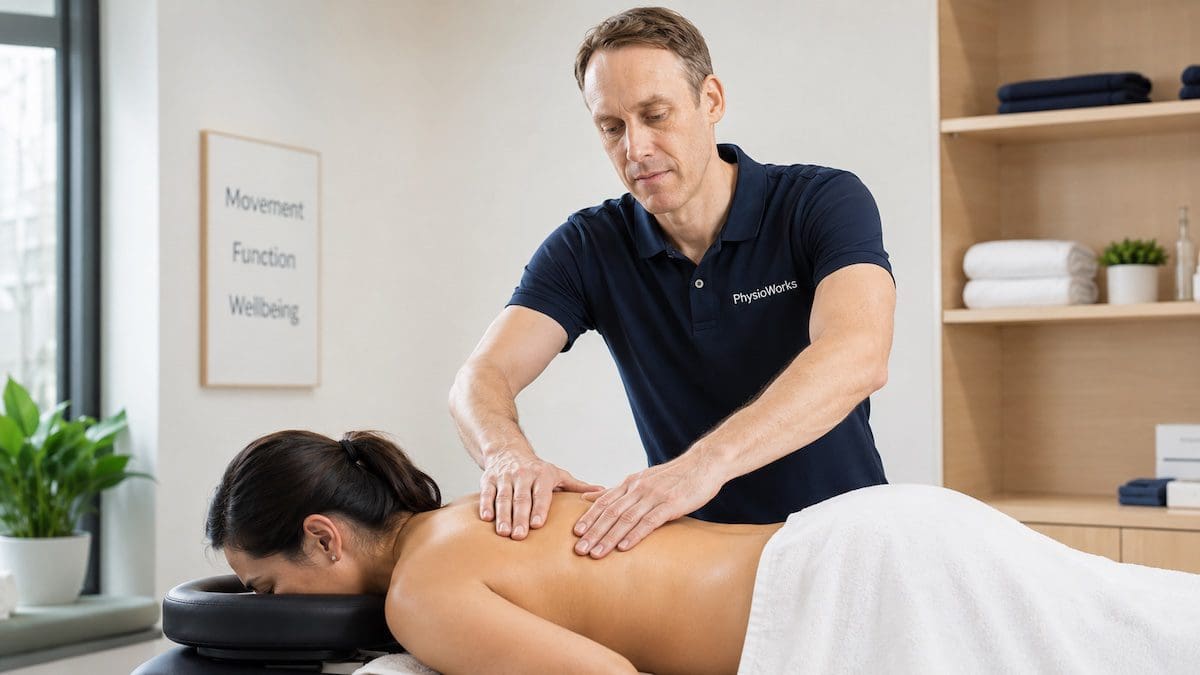
Therapeutic Massage: A Practical Way to Ease Tension
Therapeutic massage uses targeted hands-on techniques to ease muscle tension, improve soft-tissue movement and support recovery. Many people book therapeutic massage in Brisbane when tight muscles, stress, headaches or discomfort affect work, sport or daily movement.
A qualified massage therapist adapts pressure, positioning and technique to your goals. This makes treatment more comfortable and helps match your massage with your broader care plan. If you are comparing options, you can also view our full range of Brisbane massage services.
Book a Massage Appointment
Massage is available at selected PhysioWorks clinics. Choose your preferred clinic to view current booking options.
Related Massage Services
Therapeutic massage may overlap with several massage styles. Your therapist can help match the technique to your goals, symptoms and comfort level.
Quick Summary
- Therapeutic massage may help ease tight muscles, stress and movement restriction.
- It can support people with neck tension, back tightness, headaches and workload-related soreness.
- Your therapist adjusts pressure so treatment stays comfortable and purposeful.
- Massage can work alongside physiotherapy, exercise and recovery planning.
- Book earlier if tightness keeps returning or starts limiting normal activity.
How Therapeutic Massage Helps
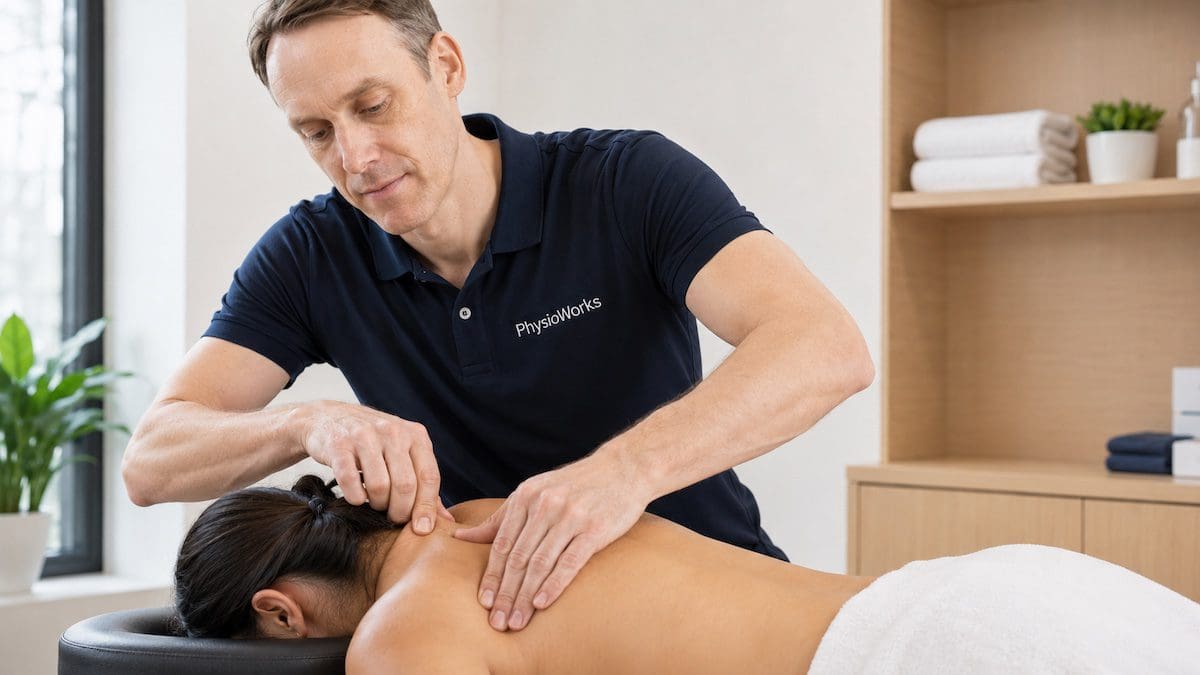
Reduced Muscle Tension
Therapeutic massage may calm tight muscles and improve soft-tissue mobility. This can help people who feel restricted by postural strain, sport, manual work or repeated desk-based positions.
Improved Circulation and Recovery
Massage can increase local blood flow and help tissues feel less guarded. Many people use massage to support recovery after heavy training, demanding work or periods of increased stress.
Stress and Nervous System Benefits
Many people feel calmer after massage. Breathing slows, muscle tone reduces and the body often settles into a more restful state. This may help people who carry stress through the neck, shoulders and upper back.
Support for Injury Recovery
Massage can complement a physiotherapy plan. It may help reduce protective muscle guarding, improve comfort and prepare your body for movement, strengthening or return-to-activity work.
Is Therapeutic Massage Right for You?
Therapeutic massage may suit you if muscle tightness, stress, headaches, back tension or neck stiffness keep affecting your comfort. It may also help if you want a hands-on recovery option between physiotherapy sessions, training blocks or busy work periods.
If your pain is severe, sudden, spreading, or linked with numbness, weakness or unexplained swelling, book a physiotherapy or medical review first.
Common Reasons People Book Therapeutic Massage
People often book therapeutic massage for symptoms that build gradually. These may include neck pain, back pain, shoulder tightness, muscle soreness, stress-related tension, headaches or stiffness after sport.
Therapeutic massage is not a diagnosis. Instead, it can help manage soft-tissue tension while your physiotherapist, GP or massage therapist checks whether another condition needs specific treatment.
What Should You Expect During a Therapeutic Massage?
Your therapist will ask about your symptoms, pressure preference, treatment goals and relevant health history. They may focus on one region, such as the neck and shoulders, or work through several related areas when tension is more widespread.
During treatment, your therapist should adjust pressure to your comfort level. Some tight areas may feel tender, but treatment should not feel overwhelming. Tell your therapist if you want less pressure, more pressure, or a change in technique.
How Often Should You Have a Therapeutic Massage?
Massage frequency depends on your lifestyle, symptoms and goals. People under high stress or heavy physical workload may prefer weekly or fortnightly sessions for a short period. Others use maintenance sessions every four to six weeks.
- High stress or heavy physical work: weekly or fortnightly may suit some people.
- General maintenance: every four to six weeks may be enough.
- Injury recovery: timing should match your physiotherapy or medical plan.
How Long Should a Massage Be?
A 60-minute session suits many people who want focused work on one or two regions. A 90-minute session may suit broader areas, such as neck, shoulders, back, hips and legs. Shorter sessions can suit targeted follow-up care.
After Your Massage
Many people feel looser and calmer after treatment. Mild short-term tenderness can occur, especially after firmer work. Gentle movement, water, sleep and sensible activity levels often help you get the best response from the session.
If symptoms keep returning, your therapist may recommend a physiotherapy review to check posture, strength, workload, training load or joint movement patterns.
When Therapeutic Massage May Not Be Appropriate
Massage may not be suitable when symptoms suggest infection, unexplained swelling, a recent fracture, deep vein thrombosis, open wounds, fever, unexplained weight loss or serious neurological symptoms. If you are unsure, ask your physiotherapist, GP or massage therapist before booking.
Therapeutic Massage and Modern Research
Research suggests massage may help some people manage pain, function and wellbeing, especially when combined with movement, education and healthy activity habits. Results vary, so your therapist should match the treatment plan to your goals and response.
Massage may also work well with services such as remedial massage, deep tissue massage and neck massage when your symptoms or goals need a more targeted approach.
Therapeutic Massage FAQs
Is therapeutic massage painful?
Therapeutic massage should not feel unbearable. Some tight areas may feel tender, but your therapist should adjust pressure to suit your comfort and treatment goals.
Is therapeutic massage good for pain relief?
Therapeutic massage may help with pain relief by easing muscle tension, improving soft-tissue movement and reducing protective muscle guarding. It often works best when paired with movement, sleep, hydration and appropriate exercise.
Can therapeutic massage help headaches?
Massage may help some headaches when neck, shoulder or upper back tension contributes to symptoms. A physiotherapist can check whether your headaches need a different treatment pathway.
Is massage safe during pregnancy?
Massage can be safe during pregnancy when performed by a trained therapist using suitable positions and techniques. Tell your therapist about your pregnancy stage, symptoms and any medical advice before treatment.
Can I combine massage with physiotherapy?
Yes. Many people combine massage with physiotherapy when they need hands-on care, exercise guidance and a clear recovery plan. This can be useful for recurring tightness, injury recovery or return to sport.
How soon should I rebook?
Rebooking depends on your response and goals. If symptoms return quickly, your therapist may suggest a shorter review cycle. If you feel settled, a four-to-six-week maintenance plan may suit you better.
Related Articles
- Neck Massage
- Back Massage
- What Conditions Can Massage Therapy Help?
- Massage Benefits
- Guide to Massage Styles
- Remedial vs Relaxation Massage
- Trigger Point Therapy
- Sports Massage
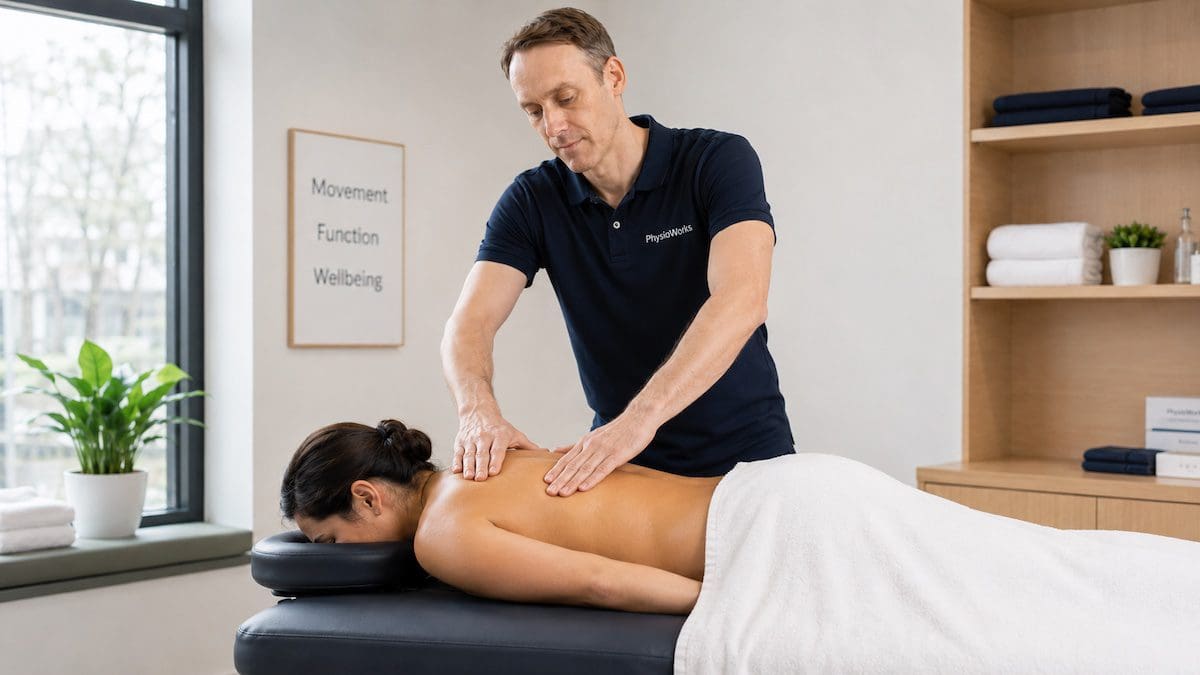
Your Next Step
If pain, tightness or stress are limiting your day, therapeutic massage may help you move more comfortably. Book a massage appointment at PhysioWorks Brisbane and your therapist can match the session to your symptoms, pressure preference and goals.
Brisbane Massage Therapists
Our massage therapists provide hands-on care for muscle tension, stress, soreness and recovery support across PhysioWorks Brisbane clinics.
Remedial Massage Therapists
Our remedial massage therapists help relieve muscle tension, improve flexibility, reduce soft tissue pain, and support recovery from training loads, desk posture, and everyday physical stress.
Debbie Cox

Ashish Shrestha

Massage Products
These muscle and soft tissue products are commonly used by our remedial massage therapists and physiotherapists to relax or loosen muscles.
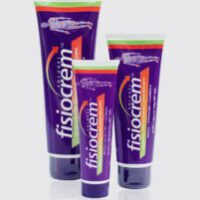
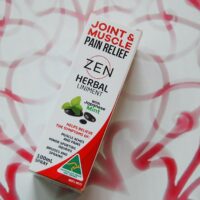
- Liniments & Gels, Massage Liniments, Pain Management
Fisiocrem
$16.95 – $39.95Select optionsQuick View -
-
-


-
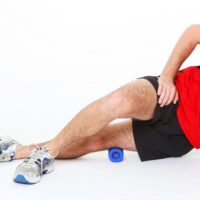
 Exercise Equipment, Back, Elbow, Foot, Massage Tools, Shoulder
Pocket Physio
$14.95Select optionsQuick View -

-


-
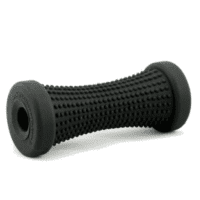
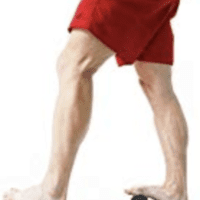 Gift Ideas, Christmas Gift Ideas, Exercise Equipment, Foot, Knee, Massage Tools, Pain Management
Footeez Lockeroom
$45.00Add to cartQuick View - Pain Management, Christmas Gift Ideas, Liniments & Gels, Product Search
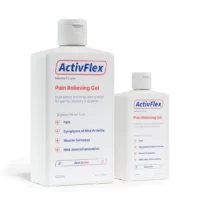
ActivFlex Pain Relief Gel
$27.95 – $42.95Select optionsQuick View - Christmas Gift Ideas, Exercise Equipment, Gift Ideas, Massage Tools, Pain Management
Pocket Physio MAX
$24.95Select optionsQuick View -
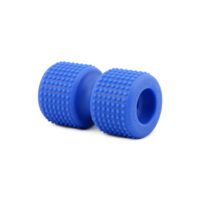
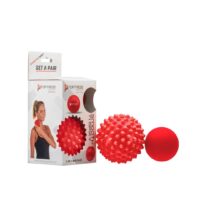 Exercise Equipment, Gift Ideas, Massage Tools
Smooth n Spiky Massage Balls (2 Pack)
$20.00Select optionsQuick View


Social Media
Follow PhysioWorks for regular tips on massage, movement, recovery and staying active.


References
- Mak S, Skelly AC, Saha S, et al. Use of massage therapy for pain, 2018–2023: a systematic review. JAMA Network Open. 2024.
- Chen PC, Wu L, Lin YN, et al. The effect of massage force on relieving nonspecific low back pain: a randomized controlled trial. International Journal of Environmental Research and Public Health. 2022;19(20):13191.
- Nemati D, Hinrichs R, Johnson A, Lauche R, Munk N. Massage therapy as a self-management strategy for musculoskeletal pain and chronic conditions: a systematic review of feasibility and scope. Journal of Integrative and Complementary Medicine. 2024;30(4):319-335.
- Epstein AS, Liou KT, Romero SAD, et al. Acupuncture vs massage for pain in patients living with advanced cancer: the IMPACT randomized clinical trial. JAMA Network Open. 2023;6(11):e2342482. doi:10.1001/jamanetworkopen.2023.42482
