
Targeted remedial massage may ease muscle tension and support recovery.
What Are the Benefits of Massage Therapy?

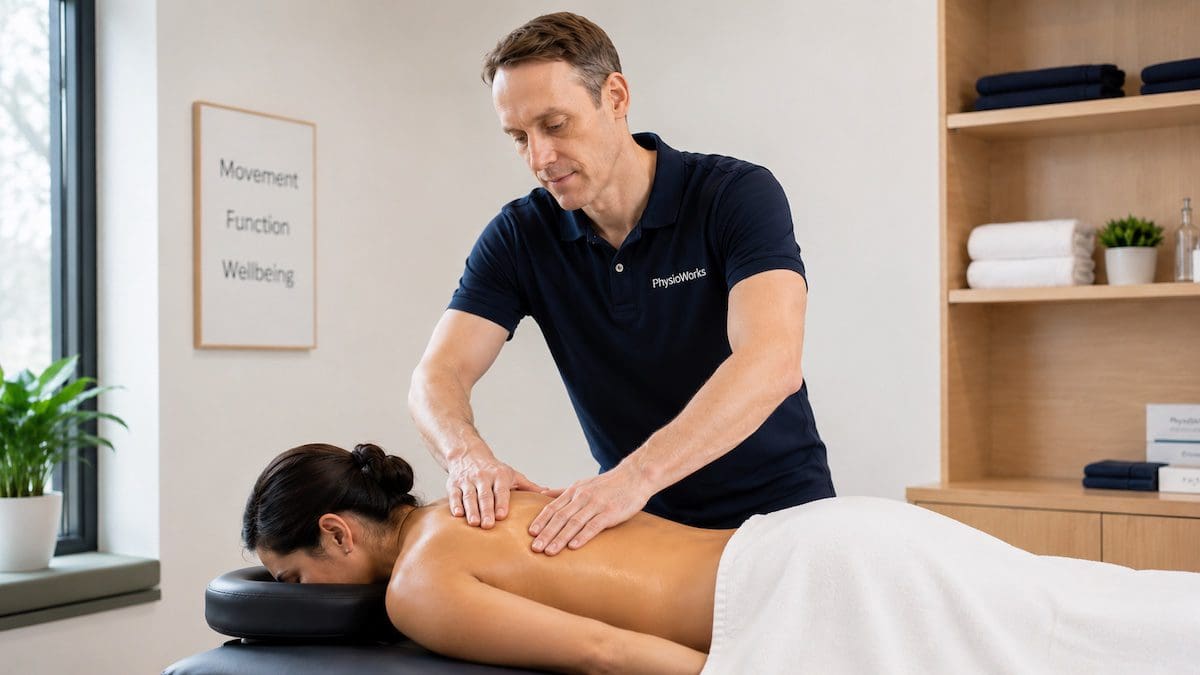
Massage benefits may include reduced muscle tension, short-term pain relief, improved relaxation, better movement comfort and support for exercise recovery.
Results vary between people. Your response may depend on your symptoms, the massage style, treatment pressure and whether massage forms part of a broader plan involving exercise, pacing or physiotherapy advice.
PhysioWorks offers several massage services in Brisbane. Your therapist can help match the treatment style to your goals, activity demands and preferred pressure.
Massage Benefits at a Glance
- short-term relief of muscular pain or soreness
- less muscle tension and protective tightness
- improved relaxation and reduced physical stress
- greater comfort during everyday movement
- support for recovery after work, sport or exercise
Book a Massage Appointment
Massage is available at selected PhysioWorks clinics. Choose your preferred clinic to view current booking options.
Which Type of Massage May Suit You?
Your preferred pressure, symptoms and treatment goals can help guide the choice.
Swedish Massage
Often suits relaxation, stress reduction and general muscular tension.
Deep Tissue Massage
May suit people who prefer firmer pressure through tight muscles.
Remedial Massage
Often suits targeted muscular pain, tightness or movement-limiting soft tissue problems.
Sports Massage
May suit active people seeking recovery support around training or competition.
Trigger Point Therapy
May suit localised muscle tightness and some referred muscular pain patterns.
Lymphatic Massage
May be discussed when swelling management forms part of your care plan.
What Are the Main Benefits of Massage?
Massage therapy may reduce muscular tension, ease short-term pain and help you feel more relaxed. It may also create a period of improved comfort in which everyday movement, stretching or exercise feels easier.
Many people book massage because they feel tight, stiff, overworked or sore after sport, desk work, travel or physically demanding employment.
Massage may be useful when symptoms relate to muscle pain, mild overload or post-exercise soreness such as delayed onset muscle soreness.
However, massage does not address every cause of pain. Persistent or recurring symptoms may also require exercise rehabilitation, load management, workplace changes or a clinical assessment.
When Massage May Help and When to Get Checked First
Massage may help with
- muscle tension
- general stiffness
- post-exercise soreness
- stress-related tightness
- day-to-day muscular overload
Get assessed first for
- severe or unexplained pain
- a recent fracture or major trauma
- new or unexplained swelling
- a suspected blood clot
- infection or concerning skin changes
How Can Massage Help Sore or Tight Muscles?
Massage may help sore or tight muscles by easing protective muscular guarding and improving short-term comfort. Some people feel less heavy, less restricted and more comfortable moving after treatment.
This change may provide a useful window for gentle mobility work, strengthening or a gradual return to normal activity. However, massage usually works best when it supports an active recovery plan rather than replacing one.
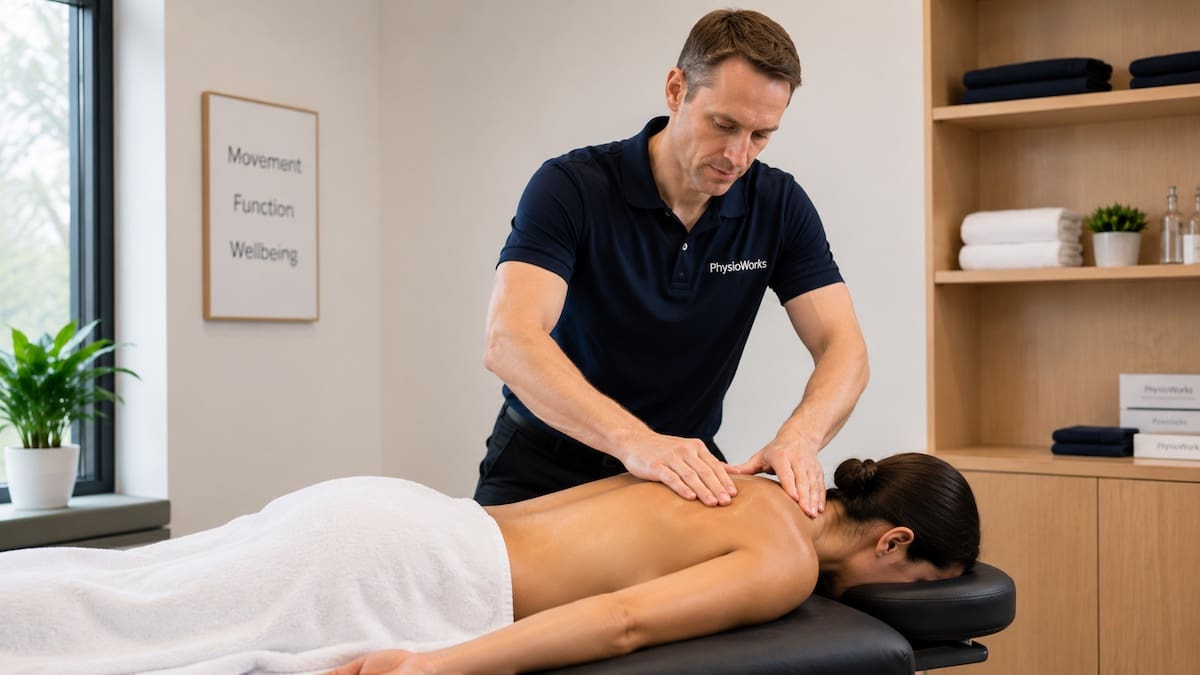
Targeted massage may ease upper-back and shoulder tension.
Massage Often Works Best Alongside Active Care
Massage may complement:
- appropriate exercise
- load management and pacing
- stretching or mobility work
- strength and conditioning
- physiotherapy advice when required
That broader approach can be useful after demanding training blocks, busy work periods or recurring muscular flare-ups.
Active people may prefer sports massage. Meanwhile, someone with a more localised muscular problem may prefer remedial massage or trigger point therapy.
Can Massage Help Stress, Sleep and Recovery?
Massage may support relaxation by helping the body settle after physical or mental overload. Many people report feeling calmer, less physically tense and more comfortable following treatment.
Reduced tension may make it easier to relax before sleep. However, massage does not directly treat every sleep problem, and individual responses vary.
When stress contributes to jaw clenching, neck and shoulder tension, headaches or poor recovery, massage may form one part of a wider strategy. Exercise, pacing, breathing exercises, sleep routines and appropriate health care may also help.
Who May Benefit From Massage Therapy?
Massage may suit people who feel tight, stiff, stressed, heavy or generally run down after work, training, travel or long periods in one position.
Common examples include office workers with neck or shoulder tightness, active people with recovery soreness and manual workers with overloaded muscles.
Some people also choose massage because they prefer a calm, hands-on treatment experience. Massage tends to suit symptoms that feel muscular.
Sharp pain, marked weakness, instability, neurological symptoms or unexplained swelling may require assessment before massage begins.
When May Massage Not Be Appropriate?
Massage is not suitable for every person or every condition. Treatment may need to be delayed, changed or avoided following a recent fracture, acute trauma, infection, suspected blood clot or certain skin conditions.
Severe unexplained pain, rapidly increasing swelling, fever, sudden weakness or new neurological symptoms also require appropriate medical or clinical assessment.
Tell your therapist about your health history, medications, recent injuries and current symptoms before treatment. This screening helps the therapist decide whether massage is suitable and what pressure or positioning is appropriate.
Is Massage Right for You?
Massage may suit you when muscular tightness, mild stiffness, stress or post-exercise soreness affects your comfort. The most suitable style depends on whether you want general relaxation, firmer pressure or targeted treatment of a specific muscular problem.
Swedish massage often suits relaxation and general muscular tension. Deep tissue massage may suit people who prefer firmer pressure.
Remedial massage is often a better starting point for targeted or function-limiting muscular symptoms.
Not Sure Which Massage Suits You?
Your massage therapist can discuss your symptoms, goals and preferred pressure before treatment. They can then recommend a suitable massage approach or advise when another assessment pathway may be more appropriate.
Massage Benefits: Frequently Asked Questions
What are the benefits of massage therapy?
Massage therapy may help reduce muscle tension, improve relaxation, ease short-term pain and support comfort with movement. People also use massage to manage post-exercise soreness, stress and day-to-day stiffness. The benefit depends on the reason for treatment and the massage style used.
How often should you get a massage?
The ideal frequency depends on your symptoms, workload, goals and budget. Some people book weekly or fortnightly during a demanding period. Others choose maintenance massage every three to six weeks. Recurring symptoms may also require changes to training, posture, exercise or work demands.
Can massage help chronic pain?
Massage may help some people with chronic pain, particularly when muscle tension, stress or guarded movement contribute to their symptoms. However, persistent pain is often complex. Massage usually works best as one part of a broader plan involving exercise, education, pacing and lifestyle support.
Is massage therapy safe for everyone?
Massage is suitable for many people, but it is not appropriate in every situation. Recent trauma, infection, suspected deep vein thrombosis, severe unexplained pain, some inflammatory flare-ups and certain health conditions may require massage to be modified or delayed.
What type of massage should I choose?
Choose a massage style that matches your goal. Swedish massage often suits relaxation and general tension. Deep tissue massage may suit people who prefer firmer pressure. Remedial massage often suits targeted muscular or soft tissue problems.
Can massage help mental wellbeing?
Massage may support mental wellbeing by helping you relax and feel less physically tense. Many people report feeling calmer after treatment. However, massage does not replace medical or psychological care when those services are needed.
What Should You Do Next?
Consider booking a massage when muscular tightness, recovery soreness or stress makes daily life less comfortable. Your therapist can match the treatment style to your goals and explain whether massage alone is suitable.
PhysioWorks offers massage appointments across Brisbane. Choose the clinic and therapist pathway that best fits your needs.
References
- Mak S, Kutner JS, Smith MC, et al. Use of massage therapy for pain, 2018–2023. JAMA Netw Open. 2024;7(7):e2425925.
- West KL, Mahr ID, Marcum ZA, et al. A systematic review of manual therapy modalities and anxiety. Complement Ther Med. 2024;82:103073.
- Gross AR, Paquin JP, Dupont G, et al. Massage for neck pain. Cochrane Database Syst Rev. 2024;2(2):CD004871.
- Nahon RL, Therese M, Grant M, et al. Physical therapy interventions for delayed onset muscle soreness: a systematic review. Physiother Theory Pract. 2021.
Remedial Massage Therapists
Our remedial massage therapists help relieve muscle tension, improve flexibility, reduce soft tissue pain, and support recovery from training loads, desk posture, and everyday physical stress.
Debbie Cox

Ashish Shrestha
Courtney Burgin

Massage Products
These muscle and soft tissue products are commonly used by our remedial massage therapists and physiotherapists to relax or loosen muscles.
-
 Gift Ideas, Christmas Gift Ideas, Exercise Equipment, Foot, Knee, Massage Tools, Pain Management
Footeez Lockeroom
$45.00Add to cartQuick View -
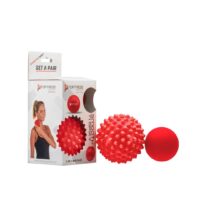 Exercise Equipment, Gift Ideas, Massage Tools
Smooth n Spiky Massage Balls (2 Pack)
$20.00Select optionsQuick View -
-
- Pain Management, Christmas Gift Ideas, Liniments & Gels, Product Search
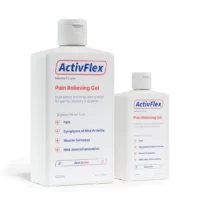
ActivFlex Pain Relief Gel
$27.95 – $42.95Select optionsQuick View -

-
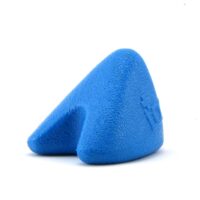
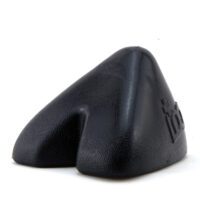
 Exercise Equipment, Back, Elbow, Foot, Massage Tools, Shoulder
Pocket Physio
$14.95Select optionsQuick View -


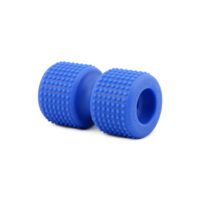
- Christmas Gift Ideas, Exercise Equipment, Gift Ideas, Massage Tools, Pain Management
Pocket Physio MAX
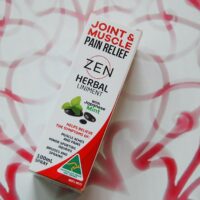
$24.95Select optionsQuick View - Liniments & Gels, Massage Liniments, Pain Management
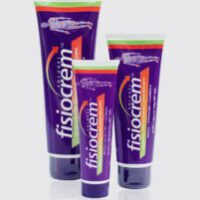
Fisiocrem
$16.95 – $39.95Select optionsQuick View -






{
“@context”: “https://schema.org”,
“@type”: “FAQPage”,
“mainEntity”: [
{
“@type”: “Question”,
“name”: “What are the benefits of massage therapy?”,
“acceptedAnswer”: {
“@type”: “Answer”,
“text”: “Massage therapy may help reduce muscle tension, improve relaxation, ease short-term pain and support comfort with movement. People also use massage to manage post-exercise soreness, stress and day-to-day stiffness. The benefit depends on the reason for treatment and the massage style used.”
}
},
{
“@type”: “Question”,
“name”: “How often should you get a massage?”,
“acceptedAnswer”: {
“@type”: “Answer”,
“text”: “The ideal frequency depends on your symptoms, workload, goals and budget. Some people book weekly or fortnightly during a demanding period. Others choose maintenance massage every three to six weeks. Recurring symptoms may also require changes to training, posture, exercise or work demands.”
}
},
{
“@type”: “Question”,
“name”: “Can massage help chronic pain?”,
“acceptedAnswer”: {
“@type”: “Answer”,
“text”: “Massage may help some people with chronic pain, particularly when muscle tension, stress or guarded movement contribute to their symptoms. However, persistent pain is often complex. Massage usually works best as one part of a broader plan involving exercise, education, pacing and lifestyle support.”
}
},
{
“@type”: “Question”,
“name”: “Is massage therapy safe for everyone?”,
“acceptedAnswer”: {
“@type”: “Answer”,
“text”: “Massage is suitable for many people, but it is not appropriate in every situation. Recent trauma, infection, suspected deep vein thrombosis, severe unexplained pain, some inflammatory flare-ups and certain health conditions may require massage to be modified or delayed.”
}
},
{
“@type”: “Question”,
“name”: “What type of massage should I choose?”,
“acceptedAnswer”: {
“@type”: “Answer”,
“text”: “Choose a massage style that matches your goal. Swedish massage often suits relaxation and general tension. Deep tissue massage may suit people who prefer firmer pressure. Remedial massage often suits targeted muscular or soft tissue problems.”
}
},
{
“@type”: “Question”,
“name”: “Can massage help mental wellbeing?”,
“acceptedAnswer”: {
“@type”: “Answer”,
“text”: “Massage may support mental wellbeing by helping you relax and feel less physically tense. Many people report feeling calmer after treatment. However, massage does not replace medical or psychological care when those services are needed.”
}
}
]
}
