
Calf Strain
Calf Strain and Tear


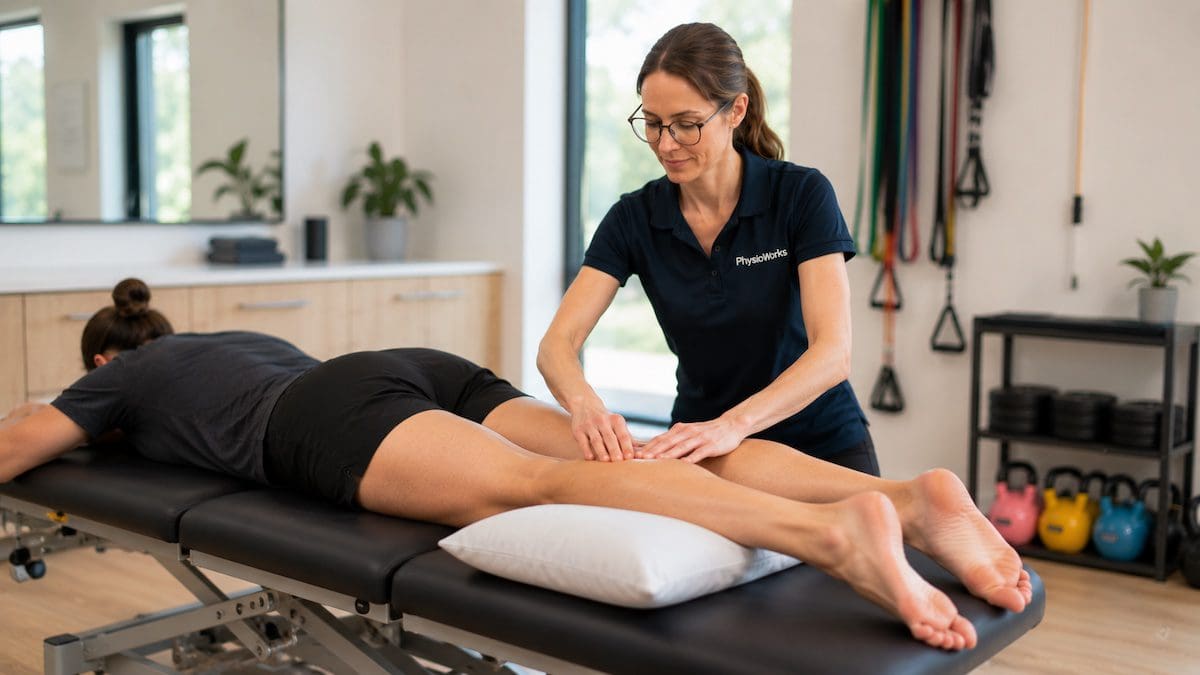
Physiotherapy assessment can help identify the likely severity of a calf strain and guide appropriate rehabilitation.
A calf strain occurs when muscle fibres in the calf are overloaded and injured. It can cause sudden pain, tightness, limping, bruising, swelling or difficulty pushing off during walking, running or jumping.
Calf injuries range from relatively mild strains to substantial muscle tears. Recovery depends on which tissues are involved, the loss of strength and function, previous calf injuries and the demands of your work, exercise or sport.
What Is a Calf Strain?
A calf strain is an injury to muscle fibres in the back of the lower leg. A larger injury may also be described as a calf tear or calf muscle tear. Calf strains are a common cause of calf pain, particularly in runners and people involved in sports requiring sprinting, jumping or rapid changes of direction.
The two main calf muscles are the gastrocnemius and soleus. Together, they help control the ankle and generate the force required for walking, climbing stairs, running, jumping and pushing off.
Gastrocnemius injuries often occur during faster or more explosive movements. Soleus injuries can sometimes be less dramatic initially and become more noticeable during running, repeated calf loading or activities performed with the knee bent.
How Severe Is a Calf Strain?
Calf strain severity exists on a spectrum. A simple grade does not always predict how long recovery will take, so assessment should consider symptoms and function as well as the tissues involved.
Walking
Can you walk normally, or are pain and weakness causing a limp?
Strength
Can you push off, climb stairs and perform a calf raise with reasonable control?
Swelling and bruising
Greater swelling or bruising may occur with a more substantial injury, although appearance alone does not determine severity.
Location
Assessment considers whether the gastrocnemius, soleus, connective tissue or Achilles region may be involved.
Activity demands
A calf that tolerates normal walking may still lack the strength and power required for running or sport.
Progress
Symptoms, strength and function should improve progressively as rehabilitation loading increases.
What Causes a Calf Strain?
Calf strains commonly occur when the calf muscles must generate or absorb force quickly. This may happen during sprinting, acceleration, jumping, pushing off, rapid stopping or changing direction.
Factors associated with calf strain can include:
- a previous calf strain or another muscle strain
- sudden increases in running speed, hills or training volume
- reduced calf strength, endurance or power
- fatigue during training or competition
- returning too quickly after a period of reduced activity
- limited lower-limb capacity for the required activity
- rapid exposure to high-speed or explosive loading.
What Does a Calf Strain Feel Like?
Symptoms vary according to the location and extent of the injury. Some people feel a sudden sharp pain or pulling sensation. Others describe feeling as though someone kicked them in the back of the calf.
Common symptoms include:
- pain in the back of the lower leg
- limping or difficulty walking normally
- pain or weakness when pushing off
- bruising, swelling or tenderness
- calf tightness or protective muscle guarding
- reduced strength during calf raises
- difficulty hopping, running, jumping or accelerating.
When Should Calf Pain Be Checked Urgently?
Most calf strains do not require emergency treatment. However, calf pain and swelling can occasionally have causes that need urgent medical assessment.
These symptoms can occur with conditions such as deep vein thrombosis. Read more about common causes of calf pain and calf warning signs.
Can You Walk on a Calf Strain?
Some mild calf strains tolerate gentle walking. The amount of walking should depend on your symptoms and how normally you can move.
- If you can walk comfortably without increasing your limp, gentle walking may be reasonable.
- If walking causes sharp or increasing pain, reduce the load.
- If you cannot push off normally or have marked weakness, arrange an assessment.
- If swelling, redness or warmth seems disproportionate to the injury, seek medical advice.
A calf tear can also resemble an Achilles rupture or other lower-leg condition, so assessment can be useful when symptoms are significant or the diagnosis is uncertain.
How Is a Calf Strain Assessed?
Your physiotherapist will usually ask how the injury occurred, where you feel the symptoms and which activities are difficult. Assessment may include walking, calf raises, ankle and knee movement, muscle strength, tenderness and progressively more demanding tasks when appropriate.
The aim is not simply to name the injured muscle. Assessment also identifies what your calf can currently tolerate and what needs to improve before you return to normal activity, running or sport.
Do You Need an Ultrasound or MRI?
Many calf strains can be assessed clinically without imaging. Ultrasound or MRI may be considered when the diagnosis is unclear, a more substantial tear is suspected, Achilles tendon injury needs to be excluded, or recovery is not progressing as expected.
Imaging can add useful information in selected injuries, but scan findings should be considered alongside pain, strength, walking ability and functional progress.
How Is a Calf Strain Treated?
Calf strain rehabilitation focuses on restoring comfortable movement, calf strength, endurance and the ability to tolerate the demands of everyday activity, running or sport.
-
Restore comfortable movement and walking
Early management may include relative activity modification, comfortable ankle and knee movement and gradually restoring a normal walking pattern. Compression or short-term symptom-relief strategies may also be used when appropriate.
-
Rebuild calf strength and endurance
Loading usually progresses from tolerable calf contractions to double-leg and single-leg calf raises. Straight-knee exercises emphasise the gastrocnemius, while bent-knee exercises provide more targeted soleus loading.
-
Reintroduce faster and spring-like loading
When strength and symptoms allow, rehabilitation may progress to faster calf work, hopping, landing and other tasks that prepare the calf for running and higher-force activity.
-
Restore running and sport demands
The final stage should reflect the activity you need to return to. Running, hills, acceleration, deceleration, jumping and change-of-direction work can be introduced progressively when relevant.
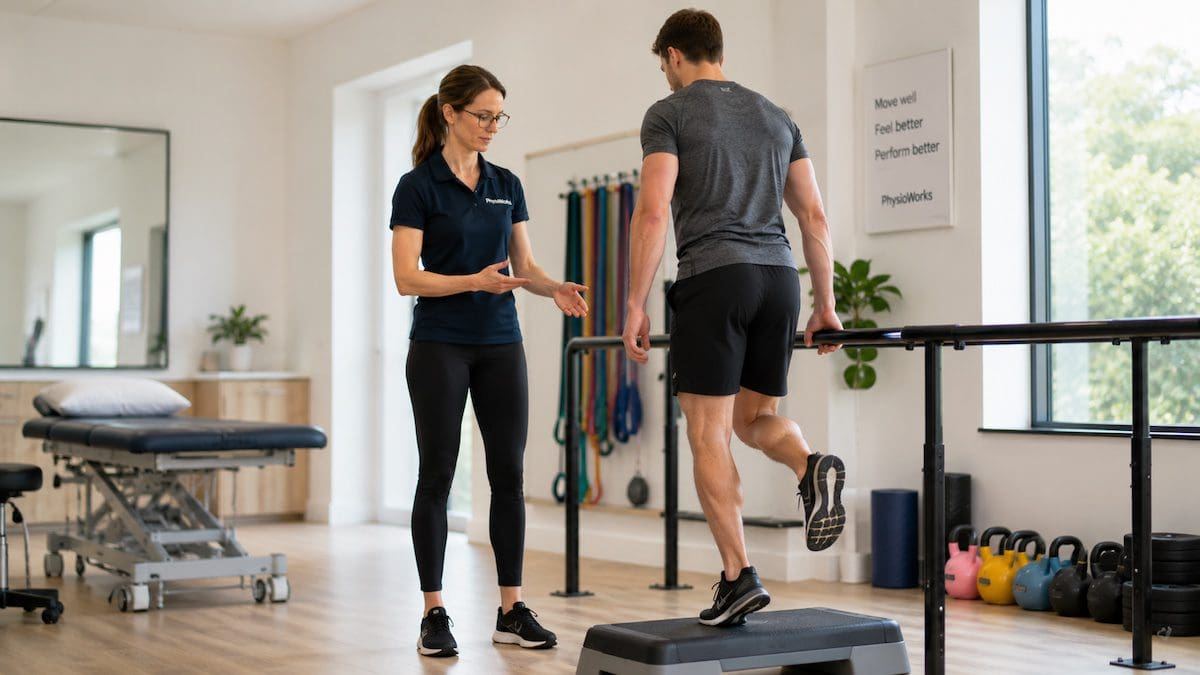
Progressive calf strengthening can rebuild the capacity needed for walking, running and sport.
What Exercises Are Used for Calf Strain Rehabilitation?
Exercise selection should match your symptoms, injury stage and goals. A rehabilitation program may include:
- double-leg calf raises
- single-leg calf raises
- bent-knee soleus strengthening
- controlled lowering or eccentric strengthening
- balance and lower-limb control exercises
- hopping and spring-like loading when appropriate
- graded walking and running
- sport-specific strength and conditioning.
The exact exercise matters less than matching the load to your current capacity and progressing it as strength and function improve.
Do Dry Needling or Taping Help?
Some people use short-term treatments such as dry needling or kinesiology taping for symptom management. These treatments are secondary to progressive rehabilitation and should not replace rebuilding calf strength and activity tolerance.
When Can You Start Running Again?
Return to running should be based on function rather than an exact number of days after injury. The calf needs enough strength and load tolerance for the demands you are about to place on it.
Useful progression markers can include:
- comfortable walking with a normal or near-normal stride
- improving calf-raise strength and endurance
- tolerance of repeated calf loading
- appropriate hopping or spring-like loading when required
- jogging without a significant increase in symptoms
- progressive tolerance of faster running
- restoration of the acceleration, hills, jumping or direction changes required for your activity.
A typical running progression may move from walking to brisk walking or marching, then walk-jog intervals, continuous running and progressively greater distance, speed or hills.
For broader advice about common running problems, see our running injuries guide.
How Can You Reduce the Risk of Another Calf Strain?
Previous calf strain is an important consideration when returning to activity. Rehabilitation should therefore restore more than pain-free movement.
Useful strategies include:
- maintaining gastrocnemius and soleus strength
- building calf endurance and power
- progressing running volume and intensity gradually
- reintroducing hills and faster running progressively
- preparing for the acceleration and change-of-direction demands of sport
- allowing appropriate recovery between demanding sessions
- maintaining conditioning during periods of reduced sport participation where practical.
Calf Strain FAQs
How do I know if my calf strain is serious?
Marked weakness, inability to walk normally, substantial bruising or swelling, a sudden snapping sensation or a visible defect can suggest a more significant injury. Prompt assessment is appropriate when function is substantially reduced or the diagnosis is uncertain.
How long does a calf strain take to heal?
Recovery varies considerably. Some mild calf strains return to normal daily activity within a few weeks, while larger or more complex injuries can take substantially longer. Muscle involvement, previous injury and the demands of your work or sport can all affect the timeframe.
Do I need a scan for a calf strain?
Most uncomplicated calf strains do not automatically require imaging. Ultrasound or MRI may be useful when the diagnosis is unclear, a substantial tear or Achilles injury is suspected, or recovery is not progressing as expected.
Can I keep training with a calf strain?
Continuing the same activity despite sharp or worsening calf pain can overload the injury. Training is usually modified initially while comfortable fitness and movement are maintained where appropriate. Running and sport loading can then be rebuilt progressively.
Should I stretch a strained calf?
Gentle comfortable movement is usually more useful than aggressive stretching early after injury. Strong stretching that increases pain is best avoided. Mobility can be progressed as symptoms settle and the calf tolerates greater load.
Can a calf strain come back?
Calf strains can recur, particularly when strength, endurance, power or running capacity have not been fully restored. Progressive rehabilitation and careful return to higher-speed activity can help reduce recurrence risk.
What is the difference between a calf strain and an Achilles injury?
A calf strain affects muscle or muscle-tendon tissue higher in the lower leg. Achilles injuries involve the tendon connecting the calf muscles to the heel. The location of pain, injury mechanism, strength testing and clinical examination can help distinguish them.
What Should You Do Next?
If calf pain is affecting walking, stairs, work, running, training or sport, physiotherapy assessment can help clarify the likely injury and identify the most appropriate rehabilitation pathway.
PhysioWorks physiotherapists can assess calf strength, walking and running function, Achilles involvement and the demands you need to return to.
Choose your clinic and appointment pathway
Select a PhysioWorks clinic to continue to live booking, an appointment request or reception assistance.
Calf Products
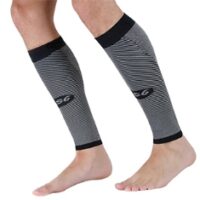
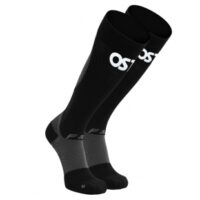
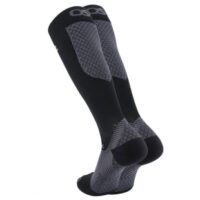
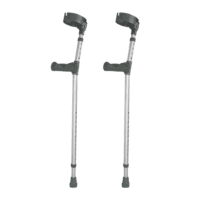
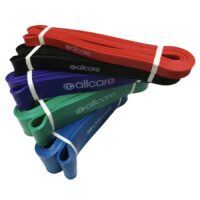
These calf products are commonly used by our physiotherapists to improve strength, provide comfort, improve flexibility, plus assist home exercise programs.
-
-

-
-
-
-

-
-
 Gift Ideas, Christmas Gift Ideas, Exercise Equipment, Foot, Knee, Massage Tools, Pain Management
Footeez Lockeroom
$45.00Add to cartQuick View -
 Ankle, Braces & Supports, Calf, Foot
Orthosleeve Compression Bracing Socks
$49.00Select optionsQuick View -
 Ankle, Back, Braces & Supports, Calf, Foot, Groin, Heel, Hip, Knee, Thigh, Walking
Forearm Crutches
$64.00Select optionsQuick View -
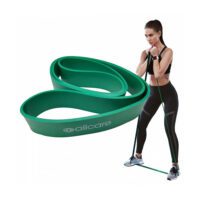 Exercise Equipment, Resistance Band
AllCare Powerloop Bands
$24.95 – $79.95Select optionsQuick View -
-
- Liniments & Gels, Massage Liniments, Pain Management
Fisiocrem
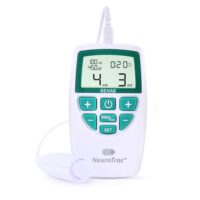
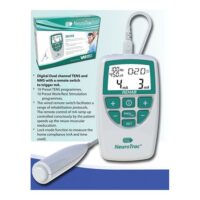
$16.95 – $39.95Select optionsQuick View - EMS Machines, Pain Management, TENS Machine, TENS Machine & EMS
NeuroTrac Rehab (TENS Machine + EMS)
$285.00Add to cartQuick View


References
- Green B, McClelland JA, Semciw AI, Schache AG, McCall A, Pizzari T. The assessment, management and prevention of calf muscle strain injuries: a qualitative study of the practices and perspectives of 20 expert sports clinicians. Sports Medicine – Open. 2022;8(1):10. doi:10.1186/s40798-021-00364-0.
- Pagan-Rosado R, Troyer W, Rosario-Concepcion R, et al. Calf strains in athletes: a narrative review of management, injury grading, and return to sport. Sports Medicine – Open. 2025;11:158. doi:10.1186/s40798-025-00960-4.
- SantAnna JPC, Pedrinelli A, Hernandez AJ, Fernandes TL. Muscle injury: pathophysiology, diagnosis, and treatment. Rev Bras Ortop (Sao Paulo). 2022;57(1):1-13. doi:10.1055/s-0041-1731417.
- Palermi S, Massa B, Vecchiato M, et al. Indirect structural muscle injuries of lower limb: rehabilitation and therapeutic exercise. J Funct Morphol Kinesiol. 2021;6(3):75. doi:10.3390/jfmk6030075.
- Ishøi L, Krommes K, Husted RS, et al. Diagnosis, prevention and treatment of common lower extremity muscle injuries in sport – grading the evidence: a statement paper commissioned by the Danish Society of Sports Physical Therapy. Br J Sports Med. 2020;54(9):528-537. doi:10.1136/bjsports-2019-101228.
Social Media
Follow PhysioWorks for practical information about calf pain, muscle and tendon injuries, exercise and rehabilitation.