
Headache Physiotherapy



Neck assessment can help identify physical factors linked with recurring headaches.
Headache physiotherapy may help when neck stiffness, jaw tension, movement, posture load or dizziness contribute to recurring symptoms. It does not treat every headache cause, and sudden, severe or unusual headaches need medical assessment first.
Headaches can come from migraine, the upper neck, the jaw, the vestibular system or several overlapping factors. This page helps you recognise common patterns and choose the most useful next step.
Quick Answer
Physiotherapy may be worth considering when headaches build with neck movement, jaw clenching, desk work, screen use, dizziness or sustained positions.
Seek medical care first when a headache is sudden, severe, clearly different from your usual pattern or occurs with weakness, confusion, speech trouble, collapse, fever or major vision changes.
What Is Headache Physiotherapy?
Headache physiotherapy assesses whether physical factors are adding to your symptoms. These may include neck movement, upper cervical joint sensitivity, jaw load, muscle tension, breathing habits, dizziness, work demands or exercise tolerance.
It does not replace medical care or migraine management. Instead, it helps identify treatable neck, jaw, balance or movement factors when serious causes have been excluded and physiotherapy is appropriate.
Posture may contribute when long periods of desk work, driving or phone use increase neck and jaw load. However, posture rarely acts alone. Sleep, stress, clenching, screen habits, hydration, movement variety and workload may also influence symptoms.
Which Headache Guide Should You Read?
Choose the pattern that most closely matches your symptoms. A page can guide your next step, but it cannot confirm a diagnosis.
Neck-Related Headache
Useful when head pain links with neck stiffness, restricted movement, posture load or pain beginning near the upper neck.
Jaw-Related Headache
Useful when headaches occur with clenching, chewing pain, facial tension, jaw clicking or temple discomfort.
Migraine
Useful when headaches involve nausea, light or sound sensitivity, visual symptoms or strong disruption to normal activity.
Dizziness With Headache
Useful when headaches overlap with vertigo, motion sensitivity, visual discomfort or difficulty in busy environments.
Sudden or Severe Headache
Use this pathway when symptoms are new, extreme, rapidly worsening or clearly different from previous headaches.
Headache, Neck and Jaw Pain
Useful when symptoms overlap and you are unsure whether the neck, jaw, migraine or several factors are involved.
Seek Urgent Medical Care If
- The headache begins suddenly and becomes extremely severe within seconds or minutes.
- You notice new weakness, facial drooping, numbness, confusion or speech trouble.
- You collapse, faint, have a seizure or cannot walk safely.
- You develop major vision loss, double vision or another sudden neurological change.
- The headache occurs with fever, marked neck stiffness, a rash or severe illness.
- The headache follows a significant head injury and symptoms are worsening.
Arrange Prompt Medical Review If
- Your headache pattern is new, changing or progressively worsening.
- Headaches first begin after age 50.
- Pain regularly follows exertion, coughing, sneezing or sexual activity.
- You have unexplained weight loss, immune compromise or a history of cancer.
- Your usual treatment no longer helps or the symptoms feel different from previous episodes.
Healthdirect also provides Australian guidance about headache warning signs and medical care.
What Headache Patterns Do Physiotherapists Assess?
People seeking headache physiotherapy often have more than one contributing factor. Migraine may overlap with neck sensitivity. Jaw clenching may occur with poor sleep and stress. Dizziness may point towards vestibular involvement.
Neck-Related Pattern
Pain may begin near the upper neck or base of the skull and spread towards the temple, forehead or eye. Neck movement or sustained positions may aggravate symptoms.
Jaw-Related Pattern
Clenching, grinding, chewing or prolonged talking may increase temple, facial or head pain. Neck tension may occur at the same time.
Migraine Pattern
Symptoms may include throbbing pain, nausea, light or sound sensitivity, visual changes and reduced ability to work or exercise.
Tension-Type Pattern
Pain may feel like pressure or tightness around the forehead, temples or both sides of the head.
Vestibular Pattern
Headache may overlap with vertigo, motion sensitivity, unsteadiness, visual discomfort or difficulty in busy environments.
Mixed Pattern
Sleep, stress, neck stiffness, jaw load, migraine, screen use and changing work or training demands may combine.
What Symptoms May Occur With Headaches?
Headaches often involve more than head pain. The associated symptoms can help guide assessment and determine whether medical, migraine, jaw, neck or vestibular care should come first.
- Pressure, tightness or throbbing around the temples or forehead.
- Neck pain, stiffness or restricted movement.
- Jaw tension, clenching, clicking or facial discomfort.
- Symptoms that build during screen use or sustained sitting.
- Light, sound or smell sensitivity.
- Nausea or reduced appetite during a flare.
- Dizziness, motion sensitivity or visual discomfort.
- Symptoms linked with poor sleep, stress, skipped meals or dehydration.
How Physiotherapy May Help Headaches
Physiotherapy may help when physical factors such as neck stiffness, jaw load, movement sensitivity, posture demands or reduced exercise tolerance contribute to the headache pattern.
- Assess neck movement, joint sensitivity, muscle function and symptom responses.
- Review jaw loading, clenching and facial muscle tension where relevant.
- Identify work, screen, exercise or movement habits that aggravate symptoms.
- Improve neck and jaw movement, control and confidence.
- Develop exercises and self-management strategies matched to the likely drivers.
- Coordinate care with your GP, dentist or other health professionals when needed.
What Happens During a Headache Physiotherapy Assessment?
Your physiotherapist will ask about the headache location, behaviour, frequency, duration and associated symptoms. They may also review migraine history, dizziness, jaw symptoms, sleep, stress, medication use, work demands and previous investigations.
Physical assessment may include:
- neck movement and symptom response
- upper cervical joint and muscle assessment
- jaw opening, clenching and movement patterns
- posture and sustained-position tolerance
- balance, eye-head movement or motion sensitivity where relevant
- exercise, work or sport activities that trigger symptoms
The assessment should also identify symptoms that need medical review rather than physiotherapy treatment.
What Treatment May Be Included?
Treatment should match the likely headache pattern. One standard programme does not suit every person.
Your plan may include:
- targeted neck mobility or control exercises
- graded strengthening and endurance work
- manual therapy when neck findings support its use
- jaw relaxation, movement and load-management strategies
- screen, desk and movement-break advice
- breathing, pacing and recovery strategies
- vestibular exercises when dizziness or motion sensitivity is involved
- a gradual return to exercise, work or sport
Jaw-specific symptoms may also benefit from the TMJ treatment and jaw pain guide.
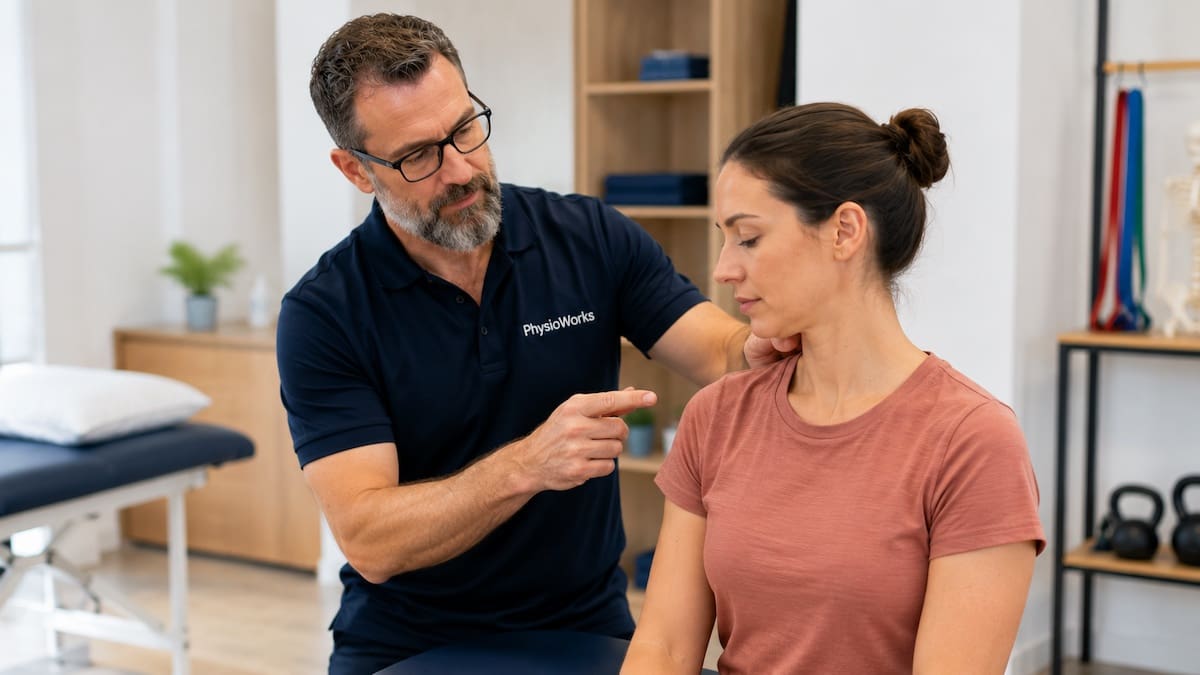
Guided neck control exercises may form part of a headache management plan.
Why Do Headaches Keep Coming Back?
Recurring headaches often continue because several triggers overlap. A person may have migraine plus neck sensitivity. Another person may have jaw clenching, poor sleep and long periods of screen work.
Symptoms may settle temporarily if only one factor is addressed. A broader plan may need to consider movement, neck and jaw load, sleep, recovery, activity levels and migraine management.
Physical Factors
- neck stiffness or reduced movement
- jaw clenching or grinding
- low neck or shoulder endurance
- sudden changes in exercise or workload
Health and Lifestyle Factors
- poor or disrupted sleep
- stress and reduced recovery
- skipped meals or dehydration
- migraine, hormonal or medication factors
Is Headache Physiotherapy Suitable for You?
Physiotherapy may be worth considering when your symptoms fit one or more of these patterns:
- Headaches increase with neck movement or sustained posture.
- You notice neck stiffness, jaw tension or clenching.
- Desk work, driving or screen use regularly aggravates symptoms.
- Dizziness or motion sensitivity overlaps with your headaches.
- Symptoms keep returning despite rest or medication alone.
- You need help returning to exercise, work or normal activity.
Medical assessment should come first when symptoms are sudden, severe, unusual, worsening or linked with warning signs.
Choose Your Next Step
Consider Physiotherapy
Your headaches link with neck stiffness, jaw load, screen use, movement, posture demands or dizziness.
See Your GP First
Your pattern is new, changing, worsening, unexplained or associated with broader health concerns.
Seek Urgent Care
The headache is sudden or extreme, or occurs with weakness, confusion, collapse, speech trouble, fever or major vision change.
What to Do Next
Arrange medical review first if your headaches are new, changing, severe or associated with warning signs.
Consider a physiotherapy assessment when recurring headaches appear linked with neck movement, jaw tension, screen use, posture demands, dizziness or exercise tolerance. Bring details about your headache pattern, triggers, medication, previous investigations and associated symptoms.
Headache Physiotherapy FAQs
What is the difference between migraine and a headache?
Migraine is a specific neurological headache disorder, not simply a strong headache. It may include nausea, light or sound sensitivity, visual symptoms and major disruption to work or activity. Other headaches may feel more like pressure, tightness or pain related to the neck or jaw.
Can neck problems make migraine symptoms worse?
Neck pain and stiffness may add to migraine symptoms in some people. The neck may not be the main cause, but it can increase symptom load during a flare. Assessment can help identify whether neck treatment should form one part of a broader migraine plan.
Can jaw problems cause headaches?
Jaw clenching, temporomandibular disorders and facial muscle overload can refer pain towards the temples, face, side of the head or around the eyes. Jaw-related headaches may also overlap with neck tension, stress and disrupted sleep.
Can posture cause headaches?
Posture may contribute when prolonged desk work, driving or phone use increases neck and jaw load. However, posture is usually only one part of the pattern. Sleep, stress, movement variety, clenching and workload may also matter.
What should I do if migraines are frequent?
See your GP when migraines are new, changing, severe or poorly controlled. Medical treatment may remain central. Physiotherapy may support care by assessing neck, jaw, movement or exercise factors that contribute to the overall symptom load.
When does dizziness change the treatment plan?
Dizziness, vertigo, motion sensitivity or visual discomfort may indicate vestibular involvement rather than a neck or jaw problem alone. These symptoms may require vestibular assessment and a treatment plan matched to the likely cause.
Can physiotherapy stop headaches from returning?
Physiotherapy cannot guarantee that headaches will stop. Migraine, sleep, stress, hormones, medication and medical factors may all contribute. However, physiotherapy may help reduce recurring physical triggers when neck stiffness, jaw load, posture demands or reduced exercise tolerance are involved.
Choose your clinic and appointment pathway
Select a PhysioWorks clinic to continue to live booking, an appointment request or reception assistance.
Product note: These products may support comfort, posture or home exercise, but they should match your headache pattern and treatment plan.
Headache Products
These headache products are commonly used by our physiotherapists to improve pain relief, neck strength and flexibility, posture, movement, plus assist home exercise programs.
-
- Back, Braces & Supports, Posture, Shoulder
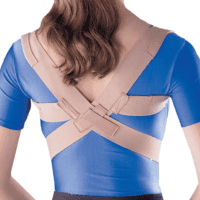
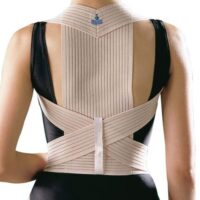
OPPO 2075 Posture Aid & Clavicle Brace
$35.00Select optionsQuick View -
-
- Neck, Christmas Gift Ideas, Gift Ideas, Pillows/Cushions, Posture
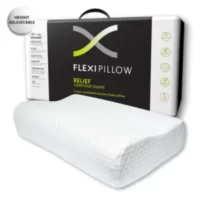
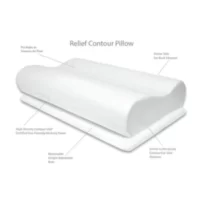
FlexiPillow Relief Contour Pillow
$109.95Add to cartQuick View -
-
 Exercise Equipment, Gift Ideas, Massage Tools
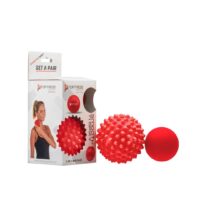
Smooth n Spiky Massage Balls (2 Pack)
$20.00Select optionsQuick View - TENS Machine & EMS, Gift Ideas, Pain Management, TENS Machine
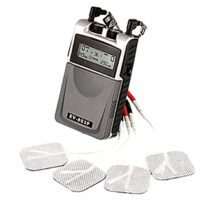
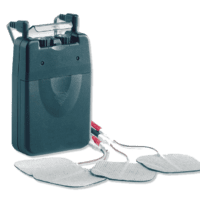
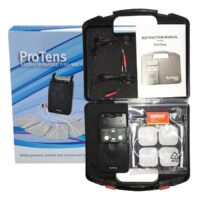
Pro Tens Machine
$69.95Add to cartQuick View -
- Braces & Supports, Back, Neck, Posture, Shoulder
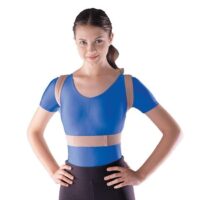
OPPO 2175 Posture Aid & Clavicle Brace
$59.95Select optionsQuick View - Christmas Gift Ideas, Neck, Pillows/Cushions
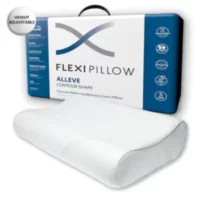
FlexiPillow Alleve Pillow
$109.95Add to cartQuick View - Pain Management, Christmas Gift Ideas, Gift Ideas, TENS Machine, TENS Machine & EMS
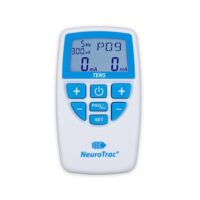
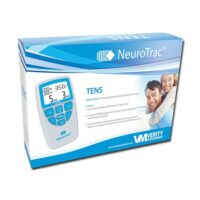
NeuroTrac TENS Machine
$219.00Add to cartQuick View -

-
-

 Back, Exercise Equipment, Neck, Resistance Band
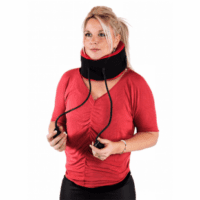
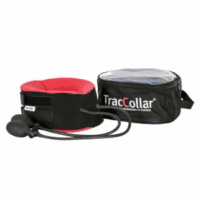
66Fit Over Door Neck Traction Unit
$63.00Add to cartQuick View





References
- Reina-Varona Á, Madroñero-Miguel B, Fierro-Marrero J, Paris-Alemany A, La Touche R. Efficacy of various exercise interventions for migraine treatment: a systematic review and network meta-analysis. Headache. 2024;64(7):873–900. doi:10.1111/head.14696.
- Jung A, Eschke RC, Struss J, Taucher W, Luedtke K. Physical therapist interventions to reduce headache intensity, frequency and duration in patients with cervicogenic headache: a systematic review and network meta-analysis. J Orthop Sports Phys Ther. 2024;54(4):1–18. doi:10.2519/jospt.2024.12063.
- Bizzarri P, Manfredini D, Koutris M, Bartolini M, Buzzatti L, Bagnoli C, Scafoglieri A. Temporomandibular disorders in migraine and tension-type headache patients: a systematic review with meta-analysis. J Oral Facial Pain Headache. 2024;38(2):11–24. doi:10.22514/jofph.2024.011.
- Demont A, Olivier B, Bertrand P, et al. Efficacy of physiotherapy interventions for the management of adults with cervicogenic headache: a systematic review and meta-analyses. PM R. 2023;15(5):613–628. doi:10.1002/pmrj.12856.
