
Migraine
Migraine commonly causes recurring attacks and may involve throbbing pain, nausea, sensitivity to light or sound, and sometimes aura.
Headaches are broadly classified as primary or secondary. Knowing the difference can help guide assessment, treatment and when medical review is appropriate.


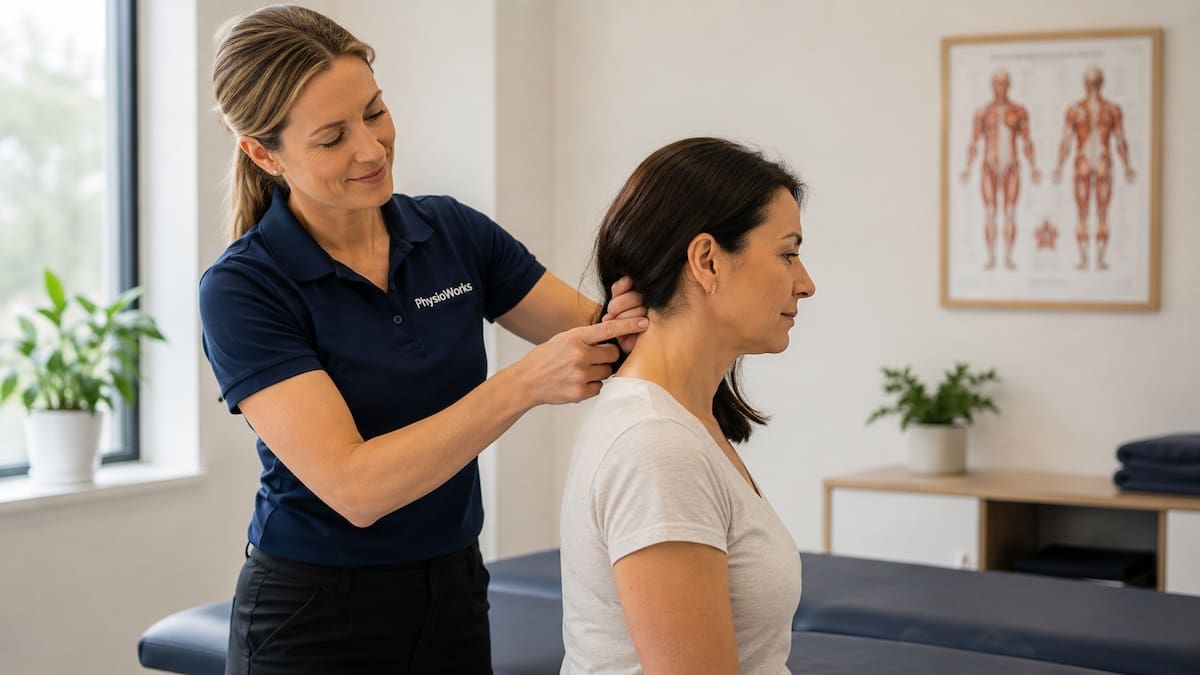
Neck assessment can help determine whether musculoskeletal factors may contribute to a headache.
A headache may be classified as primary or secondary. The distinction describes what is causing the headache rather than how severe the pain feels.
With a primary headache, the headache disorder is the main condition. With a secondary headache, another condition is considered to be causing the headache.
Primary headache
The headache disorder itself is the condition. Examples include migraine, tension-type headache and cluster headache.
Secondary headache
Another condition or problem causes the headache. Examples include cervicogenic headache and some headaches associated with trauma, medication overuse or illness.
Why the difference matters
Headaches can feel similar even when their causes differ, so the classification can change the appropriate assessment and treatment pathway.
This distinction matters because two headaches can feel similar while needing different assessment or treatment. A careful history is usually the starting point, followed by an examination or further medical assessment when required.
Primary headaches are headache disorders that are not attributed to another underlying health condition. They can still be severe, recurring and disruptive to daily life.
Three well-known primary headache groups are:
Migraine commonly causes recurring attacks and may involve throbbing pain, nausea, sensitivity to light or sound, and sometimes aura.
Tension-type headache commonly feels like pressure or tightness and often affects both sides of the head.
Cluster headache causes severe attacks, usually around one eye or temple, and often occurs in repeated periods or clusters.
The International Classification of Headache Disorders provides the internationally recognised classification of primary and secondary headache disorders.
A secondary headache occurs when another disorder or health problem causes the headache. In these cases, identifying and managing the underlying cause is an important part of the care pathway.
Examples include headaches attributed to:
Neck disorders
A confirmed cervical source may produce a cervicogenic headache.
Head or neck trauma
Headache may develop after an injury, including some whiplash presentations.
Jaw disorders
Some temporomandibular disorders can contribute to headache and facial pain.
Medication or substances
Some medicines, medication overuse or substance withdrawal can cause secondary headache.
Infection or inflammation
Sinus infection, meningitis and other illnesses can sometimes cause headache.
Other medical conditions
Eye, vascular, neurological and other medical disorders can also cause secondary headaches.
Yes. Headache patterns can overlap, and a person can have more than one headache disorder. For example, someone with migraine may also have neck stiffness or jaw symptoms.
Likewise, having jaw tension or tenderness does not automatically establish a jaw-related headache. Clinicians consider the history, symptom behaviour, examination findings and relevant medical factors together.
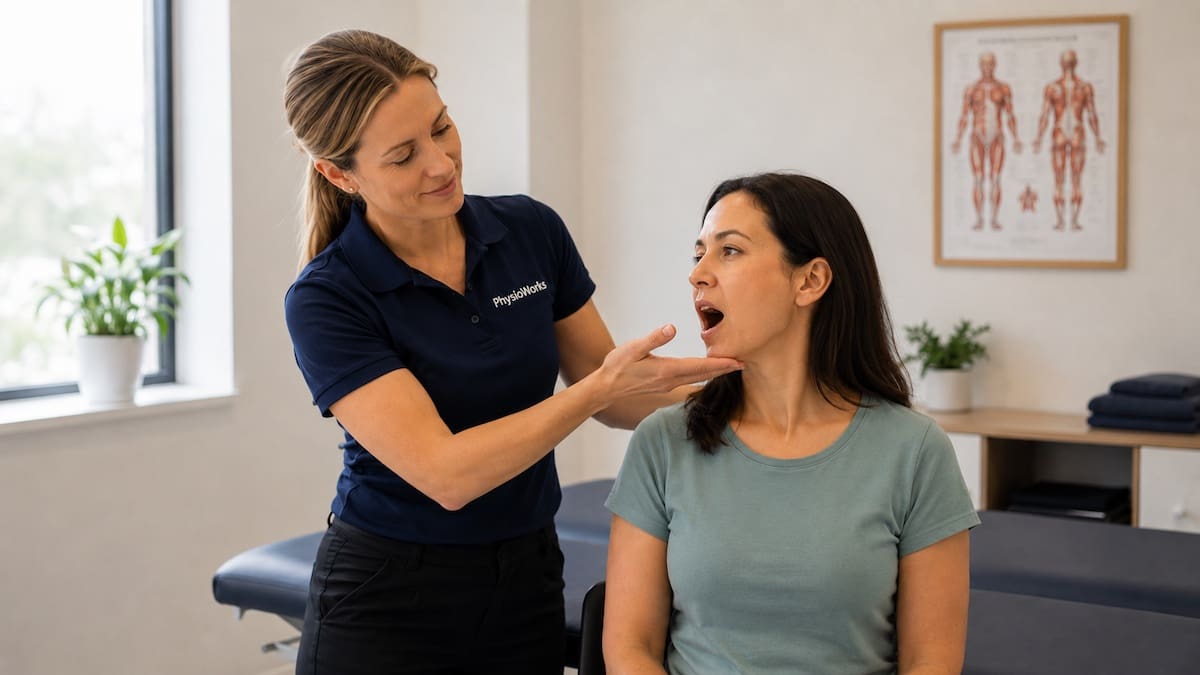
Neck or jaw symptoms can provide useful clues, but they do not identify the headache type on their own.
Identifying the likely headache type helps determine the most appropriate next step. Primary headache disorders may benefit from medical management, trigger or pattern review and lifestyle strategies. Secondary headaches require attention to the condition causing them.
For example, confirmed cervicogenic headache may involve management of relevant neck movement, strength and function. A jaw-related presentation may need assessment of the jaw and surrounding structures. A new or unusual headache may need medical assessment before musculoskeletal treatment is considered.
Some features can make a musculoskeletal contribution worth assessing. However, no single feature confirms the diagnosis.
Neck movement
Headache consistently changes with particular neck movements or sustained neck positions.
Jaw symptoms
Headache occurs with jaw pain, restricted movement, clenching, chewing symptoms or other jaw complaints.
Injury history
The headache began after a relevant head or neck injury and follows a pattern that warrants assessment.
These clues need to be interpreted in context. Migraine and other primary headache disorders can also involve neck discomfort, muscle tenderness and movement sensitivity.
Most headaches are not caused by a serious illness. However, some headache patterns need urgent medical attention or timely medical assessment.
Healthdirect provides further Australian guidance about headaches and when to seek medical care.
Physiotherapy may be useful when assessment suggests a musculoskeletal contributor, particularly in a cervicogenic headache or some neck, jaw or post-whiplash presentations.
A physiotherapy assessment may consider:
When cervicogenic headache is considered likely, management may include education, appropriate exercise, movement strategies and other physiotherapy approaches. Treatment should match the individual assessment rather than assuming that every headache with neck pain has a cervical cause.
A primary headache is the headache disorder itself, such as migraine, tension-type headache or cluster headache. A secondary headache occurs because another condition or problem is causing the headache.
Yes. Migraine is classified as a primary headache disorder. However, people with migraine can also have neck pain, jaw symptoms or another headache disorder at the same time.
No. Neck pain and stiffness can occur with migraine and other headache disorders. Cervicogenic headache is considered when there is evidence that a cervical disorder is contributing to the headache, rather than from neck tenderness or stiffness alone.
Yes. Some temporomandibular disorders can be associated with headache. Jaw pain, clenching or clicking alone does not confirm the cause, so the overall symptom pattern should be assessed.
Yes. Headache can occur after head or neck trauma, including whiplash. The timing, symptom pattern, examination findings and any warning signs help guide whether physiotherapy or medical assessment is appropriate.
Seek emergency medical help for a sudden severe headache or a headache with concerning symptoms such as confusion, neck stiffness, significant vision change, seizure, loss of balance, or fever with vomiting. See a doctor for headaches that are changing, worsening, frequent, disabling or begin after a head injury.
If you are unsure whether your headache fits a primary or secondary pattern, the safest next step depends on your symptoms and history.
Start with the Headaches & Migraines guide if you would like to compare headache types. Arrange medical assessment first for a new, changing or unexplained headache, particularly when warning signs are present.
If your headache pattern appears related to your neck, jaw or previous neck injury and there are no urgent warning signs, a physiotherapist may assess whether musculoskeletal factors are contributing and discuss appropriate management or referral.
Select a PhysioWorks clinic to continue to live booking, an appointment request or reception assistance.
