
Anterior Shin Splints


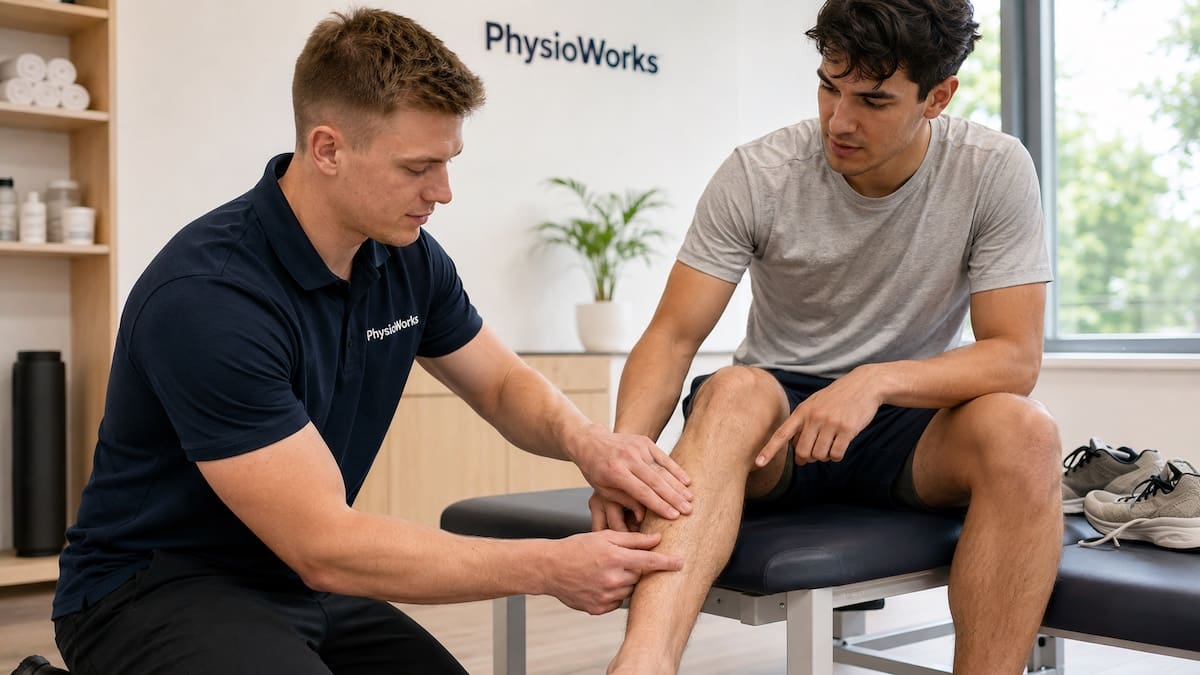
Front shin assessment for running-related shin pain.
What Are Anterior Shin Splints?
Anterior Tibial Stress Syndrome
Anterior shin splints cause pain along the front of the shin bone, usually during running, jumping, fast walking or hill work. The pain often starts gradually, settles with rest, then returns when training load increases again.
This condition is sometimes called anterior tibial stress syndrome. It sits within the broader shin splints family, but it affects the front of the tibia more than the inner shin. It also needs to be separated from tibial stress fractures, because bone stress injuries may need stricter load control.
Anterior shin splints commonly affect runners, team-sport athletes, military recruits, walkers and people who suddenly increase training volume. A sports physiotherapist can assess your shin, training load, footwear and running mechanics to guide safe recovery.
Quick Summary
- Common area: pain along the front or outer front edge of the shin.
- Typical trigger: running, jumping, hills, speed work or sudden training increases.
- Key risk: symptoms may progress towards tibial bone stress if load keeps rising.
- Useful care: load management, strength work, footwear review and graded return to running.
- Get checked early: especially with focal bone pain, night pain or pain during walking.
Symptoms of Anterior Shin Splints
Anterior shin splints may cause:
- Aching or sharp pain along the front of the shin bone
- Pain that worsens with running, jumping or walking uphill
- Tenderness when you press along the front or outer border of the tibia
- Mild swelling or a full feeling in the lower leg
- Stiffness at the start of exercise that sometimes eases as you warm up
Symptoms usually start gradually. Many people ignore early signs because the pain settles with rest. Over time, the pain can appear earlier in a run, last longer afterwards, and may even be present with everyday walking.
For more information about related conditions, you may also like to read about shin pain, general shin splints and posterior shin splints.
Why Does Pain at the Front of the Shin Occur?
The tibialis anterior muscle helps lift your foot and control how it lowers to the ground. With repetitive loading, the muscle and the tissues that attach to the shin bone can become overloaded.
Common contributing factors include:
- Rapid increases in running or walking distance
- Sudden addition of hills, intervals or speed work
- Running on hard or cambered surfaces
- Foot biomechanics such as overpronation or high arches
- Worn-out or inappropriate footwear
- Weakness or fatigue in the calf and lower leg muscles
These factors increase local stress on the tibia and the surrounding soft tissues. Over time, symptoms may progress from irritated soft tissue and bone loading to a tibial bone stress injury if load is not adjusted. A combination of training load review and gait analysis can be very helpful.
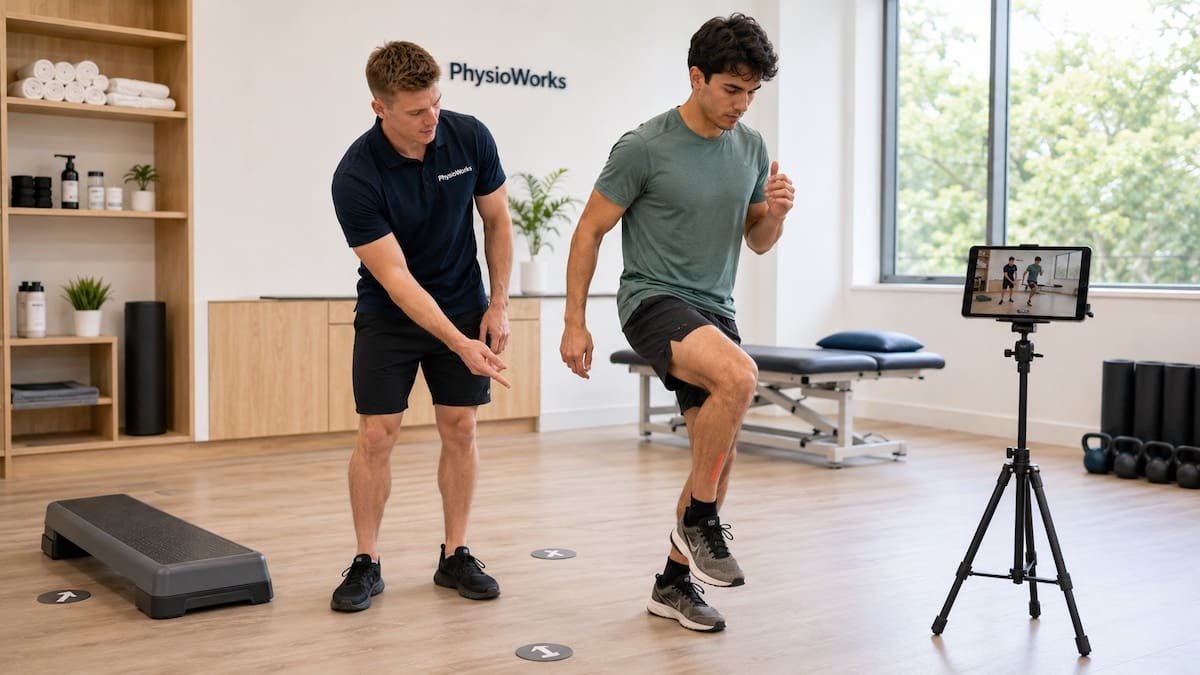
Gait assessment for front shin load control.
Anterior Shin Splints vs Tibial Stress Fracture
Anterior shin splints and tibial stress fractures can both cause shin pain during running. The key difference is often the pattern of pain. Shin splints usually cause broader, more diffuse pain. A tibial stress fracture often causes sharper, more localised pain over a small area of bone.
Seek assessment promptly if you notice:
- pain over one small, specific point on the tibia
- pain that worsens as you continue running
- shin pain during normal walking
- night pain or pain at rest
- symptoms that keep worsening despite reduced training
Your physiotherapist or doctor may recommend imaging if a bone stress injury is suspected. Early assessment helps protect training time and reduces the risk of pushing a bone injury too far.
How Are Anterior Shin Splints Diagnosed?
Your physiotherapist will usually:
- Discuss your symptoms and training or activity changes
- Assess your walking and running pattern
- Palpate along the tibia and surrounding muscles
- Test strength and endurance of the calf and lower leg muscles
- Review your footwear and, where relevant, your orthotics
Imaging is not always required for anterior shin splints. However, X-rays, MRI or other scans may be arranged if a bone stress injury is suspected, symptoms are severe, or progress is slower than expected.
For more information about bone stress injuries and how they are assessed, visit our tibial stress fracture page.
Treatment for Anterior Shin Splints
Shin pain usually settles best with a staged approach that combines pain relief, load management and progressive strengthening. Your plan should match your symptoms, goals, training history and bone stress risk.
1. Settle Pain and Irritation
In the early phase, your physiotherapist may recommend:
- Short-term reduction or pause in painful running and jumping
- Ice or cooling to help ease pain after activity
- Relative rest with cross-training options such as cycling or swimming
- Supportive taping, bracing or compression where suitable
- Medical review for anti-inflammatory or pain relief advice where appropriate
- Dry needling or other soft tissue techniques if indicated
The aim is to calm symptoms while keeping you as active as safely possible.
2. Restore Flexibility and Joint Motion
As pain settles, your physiotherapist may help restore normal movement at the ankle and foot. Treatment may include:
- Manual physiotherapy techniques to the ankle and foot
- Targeted stretching of the calf and tibialis anterior muscles
- Mobility exercises for ankle, foot and lower leg control
3. Optimise Foot Biomechanics
Foot posture and loading patterns can influence tibial stress. Your physiotherapist may consider:
- Orthotics or shoe inserts to improve load distribution
- Active foot posture exercises to improve strength and control
- Footwear review, including cushioning, support and wear patterns
4. Strengthen the Lower Leg and Kinetic Chain
Progressive strengthening is essential to reduce recurrence. This may include:
- Strengthening of the tibialis anterior and calf muscles
- Balance and control drills for the ankle and foot
- Hip and trunk strengthening to support better running mechanics
- Sport-specific or running-specific progressions when symptoms allow
Your physiotherapist will tailor exercise progressions to your sport or activity goals.
How Do You Return to Running After Anterior Shin Splints?
A graded return-to-running plan helps rebuild shin capacity without repeated flare-ups. Your physiotherapist will usually match the plan to your pain levels, training history, footwear, strength and running goals.
| Stage | Main Goal | Typical Focus |
|---|---|---|
| Settle symptoms | Reduce shin irritation | Reduce painful running, use cross-training, and restore comfortable walking. |
| Rebuild strength | Improve load tolerance | Strengthen tibialis anterior, calf, foot, hip and trunk control. |
| Walk–jog return | Reintroduce running safely | Use short intervals, monitor symptoms, and avoid hills and speed work early. |
| Performance build | Return to normal training | Progress distance, pace, hills and sport-specific drills gradually. |
Many people benefit from gait analysis to fine-tune stride length, cadence and foot strike pattern. Small technique changes may reduce repeated load on the front of the shin.
How Long Does Anterior Shin Splints Pain Take to Heal?
Recovery time varies. Mild cases may settle within a few weeks when training loads and footwear are addressed early. Longer-standing or more severe problems, and any case that has progressed towards a bone stress injury, can take several months.
Your physiotherapist will consider:
- How long you have had symptoms
- Your training history and upcoming events
- Your current pain behaviour with walking, running and stairs
- Bone stress risk factors, such as previous stress fractures or low energy availability
In many situations, you can keep active with adjusted training while the shin pain improves.
Can You Reduce Your Risk of Shin Pain Returning?
You cannot prevent every injury, but you can lower your risk with sensible training habits:
- Increase running or walking distance gradually
- Avoid making large changes in hills, speed or surfaces in one week
- Rotate or replace worn shoes before cushioning breaks down
- Include strength and balance work for the foot, ankle and hip
- Add regular mobility work and a simple warm-up before harder sessions
- Use recovery weeks when training volume or intensity has increased
If you have a history of shin pain or bone stress injuries, ask your physiotherapist for an individual prevention plan that includes load management, strength work and nutrition considerations. You may also find our information on warm-up routines helpful.
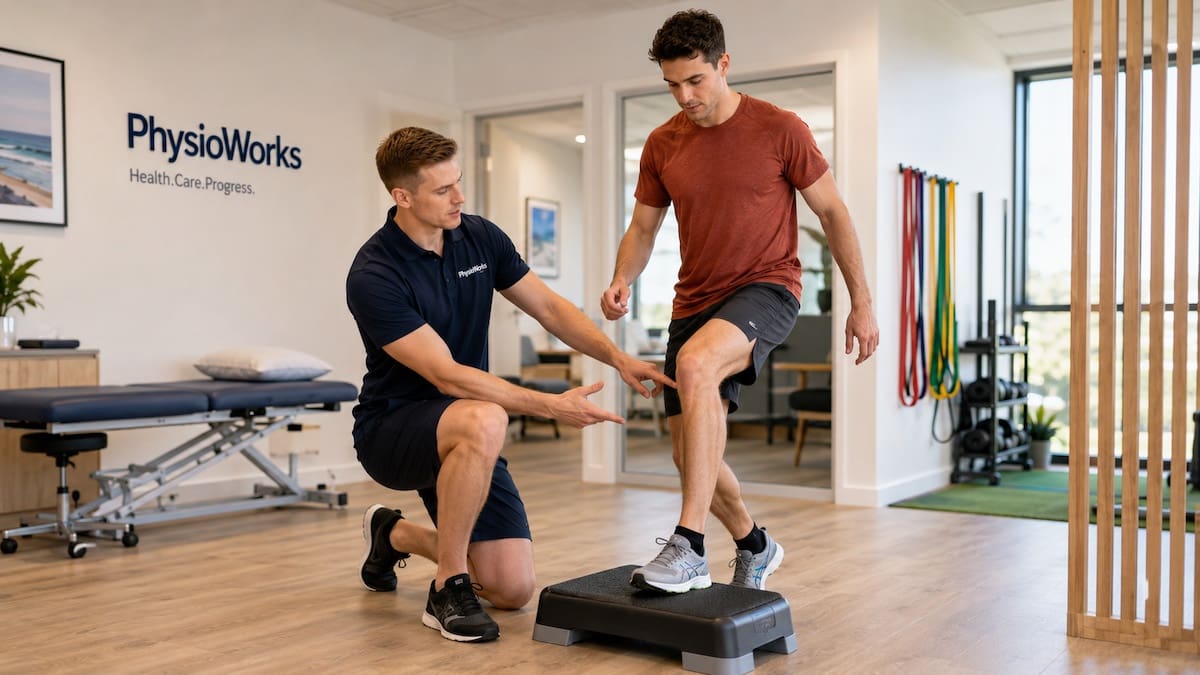
Return-to-running rehab for front shin control.
What Should You Do Next?
If your shin pain keeps returning, do not keep guessing. A physiotherapy assessment can help identify whether your pain fits anterior shin splints, another shin pain condition or a possible tibial bone stress injury.
Your physiotherapist may assess your training load, footwear, walking or running pattern, shin tenderness, calf strength, foot control and return-to-running readiness. This gives you a clearer plan and helps reduce the chance of repeated flare-ups.
Book an assessment if:
- shin pain keeps returning when you run or walk
- you have sharp, localised tibial pain
- pain affects walking or daily activity
- you are training for an event and cannot afford repeated setbacks
- rest alone has not solved the problem
Choose your clinic and appointment pathway
Select a PhysioWorks clinic to continue to live booking, an appointment request or reception assistance.
Shin Products
These shin products are commonly used by our physiotherapists to improve comfort, flexibility, strength, and home exercise programs.
-


- Christmas Gift Ideas, Exercise Equipment, Gift Ideas, Massage Tools, Pain Management
Pocket Physio MAX
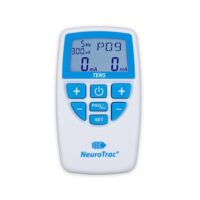
$24.95Select optionsQuick View - Pain Management, Christmas Gift Ideas, Gift Ideas, TENS Machine, TENS Machine & EMS
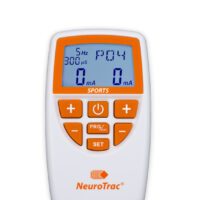
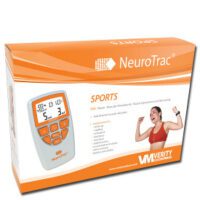
NeuroTrac TENS Machine
$219.00Add to cartQuick View -
 Exercise Equipment, Back, Elbow, Foot, Massage Tools, Shoulder
Pocket Physio
$14.95Select optionsQuick View -
-
- Liniments & Gels, Massage Liniments, Pain Management
Fisiocrem
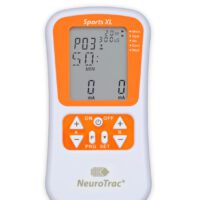
$16.95 – $39.95Select optionsQuick View - EMS Machines, Pain Management, TENS Machine, TENS Machine & EMS
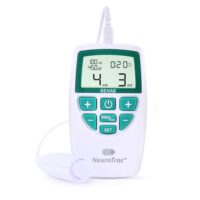
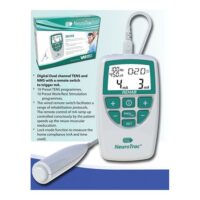
NeuroTrac Rehab (TENS Machine + EMS)
$285.00Add to cartQuick View -
-
-
-
-






Anterior Shin Splints FAQs
What are anterior shin splints?
Anterior shin splints describe pain along the front of the shin bone. The pain is usually linked to repeated loading from running, walking, jumping, hills or speed work. It often starts gradually and may settle with rest before returning when training load increases again.
What causes anterior shin splints?
Anterior shin splints commonly develop when the tibialis anterior muscle and tibia are exposed to more load than they can tolerate. Sudden training increases, hard surfaces, footwear changes, calf fatigue and foot biomechanics may all contribute.
How are anterior shin problems diagnosed?
A physiotherapist will take a history, examine your shin, check lower limb strength, review footwear and assess walking or running mechanics. Imaging may be recommended if symptoms suggest a tibial stress fracture or another bone stress injury.
What is the difference between shin splints and a stress fracture?
Shin splints usually cause more diffuse pain over a broader area. A stress fracture tends to cause sharper, more localised pain that may persist with everyday walking or rest. Focal bone tenderness, night pain or worsening symptoms need prompt assessment.
Should you keep running with anterior shin splints?
Continuing to run through increasing shin pain can delay recovery and may increase bone stress risk. Many people need a short-term running adjustment, then a graded walk–jog program once symptoms settle and strength improves.
Do shoes matter for anterior shin splints?
Footwear can influence load through the shin. Worn shoes, poor fit, inadequate support or sudden shoe changes may aggravate symptoms. Your physiotherapist can review your shoes, running pattern and whether orthotics may be helpful.
What treatments may help anterior shin splints?
Treatment often includes load management, pain relief strategies, calf and tibialis anterior strengthening, ankle and foot mobility, footwear review, gait analysis and a graded return-to-running plan. Your plan should match your symptoms and goals.
How can you reduce the risk of shin pain returning?
Gradual training progressions, appropriate footwear, regular lower limb strengthening, warm-ups, mobility work and sensible recovery weeks can reduce recurrence risk. Runners may also benefit from gait retraining when mechanics increase shin load.
Related Articles
- Shin Pain – Learn more about common causes of pain around the shin.
- Shin Splints – Read the broader shin splints guide.
- Posterior Shin Splints – Compare front shin pain with inner shin pain.
- Tibial Stress Fracture – Learn more about tibial bone stress injuries.
- Gait Analysis – See how running assessment can help shin pain.
- Active Foot Posture Exercises – Improve foot and lower leg control.
- Orthotics – When shoe inserts may help with shin and foot pain.
- Warm-Up Routines – Simple ways to prepare before running or sport.
- Sports Physiotherapy – How sports physiotherapy can support recovery and performance.
- Healthdirect: Shin Splints – Patient-friendly information about shin splints.
References
- McClure CJ. Medial tibial stress syndrome. In: StatPearls. Treasure Island (FL): StatPearls Publishing; 2023.
- George ERM, et al. Criteria and guidelines for returning to running following tibial bone stress injuries. Sports Med. 2024.
- Gaudette LW, et al. Biomechanics associated with bone stress injury in runners. BMJ Open Sport Exerc Med. 2025.
- Namkorn P, et al. Test–retest reliability of biomechanical measures and clinical pain outcomes in runners with medial tibial stress syndrome. Int J Sports Phys Ther. 2025.
- Hoenig T, et al. International Delphi consensus on bone stress injuries in athletes. Br J Sports Med. 2025.
