
LCL Injury - Lateral Collateral Ligament


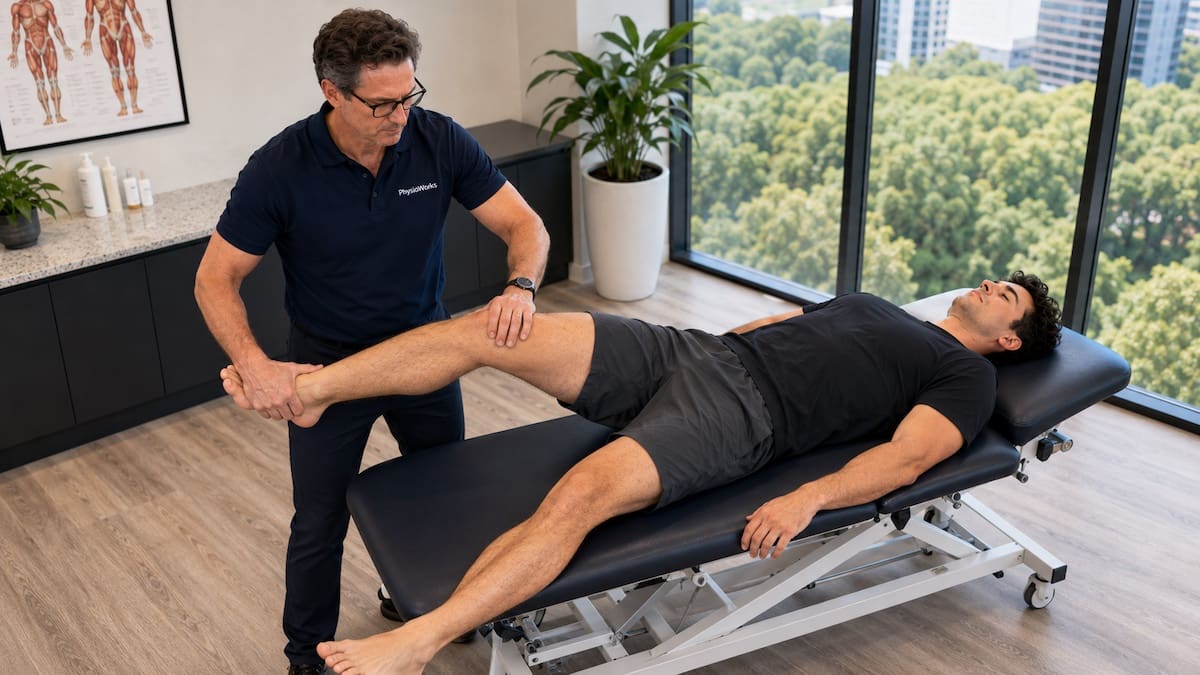
An LCL injury affects the lateral collateral ligament on the outside of the knee. It often causes outer knee pain, tenderness, bruising, or a feeling that the knee may give way after a side impact, awkward landing, or sudden change of direction.
The lateral collateral ligament, also called the fibular collateral ligament or FCL, helps resist “varus” force. This means it helps stop the knee from bowing outward. It also supports knee control during cutting, pivoting, braking, downhill walking and sport. For broader context, start with the knee ligament injury guide.
However, outer knee pain does not always mean an LCL tear. Similar symptoms can occur with the posterolateral corner, ITB syndrome, or the superior tibiofibular joint. A clear assessment helps match the right plan to the right problem.
What is an LCL injury?
An LCL injury is a sprain, partial tear, or complete tear of the ligament on the outside of the knee. The LCL runs between the femur and fibula. It helps stop the knee from opening too far on the outer side.
Isolated LCL injuries are less common than some other knee ligament injuries. Still, they matter because they can affect trust, balance and return to sport. More severe injuries may occur with posterolateral corner, PCL injury, or other ligament damage.
What causes an LCL injury?
LCL injuries often happen when a force pushes the knee from the inside towards the outside. This can happen during a tackle, collision, fall, or awkward step. The ligament may also strain when the foot stays planted and the knee twists.
Common injury situations include:
- contact to the inside of the knee during sport
- a fall where the knee bows outward
- awkward landing after a jump
- rapid change of direction with the foot fixed
- higher-force trauma that may involve more than one ligament
What are the symptoms of an LCL injury?
LCL injury symptoms usually sit on the outside of the knee. The symptoms can be mild after a Grade I sprain or more obvious when the ligament is partly or fully torn.
- pain or tenderness on the outside of the knee
- bruising or swelling near the lateral knee
- pain with side-to-side movement
- a feeling that the knee may give way
- reduced confidence when walking downhill, turning, running, or cutting
- difficulty returning to sport at normal speed
Quick check: If your pain is mainly on the outside of the knee and started after a side-impact or twisting injury, the LCL may be involved.
If the knee feels unstable, swells quickly, locks, or you cannot trust it when walking, arrange an assessment before returning to training.
How serious is an LCL injury?
Clinicians often grade LCL injuries by pain, tenderness, swelling and side-to-side looseness.
- Grade I: a mild sprain with pain but little or no looseness.
- Grade II: a partial tear with more pain and some looseness.
- Grade III: a complete tear with marked instability and a higher risk of other ligament involvement.
A Grade I or mild Grade II injury may settle with guided load management and rehab. A Grade III injury, or any injury with clear instability, may need imaging and orthopaedic input.
How is an LCL injury diagnosed?
A physiotherapist will ask how the injury happened, then assess swelling, range of motion, strength, walking pattern and knee stability. The varus stress test can help check the outer-side stability of the knee.
Imaging may be useful when the injury is severe, the knee feels unstable, or symptoms suggest a combined injury. MRI can help clarify whether the LCL injury is isolated or linked with the posterolateral corner, cruciate ligaments, meniscus, or bone bruising.
Can you walk on an LCL tear?
Many people can walk with an LCL injury, especially with a Grade I or mild Grade II sprain. However, walking does not prove the injury is minor. Instability, worsening swelling, or sharp pain with twisting are stronger warning signs.
If walking feels safe but running, cutting, stairs, or downhill walking feel uncertain, reduce load and get a clearer plan before pushing harder.
How long does an LCL injury take to heal?
Healing time depends on the injury grade, your sport or work demands, and whether other structures are involved. Mild sprains may settle over a few weeks. Partial tears often need a longer rehab block. Complete tears may need specialist review, especially if instability persists.
Rehab usually moves through stages:
- settle pain and swelling
- restore knee movement
- rebuild hip, thigh, calf and lateral-chain strength
- retrain balance and side-to-side control
- progress running, deceleration, cutting and sport-specific skills
How can physiotherapy help an LCL injury?
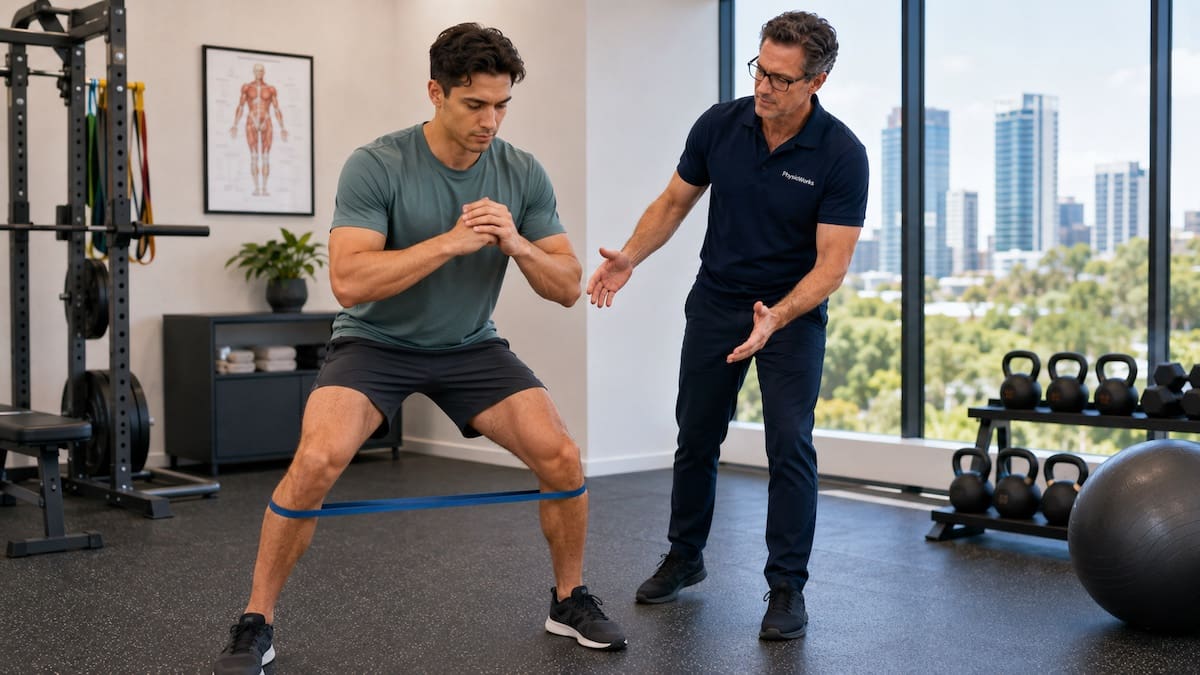
Physiotherapy can help identify the likely injury pattern, guide safe loading, and progress rehab based on your knee stability and goals. Your plan may include:
- relative rest and activity changes while symptoms settle
- advice on bracing or taping if instability limits function
- range-of-motion exercises
- hip, quadriceps, hamstring, calf and lateral-chain strengthening
- balance, landing and change-of-direction retraining
- return-to-running and return-to-sport progressions
For sport-related planning, see Sports Physiotherapy Brisbane and sports injury physiotherapy. If you need broader information on ligament healing, the ligament tear recovery guide may also help.
When should you worry about an LCL injury?
Seek assessment soon if the knee feels unstable, you had a high-force injury, or symptoms are not improving. Also seek care if you cannot fully straighten the knee, cannot bear weight, or have rapid swelling.
Urgent medical care is more important if you have major trauma, severe pain, visible deformity, numbness, foot weakness, loss of circulation signs, or you cannot safely walk.
How do you prevent another LCL injury?
Risk may reduce when strength, balance and sport capacity match your demands. Many people need more than pain relief before returning to sport. The knee also needs control during turning, landing, slowing down and contact situations.
Prevention planning may include:
- lateral hip and thigh strengthening
- balance and single-leg control
- landing and deceleration drills
- graded return to pivoting and contact sport
- training load planning
- footwear and surface advice where relevant
Related knee injury guides
Outer knee pain can come from several structures. These related pages may help you compare common patterns:
- Posterolateral corner injury
- PCL injury
- Superior tibiofibular joint injury
- ITB syndrome
- Knee pain causes
Frequently asked questions
What is an LCL injury?
An LCL injury affects the lateral collateral ligament on the outside of the knee. It often happens after a side impact, awkward landing, or sudden change of direction. It can cause outer knee pain, tenderness, bruising and a feeling of instability.
How long does an LCL injury take to heal?
Healing time depends on the grade and whether other structures are involved. Many Grade I sprains settle over a few weeks. Grade II injuries often need a longer rehab period. Grade III injuries may need orthopaedic input, especially if instability persists.
Can you walk on an LCL tear?
Many people can walk with an LCL injury, particularly mild sprains. However, walking does not confirm the injury is minor. If the knee feels unstable, swells significantly, or pain increases with twisting or side-to-side movement, arrange an assessment.
Do LCL injuries need surgery?
Many isolated LCL injuries improve with physiotherapy and a structured return-to-activity plan. Surgery may be considered for complete tears with ongoing instability or when the LCL injury occurs with other ligament or posterolateral corner injuries.
What exercises help an LCL injury?
Exercises often focus on restoring knee range of motion, strengthening the hip and knee stabilisers, and improving balance and control. A physiotherapist usually stages progressions so you rebuild capacity before returning to running, cutting and sport.
What to do next
If you have outer knee pain after a side-impact, twisting, or landing injury, avoid testing the knee with hard running or cutting too early. Start with relative rest, keep walking within tolerance, and seek assessment if the knee feels unstable or symptoms are not improving.
Book an appointment if pain persists beyond 7–10 days, the knee gives way, swelling increases, or you need a staged return-to-sport plan.
Choose your clinic and appointment pathway
Select a PhysioWorks clinic to continue to live booking, an appointment request or reception assistance.
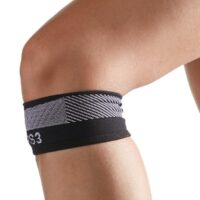
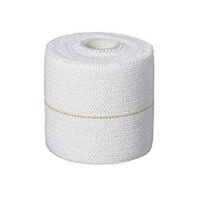
Knee Support Products
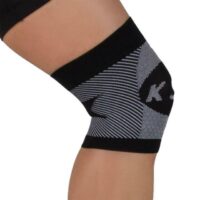
These knee support products are commonly used by our physiotherapists to help reduce strain, improve stability, and support your recovery at home.
-
-
-
-
- EMS Machines, Pain Management, TENS Machine, TENS Machine & EMS
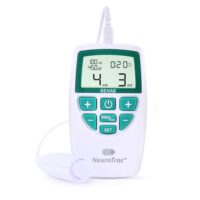
NeuroTrac Rehab (TENS Machine + EMS)
$285.00Add to cartQuick View -

 Calf, Elbow, Ice & Heat, Knee, Pain Management
Victor Elastic Cold Sleeve
$44.00 – $60.00Select optionsQuick View -

-
- Liniments & Gels, Massage Liniments, Pain Management
Fisiocrem
$16.95 – $39.95Select optionsQuick View -
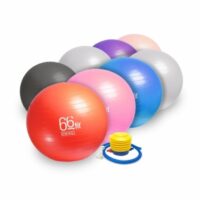
 Exercise Balls, Back, Exercise Equipment, Knee, Shoulder
66fit Exercise Balls | Core & Rehab Stability Ball
$32.00 – $57.00Select optionsQuick View -
-
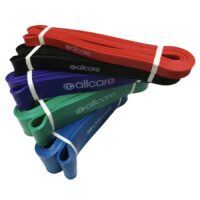
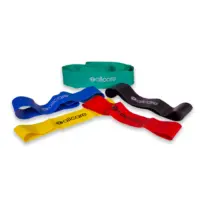
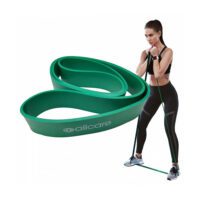 Exercise Equipment, Resistance Band
AllCare Powerloop Bands
$24.95 – $79.95Select optionsQuick View -


-
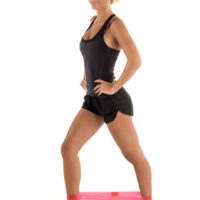
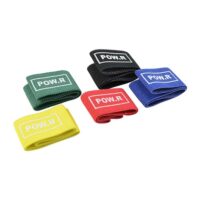 Exercise Equipment, Knee, Resistance Band
POW.R Fabric Mini Loop Bands
$12.00 – $55.00Select optionsQuick View





References
- Haslhofer DJ, Jaggard MKJ, Abdul W, et al. Isolated Clinically Diagnosed Grades 1-2 Lateral Collateral Ligament Injuries in Elite Athletes Do Not Require Surgery. Orthop J Sports Med. 2025;13(12). doi:10.1177/23259671251391357
- Abu-Mukh A, Lee S, Rhim HC, Jang KM. Exploring the Posterolateral Corner of the Knee Joint: A Detailed Review of Recent Literature. J Clin Med. 2025;14(5):1549. doi:10.3390/jcm14051549
- Maniar AR, Peebles LA, LaPrade RF, et al. Posterolateral Corner of the Knee: An Update on Current Evaluation and Management Strategies. J Am Acad Orthop Surg. 2024;32(1):e13-e23. doi:10.5435/JAAOS-D-23-00278
- D’Ambrosi R, Meena A, Ursino N, Di Feo F, Fusari N, Kambhampati SBS. Return to Sport After Multiligament Knee Injury: A Systematic Review of the Literature. Indian J Orthop. 2024;58(11):1548-1556. doi:10.1007/s43465-024-01237-w
