What does arthritis in the knee feel like? For many people, knee arthritis feels like an achy, stiff, or swollen knee that becomes more noticeable with walking, stairs, squatting, or getting up after sitting. Symptoms often build gradually, although flare-ups can make the joint feel puffy, tight, warm, and less reliable day to day.
This FAQ supports our broader guides to knee pain and arthritis. While many people blame age alone, a clear diagnosis can help explain why your knee hurts and what may help you move with more confidence.
Early knee arthritis often feels like stiffness, mild swelling, or an ache that is worse after inactivity and settles once you get moving. Some people first notice it during stairs, hills, longer walks, or after sitting for too long. Others mainly notice reduced knee flexibility or a swollen, “full” joint.
Arthritic knees often become painful because the joint is irritated and less tolerant of load. That can lead to swelling, stiffness, muscle guarding, and discomfort during everyday movement. As the joint surfaces change over time, some people also notice clicking, popping, or a rougher feeling through range.
Morning stiffness is common, especially if your knee has been still for hours. However, stiffness from knee osteoarthritis is usually shorter-lasting than the prolonged morning stiffness seen with some inflammatory joint conditions. A physiotherapist may also compare your symptoms with other knee problems such as patellofemoral pain syndrome or other causes of front-of-knee pain.
Knee arthritis symptoms often flare when the joint is exposed to repeated or heavier load than it currently tolerates. Common triggers include walking longer distances, hills, stairs, squatting, kneeling, twisting, gardening, and getting up and down from chairs or cars.
That does not mean you should stop moving. In fact, many people do better with the right type and dose of activity. Programmes that build strength, confidence, and walking tolerance can be useful, especially when combined with education and pacing. Our knee treatment, knee exercises, and GLA:D® Australia Program pages explain this in more detail.
For broader Australian consumer guidance, see healthdirect’s osteoarthritis overview.
No. Symptoms can vary from day to day. Some people mainly notice stiffness and swelling. Others notice aching with activity, pain after longer walks, or a knee that feels less trustworthy on stairs. Flare-ups can happen after overload, but symptoms may also settle again with sensible activity modification and rehabilitation.
If your symptoms are gradually worsening, it can help to compare them with our knee pain FAQs and joint pain relief guide.
You should arrange an assessment if your knee is repeatedly swelling, becoming harder to straighten or bend, limiting walking, disturbing sleep, or making you lose confidence with daily tasks. It is also worth getting checked if you are not sure whether the pain is arthritis, a sports injury, or another problem inside the knee.
Urgent medical review is more important if the joint is very hot, very swollen, badly deformed, or you cannot take weight through it. If symptoms become severe and conservative care no longer helps enough, your doctor may discuss options such as knee replacement.
Not usually. Many people feel worse after inactivity, with stairs, or after a bigger day on their feet. Symptoms often fluctuate, so some days feel manageable while others feel stiff, swollen, or more painful.
Yes. Knee arthritis can cause clicking, crunching, or popping sensations, especially when the joint surfaces become rougher. However, not every knee noise means arthritis, so the full symptom pattern still matters.
It can be. Morning stiffness or stiffness after sitting is common with knee arthritis. Many people feel better once they start moving, although the knee may still ache later if it is overloaded.
Walking can help when the dose suits your current tolerance. Shorter, regular walks are often better than one long walk that flares the joint. A graded exercise plan may help build tolerance safely.
Physiotherapy may help by improving strength, movement confidence, joint tolerance, and flare-up management. A physiotherapist can also help you work out whether arthritis is the main driver of your pain or whether another knee condition is involved.
If your symptoms match arthritis in the knee, the next step is to have the joint assessed properly and work out what is driving your pain, swelling, or stiffness. That usually helps separate arthritis from other knee problems and gives you a clearer management plan.
A physiotherapist may recommend load modification, strengthening, mobility work, education, and a gradual return to walking or exercise that matches your current capacity.
Select a PhysioWorks clinic to continue to live booking, an appointment request or reception assistance.
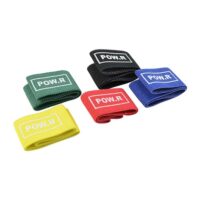
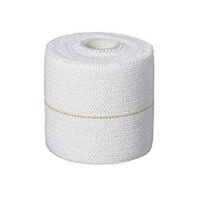
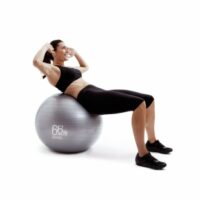
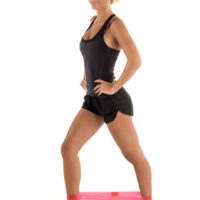
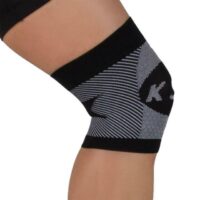
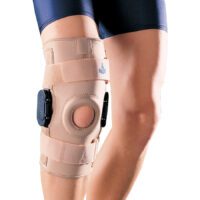
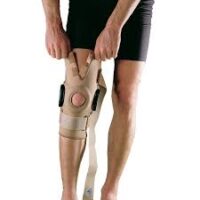
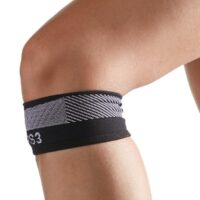
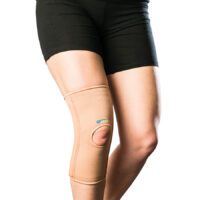
These knee support products are commonly used by our physiotherapists to help reduce strain, improve stability, and support your recovery at home.