
Rotator Cuff Injury
Rotator Cuff Injury



Shoulder movement assessment for a suspected rotator cuff injury.
Rotator cuff injury is a broad term for problems affecting the muscles and tendons that help control your shoulder. It may involve tendon overload, tendinopathy, a partial tear or a full-thickness tear.
Symptoms can make lifting, reaching, dressing, throwing, swimming, gym pressing and sleeping uncomfortable. Some injuries start suddenly after a fall or heavy lift. Others build gradually as shoulder load exceeds the tendon’s current capacity.
Many people improve without surgery. A physiotherapist can assess your shoulder movement, strength, symptom behaviour and activity demands. They can then guide rehabilitation and advise whether imaging or medical review may add value.
Pain
Pain may occur when lifting overhead, reaching behind your back or lying on the affected side.
Strength
The arm may feel weak, heavy or easily tired during reaching, carrying or pressing.
Onset
Symptoms may develop gradually or begin after a fall, sudden strain or sharp increase in load.
What Is a Rotator Cuff Injury?
Your rotator cuff contains four muscles and their tendons: supraspinatus, infraspinatus, teres minor and subscapularis. Together, they help rotate your arm, control the head of the upper-arm bone and support stable shoulder movement.
A rotator cuff injury can affect one or several of these tendons. However, the term does not describe one single diagnosis.
- Rotator cuff tendinopathy usually involves load-related tendon pain and reduced capacity.
- A partial-thickness tear affects part of a tendon’s thickness.
- A full-thickness tear extends through the tendon and may cause more noticeable weakness.
- An acute traumatic injury may occur after a fall, sudden pull or forceful lift.
Symptoms and scan findings do not always match neatly. Some tendon tears cause little pain, while smaller structural changes can still be painful. Assessment should therefore consider your symptoms, function, strength and goals rather than relying on a scan alone.
For a simple anatomy explanation, see what your rotator cuff does.
What Are the Symptoms of a Rotator Cuff Injury?
Rotator cuff injuries often cause pain, weakness and reduced confidence when lifting the arm. Symptoms may vary according to the tendon involved, how the problem started and the activities that irritate it.
- Pain over the outer shoulder or upper arm.
- Pain when lifting the arm overhead or away from the body.
- Discomfort when reaching behind your back or fastening a seatbelt.
- Night pain, especially when lying on the affected side.
- Weakness during reaching, carrying, throwing or gym pressing.
- Reduced endurance, with the arm tiring sooner than expected.
- Pain or difficulty lowering the arm after lifting it.
Shoulder pain can also come from the joint, bursa, biceps tendon, neck or other nearby structures. A clinical assessment helps identify the most likely contributors.
What Is a Painful Arc?
A painful arc describes pain during part of the arm-lifting range, often while raising or lowering the arm. Pain may ease again near the top or bottom of the movement.
This pattern is common with rotator cuff-related shoulder pain. However, a painful arc does not identify one tendon or diagnosis by itself. Similar symptoms may occur with rotator cuff tendinopathy, shoulder bursitis and other subacromial shoulder problems.
If your shoulder is painful and restricted in several directions, compare your symptoms with frozen shoulder. The shoulder pain symptoms guide also explains other common patterns.
What Causes Rotator Cuff Injury?
A rotator cuff injury can develop when shoulder demand exceeds the tendon’s current capacity. This may happen suddenly or build through repeated loading.
Sudden injury
An acute injury may follow:
- a fall onto the arm or shoulder;
- catching yourself during a fall;
- a forceful pull or unexpected load;
- lifting a heavy object away from your body; or
- a collision or sporting incident.
Gradual overload
Gradual symptoms may be associated with:
- repeated overhead work;
- throwing, swimming or racquet sports;
- a sudden increase in gym pressing or shoulder training;
- reduced recovery between demanding sessions;
- age-related tendon changes; or
- returning to activity faster than the shoulder can tolerate.
Changes in shoulder blade movement, upper-back mobility or strength may also affect how the shoulder manages load. These factors can contribute to the overall presentation, but they do not prove one single cause.
Other conditions may coexist or produce similar symptoms. These include biceps tendinopathy, shoulder bursitis, shoulder arthritis and pain referred from the neck.
Is It Rotator Cuff Tendinopathy or a Tear?
Tendinopathy and tendon tears can feel similar. A clear incident, sudden loss of strength or difficulty lifting the arm may raise concern about a larger tear. Meanwhile, tendinopathy often develops gradually and varies with changes in workload.
Rotator cuff tendinopathy
Often develops gradually and causes load-related pain during lifting, reaching, exercise or sleep.
Rotator cuff tear
May follow trauma or age-related tendon change and can cause more noticeable weakness or loss of function.
A physiotherapist can compare your shoulder strength, active and passive movement, pain response and functional ability. These findings can help determine whether rehabilitation should begin immediately or whether imaging and medical review are appropriate.
How Is a Rotator Cuff Injury Assessed?
Assessment usually begins with your history and the activities that trigger symptoms. Your physiotherapist or doctor may then examine:
- active and passive shoulder movement;
- rotator cuff and shoulder strength;
- pain during resisted movements;
- shoulder blade movement and control;
- neck movement and possible referred symptoms;
- work, gym and sporting demands; and
- the effect of symptoms on sleep and daily tasks.
No single shoulder test can confirm every rotator cuff injury. Clinicians usually interpret several findings together.
Do You Need an Ultrasound or MRI?
Not everyone needs a scan. A clinical assessment can often guide early rehabilitation without imaging.
Ultrasound or MRI may be more useful when:
- significant weakness appeared after an injury;
- you cannot lift the arm despite trying;
- symptoms remain limiting after appropriate rehabilitation;
- the diagnosis remains uncertain;
- surgery or another procedure is being considered; or
- the result would change your treatment plan.
Scans commonly show tendon changes in people who do not have shoulder pain. Therefore, scan findings should be interpreted alongside your symptoms, examination and functional needs.
For further medical background, see the NCBI Bookshelf overview of rotator cuff injury.
How Can Physiotherapy Help a Rotator Cuff Injury?
Physiotherapy aims to reduce aggravation, restore useful movement and rebuild shoulder capacity. Your program should reflect your symptoms, injury type, goals and daily demands rather than use the same exercises for everyone.
-
Adjust aggravating loads
Short-term changes to overhead work, pressing, throwing or sleeping positions may help settle symptoms. Complete rest is rarely the best long-term approach.
-
Restore comfortable movement
Graded movement can help maintain shoulder mobility and reduce guarding. Exercise range should match your current irritability.
-
Rebuild rotator cuff strength
Progressive loading helps the shoulder tolerate reaching, lifting and rotation. Rehabilitation may begin with simple exercises before advancing resistance and range.
-
Improve shoulder blade and upper-body control
Training may include shoulder blade, upper-back and trunk exercises when these factors affect your movement or activity demands.
-
Restore work, gym or sporting capacity
Your program can gradually reintroduce pressing, carrying, overhead tasks, throwing, swimming or other relevant activities.
-
Review progress and adjust the plan
Strength, movement, sleep, daily function and workload response help guide exercise progression and decisions about further review.
See the practical rotator cuff exercise guide for examples of common rehabilitation stages.

Controlled resistance exercise can help rebuild rotator cuff capacity.
What Exercises Help a Rotator Cuff Injury?
Exercise choice depends on your symptoms and stage of recovery. Early exercises may use a comfortable range and light resistance. Later stages may include heavier strength work, overhead loading and task-specific training.
A rehabilitation program may include:
- assisted or active shoulder movement;
- isometric shoulder exercises;
- external and internal rotation resistance;
- shoulder elevation and controlled lowering;
- rows and shoulder blade exercises;
- closed-chain or weight-bearing shoulder work;
- pressing, pulling and carrying progressions; and
- throwing, swimming or work-specific drills where relevant.
Exercise should create a manageable response. A brief increase in discomfort does not always mean harm. However, repeated flare-ups, worsening night pain or declining strength may mean the load or exercise needs adjustment.
Can You Go to the Gym With Rotator Cuff Pain?
Many people can continue some gym training while rehabilitating a rotator cuff injury. However, exercises, range, resistance and weekly volume may need temporary modification.
Useful changes may include:
- reducing painful overhead or wide-grip pressing;
- using a comfortable grip and range;
- lowering total shoulder volume temporarily;
- training legs, trunk and unaffected movements normally where appropriate;
- allowing more recovery between shoulder sessions; and
- rebuilding pressing and overhead load progressively.
Avoid repeatedly testing the shoulder with the same painful exercise. Instead, use a planned progression based on your response over the following day or two.
Can You Keep Working With a Rotator Cuff Injury?
Many people can continue working with temporary changes. The right approach depends on your job, injury severity and ability to modify overhead, repetitive or heavy tasks.
Possible adjustments include reducing repeated overhead work, keeping loads closer to your body, changing task rotation or using short-term assistance for heavier duties. Your physiotherapist can help plan graded exposure to normal work demands.
Can Rotator Cuff Injuries Heal Without Surgery?
Many rotator cuff-related problems improve with non-surgical care. Tendinopathy, overload-related pain and some partial or full-thickness tears may respond well to rehabilitation.
Surgery may be considered when:
- a significant traumatic tear causes major weakness or functional loss;
- symptoms remain limiting despite an appropriate rehabilitation program;
- the tear is progressing or affects an important functional tendon;
- work or sporting demands cannot be restored satisfactorily; or
- an orthopaedic assessment identifies a clear surgical indication.
Age, health, tear size, tendon quality, activity needs and personal preferences all influence the decision. A scan alone does not determine whether surgery is required.
When surgery is needed, rehabilitation progresses through protection, mobility, strength and return-to-function phases. Read more about post-operative shoulder physiotherapy.
How Long Does Rotator Cuff Recovery Take?
Recovery varies. A mild overload flare may settle within several weeks, while persistent tendinopathy or a larger tear may require several months of progressive rehabilitation.
Recovery time may depend on:
- whether the injury was gradual or traumatic;
- the severity and location of tendon damage;
- initial weakness and loss of movement;
- sleep disturbance and symptom irritability;
- work, sport and gym demands;
- other shoulder or neck conditions;
- general health and recovery capacity; and
- the ability to progress loading consistently.
Progress is not always linear. Short flare-ups can occur when activity changes. Your overall trend in strength, sleep and function usually matters more than one difficult day.
How Can You Reduce the Risk of Future Rotator Cuff Problems?
You cannot prevent every shoulder injury. However, you can improve the shoulder’s ability to manage load.
- Increase overhead work, throwing, swimming and gym volume gradually.
- Avoid sudden jumps in weekly training or lifting demand.
- Maintain rotator cuff and shoulder blade strength.
- Allow appropriate recovery between demanding sessions.
- Build work- or sport-specific capacity before returning fully.
- Address recurring night pain, weakness or stiffness early.
- Continue maintenance strength work after symptoms settle.
When Should You Book a Physiotherapy Assessment?
Consider an assessment when shoulder pain:
- persists or repeatedly returns;
- interrupts sleep;
- limits reaching, dressing, lifting or work;
- reduces gym or sporting performance;
- follows a fall or sudden strain;
- causes noticeable weakness; or
- does not improve with sensible load modification.
An assessment can help distinguish likely tendon pain from a larger tear, stiffness, arthritis, neck-related symptoms or another shoulder condition.
Rotator Cuff Injury FAQs
Can a rotator cuff injury heal without surgery?
Yes. Many rotator cuff injuries improve with structured rehabilitation. This includes tendinopathy, overload-related pain and some partial or full-thickness tears. Surgery may be considered when a significant tear causes persistent weakness or when function remains limited despite appropriate rehabilitation.
Do I need an MRI or ultrasound for a rotator cuff injury?
Not always. A clinical assessment can often guide early treatment. Imaging becomes more useful after significant trauma, when marked weakness suggests a larger tear, when symptoms remain limiting or when the result would change treatment.
How long does a rotator cuff injury take to recover?
Recovery varies with the injury, initial weakness, symptom irritability and activity demands. A mild overload flare may improve within weeks. Persistent tendinopathy or larger tears may need several months of progressive rehabilitation.
Should I rest my shoulder completely?
Usually not. Complete rest may increase stiffness and reduce shoulder capacity. Most people benefit from temporarily modifying aggravating activities while maintaining comfortable movement and beginning a graded strengthening program.
What can I do when rotator cuff pain flares?
Temporarily reduce the activity that triggered the flare, keep the shoulder moving within a comfortable range and review your exercise load. Pillow support may help night pain. Arrange an assessment if symptoms are worsening, weakness is increasing or the flare does not settle.
Can I exercise through rotator cuff pain?
Some discomfort during exercise may be manageable, but the response should remain controlled. Reduce the range, load or volume if pain rises sharply, alters your technique or remains notably worse afterwards. Progressive loading should improve function rather than create repeated flare-ups.

Rehabilitation can progressively rebuild confident overhead movement.
What to Do Next
Book a physiotherapy assessment if shoulder pain keeps returning, wakes you at night, causes weakness or limits lifting, work, gym training or sport.
Your physiotherapist can assess the likely contributors, identify a suitable starting point and guide a progressive rehabilitation plan. They can also advise whether imaging or medical review may add useful information.
Choose your clinic and appointment pathway
Select a PhysioWorks clinic to continue to live booking, an appointment request or reception assistance.
Shoulder Products
These shoulder products are commonly used by our physiotherapists to improve strength, posture, movement, plus assist home exercise programs.
- Liniments & Gels, Massage Liniments, Pain Management
Fisiocrem
$16.95 – $39.95Select optionsQuick View -
-
-

-
-
 Exercise Balls, Back, Exercise Equipment, Knee, Shoulder
66fit Exercise Balls | Core & Rehab Stability Ball
$32.00 – $57.00Select optionsQuick View -
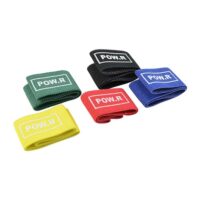 Exercise Equipment, Knee, Resistance Band
POW.R Fabric Mini Loop Bands
$12.00 – $55.00Select optionsQuick View - EMS Machines, Pain Management, TENS Machine, TENS Machine & EMS
NeuroTrac Rehab (TENS Machine + EMS)
$285.00Add to cartQuick View -

-
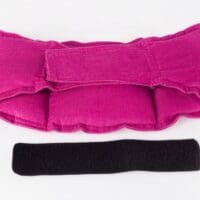
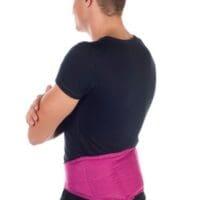 Ice & Heat, Pain Management, Uncategorized
PhysiPak Universal Heat pack
$79.00Select optionsQuick View -
-
 Exercise Equipment, Resistance Band
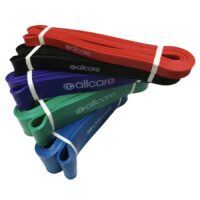
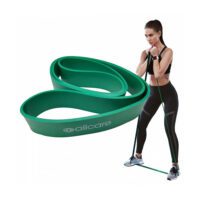
AllCare Powerloop Bands
$24.95 – $79.95Select optionsQuick View -

-

-



References
- Lafrance S, Charron M, Dubé MO, et al. Diagnosing, managing, and supporting return to work of adults with rotator cuff disorders: a clinical practice guideline. Journal of Orthopaedic & Sports Physical Therapy. 2022;52(10):647–664. doi:10.2519/jospt.2022.11306.
- Sciarretta FV, Giannini S, Fabbri L, et al. Current trends in rehabilitation of rotator cuff injuries. Journal of Clinical Medicine. 2023;12(10):3447. doi:10.3390/jcm12103447.
- Lafrance S, Charron M, Dubé MO, et al. The efficacy of exercise therapy for rotator cuff-related shoulder pain according to the FITT principle: a systematic review with meta-analyses. Journal of Orthopaedic & Sports Physical Therapy. 2024;54(8):499–512. doi:10.2519/jospt.2024.12453.
- Desmeules F, Cormier AA, Roy JS, et al. Rotator cuff tendinopathy diagnosis, nonsurgical medical care and rehabilitation: a clinical practice guideline. Journal of Orthopaedic & Sports Physical Therapy. 2025;55(4):235–274. doi:10.2519/jospt.2025.13182.