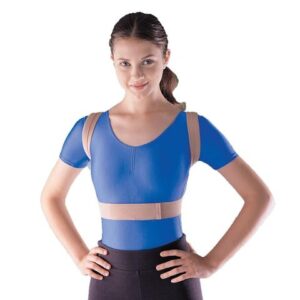
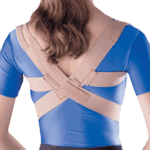
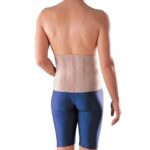
OPPO 2075 Posture Aid & Clavicle Brace
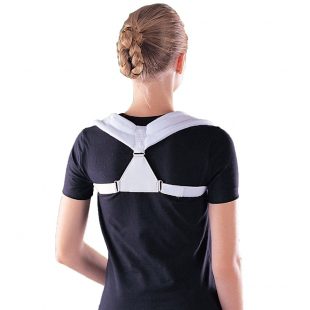
$35.00
- Description
- Additional information
Description
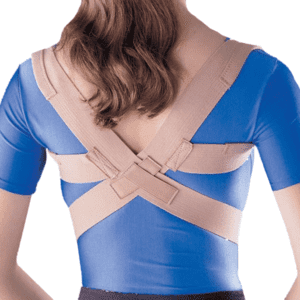
OPPO 2075 Posture Aid / Clavicle Brace, posture support brace for rounded shoulders. This adjustable posture support provides gentle feedback by guiding your shoulders back toward a more neutral position. It may suit people who sit for long periods, work at a desk, study, drive often, or notice their shoulders slumping during daily tasks.
This product may suit you if: you want a light reminder to improve shoulder posture during desk work, study, walking or low-load daily activity.
Consider advice first if: you have new trauma, severe pain, numbness, tingling, arm weakness, recent surgery, or symptoms that worsen when wearing a brace.
OPPO 2075 Posture Aid / Clavicle Brace
Posture often changes gradually. Long hours sitting, device use and upper back fatigue can contribute to rounded shoulders and neck or shoulder tightness. Over time, this may affect how your shoulder blades move during lifting, gym work, sport or daily activity.
A posture brace works best as a reminder tool. It should support posture awareness while you build strength, mobility and better movement habits. For practical posture tips, see our posture FAQs.
Clinically Useful For
This clavicle brace may support posture awareness when rounded shoulders or shoulder slump contribute to discomfort or fatigue.
- Desk work, study or prolonged sitting posture
- Rounded shoulder awareness during daily activity
- Upper back fatigue linked with sustained sitting
- Posture retraining alongside scapular muscle exercises
- General shoulder positioning support where a clinician has advised brace use
Key Benefits
- Encourages shoulder posture awareness without rigid immobilisation
- Provides gentle feedback when your shoulders start to slump
- Uses padded shoulder loops for daily comfort
- Has an adjustable hook-and-loop closure for fit control
- Sits under many shirts due to its low-profile design
Product Features
- Padded shoulder loops to reduce local rubbing during short wear periods
- Adjustable hook-and-loop closure for personalised tension
- Central metal ring to help guide the shoulder straps
- Low-profile design for wear under clothing
- Available in XS, S, M, L, XL, XXL and XXXL
Why Use a Posture Brace?
A posture brace may help if you regularly notice rounded shoulders during work, study, driving or screen use. The aim is not to force your body into a stiff position. Instead, the brace gives feedback so you can notice posture changes sooner.
This feedback can be useful when paired with movement breaks, upper back mobility and strengthening. If you rely on the brace all day, your body may do less active postural work. Therefore, short and consistent use usually makes more sense than wearing it tightly for long periods.
How Does the OPPO 2075 Work?
The OPPO 2075 uses shoulder loops and an adjustable strap system to guide the shoulders gently backward. The tension should feel light and comfortable. You should still breathe normally, move your arms and complete simple daily tasks.
For better long-term posture control, combine brace use with shoulder blade control exercises. These scapular muscle exercises may help you build the active control that a brace cannot provide on its own.
What Is It Used For?
This posture support may suit desk workers, students, drivers and active people who notice shoulder rounding during the day. It may also support posture retraining when managing upper back pain or shoulder symptoms where posture is one contributing factor.
Some people also use posture feedback while managing shoulder conditions such as shoulder instability, rotator cuff injury or frozen shoulder. In these cases, use the brace as part of a broader plan rather than as the main treatment.
Sizing, Fit and Use Notes
Measure around your chest under your arms. Choose the size that matches your chest measurement. The brace should feel firm enough to give feedback, but not tight enough to cause pressure, pins and needles, shortness of breath or increased pain.
Start with 30–60 minutes per day. Then increase gradually if it feels comfortable. Many people use it during desk work, study or tasks that trigger shoulder slump.
| Size | Inches | Centimetres |
| X-Small | 18 ⅛ – 21 ⅛” | 46.9 – 53.7cm |
| Small | 21 ¼ – 25 ⅛” | 54.0 – 63.8cm |
| Medium | 25 ¼ – 30 ⅛” | 64.1 – 76.5cm |
| Large | 30 ¼ – 35 ⅛” | 76.8 – 89.2cm |
| X-Large | 35 ¼ – 41 ⅛” | 89.5 – 104.5cm |
| XX-Large | 41 ⅛ – 46 ⅛” | 104.8 – 117.2cm |
| XXX-Large | 46 ¼ – 51 ⅛” | 117.5 – 129.9cm |
Safety check before use:
- Stop using the brace if you feel numbness, tingling, skin irritation, increased pain or restricted breathing.
- Use gentle tension. A tighter brace is not always better.
- If you are recovering from surgery, follow your surgeon or physiotherapist’s advice before using it.
Can I Use This After Shoulder Surgery?
Do not use this brace after surgery unless your surgeon or physiotherapist has advised it. Some people use posture supports during later post-operative rehabilitation, but timing matters. For more context, see our guide to post-operative shoulder physiotherapy.
Frequently Asked Questions
Will a posture brace weaken my muscles?
A posture brace is unlikely to weaken your muscles when you use it in short sessions and combine it with strengthening. However, wearing it all day may reduce how often your postural muscles self-correct. Use it as a reminder, not a replacement for active posture control.
How long should I wear the OPPO 2075 each day?
Start with 30–60 minutes per day. Increase gradually if it feels comfortable. Many people wear it during desk work or tasks that trigger slouching. If fatigue builds, reduce wear time and focus on exercise breaks.
Can I wear this posture brace under clothing?
Yes. The OPPO 2075 has a slim profile and padded loops, so it usually sits under many shirts. Set the tension lightly so you can breathe, move and work normally.
Can this help upper back pain?
It may help when upper back pain relates to fatigue and rounded shoulder posture during prolonged sitting. Better results usually come from combining brace use with movement breaks, thoracic mobility and strengthening.
Can I exercise while wearing this brace?
Use caution. The brace may suit light walking or low-load daily activity, but it is not designed to replace strength, mobility or shoulder control exercises. Remove it if it restricts your movement or changes your exercise technique.
Will the brace permanently fix my posture?
No brace can permanently change posture by itself. The OPPO 2075 may improve awareness while you wear it, but longer-term change usually needs strengthening, mobility work, regular movement breaks and improved daily habits.
Related PhysioWorks Articles
- Posture FAQs – practical answers about posture habits and daily set-up.
- Upper Back Pain Physiotherapy – common causes and treatment options for upper back pain.
- Scapular Muscle Exercises – exercises that may support shoulder blade control.
- Rotator Cuff Injury – learn how shoulder posture and strength can affect shoulder symptoms.
Related Products
- Mueller Adjustable Posture Corrector – another posture support option if you want to compare fit and design.
- OPPO 4075 Clavicle Brace – a related clavicle support option for people comparing brace styles.
- 66fit Original Coccyx Cushion – a seating support option for people improving desk comfort.
What To Do Next
Choose the size that matches your chest measurement, then start with short wear periods and gentle tension. If symptoms persist, worsen, spread into the arm, or do not match a simple posture issue, book a physiotherapy assessment before relying on a brace.
Additional information
| Weight | 0.4 kg |
|---|---|
| Dimensions | 30 × 10 cm |
| Size | XS, S, M, L, XL, XXL, XXXL |
| Brand | OPPO |