
PNF Stretching
PNF Stretching
PNF stretching combines a controlled muscle contraction with relaxation and stretching to improve flexibility and movement.


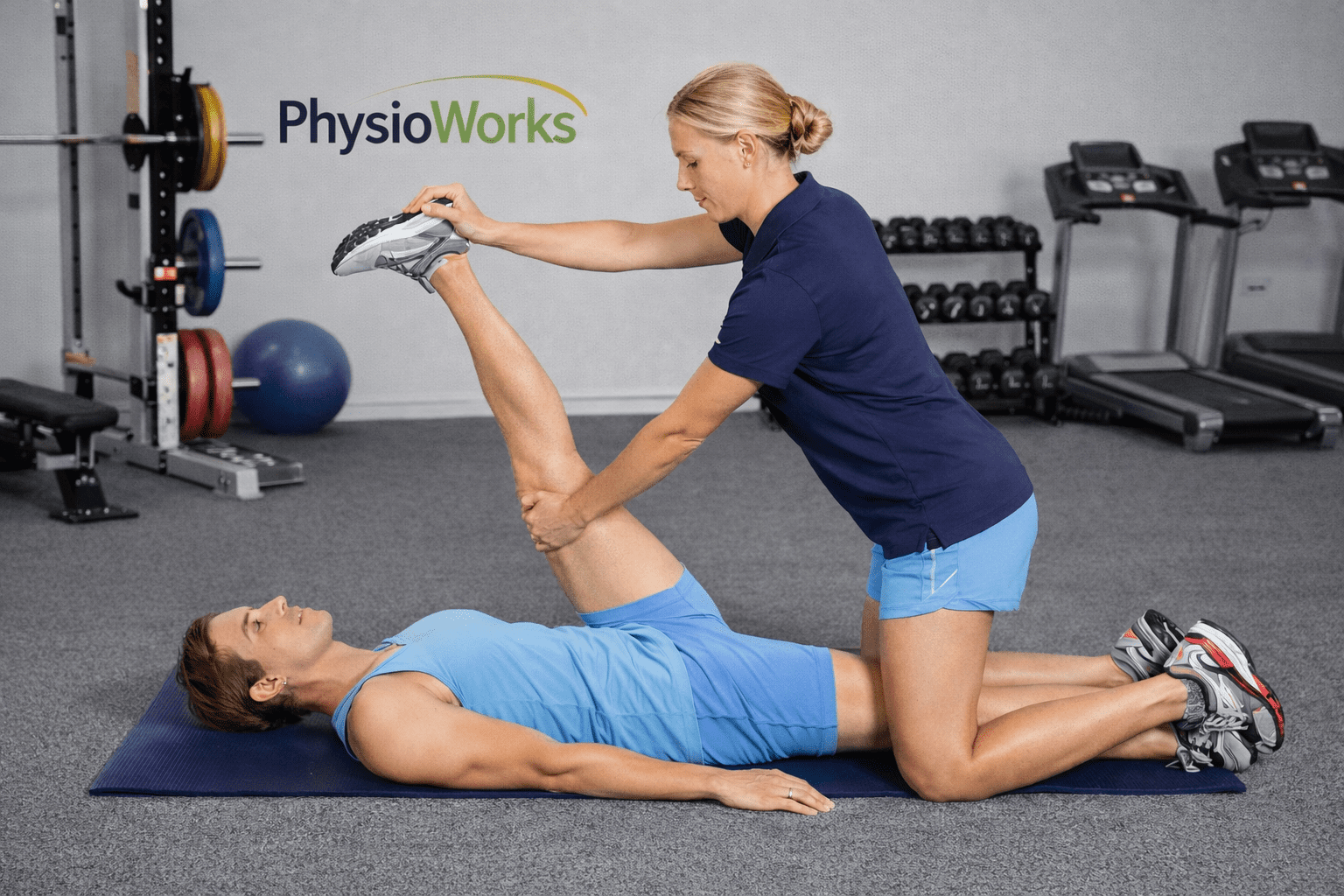
What is PNF stretching?
PNF stretching stands for Proprioceptive Neuromuscular Facilitation stretching. The technique combines stretching with a controlled muscle contraction against resistance.
A typical sequence involves moving into a comfortable stretch, gently contracting the target muscle, relaxing and then moving further into the available range. You may also hear this approach called contract–relax stretching.
Physiotherapists may include PNF stretching in flexibility training, injury rehabilitation and sports injury management.
PNF stretching at a glance
Technique
A gentle muscle contraction is followed by relaxation and a controlled stretch.
Common areas
PNF may be used for the hamstrings, calves, hips, shoulders and other restricted areas.
Main aim
The goal is to improve usable range of movement without forcing the joint or muscle.
Effort
The contraction should usually feel controlled rather than maximal or painful.
Assistance
A therapist, exercise partner, strap or stable surface may provide resistance.
Program role
PNF usually works best alongside strength, control and activity-specific exercises.
What are the potential benefits?
PNF stretching may help improve flexibility and short-term range of movement. However, more range is not always the only goal. You also need enough strength and control to use that movement safely.
Improved flexibility
PNF may increase the available movement around a joint when stiffness limits an activity.
Active muscle control
The contraction phase involves the muscle rather than relying only on passive stretching.
Targeted rehabilitation
A physiotherapist can adjust the position, resistance and duration for a specific restriction.
Sports preparation
Improved movement may support training when it matches the demands of your sport or activity.
PNF stretching can complement strengthening exercises, movement retraining and gradual exposure to activity. It should not replace strengthening when weakness or poor load tolerance contributes to the problem.
How do you perform PNF stretching?
Several PNF methods exist. However, they generally follow the same broad sequence.
-
Move into a comfortable stretch
Position the body until you feel mild tension in the target muscle. Avoid sharp pain, pinching or tingling.
-
Contract the target muscle
Gently contract against stable resistance for about five to ten seconds. Moderate effort is usually enough.
-
Relax briefly
Release the contraction and relax for approximately two to three seconds.
-
Ease further into the stretch
Move slowly into the newly available range and hold the position for approximately 10 to 20 seconds.
-
Repeat with control
Complete two to four rounds if the movement remains comfortable and your technique stays controlled.
What are the three common PNF methods?
Hold–relax
You hold an isometric contraction without allowing the joint to move. After relaxing, you move further into the stretch.
Contract–relax
The target muscle contracts while the joint moves through a small controlled range. You then relax and stretch again.
Hold–relax with agonist contraction
After the target muscle relaxes, the opposing muscle actively helps move the joint further into range.
The most suitable method depends on the body area, your symptoms, your goals and whether another person can safely provide resistance.
PNF stretching compared with other stretching
PNF stretching
Combines a contraction, relaxation and stretching phase. It often requires resistance from another person, a strap or a stable surface.
Static stretching
Involves holding a muscle in a lengthened position without adding a contraction phase.
Active stretching
Uses your own muscle activity to move into and maintain a position without external assistance.
Dynamic stretching
Uses repeated controlled movement through range and commonly forms part of a warm-up.
No single stretching method is best for every person or activity. The right choice depends on why your movement is restricted and what you need to do afterwards.
Which muscles can you stretch using PNF?
PNF techniques can target many muscle groups. Common examples include:
- Hamstrings
- Calf muscles
- Hip flexors and hip rotators
- Quadriceps
- Adductors or inner-thigh muscles
- Chest and shoulder muscles
Tightness does not always mean that a muscle needs more stretching. Joint stiffness, nerve sensitivity, pain, weakness and poor movement control can also make an area feel restricted.
Is PNF stretching safe?
PNF stretching is generally well tolerated when you use comfortable positions and controlled resistance. Avoid forcing the movement or using maximal contractions.
Seek individual guidance before starting PNF stretching when you have:
- A recent muscle, tendon, ligament or joint injury
- Recent surgery or a healing fracture
- Marked joint instability or hypermobility
- Significant osteoporosis
- Acute inflammation or unexplained swelling
- Nerve-related pain or altered sensation
- Persistent back pain that changes during leg stretching
How often should you perform PNF stretching?
The appropriate frequency depends on your training load, symptoms and reason for stretching. Many people begin with two to four sessions each week and focus on one to three restricted areas.
Consistency usually matters more than force. Your movement should remain comfortable after the session rather than feeling bruised, strained or less stable.
When should you use PNF stretching?
PNF stretching may suit a separate flexibility or rehabilitation session. It can also be performed after exercise when a temporary reduction in maximum strength or power will not affect performance.
Long or intense stretching immediately before sprinting, jumping or heavy strength work may temporarily reduce performance. A progressive dynamic warm-up may suit those activities better.
Does stretching alone fix muscle tightness?
Not always. A muscle may feel tight because it is weak, fatigued, protecting an irritated structure or working within a restricted movement pattern.
For this reason, your program may also include:
- Strengthening exercises
- Eccentric strengthening
- Joint mobility exercises
- Balance and movement-control training
- Sport-specific or work-specific rehabilitation
- Gradual changes to training volume and intensity
What should you do next?
Consider an assessment when reduced flexibility limits walking, running, gym training, sport, work or daily movement. A physiotherapist can determine whether muscle flexibility is the main restriction or whether another factor needs attention.
Your physiotherapist can also show you the safest position, contraction effort and stretch duration for the area you want to improve.
Choose your clinic and appointment pathway
Select a PhysioWorks clinic to continue to live booking, an appointment request or reception assistance.
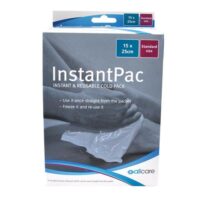
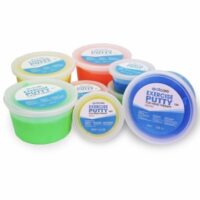
Muscle & Soft Tissue Products
These muscle and soft tissue products are commonly used by our physiotherapists to relax or loosen muscles, improve strength, comfort, flexibility, and home exercise programs.
-
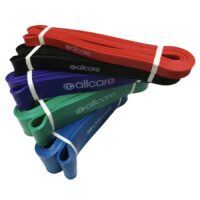
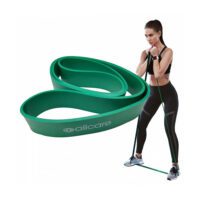 Exercise Equipment, Resistance Band
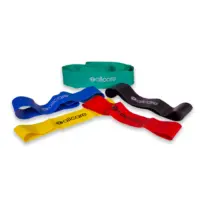
AllCare Powerloop Bands
$22.00 – $65.00Select optionsQuick View -
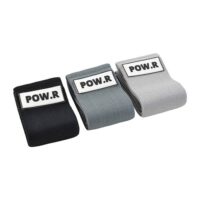
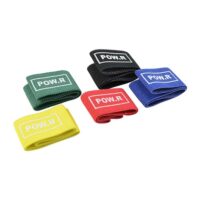 Exercise Equipment, Knee, Resistance Band
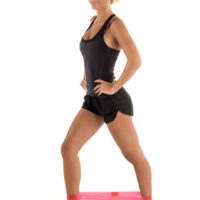
POW.R Fabric Mini Loop Bands
$12.00 – $55.00Select optionsQuick View -
- Exercise Equipment, Resistance Band
POW.R Wide Fabric Loop Resistance Band
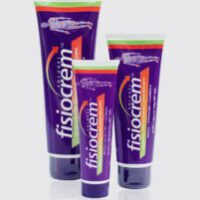
$14.95 – $49.95Select optionsQuick View - Liniments & Gels, Massage Liniments, Pain Management
Fisiocrem
$16.95 – $39.95Select optionsQuick View -
-
-
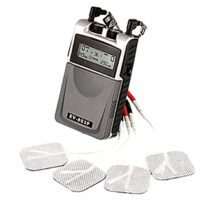
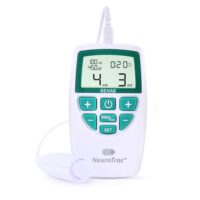
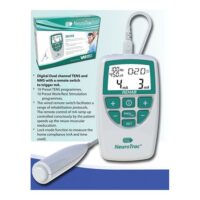
- EMS Machines, Pain Management, TENS Machine, TENS Machine & EMS
NeuroTrac Rehab (TENS Machine + EMS)
$285.00Add to cartQuick View -
-
-
-
-
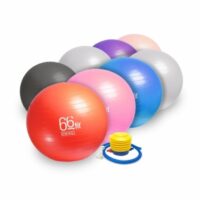
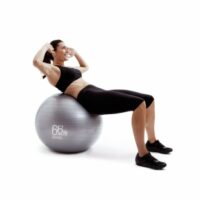 Exercise Balls, Back, Exercise Equipment, Knee, Shoulder
66fit Exercise Balls | Core & Rehab Stability Ball
$32.00 – $57.00Select optionsQuick View -


Frequently asked questions
What does PNF stretching mean?
PNF means Proprioceptive Neuromuscular Facilitation. PNF stretching combines a controlled muscle contraction with relaxation and stretching to improve flexibility and movement.
Is PNF stretching better than static stretching?
PNF stretching may produce useful short-term improvements in flexibility. However, neither method is best for everyone. Your goal, symptoms, available assistance and planned activity should guide the choice.
Can you perform PNF stretching at home?
Some PNF techniques can be adapted for home use with a strap, wall or stable surface. Initial instruction can help you select a safe position and appropriate contraction effort.
How long should you hold a PNF contraction?
A common starting point is a gentle contraction for five to ten seconds, followed by brief relaxation and a controlled stretch for approximately 10 to 20 seconds.
Should PNF stretching hurt?
No. You may feel mild muscle tension, but the technique should not cause sharp pain, joint pinching, numbness, tingling or increasing symptoms.


References
- Afonso J, Clemente FM, Nakamura FY, et al.
Strength training versus stretching for improving range of motion: a systematic review and meta-analysis.
Sports Med. 2021;51(9):1831-1849. - Behm DG, Kay AD, Trajano GS, Blazevich AJ.
Mechanisms underlying performance impairments following prolonged static stretching without a comprehensive warm-up.
Eur J Appl Physiol. 2021;121(1):67-94. - Nakamura M, Sato S, Hiraizumi K, Kiyono R, Fukaya T, Nishishita S.
Comparison of the acute effects of hold–relax and static stretching on range of motion and muscle properties.
Front Physiol. 2021;12:647500. - Konrad A, Nakamura M, Tilp M, et al.
Chronic effects of stretching on range of motion with consideration of stretching types: a systematic review and meta-analysis.
Sports Med Open. 2024;10:20.