
Corporate Wellness


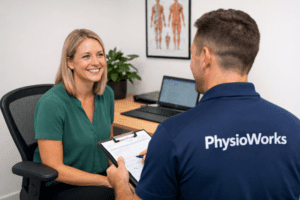
A physiotherapist discusses ergonomic workstation setup as part of a corporate wellness program.
Corporate wellness is an employer-led approach that supports staff health, reduces avoidable strain, and improves day-to-day work capacity. When you match education, ergonomics, and exercise to real job demands, many workplaces see fewer flare-ups, smoother return-to-work planning, and better comfort at the desk or on the tools.
Even so, it’s worth keeping expectations realistic. Research on cost savings varies between workplaces, industries, and program quality. A practical goal is simple: reduce risk, improve comfort, and help people work well for longer.
PhysioWorks can tailor workplace strategies for office teams, hybrid workers, and manual handling roles. Programs often combine ergonomics, workstation assessments, and online ergonomic assessments to support better movement habits and safer work setups.
What a corporate wellness program may include
Most workplaces get better results when they blend prevention with early support. Therefore, corporate wellness commonly includes a mix of these options:
- Workplace wellness programs for ongoing education and injury prevention.
- Ergonomic workstation assessments (in-person or online) for office, hybrid, or home setups.
- Sitting posture advice and practical desk set-up changes that suit the person and the task.
- Targeted strengthening or mobility sessions to support neck, shoulder, back, and hip capacity in desk-based roles.
- Manual handling education and job-task tweaks to reduce risky loads and repeated strain.
- Functional capacity evaluation (FCE) to guide suitable duties and return-to-work planning.
- Pre-employment functional assessment to match capacity to role demands.
Office wellness
Office discomfort often builds slowly. However, small changes can make a big difference when they target the real driver, such as screen height, chair setup, keyboard position, or workload breaks.
- Workplace wellness programs
- Office ergonomics
- Remote or home office workstation assessments
- Online office workstation assessment, which may include:
- Home office or remote workstation review (camera-guided setup).
- Sit-to-stand desk suitability checks and safe height ranges.
- Individualised equipment suggestions (chair, desk height, mouse, keyboard).
- Computer-use advice, including micro-breaks and simple movement habits.
Manual handling wellness
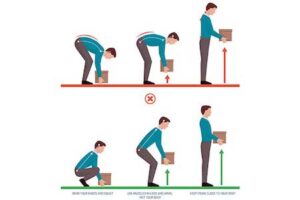
Manual handling problems often come from repeated exposures rather than one “bad lift”. Consequently, a good plan focuses on safer work methods, better load control, and role-matched capacity.
- Workplace wellness programs
- Manual handling education and job-task coaching
- Functional capacity evaluation (FCE)
- Pre-employment functional assessment
- Return-to-work readiness checks and staged suitable duties planning
- Work hardening programs and graded capacity building
- Onsite or offsite physical screening and biomechanical review, based on job demands
People also ask
Do corporate wellness programs work? They may help when the program targets real work demands, staff can take part, and the workplace supports follow-through. Evidence on cost savings varies, so many employers focus on practical wins like fewer flare-ups, smoother return-to-work, and better comfort at work.
What is included in corporate wellness? Common inclusions are ergonomic workstation assessment, education on posture and manual handling, targeted exercise, and role-matched screening such as pre-employment functional assessment or FCE reporting.
How often should a workplace do ergonomics? Start when a new site opens, when a team changes equipment or workflows, and when discomfort trends rise. Then, review higher-risk roles and repeat assessments for new starters or returning workers.
Can ergonomics reduce work-related muscle and joint pain? Ergonomic changes may help, especially when paired with training and capacity-building exercise rather than relying on equipment alone.
Related information
- Ergonomics
- Ergonomic workstation assessment
- Workplace wellness programs
- Functional capacity evaluation (FCE)
- Pre-employment functional assessment
- Posture advice and exercises
- Injury prevention essentials
What to do next
If your staff are reporting discomfort, absenteeism is rising, or return-to-work plans keep stalling, start with a clear needs check. From there, a physiotherapist can recommend the right mix of ergonomics, education, and capacity-building exercise that fits your team and duties.
Choose your clinic and appointment pathway
Select a PhysioWorks clinic to continue to live booking, an appointment request or reception assistance.
Posture Products
These posture products are commonly used by our physiotherapists to improve posture, postural strength, endurance and flexibility, plus assist home exercise programs.
-

- Braces & Supports, Back, Neck, Posture, Shoulder
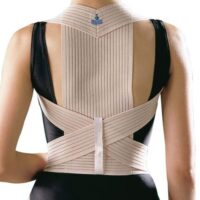
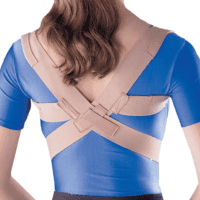
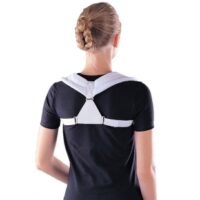
OPPO 2175 Posture Aid & Clavicle Brace
$59.95Select optionsQuick View - Back, Braces & Supports, Posture, Shoulder
OPPO 2075 Posture Aid & Clavicle Brace
$35.00Select optionsQuick View -
-
-
-
- Gift Ideas, Back, Braces & Supports, Pillows/Cushions, Posture
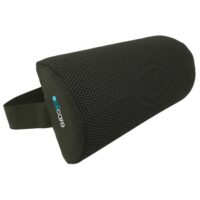
All Care Lumbar Support D-Roll
$20.50Add to cartQuick View - Back, Braces & Supports, Christmas Gift Ideas, Posture
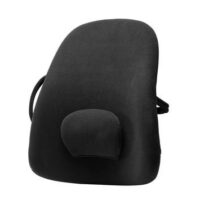
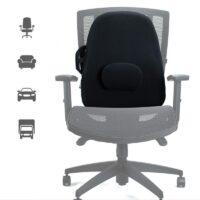
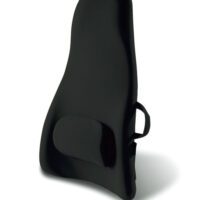
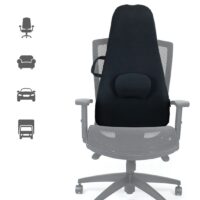
OBUSFORME Low Back Cushion
$159.99Add to cartQuick View -
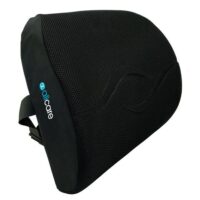 Back, Braces & Supports, Pillows/Cushions, Posture
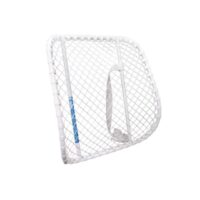
AllCare Deluxe Back Cushion
$56.00Add to cartQuick View



References
- Thonon F, et al. Return on investment of workplace-based prevention interventions: a systematic review. BMJ Open. 2023. View study
- Santos W, et al. Efficacy of ergonomic interventions on work-related musculoskeletal pain: systematic review and meta-analysis. 2025. View study
