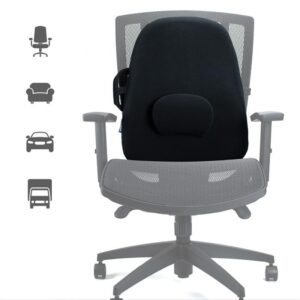
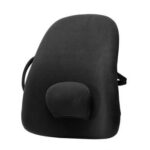
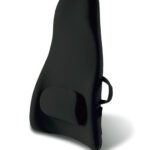
OBUSFORME Low Back Cushion
$159.99
- Description
- Additional information
Description
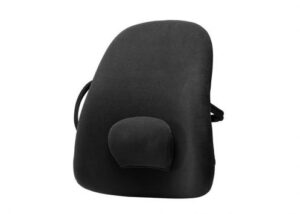
OBUSFORME Low Back Cushion, lumbar support cushion for office, car and home seating. This contoured back support is designed to support the natural curve of your lower back while you sit. It may suit people who want a more supportive chair setup during desk work, driving, study or travel.
This product may suit you if: you want a larger, adjustable lower back support for regular sitting at work, home or in the car.
Consider advice first if: you have new, severe, worsening or unexplained back pain, leg pain, numbness, weakness, night pain or symptoms after injury.
Is This the Right Back Support for You?
Desk work
Useful when your office chair lacks lower back support during long sitting periods.
Driving and travel
May help support a more comfortable sitting position during commutes or longer trips.
Adjustable support
The removable lumbar pad lets you fine-tune the support level to suit your body and chair.
Clinically Useful For
The OBUSFORME Low Back Cushion may suit people who need extra lower back support during sitting. It is commonly used for:
- lower back pain linked with prolonged sitting or poor chair support
- desk-based work, study and computer use
- car seat support during commuting and road trips
- home seating where the chair or couch gives limited lumbar support
- posture support during sitting, especially when paired with regular movement breaks
Key Benefits
- Supports the natural lumbar curve during sitting
- Adjustable lumbar pad helps tailor comfort and fit
- May reduce postural fatigue during longer sitting periods
- Useful for office, car, home and travel seating
- Works well alongside movement breaks and strengthening
Product Features
- Contoured low back cushion designed to support the lumbar spine
- Removable, adjustable lumbar pad for personalised support
- Larger backrest-style shape for broader chair contact than a small lumbar roll
- Portable design for use at work, home or in the car
- Product weight: approximately 1.0 kg
- Listed product dimensions: 30 cm x 60 cm x 53 cm
Why Use a Lumbar Support Cushion?
Long periods of sitting can flatten the natural curve of your lower back. As a result, the joints, discs and supporting muscles may work harder. This can contribute to stiffness, fatigue or discomfort during desk work, driving and long flights.
If you sit with a rounded lower back, symptoms can flare with conditions such as lower back pain, bulging disc and sciatica. A well-fitted lumbar support aims to support a more neutral sitting position, which may help you stay more comfortable.
The OBUSFORME Low Back Cushion supports the natural inward curve of your lumbar spine. It suits people who want a more supportive chair setup at work, at home or in the car.
How Does the OBUSFORME Low Back Cushion Work?
This cushion uses a contoured backrest shape designed to match the lumbar spine. Its key feature is the removable, adjustable lumbar pad, which lets you fine-tune the support level.
That matters because comfort and fit vary from person to person. Too much support can feel forced, while too little support may not change your sitting position enough to help.
Because it supports you in a more neutral position, the cushion may reduce postural fatigue during longer sitting bouts. However, posture still changes with time and load, so pair lumbar support with regular movement breaks and a strengthening plan. For practical posture strategies, see Improving Posture: Simple Changes That Help.
If you want an active plan alongside lumbar support, start with simple trunk control and strength progressions using core stability exercises and options from effective back exercises.
What Is the OBUSFORME Low Back Cushion Used For?
The OBUSFORME Low Back Cushion is commonly used as lower back support for sitting, including:
- office chair back support for desk and computer work
- car seat lumbar support for commuting and road trips
- home seating support on dining chairs, couches and occasional chairs
- travel support for flights, trains and long sitting days
- comfort support during flare-ups where sitting tolerance drops
Daily Use Tips
Place the cushion so the curved section sits in the hollow of your lower back. Next, adjust the lumbar pad until you feel firm support without forcing a large arch. Then sit back into the chair with both feet flat on the floor.
Finally, stand and move every 30–60 minutes where possible. A lumbar cushion can support sitting posture, but it does not replace regular movement.
If your workspace setup contributes to symptoms, an ergonomic check can help. See Ergonomic Workstation Assessment and our broader ergonomics services for practical options.
Safety check before use:
- Stop using the cushion if it increases back pain, leg pain, tingling, numbness or weakness.
- Adjust the lumbar pad gradually. Support should feel comfortable, not forced.
- Seek physiotherapy advice if symptoms persist, worsen or affect sleep, walking, work or daily activity.
Who It Suits Best
- office workers and students who sit for long periods
- drivers, commuters and frequent travellers
- people managing recurring low back discomfort
- people who prefer a larger backrest-style support rather than a small lumbar roll
- anyone wanting proactive posture support during sitting
Related Products That Pair Well
If you want a smaller portable option, compare this cushion with the All Care Lumbar Support D-Roll. If you need a broader backrest shape, consider the OBUSFORME Wide Back Support Cushion. For upper-body posture support, the OPPO 2075 Posture Aid / Clavicle Brace may suit some people when used with an exercise program.
Frequently Asked Questions
Does a lumbar support cushion help lower back pain?
A lumbar support cushion may help by maintaining a more neutral lumbar curve during sitting. This can reduce sustained slumped posture for some people. Results vary, so pair it with movement breaks and an exercise plan. For a broader guide, read Lower Back Pain.
How do I position the OBUSFORME Low Back Cushion correctly?
Sit back in your chair and place the cushion so the curved section sits in the hollow of your lower back. Adjust the lumbar pad until it feels supportive but not forced. If your setup still feels off, use Ergonomic Workstation Assessment as a guide.
Can I use lumbar support all day?
You can use lumbar support during longer sitting periods, but you still need regular movement. Change positions and stand up every 30–60 minutes where possible. A support cushion can help your sitting setup, but one posture for too long may still cause stiffness.
Is lumbar support helpful for sciatica?
It can help some people by reducing sustained slumped sitting, which may aggravate symptoms. However, sciatica has different drivers, so the best plan depends on your presentation. Start with the basics here: Sciatica.
Is this cushion suitable for car seats?
Yes. Many people use a lumbar support cushion while driving to reduce fatigue and stiffness. Position it so it supports the small of your back and adjust your seat so you can sit back with your hips supported.
Will a cushion fix my posture long term?
A cushion supports posture while you use it. Long-term change usually comes from building capacity and endurance through the trunk, hips and upper back. Start with core stability exercises and progress gradually.
Related PhysioWorks Articles
- Lower Back Pain – common causes, treatment options and prevention.
- Improving Posture: Simple Changes That Help – practical posture cues and habits.
- Effective Back Exercises – exercise options to build strength and control.
- Ergonomics – workstation and sitting setup guidance.
What To Do Next
Choose the OBUSFORME Low Back Cushion if you want a larger adjustable lumbar support for regular sitting at work, home or in the car. Check that its size, support level and chair fit match your needs before adding it to your cart.
If your pain is new, worsening, persistent or linked with leg symptoms, seek physiotherapy advice before relying on a cushion alone.
Additional information
| Weight | 1.0 kg |
|---|---|
| Dimensions | 30 × 60 × 53 cm |