
Back Massage Brisbane

Back Massage Brisbane: More Than Relaxation
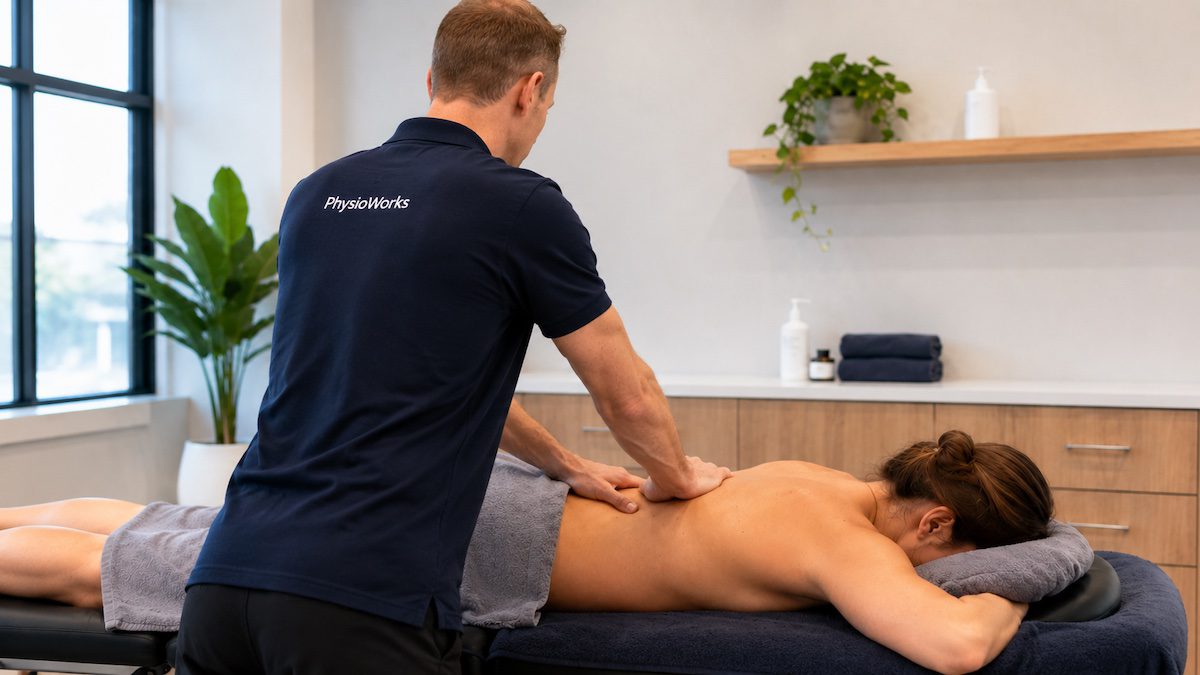
Back massage in Brisbane often feels great, and relaxation is a genuine benefit. However, when delivered by a trained remedial massage therapist, back massage may also help ease muscle tension, improve comfort with movement, and support recovery from day-to-day load.
Many people book back massage when desk posture, lifting, sport, or stress leaves the back feeling tight and sore. If your discomfort keeps returning, it may relate to factors beyond muscle tightness. Start with these guides on back pain, neck pain, or muscle pain.
Some people prefer a style that blends recovery and relaxation. If that sounds like you, read about therapeutic massage and how it may fit into an active lifestyle.
Book a Massage Appointment
Massage is available at selected PhysioWorks clinics. Choose your preferred clinic to view current booking options.
Related Massage Services
The Therapeutic Role of Back Massage
Back massage may help reduce muscle guarding, improve local circulation, and settle the nervous system during periods of stress or overload. In many clinics, massage works best as one part of a broader plan. For example, it may sit alongside targeted exercises, education, and hands-on care selected to suit your symptoms and goals.
Research suggests massage can help some people improve pain and function in the short term when used appropriately as part of an overall management plan.
Who May Benefit From Back Massage?
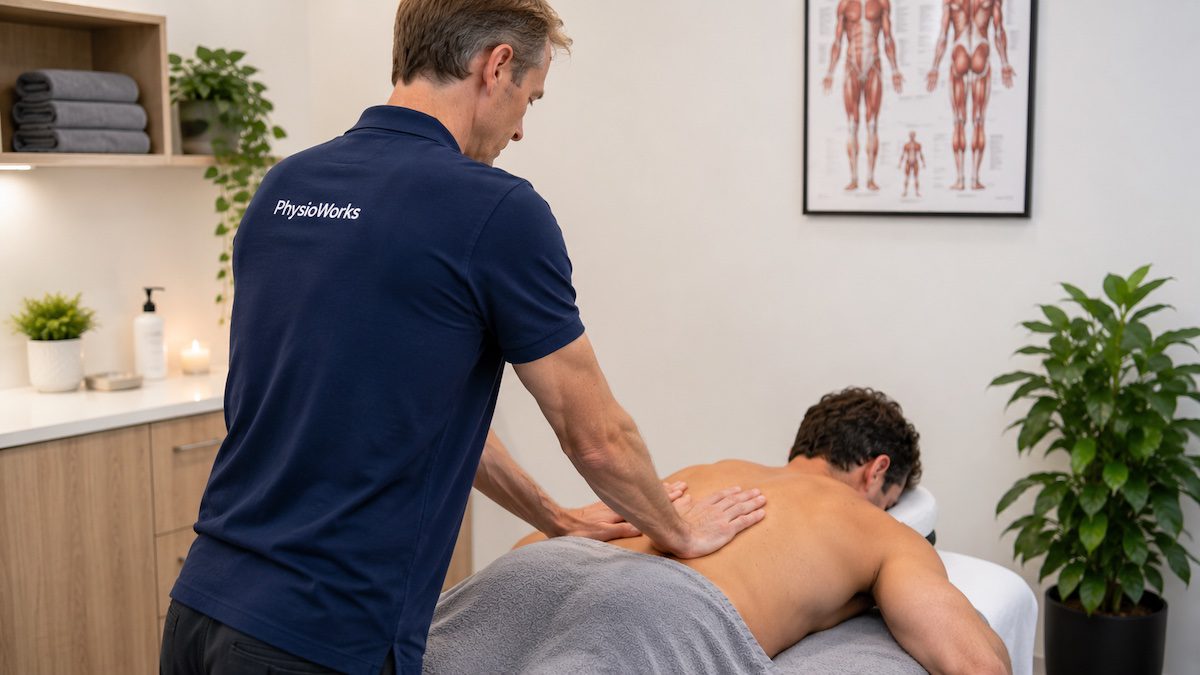
Back massage may suit people experiencing:
- work-related muscle tension
- postural strain from prolonged sitting
- sport or training-related back tightness
- stress-related muscle holding
Your therapist can also modify techniques for pregnancy, disability, or more complex health needs following appropriate screening and positioning.
Symptoms Back Massage May Help
People often seek back massage for tightness, stiffness, muscular soreness, upper back tension, and general back discomfort linked with load, posture, stress, or training. Massage may help short-term comfort, especially when symptoms feel muscular rather than sharp, spreading, or neurological.
If pain travels into the leg, or you notice pins and needles, weakness, or night pain, book an assessment rather than relying on massage alone. You may also wish to review the lower back pain guide for common causes and next steps.
Massage Techniques Commonly Used
Your therapist may select techniques based on your symptoms, tolerance, and goals. Common approaches include:
- Swedish massage: flowing strokes that support relaxation and circulation.
- Deep tissue massage: slower pressure aimed at persistent muscle tightness.
- Trigger point therapy: focused techniques targeting localised muscle knots.
How Back Massage May Support Recovery
Massage may assist recovery by improving blood flow, reducing muscle guarding, and promoting a calmer baseline tension level. Many people report short-term symptom relief and improved comfort with daily movement. Massage often supports a broader plan that may also include physiotherapy treatment techniques and exercise-based rehabilitation.
People often ask whether massage alone is enough for back pain. Massage may help reduce symptoms such as stiffness and muscle guarding, particularly during flare-ups. However, longer-term change usually depends on addressing contributing factors such as movement habits, strength, recovery strategies, and workload management. Massage does not replace a clinical assessment when symptoms keep returning or change over time.
What Happens During a Back Massage Session?
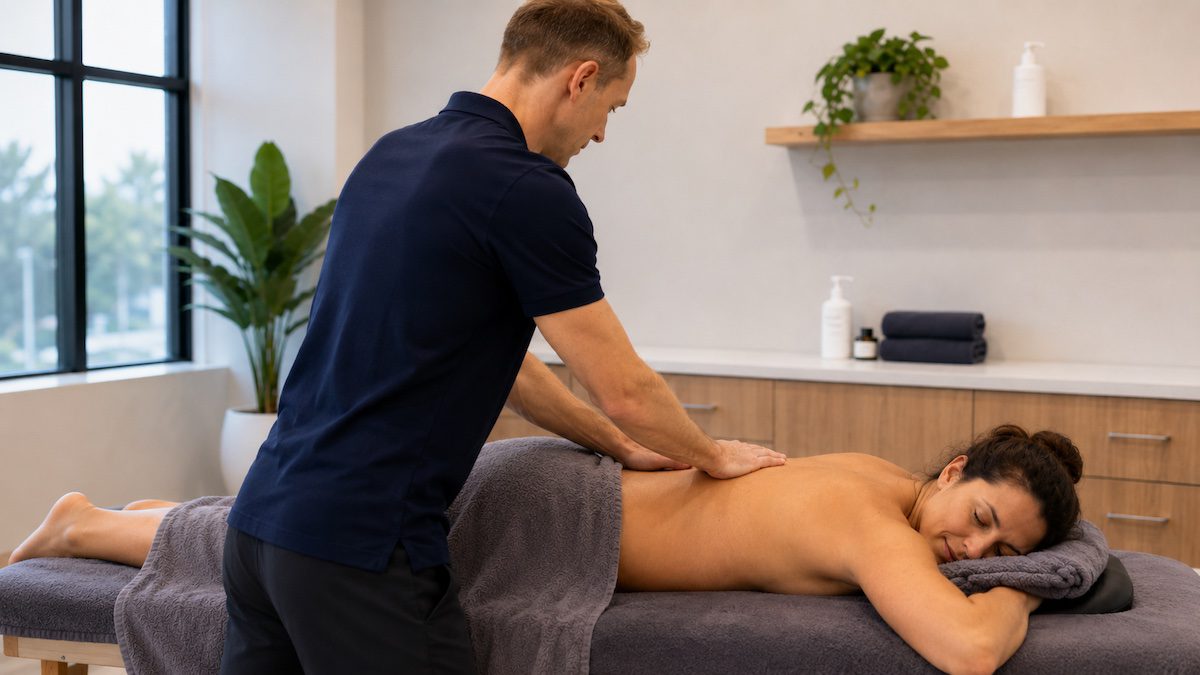
Your therapist will ask a few questions about your symptoms, medical history, and pressure preferences. They will then position you comfortably using towels and supports before working through the back, shoulder blades, and hip region if appropriate.
You can request pressure changes at any time, ensuring the session remains comfortable and goal-focused.
Is Back Massage Right for You?
Back massage may suit you if muscle tightness, postural strain, training load, or stress-related tension affects your comfort. It may be especially useful when you want hands-on treatment that targets the back, shoulder blades, and surrounding soft tissues.
If your pain spreads into the leg, includes pins and needles, weakness, night pain, or keeps returning, book a physiotherapy assessment instead of relying on massage alone.
When Back Massage May Not Be Appropriate
Back massage may not be suitable if you have unexplained severe pain, recent trauma, fever, infection, unexplained weight loss, new neurological symptoms, or a medical condition that requires clearance before treatment. If you are unsure, speak with your GP, physiotherapist, or massage therapist before booking.
Common Reasons People Book Back Massage
- acute or persistent back tightness
- muscle stiffness or spasms
- stress-related upper back tension
- training or workload fatigue
- general recovery and relaxation support
How Often Should You Have Back Massage?
Frequency varies. Some people choose weekly sessions during high-load periods, while others prefer monthly maintenance. Session length commonly ranges from 30 to 60 minutes. Your therapist can help align timing with your workload and recovery needs.
Back Massage FAQs
- Can back massage help back pain? Many people find back massage helps reduce muscle tension and short-term discomfort when appropriately applied.
- Is massage enough for chronic back pain? Massage may help symptoms, but persistent back pain often responds best to a combined plan that includes movement and strengthening strategies.
- How long do the benefits last? Relief varies. Some people notice immediate changes, while others benefit more with regular sessions and better load management.
- How often should you have a back massage? Frequency varies depending on workload, symptoms, and goals. Some people attend weekly during high-load periods, while others prefer monthly maintenance.
- Is back massage safe? Back massage is generally safe when provided by trained professionals who adjust pressure and positioning to your health needs.
Related Articles
What to Do Next
If back tension or pain is limiting your comfort or activity, a structured approach matters. A physiotherapist or remedial massage therapist may help determine whether massage alone is suitable or whether combined care is more appropriate.
If you are ready to book a back massage in Brisbane, choose a convenient appointment below.
Massage Satisfaction Promise
We aim to provide a consistently high standard of care. If, within the first 30 minutes of your massage, you feel the treatment is not meeting your expectations, please let your massage therapist know. You may choose to stop the session at that point, with no charge applied. This reflects our commitment to respectful, client-focused care.
References
- Mak S, et al. Use of Massage Therapy for Pain, 2018–2023: A Systematic Review. JAMA Network Open. 2024.
- Wu Z, et al. Myofascial Release for Chronic Low Back Pain: A Systematic Review and Meta-analysis. 2021.
- Chen PC, et al. Effect of Massage Force on Nonspecific Low Back Pain. 2022.
Brisbane Massage Therapists
Massage therapists who consult to PhysioWorks work alongside physiotherapists and exercise physiologists when appropriate.
Remedial Massage Therapists
Our remedial massage therapists help relieve muscle tension, improve flexibility, reduce soft tissue pain, and support recovery from training loads, desk posture, and everyday physical stress.
Debbie Cox

Ashish Shrestha

Courtney Burgin

Massage Products
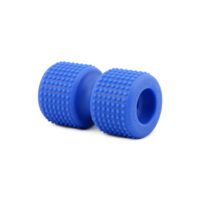
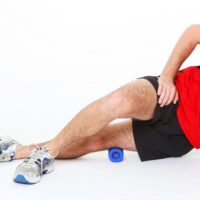
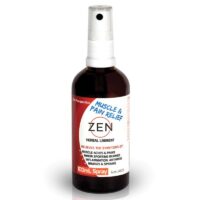
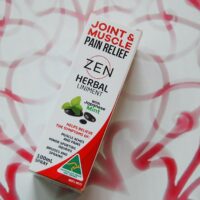
These muscle and soft tissue products are commonly used by our remedial massage therapists and physiotherapists to relax or loosen muscles.
-


-
-
-

-

-
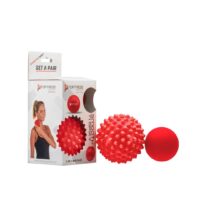 Exercise Equipment, Gift Ideas, Massage Tools
Smooth n Spiky Massage Balls (2 Pack)
$20.00Select optionsQuick View - Christmas Gift Ideas, Exercise Equipment, Gift Ideas, Massage Tools, Pain Management
Pocket Physio MAX
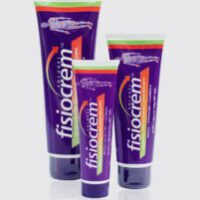
$24.95Select optionsQuick View - Liniments & Gels, Massage Liniments, Pain Management
Fisiocrem
$16.95 – $39.95Select optionsQuick View -
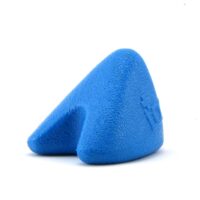
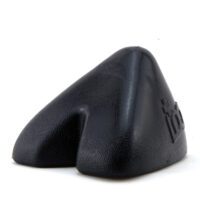
 Exercise Equipment, Back, Elbow, Foot, Massage Tools, Shoulder
Pocket Physio
$14.95Select optionsQuick View -
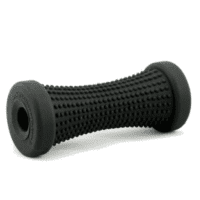
 Gift Ideas, Christmas Gift Ideas, Exercise Equipment, Foot, Knee, Massage Tools, Pain Management
Footeez Lockeroom
$45.00Add to cartQuick View - Pain Management, Christmas Gift Ideas, Liniments & Gels, Product Search
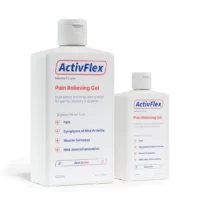
ActivFlex Pain Relief Gel
$27.95 – $42.95Select optionsQuick View

Social Media
Follow PhysioWorks for practical back care tips, exercise guidance, and injury prevention strategies.


