- Description
- Additional information
Description
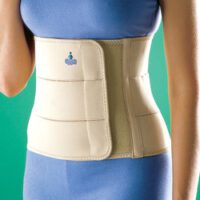
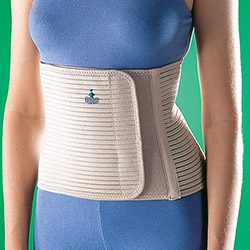
Abdominal Support OPPO 2260, abdominal binder, post-surgery support, postpartum recovery, core compression
Abdominal Support OPPO 2260 for Post-Surgery & Core Stability
WHY use the Abdominal Support OPPO 2260?
After abdominal surgery, childbirth, or during episodes of mild low back pain, your core can feel weak and “unsettled”. As a result, daily tasks like standing, walking, lifting, or even coughing can feel harder than usual. For many people, a short-term abdominal binder helps by providing gentle compression and a sense of support while tissues settle and strength returns.
The Abdominal Support OPPO 2260 aims to provide comfortable abdominal containment and consistent compression. In a physiotherapy setting, compression can assist comfort, reduce irritating movement of tender tissues, and improve body awareness while you rebuild control and strength. You can pair this support with progressive rehab, including core stability training, plus advice for lower back pain when back discomfort sits alongside reduced core strength.
HOW does it work?
The OPPO 2260 uses a light, breathable elastic multi-band design to deliver steady compression without feeling overly hot. Therefore, it suits warm Australian conditions and everyday wear. A soft pile bonded to foam lines the inside for a cushioned feel against the skin, which helps if you need to wear it for longer periods.
Because the binder secures with a hook-and-loop closure at the front, you can adjust support quickly. This also makes it easier to self-apply: wrap the belt around your waist, set the compression level that feels supportive, then fasten at the front. Importantly, it should feel firm and secure, yet still allow comfortable breathing and normal movement.
WHAT is it used for?
The Abdominal Support OPPO 2260 commonly supports:
- Post-abdominal surgery recovery (short-term abdominal containment and comfort)
- Postpartum support (temporary compression while abdominal control improves)
- Mild low back discomfort linked to reduced core support
- Abdominal wall weakness during early-stage rehab
- Support during standing tasks, walking, and light activity
For example, some people wear an abdominal binder during the early weeks after surgery while they return to gentle walking and basic daily tasks. Similarly, postpartum patients may use a binder short-term while they rebuild abdominal wall control with guided exercises and activity changes.
WHO is it best for, and WHEN does it help most?
This binder suits post-surgical patients, postpartum mums, and anyone who needs temporary abdominal support during daily activity. It is often most helpful during early recovery phases, during longer periods of standing, or when tasks repeatedly trigger discomfort. Meanwhile, long-term improvement usually comes from restoring strength and control, so consider combining this product with education and exercise, including core stability training and strategies for lower back pain.
Daily use guide
Start with a comfortable compression level and wear it for short blocks of time. Next, increase wear time if it remains comfortable and your skin stays happy. Also, remove the binder if you feel restricted breathing, pins and needles, skin irritation, or increased discomfort. If your symptoms persist or worsen, a physiotherapy assessment can help match the right plan to your goals.
Key benefits
- Breathable multi-band elastic design for day-to-day comfort
- Adjustable compression to suit changing needs
- Soft foam-lined interior for a cushioned feel
- Supports early recovery while allowing natural movement
- Easy self-application with front hook-and-loop closure
Sizing chart
Measure your waist at navel height, then choose the size that matches your measurement.
| Size | Inches | Centimetres |
|---|---|---|
| Small | 21¼ – 32 | 61.6 – 81.3 |
| Medium | 32¼ – 37 | 81.9 – 94.0 |
| Large | 37¼ – 41 | 94.6 – 104.1 |
| X-Large | 41¼ – 45 | 104.7 – 114.3 |
| XX-Large | 45¼ – 48 | 114.9 – 121.9 |
FAQs
What is an abdominal binder used for?
An abdominal binder provides gentle compression around the abdomen to support comfort after surgery, childbirth, or periods of abdominal wall weakness. It can help you feel more stable during daily movement. Pairing support with progressive rehab, including core stability training, often improves long-term function.
How long should I wear an abdominal binder after surgery?
Wear time varies with the procedure, your comfort, and your surgeon’s guidance. Many people use a binder for hours at a time in the early weeks, then reduce use as movement feels easier. If you want a clear step-by-step plan, physiotherapy can help guide pacing and exercise choices alongside the binder.
Does an abdominal binder help low back pain?
It can help some people with mild low back discomfort, especially if the pain links to reduced core support. However, support works best as a short-term tool while you rebuild strength and movement confidence. For practical tips, see lower back pain guidance and combine it with core stability training.
Can I wear an abdominal binder all day?
Many people wear a binder through the day, then remove it during rest. Still, avoid excessive tightness and take breaks if your skin feels irritated or you feel restricted breathing. If in doubt, reduce compression and wear time, then reassess comfort.
Is an abdominal binder suitable after childbirth?
Yes, many postpartum women use a binder short-term while the abdominal wall settles and control returns. That said, rebuilding strength and coordination matters, so combine support with graded exercise and sensible activity changes.
How tight should the OPPO 2260 abdominal support be?
Set it firm enough to feel supportive, yet loose enough to breathe comfortably and move normally. If you notice numbness, tingling, skin marks that persist, or increased pain, loosen the binder or stop wearing it and seek advice.
Related articles
Learn more about recovery and exercise with Core Stability Training, then review common contributors and treatment options in Lower Back Pain, and finally explore rehab basics for trunk and abdominal discomfort in Abdominal Muscle Strain.
What to do next
Choose your size using the chart above, then start with gentle compression for short periods. Next, increase wear time if comfort stays consistent. After that, begin gradual strengthening with core stability training and adjust activity using guidance from lower back pain resources. If pain escalates, symptoms spread, or you feel unsure about return-to-activity, book a physiotherapy appointment for a tailored plan.
Additional information
| Weight | .5 kg |
|---|---|
| Dimensions | 30 × 20 × 5 cm |
| Size | S, M, L, XL, XXL |