
Thigh Strain
Thigh Strain
A thigh strain is an overstretch or tear of muscle fibres in the upper leg. It commonly occurs during sprinting, kicking, jumping or rapid acceleration and may affect the quadriceps, hamstrings or adductors.


A thigh strain can cause sudden upper leg pain during sprinting, kicking, jumping or acceleration. It occurs when muscle fibres stretch beyond their current capacity or partially tear. The injury may affect the quadriceps at the front of the thigh, the hamstrings at the back or the adductor muscles on the inner thigh.
People commonly notice pain, reduced power and difficulty walking, running or changing direction. A physiotherapy assessment can help identify the injured muscle, estimate the injury’s severity and guide a safe return to activity. Thigh strain is one of several possible causes of thigh pain.
What Is a Thigh Strain?
A thigh strain is a soft tissue injury involving overstretched or torn muscle fibres in the upper leg. It can affect the quadriceps at the front of the thigh, the hamstrings at the back or the adductors on the inner thigh.
These muscles help produce force when you run, jump, kick, squat and change direction. A strain may range from a small number of injured fibres to a larger partial or complete muscle tear.
Common thigh strain signs
-
Sudden or sharp pain during running, kicking or jumping.
-
Pain when stretching or contracting the injured muscle.
-
Local tenderness in the upper leg.
-
Swelling or bruising.
-
Reduced strength or push-off power.
-
Difficulty walking, accelerating or climbing stairs.
What Causes a Thigh Strain?
A thigh strain usually happens when a muscle contracts forcefully or stretches beyond its current capacity. Sprinting, kicking, jumping and sudden acceleration are common triggers.
Risk may also increase when training demands rise faster than the body can adapt. Relevant factors can include:
-
A previous thigh or lower-limb muscle injury.
-
Muscle fatigue.
-
Rapid increases in running, kicking or gym load.
-
Reduced strength or power.
-
Limited exposure to high-speed running.
-
Incomplete rehabilitation after an earlier injury.
-
Individual strength, movement and training factors identified during assessment.
Related injuries include a corked thigh, hamstring strain and groin strain. These injuries can produce similar symptoms but may require different rehabilitation plans.
Why Does My Thigh Hurt When Running or Kicking?
Running and kicking place high force and speed demands on the thigh muscles. Pain may develop when the quadriceps, hamstrings or adductors cannot tolerate the movement’s load, stretch or contraction speed.
Pain that begins suddenly during acceleration, sprinting, kicking or jumping may indicate a muscle strain. However, upper leg pain can also arise from tendinopathy, a contusion, hip problems, nerve irritation or referred pain from the lower back.
What Are the Symptoms of a Thigh Strain?
Symptoms vary with the injured muscle, the location of the tear and its severity. Smaller strains may cause local soreness and reduced speed. Larger tears may cause a popping sensation, immediate weakness, swelling or bruising.
-
Localised pain at the front, back or inner thigh.
-
Pain during stretching or resisted muscle testing.
-
Tenderness over the injured area.
-
Swelling or bruising.
-
Reduced strength when bending or straightening the knee.
-
Pain when walking, running, climbing stairs or kicking.
-
Reduced acceleration or sprinting power.
Persistent thigh pain may overlap with other conditions, including a general muscle strain, proximal hamstring tendinopathy or referred pain from the hip or lower back.
How Is a Thigh Strain Assessed?
A thigh strain is usually identified through a clinical assessment. Your physiotherapist will ask how the injury occurred, where you feel pain and which activities aggravate it.
The assessment may include:
-
Walking and movement observation.
-
Palpation of the painful area.
-
Muscle strength testing.
-
Stretch and range-of-motion testing.
-
Squatting, lunging or step testing.
-
Running or sport-specific assessment when appropriate.
The aim is to identify the likely injured muscle, estimate the injury’s severity and consider other possible causes of upper leg pain.
Diagnostic ultrasound or MRI may be considered when the diagnosis remains unclear, a larger tear is suspected or recovery is not progressing as expected. Imaging should support the clinical assessment rather than replace it.
How Can Physiotherapy Help a Thigh Strain?
Physiotherapy aims to settle symptoms, restore comfortable movement and progressively rebuild the muscle’s strength and load capacity. Management can also address factors that may have contributed to the injury or may affect return to activity.
A rehabilitation plan may include:
-
Temporary modification of running, kicking or gym loads.
-
Advice about compression and early movement where appropriate.
-
Pain-limited isometric exercises.
-
Progressive quadriceps, hamstring or adductor strengthening.
-
Hip, pelvic and trunk strengthening where relevant.
-
Balance and movement-control exercises where indicated.
-
Graded running and acceleration drills.
-
Sport-specific kicking, sprinting or direction-change progressions.
Exercises may progress from isometric contractions to squats, bridges, lunges, step-ups and targeted strength work. Eccentric exercises may be introduced when the muscle can tolerate greater length and load.
What Are the Stages of Thigh Strain Rehabilitation?
Rehabilitation usually progresses through several overlapping stages. The pace depends on the injured muscle, symptoms, strength and the demands of your activity.
-
Early phase
Main goal: Settle symptoms and protect the injury while maintaining comfortable movement.
Examples may include comfortable walking, gentle movement and pain-limited isometric loading.
-
Strength phase
Main goal: Restore muscle strength and control.
Exercises may include bridges, squats, lunges, step-ups and targeted resistance work.
-
Running phase
Main goal: Rebuild running and speed tolerance.
Progressions may include jogging, stride-outs, acceleration drills and gradually increasing running exposure.
-
Sport phase
Main goal: Prepare for the full demands of sport or higher-level activity.
Depending on the activity, this may include kicking, sprinting, cutting and repeated high-speed efforts.

When Can You Return to Sport After a Thigh Strain?
Return to sport should depend on pain, strength, speed, movement quality and sport-specific capacity rather than time alone. Avoid sprinting, forceful kicking and unrestricted training until the thigh can tolerate progressive loading without a significant symptom flare.
Field, court and running sports place repeated high-speed demands on the thigh muscles. A graded sports physiotherapy plan can help bridge the gap between strength exercises and full training.
How Can You Reduce the Risk of Another Thigh Strain?
Risk reduction focuses on preparing the thigh muscles for the speed, stretch and force required during sport or exercise. No strategy can prevent every muscle injury.
-
Use a structured warm-up before high-speed activity.
-
Increase running, kicking and gym loads gradually.
-
Build strength in the quadriceps, hamstrings, adductors, gluteals and trunk as appropriate.
-
Include progressive exposure to sprinting or faster running when required for your activity.
-
Allow adequate recovery between demanding sessions.
-
Complete rehabilitation before returning to unrestricted sport.
-
Address recurring weakness or movement problems identified during assessment.
Recovery habits such as adequate sleep and sensible training planning can also support adaptation. Some athletes use sports massage as part of a broader recovery routine, although massage does not replace progressive strength and running preparation.
Is it safe to keep training?
Modify training when pain changes your running, kicking, walking or gym technique. Stop high-speed work if pain increases during the session or causes a significant symptom flare afterwards.
Lower-load movement may be reasonable when it remains comfortable. Seek individual advice when you are unsure which activities are appropriate.
When Should You Seek Help for a Thigh Strain?
Arrange an assessment if pain is severe, walking is difficult, bruising is spreading or you felt a pop at the time of injury. Assessment is also appropriate when symptoms are not settling, the problem keeps returning or you cannot progress back to running and sport.
What to Do Next
If you suspect a thigh strain, reduce the aggravating load and avoid repeatedly testing the injury with sprinting, kicking or heavy gym work.
A physiotherapist can assess the painful area, strength and movement, consider other causes of thigh pain and build a staged plan to restore walking, running, speed and confidence.
Choose your clinic and appointment pathway
Select a PhysioWorks clinic to continue to live booking, an appointment request or reception assistance.
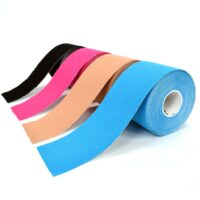
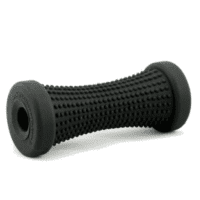
Thigh Products
These thigh products are commonly used by our physiotherapists to improve strength, provide comfort, improve flexibility, plus assist home exercise programs.
-
- Liniments & Gels, Massage Liniments, Pain Management
Fisiocrem
$16.95 – $39.95Select optionsQuick View -
-
-

-
-
-
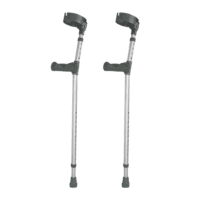 Ankle, Back, Braces & Supports, Calf, Foot, Groin, Heel, Hip, Knee, Thigh, Walking
Forearm Crutches
$64.00Select optionsQuick View -
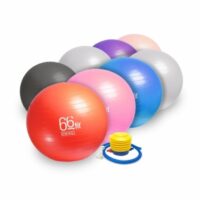
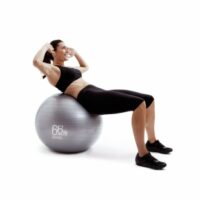 Exercise Balls, Back, Exercise Equipment, Knee, Shoulder
66fit Exercise Balls | Core & Rehab Stability Ball
$32.00 – $57.00Select optionsQuick View - EMS Machines, Pain Management, TENS Machine, TENS Machine & EMS
NeuroTrac Rehab (TENS Machine + EMS)
$285.00Add to cartQuick View -
-
-
 Gift Ideas, Christmas Gift Ideas, Exercise Equipment, Foot, Knee, Massage Tools, Pain Management
Footeez Lockeroom
$45.00Add to cartQuick View -

-








FAQs About Thigh Strain
What is a thigh strain?
A thigh strain is an overstretch or tear of muscle fibres in the upper leg. It may affect the quadriceps, hamstrings or adductors. The injury often occurs during sprinting, kicking, jumping or sudden acceleration.
How do you treat a thigh strain?
Management usually includes temporary load reduction followed by progressive movement, strengthening and a staged return to running or sport. Physiotherapy can help identify the injured muscle and guide how quickly each rehabilitation stage should progress.
How long does a thigh strain take to heal?
Recovery varies with the injured muscle, tear severity, symptoms and rehabilitation progress. A mild strain may improve within several weeks, while a larger tear can take considerably longer. Return to sport should follow strength, running and sport-specific testing rather than time alone.
Can I walk with a thigh strain?
Many people can walk with a mild strain, although the thigh may feel sore or stiff. Reduce the load if walking causes marked pain, limping or worsening symptoms. Arrange an assessment if you cannot walk comfortably.
When should I see a physiotherapist?
Consider physiotherapy when pain persists, bruising is significant, you felt a pop, or walking and running remain difficult. Assessment is also useful for recurrent strains or when you are unsure how to restart exercise safely.
Can a thigh strain come back?
Yes. A thigh strain may recur when strength, sprint tolerance, kicking load or other activity demands have not been fully restored. A staged rehabilitation plan should progress from comfortable movement and strength work to running, speed and sport-specific loading.
References
-
Ishøi L, Hölmich P, Aagaard P, Thorborg K. Diagnosis, prevention and treatment of common lower extremity muscle injuries in sport. Br J Sports Med. 2020;54(9):528–537. doi:10.1136/bjsports-2019-101228.
-
Kary JM. Diagnosis and management of quadriceps strains and contusions. Curr Rev Musculoskelet Med. 2010;3(1–4):26–31. doi:10.1007/s12178-010-9064-5.
-
Pietsch S, Thorborg K, Serner A, et al. Risk factors for quadriceps muscle strain injuries in sport. J Orthop Sports Phys Ther. 2022;52(7):433–444. doi:10.2519/jospt.2022.10870.
-
Bogwasi L, Whiteley R, Tol JL, et al. Management of proximal rectus femoris injuries—do we know what we are doing? World J Orthop. 2023;14(4):228–241. doi:10.5312/wjo.v14.i4.228.
-
Brukner P. Serious thigh muscle strains: beware the intramuscular tendon. Br J Sports Med. 2016;50(4):205–208. doi:10.1136/bjsports-2015-095407.
