
Achilles Rupture


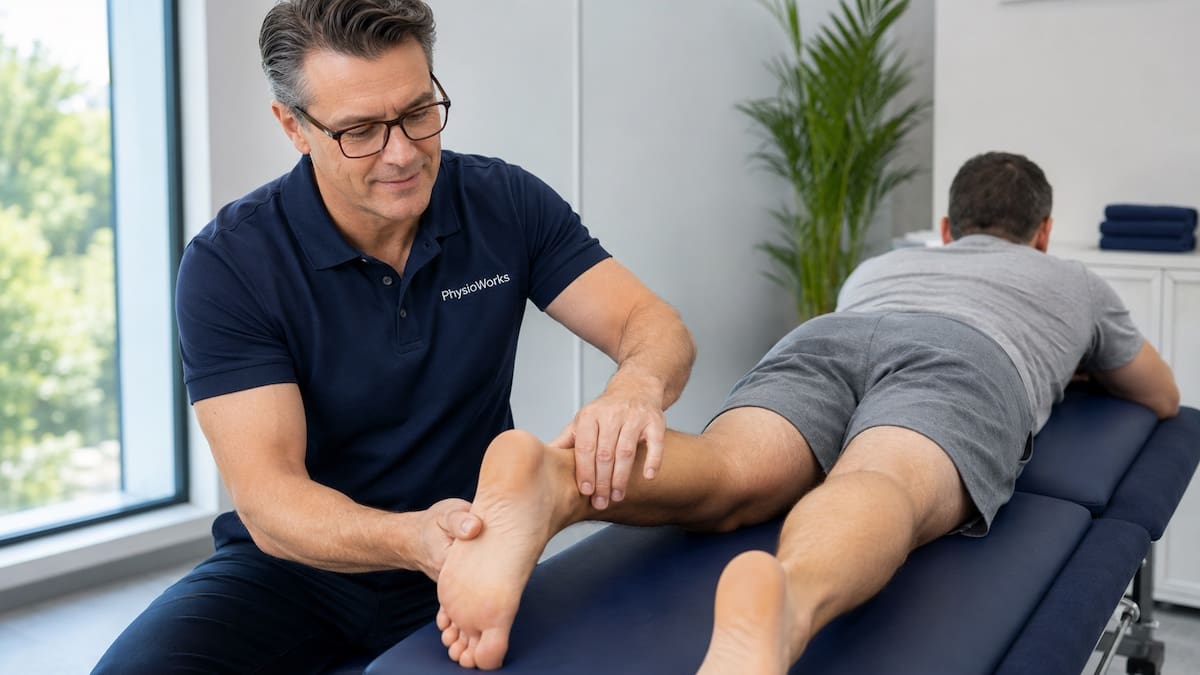
Achilles rupture physiotherapy helps you get a clear diagnosis, choose the right treatment path, and start rehab with confidence.
Achilles Tendon Rupture Treatment and Recovery
An Achilles rupture is a tear of the tendon that links your calf muscles to your heel. It often happens during a sudden push-off, jump, trip, or change of direction.
You may feel a sharp pop at the back of the ankle. After that, walking can feel weak or uneven. Some people can still walk on flat ground, so the injury can be missed early.
The Achilles sits between the calf and heel. So symptoms can overlap with Achilles tendinopathy, calf injuries, and heel pain. A structured assessment helps confirm what has happened and what to do next. For general aftercare advice, see MedlinePlus Achilles tendon rupture aftercare.
Quick Answer: What Should You Do First?
- Book an assessment soon if you felt a pop and cannot push off well.
- Do not stretch or test the tendon in the early stage.
- Protect the ankle until you know the injury grade and treatment plan.
- Ask about imaging if the diagnosis or tendon gap is unclear.
Achilles Rupture Symptoms
An Achilles rupture often causes a sudden change in strength. Pain may settle, but push-off usually stays weak.
Common symptoms of a ruptured Achilles tendon
- A sudden snap or pop at the back of the ankle
- Pain and swelling around the Achilles and heel
- Trouble pushing off to walk, climb stairs, or jog
- Reduced calf strength
- A gap or dip in the tendon, although this is not always clear
Can you still walk on a ruptured Achilles?
Yes. Some people can still walk after an Achilles rupture, especially on flat ground. However, walking usually feels weak and awkward.
This is why care can be delayed. If you felt a pop and cannot push off properly, book an assessment promptly.
What Causes an Achilles Tendon Rupture?
Most ruptures occur when the tendon is loaded faster than it can tolerate. Common triggers include forceful push-offs, tripping, awkward landings, and sudden sprinting.
Risk can rise with previous tendon pain, reduced calf capacity, and abrupt training spikes. Certain health issues, corticosteroid use, and some antibiotics, such as fluoroquinolones, can also increase tendon risk in some people.
How Is an Achilles Rupture Diagnosed?
A physiotherapist will ask what happened, check swelling, examine the tendon, and test calf strength. Clinical tests, such as the Thompson test, may help confirm the injury.
Ultrasound or MRI may help when the diagnosis is unclear. Imaging can also help check tendon gap size and guide treatment planning.

Treatment Options for Achilles Tendon Rupture
Non-operative management
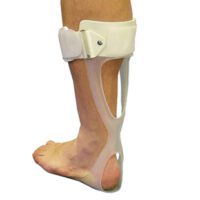
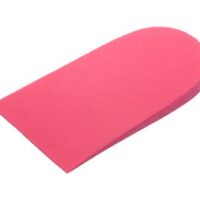
Many people do well without surgery when they start early and follow a clear rehab plan. Non-operative care usually involves a CAM boot or ankle brace with heel wedges. This position protects the tendon while it heals.
Over time, the wedges reduce. The ankle then moves closer to neutral. After that, rehab shifts toward walking, strength, balance, and return-to-activity work.
When surgery may be considered
Surgery may suit some people. This can include certain tear patterns, delayed diagnosis, larger tendon gaps, or higher performance goals.
Surgery can reduce re-rupture risk in some groups. However, it can also bring wound, infection, or nerve risks. Your surgeon and physiotherapist can explain the pros and cons in plain terms.
Surgery or Boot: How Is the Decision Made?
The best option depends on your tendon gap, timing, health, activity goals, and risk profile. No single plan suits everyone.
- Boot-based care may suit many early, well-managed ruptures.
- Surgery may suit selected cases with higher re-rupture or performance concerns.
- Shared decision-making helps match the plan to the person, not just the scan.
Achilles Rupture Rehabilitation Phases
Rehab should protect the tendon early. Then it should rebuild strength, walking quality, and calf power over time.
| Phase | Main goal | Typical focus |
|---|---|---|
| Protection | Protect healing tendon | Boot, wedges, swelling control, safe walking |
| Strength | Rebuild calf capacity | Calf loading, balance, walking mechanics |
| Function | Restore daily activity | Stairs, longer walks, work tasks, light gym |
| Sport | Return with control | Running, jumping, cutting, sport drills |
Phase 1: protection and safe movement
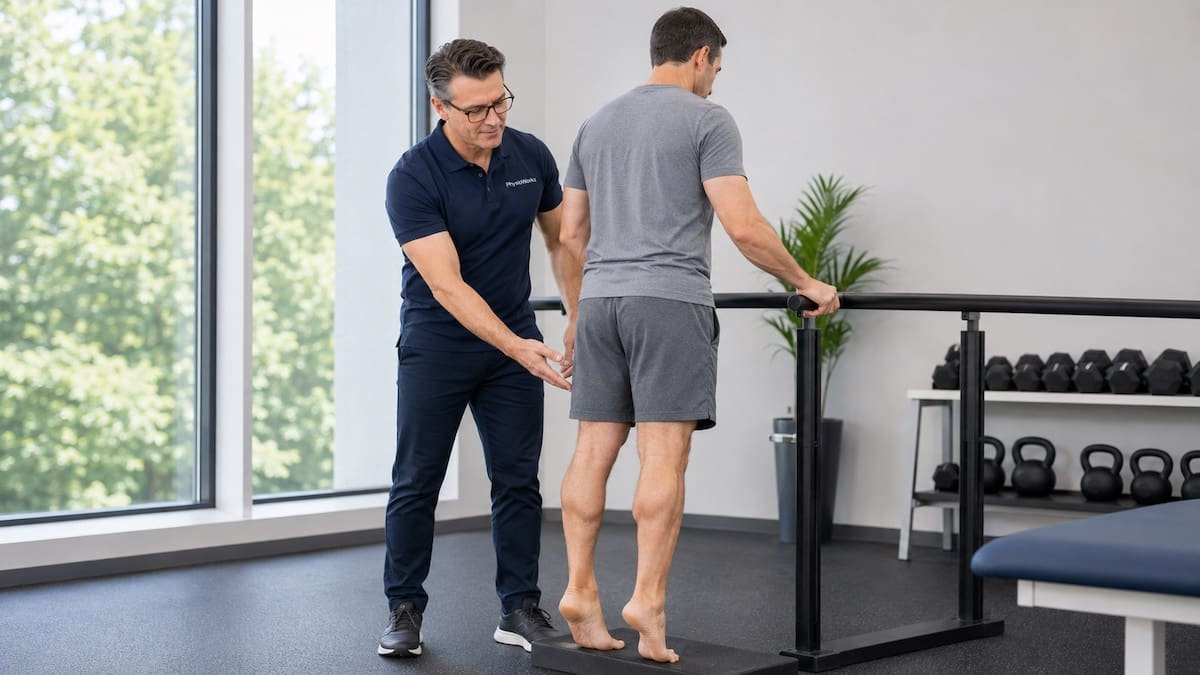
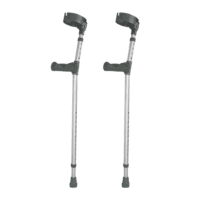
In the early weeks, the priority is tendon protection, swelling control, and safe mobility. Crutches may help at first. Hip and knee exercises can help maintain strength while the ankle stays protected.
Phase 2: progressive loading and strength
Next, rehab shifts to calf strengthening, balance, and walking mechanics. A physiotherapist may also add ankle mobility drills and gentle plyometric preparation when suitable.
If you also deal with ankle pain or a history of sprained ankle, your program should address those factors too.
Phase 3: return to running and sport
Return to running and sport depends on calf strength, tendon capacity, endurance, and confidence. It does not depend on time alone.
Many people need several months of progressive work. Some take closer to a year to feel strong again. A sensible return-to-sport plan often includes graded running and sport-specific drills, similar to the way we manage many running injuries.
How Long Does a Ruptured Achilles Take to Heal?
Healing timelines vary. Tendon healing starts early, but strength and power take longer to rebuild.
Many people spend 6–12 weeks in protected rehab. Return to sport often takes 6–12 months. Your timeline depends on your treatment choice, calf strength, baseline fitness, and rehab progress.
Related PhysioWorks Guides
- Achilles Tendinopathy — tendon pain that may increase rupture risk if poorly managed.
- How Do You Treat Achilles Tendinopathy? — practical treatment options and rehab direction.
- Achilles Enthesopathy: Causes, Symptoms, And Treatment — when pain sits closer to the heel insertion.
- Heel Pain — other causes of heel pain that can mimic tendon issues.
- Tendinopathy: Causes, Symptoms, And Effective Treatments — tendon loading, recovery principles, and flare-up management.
Achilles Rupture FAQs
What does an Achilles rupture feel like?
Many people feel a sudden pop or snap at the back of the ankle. Pain, swelling, and weak push-off often follow. Some people describe it as feeling like they were kicked in the back of the leg.
Can you still walk with a ruptured Achilles tendon?
Yes. Some people can still walk on flat ground. However, walking usually feels weak, uneven, or awkward. If you cannot push off well, arrange an assessment soon.
Do you always need surgery for an Achilles tendon rupture?
No. Many people recover well with boot-based care and structured rehab. Surgery may suit selected cases. The decision should consider tendon gap, timing, health, activity goals, and risk.
How long does Achilles rupture recovery take?
Recovery varies. Many people spend 6–12 weeks in protected rehab. Return to running or sport often takes 6–12 months, depending on strength, tendon capacity, and goals.
What should I avoid after an Achilles rupture?
Avoid stretching the tendon or repeatedly testing it early. Follow your boot, brace, or protection plan. Then progress loading step-by-step with clinical guidance.
When should I book an Achilles rupture assessment?
Book promptly if you felt a pop, cannot push off, or your calf feels suddenly weak. Early care can reduce confusion and help guide treatment choice.
What to Do Next
- Book an assessment soon if you felt a pop and cannot push off properly.
- Use a supportive shoe, brace, or boot if advised.
- Avoid early stretching or repeated “testing” of the tendon.
- Start a staged plan that rebuilds calf strength and walking mechanics.
- If imaging or surgical opinion is needed, your clinician can help guide the next step.
Choose your clinic and appointment pathway
Select a PhysioWorks clinic to continue to live booking, an appointment request or reception assistance.
Calf Products
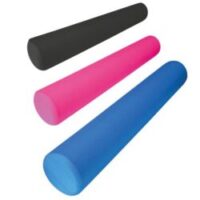
These calf products are commonly used by our physiotherapists to improve strength, provide comfort, improve flexibility, plus assist home exercise programs.
-

-

-
-
-
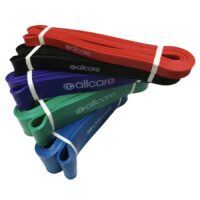
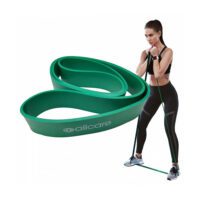 Exercise Equipment, Resistance Band
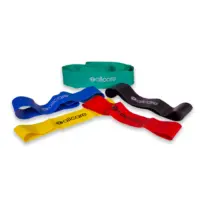
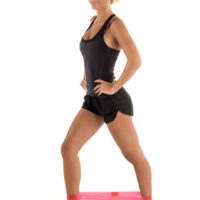
AllCare Powerloop Bands
$22.00 – $65.00Select optionsQuick View -
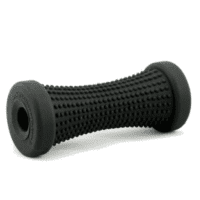
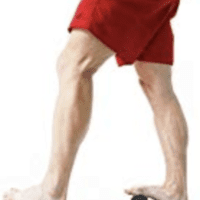 Gift Ideas, Christmas Gift Ideas, Exercise Equipment, Foot, Knee, Massage Tools, Pain Management
Footeez Lockeroom
$45.00Add to cartQuick View -
- Liniments & Gels, Massage Liniments, Pain Management
Fisiocrem
$16.95 – $39.95Select optionsQuick View -
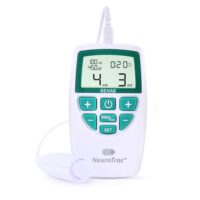
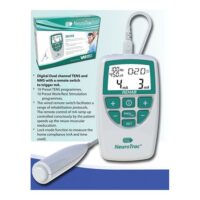
- EMS Machines, Pain Management, TENS Machine, TENS Machine & EMS
NeuroTrac Rehab (TENS Machine + EMS)
$285.00Add to cartQuick View -
-
-
 Ankle, Back, Braces & Supports, Calf, Foot, Groin, Heel, Hip, Knee, Thigh, Walking
Forearm Crutches
$64.00Select optionsQuick View -
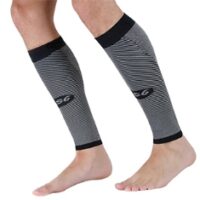
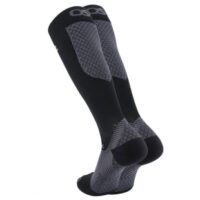 Ankle, Braces & Supports, Calf, Foot
Orthosleeve Compression Bracing Socks
$49.00Select optionsQuick View -




Follow PhysioWorks
Follow PhysioWorks for practical calf, ankle, and tendon rehab tips, plus simple exercise progressions you can use at home.


References
- Myhrvold SB, Brouwer EF, Andresen TKM, et al. Nonoperative or Surgical Treatment of Acute Achilles’ Tendon Rupture. N Engl J Med. 2022;386(15):1409-1420. doi:10.1056/NEJMoa2108447.
- Coopmans L, Amaya Aliaga J, Metsemakers WJ, et al. Accelerated Rehabilitation in Non-operative Management of Acute Achilles Tendon Ruptures: A Systematic Review and Meta-analysis. J Foot Ankle Surg. 2022;61(1):157-162. doi:10.1053/j.jfas.2021.07.007.
- Massen FK, Shoap S, Shoap W, et al. Rehabilitation following operative treatment of acute Achilles tendon ruptures: a systematic review and meta-analysis. EFORT Open Rev. 2022;7(10):680-691. doi:10.1530/EOR-22-0072.
