
Sports Injury Physiotherapy


Sports injury physiotherapy assesses an injury, identifies what currently limits training and builds a staged rehabilitation plan for your sport. Treatment may combine load modification, targeted exercise, hands-on care where useful and progressive exposure to running, jumping, lifting, throwing, contact or other sporting demands.
The aim is not only to settle pain. Rehabilitation should restore enough movement, strength, control, fitness and confidence for the forces and repeated efforts your sport requires.
Some injuries occur suddenly during a twist, tackle, fall, sprint or awkward landing. Others develop gradually after changes in training volume, intensity, technique, equipment or recovery. For an overview of different activities and common injuries, visit the sports injuries hub.
Quick Answer
Sports injury physiotherapy helps determine what to protect, what you can continue loading and what needs rebuilding before full sport. A plan usually progresses from symptom control and comfortable movement to strength, sport-specific conditioning and return-to-sport testing.
What Does Sports Injury Physiotherapy Involve?
Your physiotherapist starts by discussing how the injury developed, your symptoms, previous injuries, current training load and sporting goals. Assessment may then examine the injured area, nearby joints, strength, movement control and relevant tasks from your sport.
Your plan may include:
- clear advice about what to stop, modify or continue
- strategies to manage pain, swelling and early irritation
- mobility and strength exercises matched to the injury stage
- balance, landing, running or movement retraining
- taping, bracing or equipment advice where appropriate
- graded sport-specific conditioning
- objective testing before unrestricted training or competition
For a fresh injury, our acute injury treatment guide explains practical early steps. You can also read about broader sports injury management.
People with complex, recurring or higher-performance injuries may also choose an assessment with Dr Zoe Russell, a Sports and Exercise Physiotherapist. For Brisbane service information, clinic access and performance-focused care, see Sports Physiotherapy Brisbane.
Which Sports Injuries May Benefit From Physiotherapy?
Physiotherapists commonly manage muscle, tendon, ligament and joint injuries. The right rehabilitation plan depends on the diagnosis, injury severity, healing stage and demands of your sport.
Muscle and Tendon Injuries
Knee and Ankle Injuries
Shoulder and Arm Injuries

How Does Sports Injury Rehabilitation Progress?
Most rehabilitation moves through overlapping stages rather than following a fixed calendar. Progress depends on how the injured tissue responds and whether you can meet the demands of the next stage without a significant flare-up.
1. Settle Irritation and Protect the Injury
Early management may focus on pain, swelling, comfortable movement and protection from loads the injury cannot yet tolerate. Complete rest is not always required.
2. Restore Movement and Basic Function
The next stage may address joint range, muscle activation, walking, daily tasks and confidence using the injured area.
3. Rebuild Strength and Capacity
Exercises become more demanding as strength, balance, tendon or muscle capacity and movement control improve.
4. Reload Sporting Movements
Running, jumping, landing, changing direction, throwing, kicking or lifting are reintroduced progressively according to the sport.
5. Return to Training and Competition
Testing and graded training help determine whether you can tolerate speed, fatigue, contact and repeated efforts before unrestricted competition.
Should You Rest or Keep Training With a Sports Injury?
Many sports injuries benefit from relative rest rather than stopping all activity. Relative rest means reducing or removing the loads that aggravate the injury while maintaining safe fitness, strength and movement where possible.
A modified session may use shorter running distances, reduced speed, controlled drills, alternative conditioning or exercises that avoid the painful movement. However, pushing through a worsening injury can delay progress.
Review the training load when:
- pain rises sharply during activity
- you begin limping or changing technique
- the joint feels unstable or gives way
- swelling increases after training
- symptoms remain clearly worse later that day or the next morning
These responses do not always mean you need complete rest. Instead, they suggest the current load or exercise needs adjustment.
Arrange an Assessment If:
- the injury returns whenever training increases
- you are unsure whether to rest, strap, brace or keep training
- pain limits running, jumping, cutting, kicking, throwing or swimming
- you have lost strength, confidence or movement quality
- you need a structured plan before a game, race, event or season
When Does a Sports Injury Need Urgent Medical Care?
Seek urgent medical assessment after major trauma or when the injury may need emergency investigation rather than routine physiotherapy.
Seek urgent care if you have:
- an obvious deformity or suspected dislocation
- severe pain or an inability to bear weight after trauma
- suspected fracture or rapid, substantial swelling
- progressive numbness, weakness or loss of movement
- chest pain, breathing difficulty, collapse or severe illness
- concussion symptoms following a blow to the head or body
Concussion requires an appropriate medical and sports-health pathway. Do not return to play on the same day when concussion is suspected.
What Happens at Your First Sports Injury Appointment?
Your physiotherapist will ask about the injury, your sport, training schedule, pain behaviour, previous injuries and relevant medical history. Bring scan reports if you have them, although imaging is not required for every sports injury.
The physical assessment may include:
- joint movement and muscle strength
- ligament, tendon or muscle testing
- balance and movement control
- walking, squatting, hopping or landing
- running, lifting, throwing or other sport-specific tasks
- screening for signs that need imaging or medical referral
You should leave with an explanation of the likely problem, initial treatment priorities and practical advice about training. Early treatment may include activity modification, exercises, symptom-management strategies and taping or bracing where appropriate.
How Is Readiness to Return to Sport Assessed?
Return to sport should not rely only on pain settling or a set number of weeks passing. Readiness is usually a shared decision based on the injury, the athlete and the demands of the sport.
Your physiotherapist may assess:
- pain, swelling and tissue response
- movement, strength and power
- balance, hopping, landing or change of direction
- running, throwing, kicking or lifting capacity
- repeated-effort and fatigue tolerance
- confidence and psychological readiness
- completion of graded team or individual training
The exact tests depend on the injury and sport. For more detail, see the Return to Sport Testing Guide.
Return-to-Sport Check
- Symptoms remain stable during and after sport-specific loading.
- Swelling, stiffness or limping does not increase after training.
- Strength and movement capacity suit the demands of the sport.
- Running, jumping, cutting, throwing or lifting feel controlled.
- You have tolerated graded training before full competition.
- You feel physically and mentally confident about progressing.

What Can Help Reduce Future Sports Injuries?
No programme prevents every injury. However, consistent preparation can improve your capacity to handle training and competition.
Build Gradually
Increase training volume, speed and intensity progressively after a break or injury.
Develop Capacity
Strengthen the muscles and movement patterns required for your sport.
Prepare for the Task
Use a progressive warm-up and practise important skills before competition intensity.
Recover Between Loads
Allow enough recovery between demanding sessions and respond early to persistent symptoms.
A targeted injury prevention programme may be useful when returning after time away, increasing training or managing recurring injuries. Runners may also benefit from a structured running analysis when symptoms relate to running load or technique.
What to Do Next
Book a sports injury assessment if pain is stopping training, the injury keeps returning or you are unsure how to progress. Bring details of your sport, position, event dates and weekly training schedule. Shoes, braces or relevant equipment may also be useful.
Your physiotherapist can then develop a plan that may include short-term symptom management, modified training, targeted strengthening, sport-specific conditioning and return-to-sport testing.
Choose your clinic and appointment pathway
Select a PhysioWorks clinic to continue to live booking, an appointment request or reception assistance.
Muscle & Soft Tissue Products
These muscle and soft tissue products are commonly used by our physiotherapists to relax or loosen muscles, improve strength, comfort, flexibility, and home exercise programs.
-
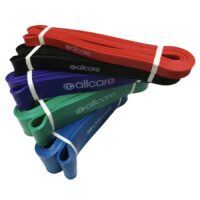
 Exercise Equipment, Resistance Band
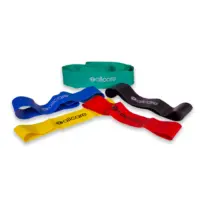
AllCare Powerloop Bands
$22.00 – $65.00Select optionsQuick View -
-
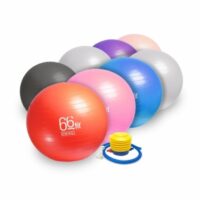
 Exercise Balls, Back, Exercise Equipment, Knee, Shoulder
66fit Exercise Balls | Core & Rehab Stability Ball
$32.00 – $57.00Select optionsQuick View -

-
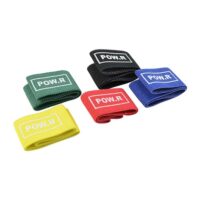 Exercise Equipment, Knee, Resistance Band
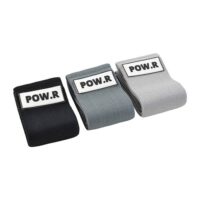
POW.R Fabric Mini Loop Bands
$12.00 – $55.00Select optionsQuick View - Liniments & Gels, Massage Liniments, Pain Management
Fisiocrem
$16.95 – $39.95Select optionsQuick View - Exercise Equipment, Resistance Band
POW.R Wide Fabric Loop Resistance Band
$14.95 – $49.95Select optionsQuick View -
-

-
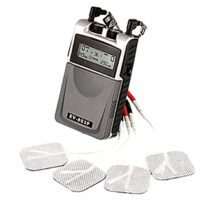
- EMS Machines, Pain Management, TENS Machine, TENS Machine & EMS
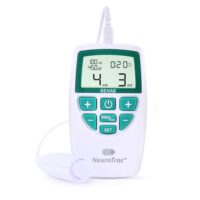
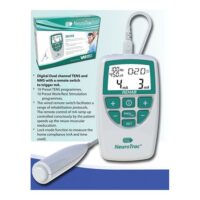
NeuroTrac Rehab (TENS Machine + EMS)
$285.00Add to cartQuick View -
-
-
-







Related Sports Injury Guides
- Ankle Sprain Recovery – rehabilitation and repeat-sprain prevention
- ACL Injury Rehabilitation – rebuilding knee strength, control and confidence
- Hamstring Strain – staged rehabilitation and return to running
- Achilles Tendinopathy – progressive tendon loading and sport planning
- Shin Splints – managing running load and lower-leg capacity
- Return to Sport Testing – assessing readiness for training and competition


References
- Smith MD, Vicenzino B, Bahr R, et al. Return to sport decisions after an acute lateral ankle sprain injury: introducing the PAASS framework—an international multidisciplinary consensus. Br J Sports Med. 2021;55(22):1270–1276.
- Schwank A, Blanch P, Hohmann E, et al. 2022 Bern Consensus Statement on Shoulder Injury Prevention, Rehabilitation and Return to Sport for Athletes at All Participation Levels. J Orthop Sports Phys Ther. 2022;52(1):11–28.
- Herring SA, Kibler WB, Putukian M, et al. Return to Sport/Return to Play and the Team Physician: A Team Physician Consensus Statement—2023 Update. Med Sci Sports Exerc. 2024;56(6):1126–1146.
- Lutz D, Donath L, et al. Neuromuscular training injury prevention warm-up programmes in youth team sport are effective: a systematic review. Br J Sports Med. 2024;58(11):615–626.
- Hickey JT, Timmins RG, Maniar N, et al. Hamstring strain injury rehabilitation. J Athl Train. 2022;57(2):125–135.
Sports Injury Physiotherapy FAQs
How soon should I start physiotherapy after a sports injury?
Early assessment may be useful within the first few days, particularly when pain, swelling or uncertainty limits activity. You do not always need to wait until symptoms fully settle. Seek urgent medical care first for suspected fracture, dislocation, concussion or major trauma.
Do I need a scan for a sports injury?
Not always. Many muscle, tendon, ligament and joint injuries can initially be assessed through your history and physical examination. Imaging may help when the findings suggest a fracture, major structural injury or another problem that could change management.
How long does sports injury rehabilitation take?
Recovery time depends on the diagnosis, severity, tissue healing, previous injuries and sport demands. Rather than relying only on dates, your physiotherapist can use milestones for symptoms, strength, movement and training tolerance.
Can I keep training during rehabilitation?
Often, yes. You may be able to modify the aggravating activity while maintaining safe strength or fitness work. Your plan should consider symptoms during exercise, movement quality and how the injury responds later that day and the next morning.
When can I return to sport?
Return usually works best as a staged process. Readiness may consider symptoms, strength, power, movement quality, sport-specific testing, fatigue tolerance, confidence and completion of graded training before competition.
What should I bring to my appointment?
Bring relevant scan reports, your training schedule and details of how the injury affects your sport. Shoes, braces or equipment may help when they relate directly to the problem being assessed.