

- Description
- Additional information
- Reviews (0)
Description
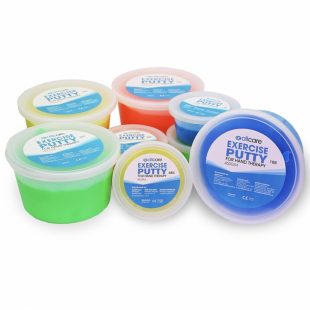
AllCare Exercise Putty, hand exercise putty, grip strength rehab, finger strengthening putty
AllCare Exercise Putty
Hand and finger strengthening for rehab, work, and sport
Why should you use AllCare Exercise Putty?
Hand pain, stiffness, and weakness can make simple tasks harder, such as opening jars, typing, gripping a steering wheel, or lifting at work. These issues often follow overload, repetitive strain, arthritis flare-ups, tendon irritation, or time in a splint after injury. In many cases, you need a way to rebuild strength and finger control without overloading sore joints.
AllCare Exercise Putty gives you a simple, progressive way to train grip strength, finger flexion, pinch strength, and hand coordination. As a result, it suits early rehab through to stronger conditioning, depending on the resistance you choose. If you want a broader guide to common causes and treatment options, see our hand & wrist pain page within the same reading flow.
How does it work?
This putty creates resistance when you squeeze, pinch, stretch, roll, or twist it. That resistance helps load the small muscles of the hand and forearm in a controlled way. Over time, graded loading may improve capacity and confidence for daily tasks and sport.
AllCare Exercise Putty uses a non-toxic, non-oily, latex-free silicone blend, which helps keep handling cleaner and more comfortable for repeated sessions. The colour-coded resistances also make progression straightforward:
- Yellow – Soft
- Red – Soft Medium
- Green – Medium
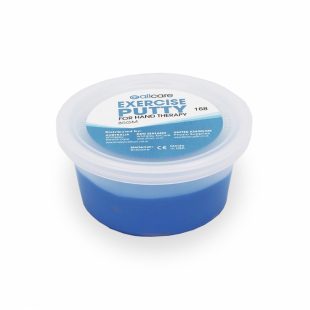
- Blue – Firm
If your symptoms relate to tendon overload from gripping or repetitive tasks, you may also find it helpful to read about load management and strengthening principles in wrist tendinopathy. Likewise, if morning stiffness and aching joints drive your hand limits, our guide to wrist & hand arthritis explains practical exercise and self-care options.
What is it used for?
AllCare Exercise Putty suits a wide range of hand therapy goals, from early-stage movement retraining to stronger grip conditioning. Use it for:
- Grip strength after injury, flare-ups, or deconditioning
- Finger flexion and extension for dexterity and control
- Pinch strength (thumb-to-finger) for fine motor tasks
- Range of motion support when stiffness limits function
- Work conditioning for manual roles that need sustained gripping
Who is it for, and when should you use it?
This putty often suits people recovering from a sprain, strain, or fracture once a clinician clears strengthening, as well as those managing repetitive strain or arthritis-related weakness. It can also help athletes who want better hand endurance for gripping sports. For example, you might use softer putty early on to reintroduce squeezing and finger control, then progress to firmer grades as pain settles and strength improves.
Simple daily use guide: Start with 5–10 minutes, 3–5 days per week. Pick a resistance that creates effort without sharp pain. Begin with gentle squeeze-and-release, then add pinch grips and finger spreads. Increase difficulty by moving up a colour level, adding repetitions, or increasing time. If pain flares and stays elevated for more than 24 hours, reduce intensity and reassess your load.
If you want extra hand exercise ideas, Arthritis Australia provides a clear set of examples that many people use as a starting point at home, available via Exercises for the hands.
Choose your size
AllCare Exercise Putty comes in 85g and 450g tubs. Choose 85g for personal home use and travel. Choose 450g for frequent use, shared family use, or clinic settings where you want a longer-lasting supply.
Key benefits
- Supports progressive hand and grip strengthening with colour-coded resistances
- Helps train pinch strength, finger control, and dexterity for daily tasks
- Latex-free, non-oily silicone blend for a cleaner feel during repeat sessions
- Useful for rehab after injury, overload, or arthritis-related weakness when guided well
- Two tub sizes suit home programs and clinical use
FAQs
Which resistance level should I start with?
Start with a resistance that feels challenging but does not spike your pain. Most people begin with Yellow (Soft) or Red (Soft Medium), especially after a flare-up or time off. Progress to Green (Medium) or Blue (Firm) once you can complete your routine with good control and minimal symptom increase. If you’re unsure, a physiotherapist can match the resistance to your condition and goals via our hand & wrist pain guide.
How often should I use exercise putty?
Many people do well with 5–10 minutes, 3–5 days per week. Build gradually. Increase time or resistance only when your hand feels settled the next day. If you are managing tendon irritation from gripping, consistent graded loading usually beats “all or nothing” bursts, which is also discussed in wrist tendinopathy.
Can exercise putty help hand arthritis?
It may help by supporting gentle strengthening and movement when stiffness and weakness limit function. However, you should match intensity to your symptoms and flare pattern. Combine strengthening with joint-friendly pacing strategies and mobility work. For practical tips, see wrist & hand arthritis and the Arthritis Australia hand exercise resource linked above.
Is it safe after a fracture or surgery?
Use putty only after your treating clinician clears you for strengthening. Early on, you may need range and swelling control first. After clearance, start with a softer resistance and shorter sessions. If you’re coming out of immobilisation, you may also find context in broken wrist fracture rehab guidance.
What exercises should I do with the putty?
Common options include full-hand squeezes, thumb-to-finger pinch holds, finger spreads, rolling the putty into a log, and gentle stretching. Rotate 2–4 exercises per session so you train strength and control without overdoing one pattern. If your thumb gets sore with pinching, scale back and consider reviewing aggravating tasks like phone grip or tool use, which is often relevant in repetitive strain cases such as RSI.
How do I look after the putty?
Keep the lid sealed between uses and store it away from heat and direct sunlight. Use clean, dry hands to reduce lint pickup. If you share a tub in a clinic setting, follow your usual hygiene processes and consider individual 85g tubs for high-frequency users.
Related products (non-competing, helpful add-ons)
- Pocket Physio Muscle Relief – handy for forearm muscle tightness alongside gripping rehab.
- Spikey Massage Balls – supports self-massage for sore forearms and hands after heavier work days.
- AllCare Loop Bands – useful for broader upper limb strengthening when you progress beyond hand-only work.
What to do next
If you have ongoing hand or wrist pain, start with a softer putty and a short program, then progress gradually. If symptoms persist, keep recurring, or include numbness, night pain, or marked weakness, consider a physiotherapy assessment to confirm the driver and tailor your plan using our hand & wrist pain pathway.
Additional information
| Weight | .1 kg |
|---|---|
| Dimensions | 8 × 8 × 4 cm |
| Density | Soft, Medium Soft, Medium, Firm |
| Weight | 450g, 85g |
Only logged in customers who have purchased this product may leave a review.



Reviews
There are no reviews yet.