
Thigh Pain
Thigh Pain: Causes, Symptoms & Treatment


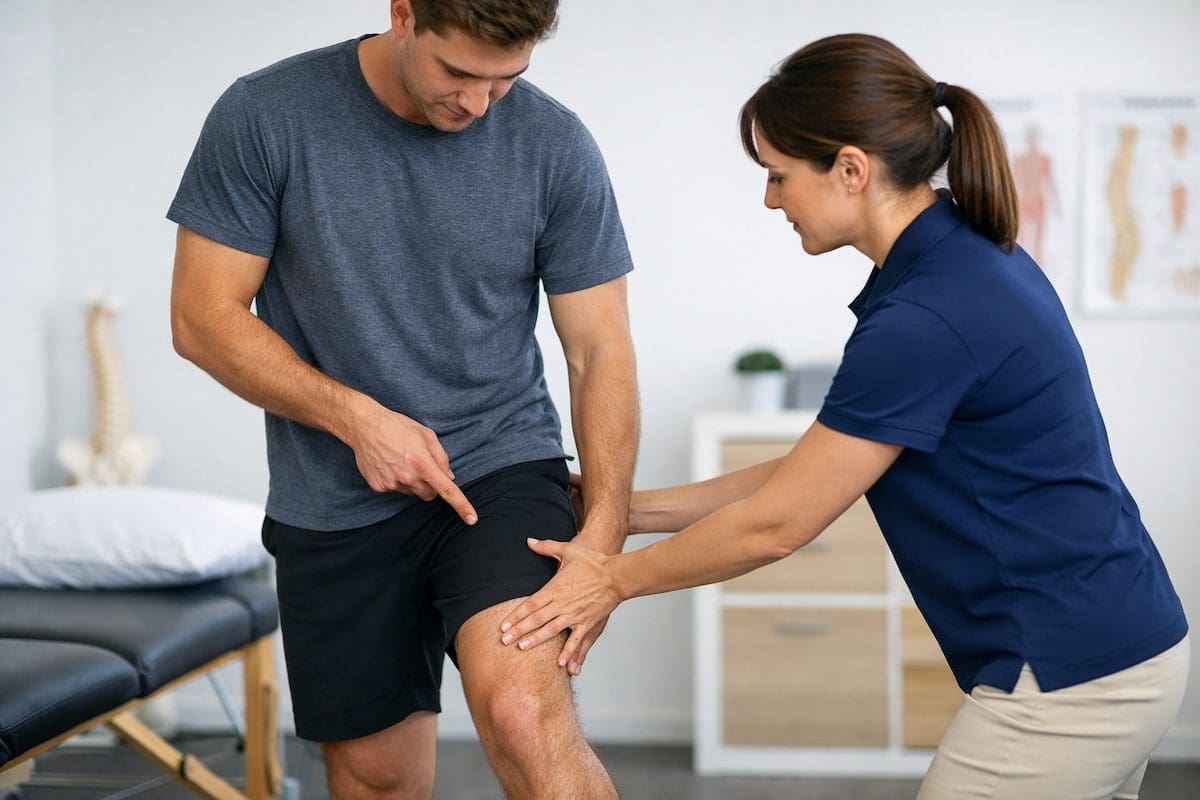
Thigh pain can begin after sport, a direct knock, sprinting, gym exercise or repeated activity. However, pain in the thigh does not always come from the thigh muscles. The hip joint, lower back and nerves can also refer symptoms into the upper leg.
This guide helps you compare common causes of front, back, inner and outer thigh pain and decide which detailed PhysioWorks guide may be most useful. For symptoms affecting more of the leg, see our leg pain guide.
Where is your thigh pain?
Pain location provides useful clues, although it cannot confirm the cause on its own. Consider where you feel the symptoms, what brings them on and whether you also notice bruising, swelling, weakness, numbness or tingling.
Front thigh pain
Possible sources include the quadriceps, a corked thigh, the hip joint or femoral nerve referral.
Back thigh pain
Possible sources include hamstring strain, proximal hamstring tendon pain, sciatica or lower-back referral.
Inner thigh pain
Possible sources include groin strain, adductor tendon problems and pain referred from the hip joint.
Outer thigh symptoms
Possible sources include ITB-related symptoms, meralgia paraesthetica and pain referred from the hip or lower back.
What can cause thigh pain?
The main thigh muscle groups are the quadriceps at the front, hamstrings at the back and adductors along the inner thigh. These muscles and their tendons can become painful after sudden injury, direct trauma or repeated loading.
Common local problems include thigh strain, corked thigh, hamstring strain, groin strain and ITB syndrome.
Similar symptoms may also arise from the hip joint, lower back or nerves. For that reason, pain location is useful but does not provide the whole diagnosis.
Is the pain coming from the thigh itself?
Features that may suggest a local thigh problem
- local tenderness over a muscle or tendon
- pain when the muscle contracts or stretches
- a clear sprinting, kicking, gym or sporting trigger
- bruising or swelling after a direct blow or sudden injury
- loss of strength that matches the painful muscle group
Features that may suggest referred pain
- associated lower-back, buttock or hip symptoms
- pins and needles, numbness or altered sensation
- symptoms that change with sitting or spinal movement
- pain travelling beyond one local muscle area
- weakness that does not fit one painful thigh muscle
Can hip problems cause thigh pain?
Yes. Pain from the hip joint can be felt in the front or inner thigh rather than directly over the hip. Hip arthritis, for example, may cause deep aching thigh pain together with stiffness after sitting, reduced hip movement or discomfort during walking and stairs.
Hip-related pain usually does not cause pins and needles. Numbness, tingling or altered sensation increases the possibility of nerve involvement.
Can lower-back or nerve problems cause thigh pain?
Yes. Pain referred from the lumbar spine or nerves may be felt in the thigh even when back pain is mild. Symptoms may change with sitting, bending, coughing, sneezing or spinal movement.
Start with our lower back pain guide or sciatica guide if pain travels from the lower back or buttock into the thigh or if you also notice tingling, numbness or weakness.
Common local thigh problems
Hamstring pain at the back of the thigh
Hamstring injuries often occur during sprinting, kicking or rapid acceleration. Sudden sharp posterior thigh pain may indicate a hamstring strain. Pain closer to the sit bone that develops with repeated loading or prolonged sitting may be more consistent with proximal hamstring tendinopathy.
Quadriceps pain at the front of the thigh
Quadriceps pain can follow sprinting, jumping, kicking, squatting or changes in training load. A direct blow to the front of the thigh can cause a muscle contusion, commonly called a corked thigh.
Adductor pain at the inner thigh
Inner thigh and groin pain commonly involves the adductor muscles or tendons. Symptoms may begin during kicking, cutting, side-stepping or sudden changes of direction. Compare groin strain with hip adductor tendinopathy if this pattern sounds familiar.
ITB-related symptoms at the outer thigh
ITB syndrome usually causes symptoms near the outside of the knee, although discomfort can extend along the outer thigh. Running hills, increasing distance or speed and repeated knee bending can aggravate symptoms.
Common causes of referred thigh pain
Femoral nerve referral
The femoral nerve can contribute to pain, altered sensation or weakness involving the front or inner thigh. These symptoms can overlap with quadriceps or hip problems, so examination of the back, hip, nerve function and thigh may be required.
Sciatica and back-of-thigh pain
Sciatica can cause pain through the buttock and back of the thigh and sometimes further down the leg. Pins and needles, numbness or weakness make nerve involvement more likely.
Meralgia paraesthetica
Meralgia paraesthetica involves irritation or compression of the lateral femoral cutaneous nerve, a sensory nerve supplying the outer thigh. It can cause burning, tingling, numbness or altered sensation rather than deep muscle pain.
Why does an accurate diagnosis matter?
Different causes of thigh pain require different management. A rehabilitation plan for a muscle strain may not suit hip arthritis, nerve pain, meralgia paraesthetica or symptoms referred from the lower back.
A physiotherapist can assess movement, strength, tenderness, neurological signs and symptom behaviour. The findings help determine whether the problem appears local to the thigh or whether assessment of the hip, lower back or nerves is also needed.
How is thigh pain treated?
Treatment depends on the likely source, severity of symptoms, activity demands and your goals. Management may include:
- temporary changes to aggravating activity while symptoms settle
- progressive strengthening for muscle or tendon problems
- hip, knee or trunk exercises when relevant to the assessment findings
- graded exposure to running, kicking, lifting, gym exercise or sport
- education about load, recovery and symptom response
- medical review or further investigation when the presentation requires it
For more information about muscle injuries, see our guides to muscle pain and injury and muscle strain.
Can I keep exercising with thigh pain?
Some mild thigh symptoms can tolerate modified activity. The response during exercise and over the following day can help guide how much load is appropriate.
Mild discomfort that settles
Reduce speed, resistance or distance and monitor how the thigh responds later that day and the next morning.
Sharp pain or limping
Stop the aggravating activity and reduce the load rather than repeatedly pushing through it.
Symptoms worse the next day
Reduce the recent load and rebuild more gradually.
Numbness, tingling or weakness
Arrange an assessment before increasing exercise intensity.
Related thigh pain guides
What to do next
If thigh pain keeps returning, changes your walking or running, limits exercise or comes with numbness, tingling or weakness, consider a physiotherapy assessment.
Once the likely source is clearer, management can focus on the appropriate combination of load modification, strength, mobility and gradual return to activity.
Choose your clinic and appointment pathway
Select a PhysioWorks clinic to continue to live booking, an appointment request or reception assistance.
Thigh pain FAQs
What can cause thigh pain?
Thigh pain can come from muscles and tendons such as the quadriceps, hamstrings and adductors. It can also be referred from the hip joint, lower back or nerves. The location and behaviour of the symptoms help narrow the possibilities.
How can I tell if thigh pain is muscular?
A muscle problem is more likely when pain is locally tender and is reproduced by stretching or contracting the affected muscle. A clear sporting, lifting or impact mechanism can also support a local muscle cause. Assessment may be needed when the pattern is unclear.
Can hip problems cause thigh pain?
Yes. Hip-joint problems can refer aching pain into the front or inner thigh. Hip stiffness, reduced rotation and pain during walking, stairs or after sitting may also occur.
How do I know if thigh pain is coming from my back?
Lower-back or nerve referral becomes more likely if thigh pain occurs with back or buttock symptoms, pins and needles, numbness, weakness or pain that changes with sitting, bending, coughing or sneezing.
What causes burning or numbness on the outer thigh?
One possible cause is meralgia paraesthetica, which involves the lateral femoral cutaneous nerve. It may cause burning, tingling, numbness or altered sensation over the outer thigh. Other nerve, hip and back problems can sometimes create similar symptoms.
When is thigh pain serious?
Seek urgent medical care for sudden severe leg pain, marked unexplained swelling or heat, a pale or cold foot, major trauma, fever with a hot swollen leg, or symptoms accompanied by chest pain or difficulty breathing.
References
- Paton BM, Read P, van Dyk N, et al. London International Consensus and Delphi study on hamstring injuries part 3: rehabilitation, running and return to sport. Br J Sports Med. 2023;57(5):278-291. doi:10.1136/bjsports-2021-105384
- Wulff MW, Mackey AL, Kjær M, Bayer ML. Return to sport, reinjury rate, and tissue changes after muscle strain injury: a narrative review. Transl Sports Med. 2024;2024:2336376. doi:10.1155/2024/2336376
- Ahmed MS, Varrassi G, Hadjiconstanti D, et al. The diagnosis and management of meralgia paresthetica: a narrative review. Pain Ther. 2024. doi:10.1007/s40122-024-00693-4
- American Academy of Orthopaedic Surgeons. Management of Osteoarthritis of the Hip Evidence-Based Clinical Practice Guideline. Published December 1, 2023.
- Healthdirect Australia. Leg pain. Last reviewed November 2023.
Thigh Products
These thigh products are commonly used by our physiotherapists to improve strength, provide comfort, improve flexibility, plus assist home exercise programs.
- Liniments & Gels, Massage Liniments, Pain Management
Fisiocrem
$16.95 – $39.95Select optionsQuick View -
-
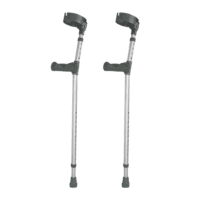 Ankle, Back, Braces & Supports, Calf, Foot, Groin, Heel, Hip, Knee, Thigh, Walking
Forearm Crutches
$64.00Select optionsQuick View - EMS Machines, Pain Management, TENS Machine, TENS Machine & EMS
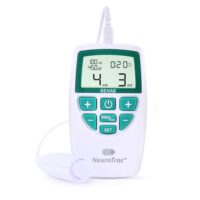
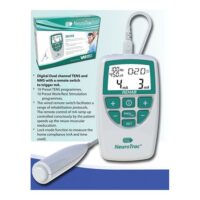
NeuroTrac Rehab (TENS Machine + EMS)
$285.00Add to cartQuick View -
-
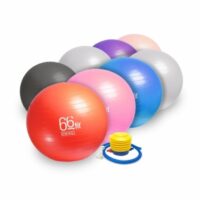
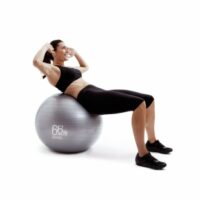 Exercise Balls, Back, Exercise Equipment, Knee, Shoulder
66fit Exercise Balls | Core & Rehab Stability Ball
$32.00 – $57.00Select optionsQuick View -

-

-
 Gift Ideas, Christmas Gift Ideas, Exercise Equipment, Foot, Knee, Massage Tools, Pain Management
Footeez Lockeroom
$45.00Add to cartQuick View -
-
-
-
-
-




Stay informed
Follow PhysioWorks for practical information about thigh pain, muscle and tendon rehabilitation, exercise and injury management.


