
Patella Maltracking


Patella maltracking happens when the kneecap does not glide smoothly in the groove at the end of the thigh bone. Instead, it may drift, tilt or sit slightly off-centre. This can increase pressure at the front of the joint and contribute to knee pain, especially with stairs, squats, running or prolonged sitting.
Patella maltracking often overlaps with patellofemoral pain syndrome, chondromalacia patella or recurrent kneecap instability. Physiotherapy usually aims to reduce joint stress, improve lower-limb control and rebuild load tolerance so your knee feels more reliable in daily life and sport.
Quick links for related knee problems
What is patella maltracking?
Patella maltracking means the kneecap does not track evenly through the femoral groove during bending and straightening. It is usually not caused by one structure alone. Instead, it often reflects a mix of muscle control, joint shape, tissue tension, movement pattern and training load.
Some people mainly notice pain. Others feel clicking, catching or a sense that the kneecap might shift sideways. If the kneecap repeatedly slips out of place, the problem may be closer to a patella instability or patella dislocation pattern.
What causes patella maltracking?
Patella maltracking usually develops from several contributing factors. The key issue is repeated kneecap stress in a position that is less efficient or less stable than ideal.
Common drivers
- Hip and trunk weakness: reduced control can let the thigh roll inward during stairs, squats, landing or running.
- Quadriceps timing or strength issues: this may affect how the kneecap is guided through the groove.
- Foot posture: excess pronation or flat feet can change lower-limb alignment in some people.
Also consider
- Tight lateral tissues: tight lateral retinaculum, ITB, quadriceps or hip flexors can increase lateral pull.
- Structural factors: a shallow trochlear groove, patella alta or previous instability may reduce natural guidance.
- Training errors: fast increases in squatting, hills, jumping or running can flare the joint before it adapts.
Current best-practice guidance supports a multi-factor approach rather than blaming only the VMO or one “weak muscle”. Exercise, education and load management usually work best when they target the full movement pattern. For a broader evidence summary, see this best-practice guide for patellofemoral pain.
How do you know if patella maltracking is contributing to your knee pain?
Patella maltracking often causes pain around or behind the kneecap, especially when the knee is bent under load. Many people notice it on stairs, during squats or lunges, while running, after sitting for a while, or when getting up from a chair.
- pain at the front of the knee or behind the kneecap
- pain going down stairs or hills
- aching after prolonged sitting
- grinding, creaking or clicking with bending
- a feeling that the kneecap may shift or slip
- reduced confidence with jumping, landing or sport
Common signs that fit patella maltracking
- front-of-knee pain that builds with repeated knee bending
- symptoms during stairs, squats, lunges or running
- pain that eases when load is reduced
- clicking or creaking without major swelling
- symptoms that overlap with PFPS or runner’s knee
Quick decision guide
- Pain with stairs, squats or sitting? Patellofemoral joint irritation is more likely.
- Clicking plus a sense of slipping sideways? Patella maltracking or instability may be contributing.
- Big swelling, locking or true collapse? Another knee problem may also be present and needs assessment.
- Pain with running hills or gym load spikes? Load management is often a major part of treatment.

How is patella maltracking diagnosed?
Patella maltracking is usually diagnosed through your history and a detailed physical assessment. A physiotherapist looks at how your knee moves, what triggers your pain and which factors seem to increase patellofemoral joint stress.
- History: pain pattern, training load, previous dislocation, footwear, work demands and aggravating activities
- Movement assessment: squat, step-down, hop, landing, gait or running analysis
- Patella assessment: kneecap position, glide, tilt, apprehension and symptom reproduction
- Strength testing: quadriceps, gluteals, calf and trunk control
- Flexibility and tissue balance: quadriceps, hip flexors, calf and lateral soft tissues
- Alignment review: foot posture, tibial rotation and lower-limb mechanics
Scans are not always required. Imaging may be more useful when there has been trauma, repeated giving way, major swelling, suspected cartilage injury, or slow progress despite a well-managed plan.
How is patella maltracking treated?
Patella maltracking treatment usually focuses on reducing symptoms first, then improving the way the kneecap loads during everyday activity and sport. Your physiotherapist may recommend a mix of strengthening, movement retraining, taping, footwear advice and staged return-to-activity planning.
- Exercise rehabilitation: targeted work for the quadriceps, gluteals, calf and trunk
- Movement retraining: improving squat, landing, step-down or running mechanics
- Load management: adjusting hills, stairs, squat depth, jumping, gym volume or running load while the knee settles
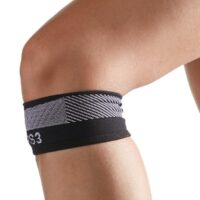
- Taping or bracing: short-term symptom relief for some people during activity
- Footwear or orthoses: useful in selected cases when foot mechanics are clearly contributing
- Manual therapy and symptom easing: may help some people alongside a progressive exercise plan
Phase 1
Settle pain
Reduce aggravating loads and restore confidence with basic movement.
Phase 2
Build control
Improve hip, quadriceps, calf and trunk strength with better knee alignment.
Phase 3
Return to sport
Progress into stairs, running, jumping, gym work and higher-load tasks.

Most rehabilitation programs progress from pain relief and movement control into strength, capacity and sport-specific loading. That usually means building from basic control exercises to more challenging tasks such as step-downs, single-leg loading, landing drills and return-to-running progressions. Our knee exercises guide and knee treatment page give broader background on this process.
How long does patella maltracking take to improve?
Many people start to notice improvement within 6 to 12 weeks when they follow a structured physiotherapy and home exercise plan. Recovery may take longer when symptoms have been present for months, there is recurrent instability, or training loads keep flaring the joint.
Load matters. If you keep pushing through painful squats, stairs, hills or running volume too early, symptoms often linger. However, reducing load too much for too long can also slow recovery by leaving the knee underprepared. The aim is usually to find a manageable level of loading and then build up steadily.
What else could feel like patella maltracking?
Front-of-knee pain is not always caused by patella maltracking alone. Similar symptoms can also come from chondromalacia patella, patellar tendinopathy, fat pad syndrome, plica syndrome or recurrent kneecap instability.
That is why assessment matters. A physiotherapist can work out whether maltracking is the main driver, one part of a bigger patellofemoral problem, or a secondary finding that needs to be interpreted in context.
FAQs About Patella Maltracking
Is patella maltracking the same as patellofemoral pain syndrome?
No. Patella maltracking describes how the kneecap moves, while patellofemoral pain syndrome describes pain around or behind the kneecap. They often overlap, but one term describes movement and the other describes symptoms.
Can I still exercise with patella maltracking?
Usually yes, but exercise often needs to be modified for a while. Reducing depth, impact, hills or training volume can calm symptoms while you build strength and control. The aim is normally to keep you active without repeatedly flaring the joint.
Do I need an MRI for patella maltracking?
Not always. Many cases are diagnosed clinically. Scans may be more helpful if there has been trauma, repeated giving way, large swelling, concern about cartilage injury, or symptoms are not improving as expected.
Does taping fix patella maltracking?
Taping may reduce pain for some people in the short term, especially during stairs, squats or sport. However, it is usually an add-on rather than the main treatment. Long-term improvement generally relies more on exercise, load management and movement retraining.
Can flat feet contribute to patella maltracking?
Flat feet can contribute in some people. Foot posture may change the way the leg loads during weight-bearing tasks, which can influence kneecap stress. Still, it is only one piece of the picture and should be assessed alongside hip strength, control and training load.
When should you get patella maltracking checked?
You should get it checked if pain is limiting stairs, squats, running, work or sport. You should also seek assessment if the knee feels unstable, repeatedly gives way, swells after activity, or is not improving with sensible load reduction.
What should you do if you have patella maltracking?
If you suspect patella maltracking, start by reducing the movements that keep flaring the knee, such as deep squats, repeated stairs, hill running or high-volume jumping. Then keep moving within a manageable range and begin a progressive strengthening plan rather than resting completely.
If the pain is not settling, the knee feels unstable, or your sport and daily activity are being limited, book a physiotherapy assessment. A tailored plan can help identify the main drivers and guide a steadier return to normal loading.
What to do now
Ease back from the movements that keep provoking your kneecap pain, keep your knee moving within a tolerable range, and start guided strengthening early. If the knee feels unstable, repeatedly gives way, or is not improving, book a physiotherapy assessment.
Choose your clinic and appointment pathway
Select a PhysioWorks clinic to continue to live booking, an appointment request or reception assistance.
Patella Support Products
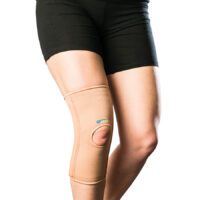
These patella support products are commonly used by our physiotherapists to help reduce strain, improve stability, and support your recovery at home.
-
-

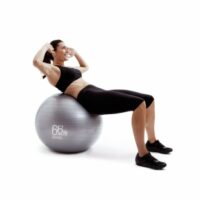 Exercise Balls, Back, Exercise Equipment, Knee, Shoulder
66fit Exercise Balls | Core & Rehab Stability Ball
$32.00 – $57.00Select optionsQuick View -
-
-
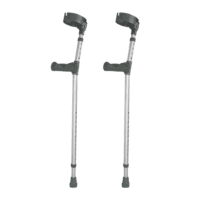 Ankle, Back, Braces & Supports, Calf, Foot, Groin, Heel, Hip, Knee, Thigh, Walking
Forearm Crutches
$64.00Select optionsQuick View -
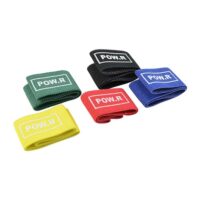 Exercise Equipment, Knee, Resistance Band
POW.R Fabric Mini Loop Bands
$12.00 – $55.00Select optionsQuick View -
-
-
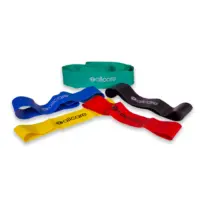
 Exercise Equipment, Resistance Band
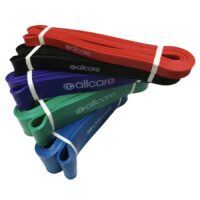
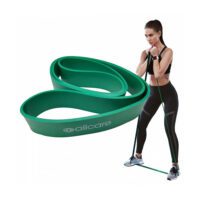
AllCare Powerloop Bands
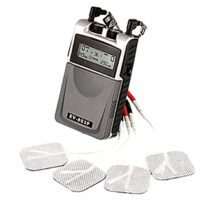
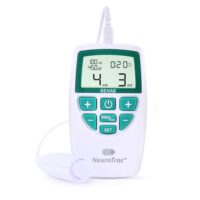
$24.95 – $79.95Select optionsQuick View - EMS Machines, Pain Management, TENS Machine, TENS Machine & EMS
NeuroTrac Rehab (TENS Machine + EMS)
$285.00Add to cartQuick View -
- Liniments & Gels, Massage Liniments, Pain Management
Fisiocrem
$16.95 – $39.95Select optionsQuick View -
-




Social Media
Follow PhysioWorks on social media for practical knee care tips, exercise ideas and updates on patellofemoral pain, kneecap tracking and return-to-sport strategies.


Research & References
- Neal BS, Lack SD, Bartholomew C, Morrissey D. Best practice guide for patellofemoral pain based on synthesis of a systematic review, the patient voice and expert clinical reasoning. Br J Sports Med. 2024;58(24):1486-1495. doi:10.1136/bjsports-2024-108110
- Than CA, Crossley KM, Drew BT, et al. Prolonged taping with exercise therapy for patellofemoral pain in adults: a systematic review and single-arm meta-analysis. J Clin Med. 2024;13(23):7476. doi:10.3390/jcm13237476
- Wu CC. Patellar malalignment: a common disorder associated with knee pain. Biomed J. 2023;46(5):100658.
- Bump JM, Lewis L. Patellofemoral syndrome. StatPearls. Updated February 13, 2023.
