
Safe Pregnancy Exercises
Safe Pregnancy Exercises
Exercise during pregnancy can support strength, fitness, comfort and confidence. The safest plan depends on your health, pregnancy, previous activity and current symptoms.


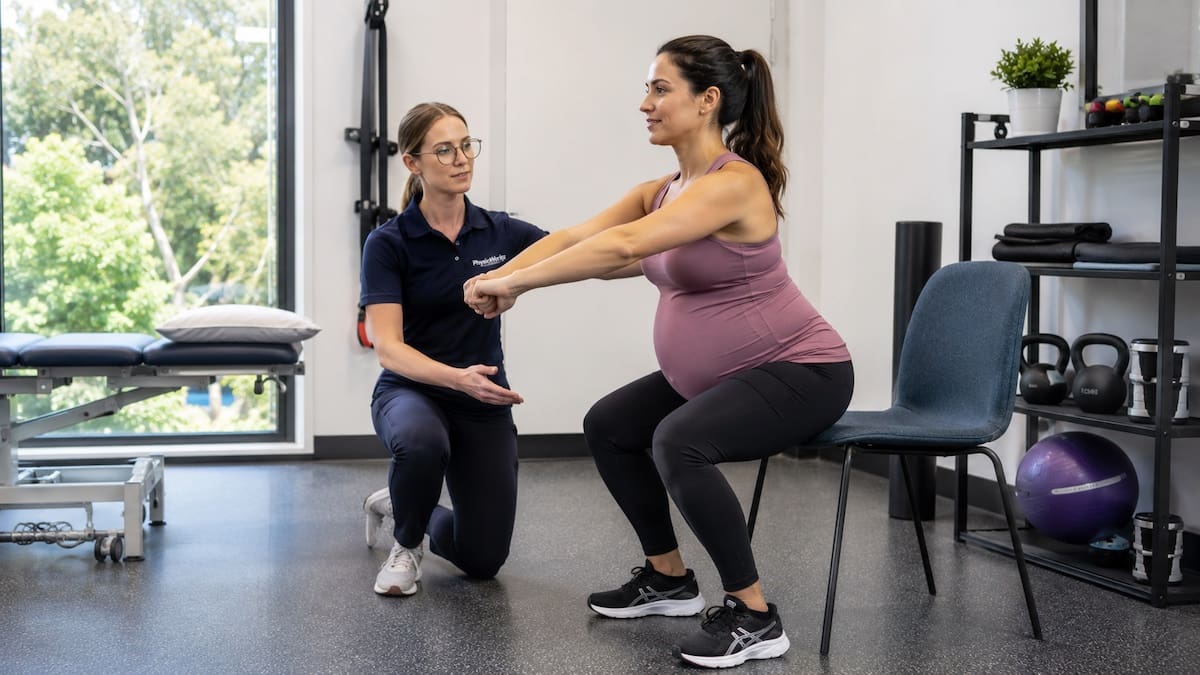
Safe pregnancy exercises should match your current health, pregnancy stage, symptoms and exercise experience. A suitable exercise should feel controlled, allow comfortable breathing and leave you able to reduce or stop the activity when needed.
Common options include walking, pool exercise, stationary cycling, strength work and modified prenatal yoga. However, pregnancy does not affect everyone in the same way. Your exercise choices may need to change as your balance, energy, comfort and abdominal control change.
If pain is already limiting you, you may also find our guides to pregnancy back pain, pelvic floor exercises and diastasis recti helpful.
Pregnancy Exercise at a Glance
Movement
Choose activities that feel controlled and suit your current balance, strength and comfort.
Effort
Moderate exercise often allows you to speak in sentences. Reduce the pace if breathing or symptoms become difficult to control.
Progression
Increase time, resistance or speed gradually rather than changing several exercise demands at once.
Comfort
Modify exercise if you notice pain, abdominal bulging, pelvic heaviness, leaking or unusual fatigue.
Temperature
Drink water, wear suitable clothing and avoid exercise conditions that make it difficult to control body temperature.
Medical advice
Check with your doctor or midwife when your pregnancy, health history or symptoms may affect exercise suitability.
What Makes an Exercise Suitable During Pregnancy?
A suitable exercise allows you to control the movement, range, effort and environment. You should feel able to slow down, change position or stop without losing balance.
Pregnancy can change joint comfort, abdominal control, pelvic-floor loading, balance and tolerance to heat. Therefore, an activity that suited you earlier may need a smaller range, lighter resistance, slower pace or more stable position later.
Exercise does not have to feel easy at all times. However, it should remain appropriate for your experience and health. Avoid treating discomfort, dizziness or pelvic symptoms as signs that you need to push harder.
How Much Exercise Can You Do During Pregnancy?
Many people with an uncomplicated pregnancy can work towards regular physical activity across the week. The right amount depends on your previous activity, current symptoms, pregnancy care and recovery between sessions.
Rather than relying on one rigid target, consider the following:
- Frequency: Spread activity across the week instead of relying on one large session.
- Duration: Use shorter blocks when fatigue, nausea, heat or discomfort make longer sessions difficult.
- Intensity: Choose an effort that suits your fitness and pregnancy. Moderate exercise often allows you to speak in sentences.
- Recovery: Reduce the next session if symptoms remain worse later that day or the following morning.
- Progression: Increase one training variable at a time, such as duration, resistance or speed.
For current public-health guidance, review the Australian Government advice about physical activity during pregnancy.
Can You Start Exercising During Pregnancy?
Many people can begin with gentle exercise even if they were not active before pregnancy. Start with a manageable amount and build gradually if you remain comfortable.
Possible starting options include:
- short walks on a level surface
- gentle pool walking or swimming
- supported sit-to-stand or chair squats
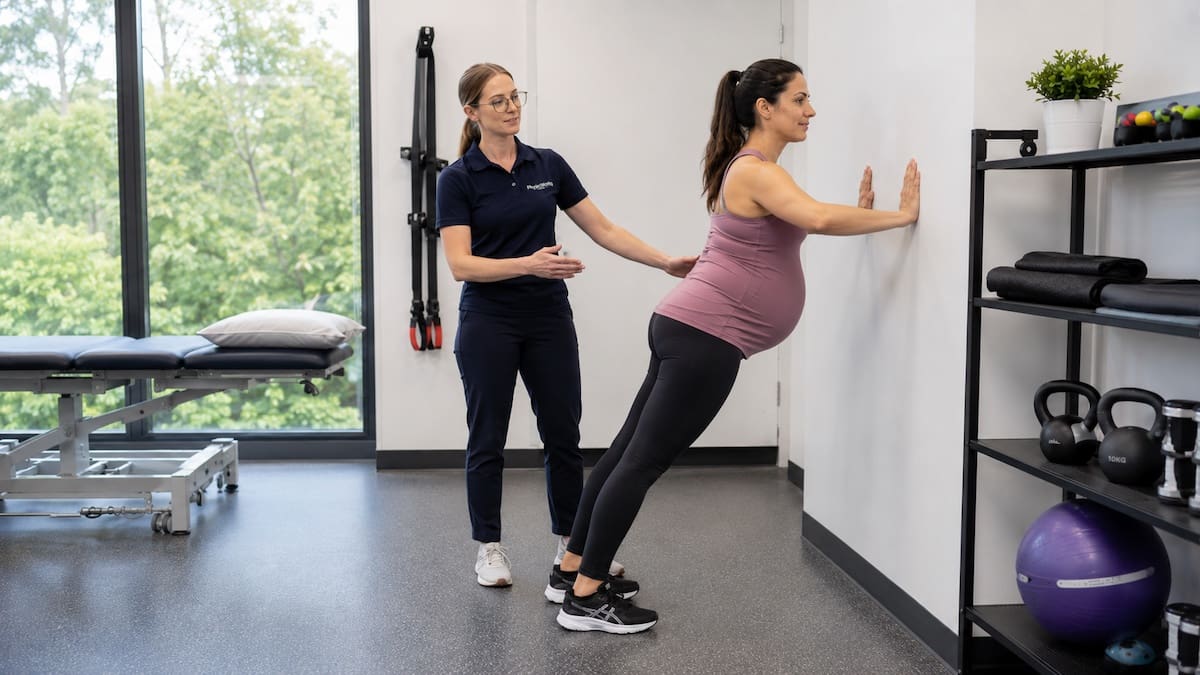
- wall push-ups
- light resistance-band exercises
- breathing and pelvic-floor exercises
- comfortable mobility exercises
Common Pregnancy Exercise Options
Walking
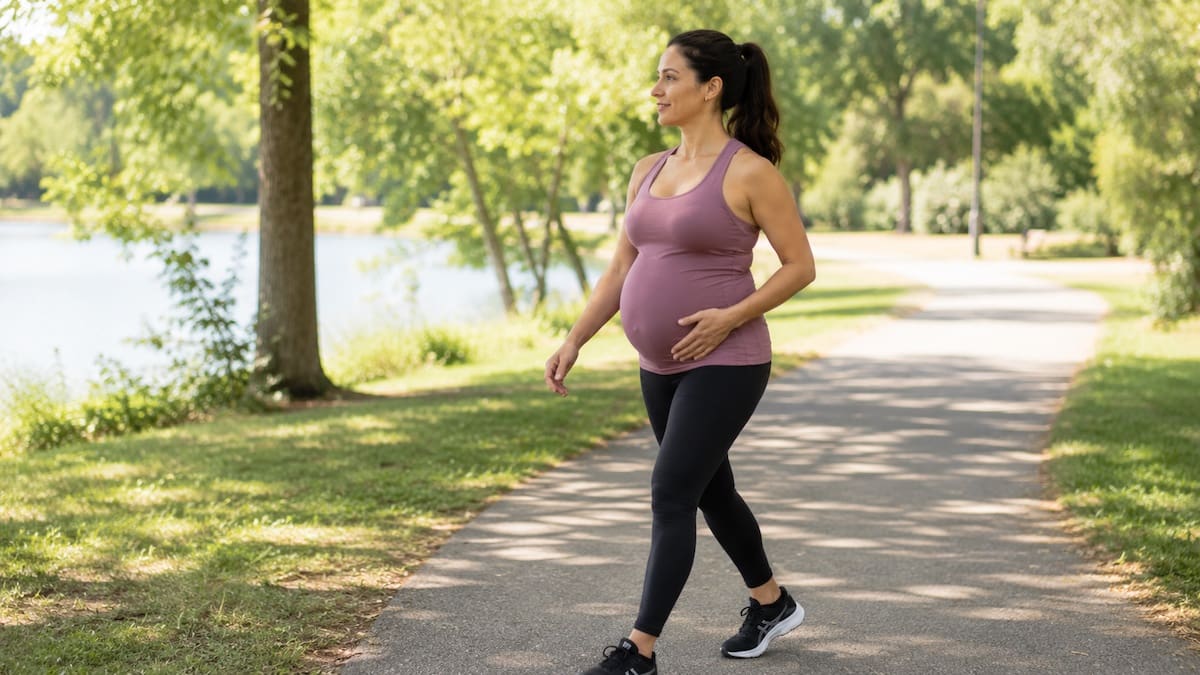
Walking is easy to shorten, slow down or perform on a flatter surface. Supportive footwear and a predictable route may help as balance changes.
Swimming and pool exercise
Water can reduce the feeling of body weight and may make movement more comfortable when the hips, pelvis or back feel sore.
Stationary cycling
A stationary bike offers a stable way to control pace. Adjust the seat and handlebars as your posture and abdominal space change.
Strength training
Modified resistance exercises can help maintain strength for daily activities. Select a manageable load and avoid breath-holding or loss of control.
Prenatal yoga or mobility
Choose pregnancy-appropriate positions and avoid heated classes, uncomfortable end-range stretching and unstable balance challenges.
Pelvic-floor exercise
Pelvic-floor training may help bladder control and should include both contraction and relaxation rather than constant bracing.
Which Strength Exercises May Be Suitable?
Strength exercises can support daily tasks such as rising from a chair, carrying, lifting and maintaining posture. The best exercise depends on your experience, comfort and movement control.
Supported chair squat
Use a chair, rail or stable bench to control squat depth and balance.
Wall push-up
Move your feet closer to the wall to reduce the load or further away to increase it.
Hip hinge
Practise bending through the hips while keeping the load close to your body.
Band row
Use a stable anchor and focus on controlled upper-back and shoulder movement.
Supported step-up
Choose a low step and use a rail or wall if your balance or pelvic comfort has changed.
Side-lying hip exercise
A side-lying position may provide a stable option for gluteal and hip-strength exercises.
How Should You Exercise Your Pelvic Floor?
Pelvic-floor exercises involve more than squeezing as strongly as possible. You should be able to gently contract, breathe and then fully relax the muscles.
A pregnancy pelvic-floor program may include:
- gentle contractions coordinated with normal breathing
- longer holds where appropriate
- short contractions for coughs, sneezes or lifting
- complete relaxation between repetitions
- practice during positions and tasks that match your symptoms
Our pelvic floor exercise guide explains the basic technique. Seek individual advice if you cannot feel the muscles working, have pelvic pain or notice increasing pressure or urinary leakage.
What About Abdominal and Core Exercises?
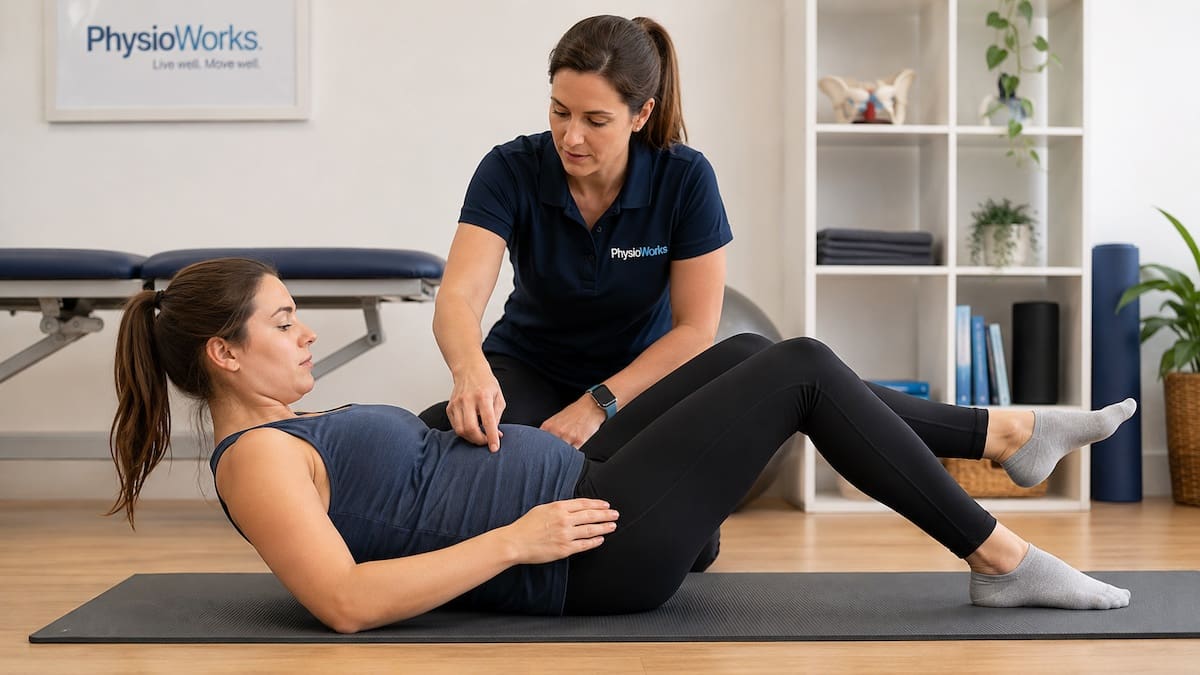
Pregnancy core exercise should focus on breathing, movement control and the demands of daily activity. You do not need to keep your abdominal muscles rigid throughout every exercise.
Modify an abdominal exercise if it causes:
- pain or discomfort
- marked abdominal doming or bulging
- pelvic heaviness or pressure
- urinary leakage
- breath-holding
- poor control of the movement
The exercise name alone does not determine whether it is suitable. Position, load, range, symptoms and technique all matter. A physiotherapist can help select alternatives when abdominal control or diastasis recti is a concern.
When Might a Pregnancy Support Help?
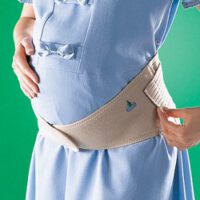
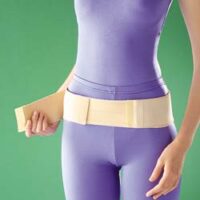
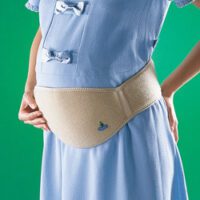
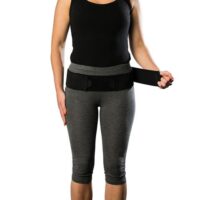
A maternity or pelvic support may help some people manage discomfort during walking, standing or daily activity. It does not correct every cause of pain and should not replace assessment when symptoms are significant or worsening.
A support may be considered when you experience:
- pelvic or pubic discomfort during walking
- back fatigue with prolonged standing
- discomfort around the sacroiliac joints
- a heavy or unsupported feeling during activity
Fit and comfort matter. The support should not restrict breathing, increase pelvic pressure or cause numbness. You can view our range of maternity supports or ask a physiotherapist about suitable use.
Which Activities Should You Avoid or Modify?
Pregnancy does not require everyone to stop the same activities. However, some activities have risks that are difficult to modify adequately.
Contact sport
Avoid activities where collision, abdominal impact or being knocked to the ground is likely.
High fall risk
Modify climbing, unstable surfaces, downhill activities or fast direction changes as balance and confidence change.
Scuba diving
Scuba diving is not considered a suitable pregnancy activity.
Excessive heat
Avoid hot rooms, hot yoga, saunas and exercise settings where you cannot control overheating.
Outdoor cycling
Consider traffic, terrain and fall risk. A stationary bike may provide a more stable alternative.
Symptom-provoking exercise
Stop or modify movements that cause sharp pain, dizziness, pelvic heaviness, leaking or unusual breathlessness.
Can You Run During Pregnancy?
Some experienced runners can continue running during an uncomplicated pregnancy. Previous running experience helps, but it is not the only consideration.
Also consider:
- advice from your doctor or midwife
- pelvic-floor symptoms
- pelvic, hip, back or pubic pain
- balance and fall risk
- fatigue and recovery
- heat and hydration
- changes in pace, distance, hills and surface
You may need to reduce speed, distance, hills or weekly frequency. Walking, pool exercise or stationary cycling can provide lower-impact alternatives when running begins to cause symptoms.
Stop running and seek advice if you develop pelvic heaviness, urinary leakage, sharp pelvic pain, persistent back pain, dizziness or warning signs associated with pregnancy.
When Should You Stop Exercising?
When Should You See a Physiotherapist?
A physiotherapy assessment may help when pain, pelvic-floor symptoms or uncertainty is stopping you from remaining active.
A physiotherapist may assess:
- walking, squatting and daily movement
- back, hip, pelvic or pubic pain
- abdominal-wall control
- breathing and pressure management
- pelvic-floor contraction and relaxation
- strength and balance
- exercise technique and progression
Your program should reflect your pregnancy, health history, exercise experience and goals. It may also need to change as pregnancy progresses.
Related PhysioWorks Guides
Safe Pregnancy Exercises FAQs
What are suitable pregnancy exercises to do at home?
Possible home exercises include walking, supported chair squats, wall push-ups, band rows, side-lying hip exercises and pelvic-floor exercises. Choose movements that feel controlled and adjust the range or resistance if symptoms develop.
Can I exercise when I feel tired during pregnancy?
You may choose a shorter or gentler session when you feel mildly tired. Walking, mobility, breathing exercises or light strength work may be more manageable than a full workout. Rest and seek advice if fatigue is sudden, severe, persistent or associated with dizziness, breathlessness, pain or feeling unwell.
Can I continue running while pregnant?
Some experienced runners can continue during an uncomplicated pregnancy. Consider your maternity advice, pelvic-floor symptoms, pain, balance, fatigue and recovery. Reduce the distance, pace, hills or frequency if needed, and stop if running causes pressure, leaking, dizziness or pain.
Which exercises should I avoid during pregnancy?
Avoid scuba diving and activities with a high risk of collision, abdominal impact or falling. Also avoid exercising in excessive heat. Modify any exercise that causes pain, dizziness, pelvic heaviness, urinary leakage, marked abdominal bulging or unusual breathlessness.
Should I avoid abdominal exercises during pregnancy?
Not all abdominal exercises need to stop. Suitability depends on the position, load, range, symptoms and control. Modify the exercise if it causes pain, marked doming, pelvic pressure, leaking or breath-holding.
When should I stop exercising and seek advice?
Stop exercising and contact your doctor or midwife if you notice vaginal bleeding, fluid leakage, painful contractions, chest pain, faintness, dizziness, shortness of breath before exercise, unusual breathlessness, severe headache, significant pelvic or abdominal pain, calf pain or swelling, muscle weakness affecting balance, or a marked change in how you feel.
What Should You Do Next?
Choose exercise that fits your health, pregnancy, experience and symptoms. Start with movements you can control, progress gradually and adjust the plan when your comfort, balance or recovery changes.
Book a physiotherapy assessment when pain, pelvic pressure, leaking, abdominal concerns or uncertainty is limiting your activity. Your physiotherapist can assess your movement and help plan suitable exercise for home, work, the gym or return to sport.
Choose your clinic and appointment pathway
Select a PhysioWorks clinic to continue to live booking, an appointment request or reception assistance.
Pregnancy Support Products
These pregnancy related support products are commonly used by our physiotherapists to help reduce strain, improve comfort, and support your body during pregnancy and post-partum.
-
 Back, Braces & Supports, Maternity, Posture
Maternity Back Support – OPPO 2062
$60.00 – $64.00Select optionsQuick View -
 Back, Braces & Supports, Maternity, SIJ
Core Stability Support – OPPO 3462
$54.00Select optionsQuick View - Braces & Supports, Back, Maternity, SIJ
AOM38 AllCare Ortho Core Stability Belt
$49.95Select optionsQuick View -
 Back, Braces & Supports, Maternity, Posture
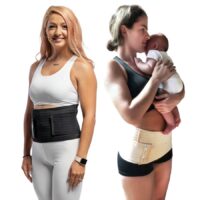
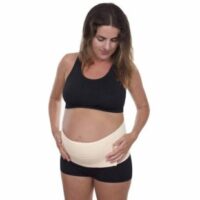
Pregnancy Belly Band & C-Section 3-in-1
$94.99Select optionsQuick View -
 Braces & Supports, Back, Maternity, SIJ
Maternity Support Belt – OPPO 4062
$37.00Select optionsQuick View


References
- Australian Government Department of Health, Disability and Ageing. Physical activity and exercise during pregnancy. Accessed 4 August 2026.
- Cilar Budler L, Budler M. Physical activity during pregnancy: a systematic review for the assessment of current evidence with future recommendations. BMC Sports Sci Med Rehabil. 2022;14:133. doi:10.1186/s13102-022-00524-z.
- Paulsen CP, Nielsen ES, Sigsgaard KL, et al. The effects of exercise during pregnancy on gestational diabetes mellitus, preeclampsia, and spontaneous abortion among healthy women: a systematic review and meta-analysis. Int J Environ Res Public Health. 2023;20(12):6069. doi:10.3390/ijerph20126069.
- Zhang D, Zhang Y, Wang X, et al. Influence of pelvic floor muscle training alone or as part of a general physical activity program during pregnancy on urinary incontinence, episiotomy and third- or fourth-degree perineal tear: systematic review and meta-analysis of randomized clinical trials. Acta Obstet Gynecol Scand. 2024;103(5):795–808. doi:10.1111/aogs.14797.
- Zhang D, Wang X, Zhang Y, et al. Prenatal exercise decreases urinary incontinence in late pregnancy and 3 months postpartum: a randomized controlled trial. Int Urogynecol J. 2025;36(2):429–440. doi:10.1007/s00192-024-06035-6.
