


ACL Treatment - Physiotherapy
ACL treatment. Physiotherapy often starts with a clear assessment of knee stability, sport demands, age, and goals. Some people do well with structured rehabilitation alone, while others choose ACL reconstruction surgery plus long-term rehab. A knee physiotherapist can assess your injury, explain your options, and guide a safe and realistic plan. For a broader overview of causes, symptoms, and diagnosis, visit our ACL injury page or browse our knee ligament injury guide. You can also see our broader knee pain and injury guide for common knee symptoms and next steps.

There is no single ACL treatment that suits everyone
ACL treatment usually sits on a spectrum. On one end, you may choose comprehensive exercise-based rehabilitation. On the other, you may choose ACL reconstruction followed by long-term rehabilitation. The most suitable plan matches your knee stability, activity level, and longer-term goals. Your physiotherapist and knee surgeon can help you weigh up the pros and cons of each pathway.
Do all ACL injuries need surgery?
No. Not every ACL injury needs surgery. Some people live active lives with a torn ACL if their knee feels stable and they complete a thorough rehabilitation programme. Surgery is more often considered when the knee repeatedly gives way, when you play pivoting or cutting sports, or when meniscal or cartilage injuries are present. If you want a practical starting point, visit our relieve knee pain guide for simple ways to settle symptoms while you organise assessment.
If you are unsure whether non-surgical care might suit you, read What happens if you don’t get ACL surgery? Then discuss your situation with your physiotherapist and surgeon.
How long does ACL treatment take?
ACL treatment takes time. Many people need six to twelve months of structured rehabilitation before returning to pivoting or high-impact sport. Early stages focus on pain, swelling, and regaining knee movement. Later stages progress to strength, balance, running, change-of-direction drills, and finally sport skills.
Progress works best when you follow milestones rather than the calendar alone. Your physiotherapist will monitor strength, movement quality, confidence, and functional tests to guide safe progression. For stage-by-stage exercise ideas, see our ACL rehabilitation exercise programme.
Non-surgical ACL treatment options
Non-surgical ACL treatment focuses on improving knee control so you can walk, work, and exercise with more confidence. This approach often suits people with lower pivoting demands, or those who want to trial rehabilitation before considering surgery.
- Acute care: early swelling management, pain relief, and protected weight-bearing when needed.
- Strength training: progressive quadriceps, hamstring, gluteal, and calf strengthening to support the joint.
- Neuromuscular and balance exercises: drills to improve knee alignment, landing control, and reactions to sudden movement.
- Movement retraining: coaching for safer cutting, deceleration, and jumping techniques.
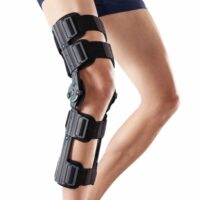
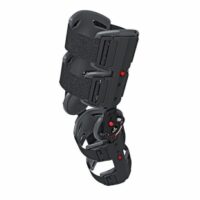
- Bracing where appropriate: some people use a brace during early return to higher-demand activity.
Many people manage daily life and lower-demand sport well with this type of ACL treatment. Your physiotherapist will monitor knee stability and adjust your plan based on your goals and knee response. For loading and prevention strategies, review our ACL injury prevention programme.
Surgical ACL treatment options
Surgical ACL treatment usually involves ACL reconstruction, where a tendon graft replaces the torn ligament. This pathway is common for athletes in pivoting sports, people with repeated “giving way”, or when the knee has associated injuries.
- ACL reconstruction: grafts may come from the hamstring, quadriceps tendon, or patellar tendon.
- Meniscus and cartilage care: surgeons may address associated injuries during the procedure.
- Post-operative physiotherapy: structured rehabilitation to restore movement, strength, and sport-specific skills.
Surgery alone does not restore knee function. Long-term rehabilitation builds strength, confidence, and sport readiness. For practical surgery considerations, visit ACL surgery: benefits and risks and our ACL injury guide.
How physiotherapy fits into ACL treatment
Physiotherapy sits at the centre of ACL treatment, whether you choose non-surgical care or surgery. Your physiotherapist assesses your knee, plans exercise progressions, and monitors your readiness for running, agility, and sport-specific drills.
- Assessing knee stability, strength, and movement control.
- Restoring knee movement and early strength.
- Progressing functional tasks, including walking, running, and jumping.
- Guiding sport readiness and coordinating care with your GP and knee surgeon.
Criteria-based progressions are often safer than time-based schedules. Your physiotherapist may use return-to-sport testing to guide training loads and competition readiness. For a plain-language overview of ACL injuries and treatment options, MedlinePlus provides a helpful summary within their health library for the general public: Anterior cruciate ligament (ACL) injury.
Can ACL treatment reduce future knee problems?
Good ACL treatment aims to protect more than just the ligament. Strength, neuromuscular training, and movement retraining may reduce strain on the meniscus and joint cartilage. As a result, you may lower the risk of repeat injury and reduce long-term joint wear.
Ongoing strength and conditioning also matters after you return to sport. Your physiotherapist can design a maintenance programme that fits your sport, work, and lifestyle.
What should you do if you think you need ACL treatment?
If your knee feels unstable, clicks, locks, or swells after twisting or landing, book an early assessment. A knee physiotherapist can examine your knee, guide whether scans or a surgeon review suits your situation, and start early rehabilitation.
For information about symptoms, causes, and diagnosis, read our ACL injury FAQs and visit the ACL injury page. These pages also link to ACL rehabilitation exercises and ACL injury prevention.
Related information
- ACL injury – overview of causes, symptoms, diagnosis, and treatment.
- What should you do if you think you have an ACL tear?
- ACL injury FAQs
- ACL surgery: benefits and risks
- What happens if you don’t get ACL surgery?
- ACL rehabilitation exercise programme
- ACL injury prevention programme
- Relieve knee pain – knee physiotherapy
- Knee ligament injury – physiotherapist tips
What to do next
If your knee feels unstable or you want a clear plan, start with an assessment. Bring any scan results if you have them. Then work through a staged rehab plan with simple milestones for movement, strength, running, and sport skills.
Choose your clinic and appointment pathway
Select a PhysioWorks clinic to continue to live booking, an appointment request or reception assistance.
ACL Products
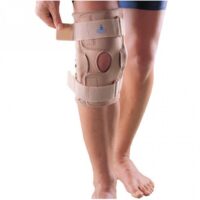
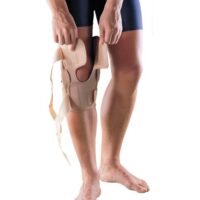
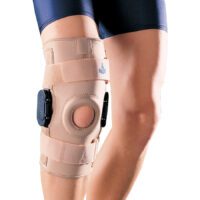
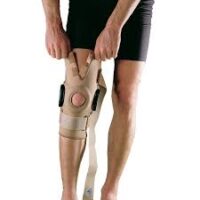
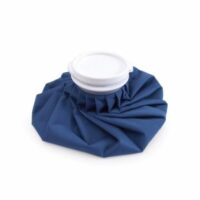
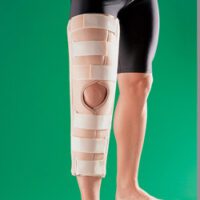
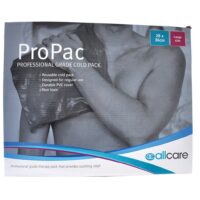
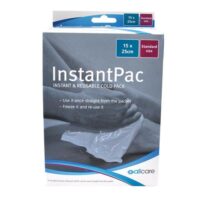
These ACL knee support products are commonly used by our physiotherapists to help reduce strain, improve stability, and support your ACL recovery at home.
-
-
-
-
-
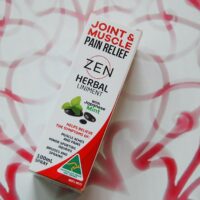
- Liniments & Gels, Massage Liniments, Pain Management
Fisiocrem
$16.95 – $39.95Select optionsQuick View -
-
-
-
-
-
-

-
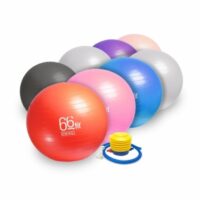
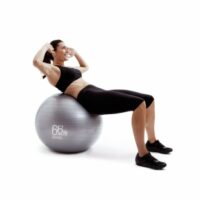 Exercise Balls, Back, Exercise Equipment, Knee, Shoulder
66fit Exercise Balls | Core & Rehab Stability Ball
$32.00 – $57.00Select optionsQuick View



Social media
Follow us on social media for knee, ligament, tendon, and muscle health tips. You will find practical exercises and recovery strategies to support long-term joint health.


References
- Kotsifaki R, Whiteley R, Van Melick N, et al. Aspetar clinical practice guideline on rehabilitation after anterior cruciate ligament reconstruction. Br J Sports Med. 2023;57(9):500-514. doi:10.1136/bjsports-2022-106158. PubMed
- de Jonge R, van der List JP, DiFelice GS, et al. Nonoperative treatment as an option for isolated anterior cruciate ligament injury: a systematic review. Sports Med Open. 2024. Full text (PMC)
- Simonsson R, Sundemo D, Björkman A, et al. Limb symmetry index and return-to-sport decision-making after ACL reconstruction: critical considerations. J Orthop Sports Phys Ther. 2024. Full text (PMC)
