
Clavicle Fracture
Clavicle Fracture Physiotherapy



Clavicle fracture physiotherapy helps restore shoulder movement, strength, and function after a broken collarbone. A clavicle fracture is one cause of shoulder pain and sits within the broader group of fracture injuries often seen after falls, bike crashes, and sports collisions. Good rehabilitation protects healing early, then rebuilds mobility, strength, confidence, and return-to-activity capacity.
Physiotherapy plays an important role after both non-surgical and surgical clavicle fractures. Early guidance may help reduce stiffness and pain, while later rehabilitation improves shoulder control, lifting strength, and safe return to work, exercise, and sport.
If you are recovering from a broken collarbone, a structured physiotherapy program may help you progress safely and reduce the risk of ongoing weakness, poor shoulder mechanics, or delayed return to normal activity.
Common signs may include:
- Pain directly over the collarbone
- Swelling or bruising around the shoulder
- Pain when lifting the arm
- A visible bump or step in the collarbone area
What Is a Clavicle Fracture?
A clavicle fracture is a break in the collarbone, the bone that connects your shoulder to your breastbone. It helps position the shoulder blade and allows the arm to move efficiently. Most clavicle fractures occur through the middle third of the bone, although injuries can also occur near the shoulder or sternum.
This injury is common in cycling crashes, contact sports, and falls onto the shoulder or an outstretched hand. Depending on the fracture pattern, treatment may involve a sling and rehabilitation, or surgery if the bone is significantly displaced or unstable.
Common Symptoms of a Clavicle Fracture
Symptoms usually start straight after the injury and may include pain over the collarbone, bruising, swelling, visible deformity, and difficulty using the arm normally. Some people also develop guarding around the shoulder and reduced confidence with reaching, lifting, or carrying.
- Pain directly over the collarbone
- Swelling or bruising around the shoulder
- Pain with lifting the arm
- A visible bump, step, or deformity
- Difficulty using the arm normally
- Weakness and protective guarding around the shoulder
Why Does Clavicle Fracture Physiotherapy Matter?
Although the bone itself needs time to heal, the shoulder often becomes stiff, weak, and poorly coordinated during recovery. Clavicle fracture physiotherapy helps restore normal shoulder mechanics so the arm can move well again.
Rehabilitation usually aims to:
- Protect healing in the early stage
- Restore shoulder range of motion
- Improve scapular and rotator cuff control
- Rebuild strength for lifting, pushing, and carrying
- Guide safe return to work and sport
Without proper rehabilitation, some people develop persistent pain, weakness, altered movement, or related problems such as rotator cuff injuries, shoulder bursitis, frozen shoulder, or AC joint pain.
Clavicle Fracture Physiotherapy Stages
Rehabilitation should match the stage of healing, your symptoms, and your fracture type. Progression also depends on whether your injury was treated with or without surgery.
1. Early Stage: Protection and Pain Control
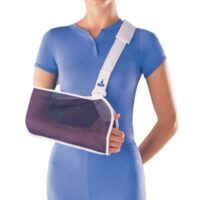
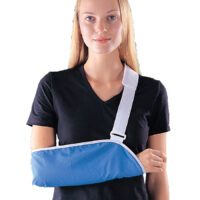
In the first few weeks, the main goals are to protect the fracture, manage pain, and keep nearby joints moving. This stage often includes sling use, posture advice, and gentle movement for the elbow, wrist, and hand.
- Sling support as advised by your doctor or surgeon
- Pain management and sleeping advice
- Hand, wrist, and elbow mobility
- Gentle pendulum exercises when appropriate
2. Mid Stage: Restore Movement
Once healing is progressing, shoulder movement can increase gradually. The goal is to improve mobility without overloading the fracture site.
- Active-assisted shoulder range of motion
- Active shoulder flexion and abduction as tolerated
- Scapular setting and posture correction
- Gentle functional movement retraining
3. Strengthening Stage: Build Support and Control
As healing improves, rehabilitation shifts towards strength and control. This stage often includes the rotator cuff, shoulder blade muscles, and upper limb loading tolerance.
- Resistance band exercises
- Rotator cuff strengthening
- Scapular control exercises
- Progressive lifting and carrying drills
4. Return-to-Activity Stage
The final stage prepares you for work demands, gym training, contact sport, or overhead activity. This stage should be gradual and based on pain, range, strength, and confidence.
- Load progression
- Sport-specific or job-specific drills
- Impact preparation where needed
- Return-to-sport or return-to-work planning
How Long Does Clavicle Fracture Physiotherapy Take?
Most clavicle fractures show good bone healing within about 6 to 12 weeks, but full recovery often takes longer. Clavicle fracture physiotherapy may continue for several weeks or months depending on pain levels, stiffness, strength loss, fracture severity, and whether surgery was required.
Return to desk work is often earlier than return to heavy lifting, contact sport, or overhead activity. A physiotherapist can guide the timing based on your function rather than the calendar alone.
What Happens After Clavicle Surgery?
Some fractures need surgery, such as plate and screw fixation, to improve alignment or stability. Physiotherapy after surgery still follows a staged process. However, timing should match your surgeon’s advice and the stability of the repair.
Post-operative rehabilitation often focuses first on wound recovery, pain control, and protected movement. Later stages usually rebuild strength, shoulder endurance, and confidence with higher loads.
What Exercises Help After a Broken Collarbone?
The right exercises depend on the stage of healing. Early on, the aim is gentle movement and protection. Later, the aim is to improve movement quality and strength.
Common exercises may include:
- Pendulum swings
- Shoulder flexion and abduction range exercises
- Scapular retraction and shoulder blade control drills
- Resistance band rows and external rotation
- Wall slides and graded overhead reaching
- Functional strengthening for lifting and carrying
Your program should be individual. For example, a cyclist, tradie, office worker, and contact-sport athlete will each need different end-stage goals. Where stiffness remains a major issue, your rehab may also overlap with treatment strategies used in other painful shoulder conditions such as shoulder impingement or shoulder dislocation.
What Happens Without Physiotherapy?
Some clavicle fractures heal reasonably well with time alone, especially simple fractures. Even so, the shoulder can remain stiff, weak, or poorly coordinated if rehabilitation is not addressed. That may affect reaching, lifting, carrying, pushing, pulling, and return to sport.
Physiotherapy helps reduce these risks by improving movement quality, progressive load tolerance, and shoulder confidence during recovery.
For broader public guidance on broken bones and recovery, Healthdirect provides a useful overview of broken bone fractures.
Frequently Asked Questions About Clavicle Fracture Physiotherapy
How long does a clavicle fracture take to heal?
Bone healing often takes around 6 to 12 weeks, but full recovery may take longer. Pain, stiffness, weakness, and return-to-sport demands often continue beyond the initial healing phase, which is why rehabilitation remains important after the fracture starts to unite.
When should I start physiotherapy after a clavicle fracture?
Many people start with early advice and simple exercises within the first few weeks, depending on medical guidance and fracture stability. Early physiotherapy usually focuses on protection, pain control, and safe mobility rather than heavy exercise.
Can I move my shoulder after a clavicle fracture?
Usually yes, but only within safe limits based on the stage of healing and medical advice. Too little movement may increase stiffness, while too much too early may irritate the injury. A physiotherapist can guide the right balance for your stage.
Do all clavicle fractures need surgery?
No. Many clavicle fractures heal well without surgery, especially when the fracture is stable and well positioned. Surgery is more likely when the fracture is significantly displaced, shortened, unstable, or linked with higher functional demands.
Will I regain full shoulder strength after a broken collarbone?
Many people regain very good shoulder strength with proper rehabilitation. However, recovery depends on fracture severity, pain, stiffness, muscle loss, and how gradually strength is rebuilt. Progressive rehab is usually the key to better long-term shoulder function.
When can I return to sport after a clavicle fracture?
Return to sport depends on healing, shoulder movement, strength, pain, and sport demands. Non-contact activity often returns earlier than tackling, falling, or heavy overhead sport. A physiotherapist can help guide safe progression back to training and competition.
What to Do Next
If you have recently broken your collarbone or you still feel limited after healing, physiotherapy may help improve shoulder movement, strength, and confidence. A tailored rehabilitation plan can also guide your return to work, gym training, cycling, or contact sport.
PhysioWorks can assess your current stage, identify any stiffness or strength deficits, and build a practical recovery plan that suits your goals.
What to do now:
- Protect the fracture and follow your medical advice early
- Start the right exercises at the right stage of healing
- Rebuild shoulder movement before pushing strength too hard
- Progress back to lifting, work, and sport gradually
Choose your clinic and appointment pathway
Select a PhysioWorks clinic to continue to live booking, an appointment request or reception assistance.
Shoulder Products
These shoulder products are commonly used by our physiotherapists to improve strength, posture, movement, plus assist home exercise programs.
-

-

-
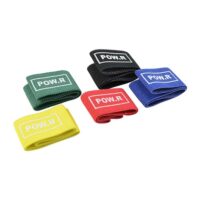 Exercise Equipment, Knee, Resistance Band
POW.R Fabric Mini Loop Bands
$12.00 – $55.00Select optionsQuick View -
- Liniments & Gels, Massage Liniments, Pain Management
Fisiocrem
$16.95 – $39.95Select optionsQuick View -
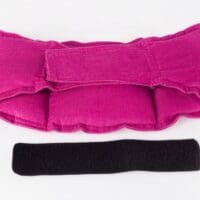
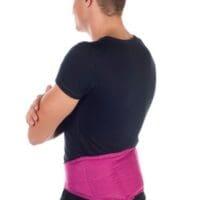 Ice & Heat, Pain Management, Uncategorized
PhysiPak Universal Heat pack
$79.00Select optionsQuick View -
-
-

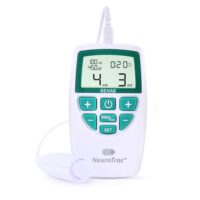
- EMS Machines, Pain Management, TENS Machine, TENS Machine & EMS
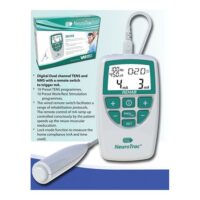
NeuroTrac Rehab (TENS Machine + EMS)
$285.00Add to cartQuick View -
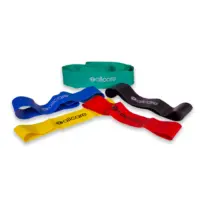
 Exercise Equipment, Resistance Band
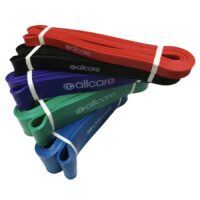
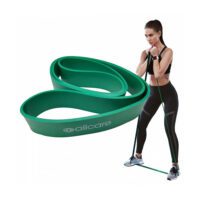
AllCare Powerloop Bands
$24.95 – $79.95Select optionsQuick View -
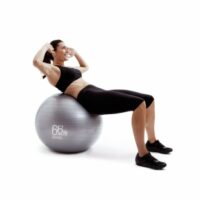 Exercise Balls, Back, Exercise Equipment, Knee, Shoulder
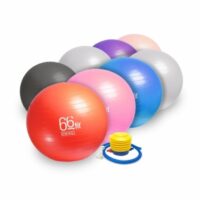
66fit Exercise Balls | Core & Rehab Stability Ball
$32.00 – $57.00Select optionsQuick View -
-
-



References
- Robinson CM. Fractures of the clavicle in the adult. J Bone Joint Surg Br. 2004;86(4):476-484.
- Woltz S, Krijnen P, Schipper IB. Plate fixation versus nonoperative treatment for displaced midshaft clavicle fractures. J Bone Joint Surg Am. 2017;99(2):106-112.
- Houwert RM, Smeeing DPJ, Ahmed Ali U, et al. Operative vs nonoperative treatment of midshaft clavicle fractures. JAMA. 2017;318(4):360-368.
