
Performance Exercise Physiology
Performance Exercise Physiology


Performance Exercise Physiology
Performance exercise physiology helps athletes and active people improve how they move, train and recover. At PhysioWorks, a performance-focused Accredited Exercise Physiologist (AEP) uses exercise science, biomechanics and sport-specific programming to build capacity, reduce injury risk and support better performance.
This service can help if you want to return to sport after injury, improve movement efficiency, build strength and power, or prepare better for training and competition. It also works well alongside sports physiotherapy, especially when you need a clear plan to bridge rehabilitation and performance.
What Does a Performance Exercise Physiologist Do?
A performance exercise physiologist assesses how your body performs in relation to your sport, training load and goals. Your program may focus on strength, speed, endurance, power, movement quality, recovery or return-to-sport readiness. The aim is to improve performance in a way that matches your current capacity and your sporting demands.
This approach can be useful during pre-season, in-season, off-season, after illness, or following an injury. It can also support athletes who have plateaued and need a more structured, evidence-based program.
Assessment and Performance Testing
Assessment and testing help identify your current strengths, limitations and performance priorities. Depending on your sport, this may include movement analysis, strength testing, power measures, cardiovascular conditioning, functional capacity, body composition, and technique review.
These findings help shape a program that is specific to your sport and your goals. For example, a sprinter may need a detailed review of speed, power and running mechanics, while a field sport athlete may need more focus on repeat sprint ability, deceleration control and trunk strength.

Individualised Training Programs
After assessment, your exercise physiologist designs a program around your needs. This may include strength and conditioning, cardiovascular conditioning, mobility work, flexibility exercises, plyometrics, technique drills and sport-specific loading progressions.
Programs are reviewed and adjusted as your body adapts. Regular follow-up helps monitor performance changes, manage training loads and pick up early warning signs before a minor issue develops into a bigger setback. This is particularly useful for athletes returning from common sports injuries or working towards return to sport testing.
For example, a soccer player who wants to improve striking power may need better trunk control, rotational strength and lower limb force transfer. In that situation, the program would target the specific physical qualities that support a stronger and more efficient kick.
Injury Prevention and Return to Sport
Performance exercise physiology is not only about training harder. It is also about training smarter. AEPs can help identify movement patterns, strength deficits, asymmetries and load issues that may increase injury risk. From there, they can prescribe corrective exercises and progressive loading strategies to improve resilience.
This service can also play an important role after injury. Once pain settles and early rehabilitation is complete, exercise physiology can help rebuild capacity for running, jumping, cutting, lifting and sport-specific performance. In some cases, this process may complement services such as bike fit physio or other sport-specific rehabilitation pathways.

Education, Recovery and Performance Support
Performance improves when training, recovery and lifestyle habits work together. Your exercise physiologist can explain the purpose behind your program, help you track progress, and discuss recovery strategies that support consistent training.
Where appropriate, an AEP may also work alongside other health professionals such as physiotherapists, coaches or sports dietitians. In Australia, Accredited Exercise Physiologists are recognised by Exercise & Sports Science Australia (ESSA), the peak professional body for the profession.
At PhysioWorks, performance exercise physiology is available to support recreationally active people through to developing and competitive athletes. We currently offer exercise physiology services through our Clayfield exercise physiology and Sandgate exercise physiology clinics.

What to Do Next
If you want to improve your athletic performance, return to training after injury, or build a more structured sport-specific program, performance exercise physiology can help. An assessment can identify what is holding you back and outline a practical plan to improve performance safely and progressively.
Book an appointment with our Accredited Exercise Physiologist to discuss your sport, your goals and the best next step for your training.
Choose your clinic and appointment pathway
Select a PhysioWorks clinic to continue to live booking, an appointment request or reception assistance.
-
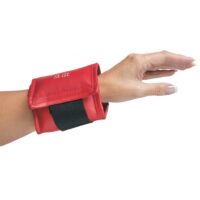
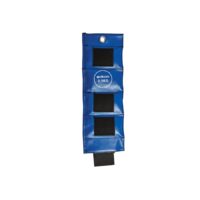
- Gift Ideas, Back, Christmas Gift Ideas, Exercise Balls, Exercise Equipment, Knee, Pelvic Floor, Product Search
66fit Pilates Balls
$14.95 – $16.95Select optionsQuick View -

-
-
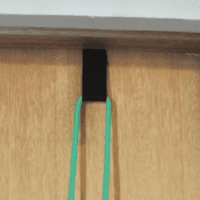 Exercise Equipment, Resistance Band, Shoulder
Resistance Band Anchor Stirrup
$13.00Add to cartQuick View -
-
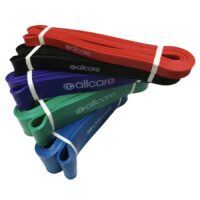
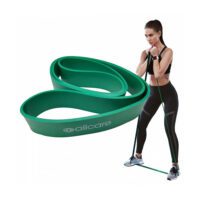 Exercise Equipment, Resistance Band
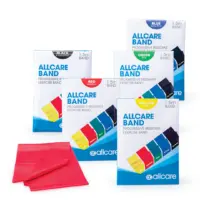
AllCare Powerloop Bands
$24.95 – $79.95Select optionsQuick View -
-
-
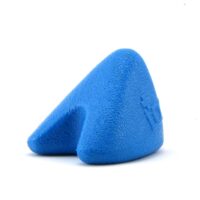
 Exercise Equipment, Back, Elbow, Foot, Massage Tools, Shoulder
Pocket Physio
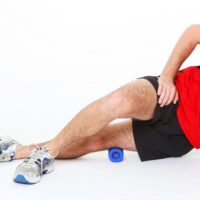
$14.95Select optionsQuick View - Exercise Equipment, Back, Elbow, Foot, Hand & Wrist, Knee, Resistance Band, Shoulder
Resistance Bands Pre-Packed 1.5m
$10.95Select optionsQuick View -
- Christmas Gift Ideas, Exercise Equipment, Gift Ideas, Massage Tools, Pain Management
Pocket Physio MAX
$24.95Select optionsQuick View -
-
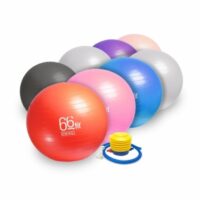
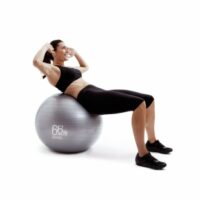 Exercise Balls, Back, Exercise Equipment, Knee, Shoulder
66fit Exercise Balls | Core & Rehab Stability Ball
$32.00 – $57.00Select optionsQuick View - Exercise Equipment, Back
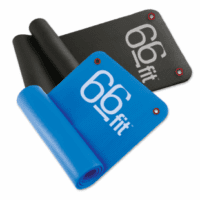
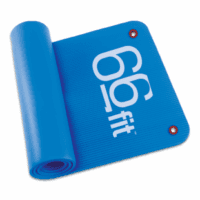
Pilates Mat | 66fit Fitness Exercise Mat
$39.95 – $49.95Select optionsQuick View -
-


-
-
 Exercise Equipment, Knee, Resistance Band
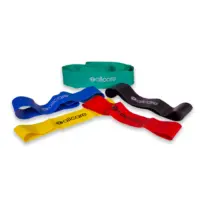
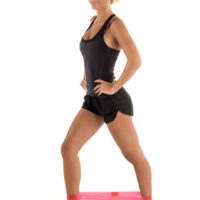
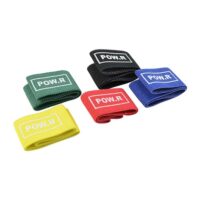
POW.R Fabric Mini Loop Bands
$12.00 – $55.00Select optionsQuick View



References
- Exercise & Sports Science Australia. Exercise & Sports Science Australia (ESSA). Accessed March 13, 2026.
- Lauersen JB, Bertelsen DM, Andersen LB. The effectiveness of exercise interventions to prevent sports injuries: a systematic review and meta-analysis of randomised controlled trials. Br J Sports Med. 2014;48(11):871-877. doi:10.1136/bjsports-2013-092538.
- Taberner M, Allen T, Cohen DD. Progressing rehabilitation after injury: consider the ‘control-chaos continuum’. Br J Sports Med. 2019;53(18):1132-1136. doi:10.1136/bjsports-2018-100157.
- Suchomel TJ, Nimphius S, Stone MH. The importance of muscular strength in athletic performance. Sports Med. 2016;46(10):1419-1449. doi:10.1007/s40279-016-0486-0.
Social Media
Stay informed about exercise, pain, joint, tendon and muscle health, plus recovery tips by following us on social media. Discover practical advice, exercises and preventative strategies that can help you stay active and perform at your best.