
Boxing Injuries


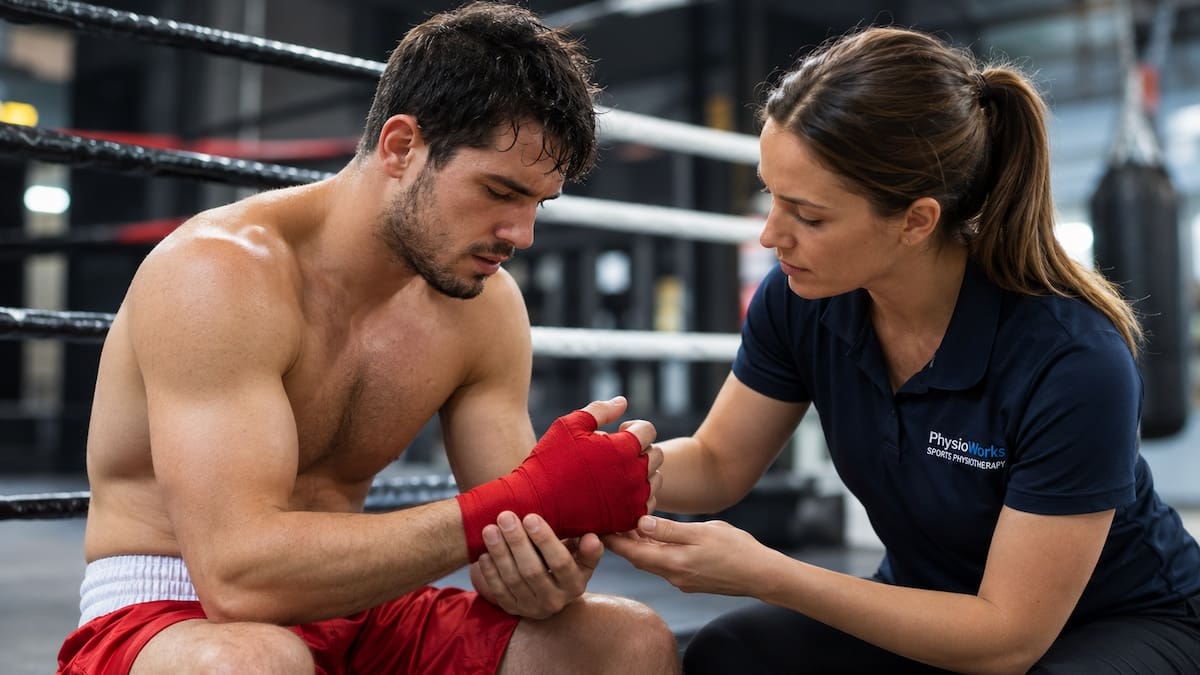
Boxing injuries commonly affect the head, jaw, shoulder, hand, wrist and ribs. Ankle, knee, calf and shin problems can also develop from footwork, skipping, road running and conditioning.
Some injuries occur suddenly after a punch, fall or awkward pivot. Others build over time when training load exceeds the boxer’s current strength, technique or recovery. This guide explains common injury patterns, urgent warning signs and how sports injury physiotherapy may support a safe return to training.
Quick Answer
The most common boxing injuries include concussion, facial and jaw trauma, shoulder overload, wrist sprains, hand fractures, rib injuries and lower-limb overload.
Stop training and seek prompt medical assessment after suspected concussion, fracture, dislocation, severe facial trauma, breathing difficulty or new neurological symptoms.
Boxing Injuries at a Glance
- Repeated punching places high loads through the knuckles, hand, wrist, elbow and shoulder.
- Sparring can cause concussion, facial trauma, jaw pain, bruising and rib injuries.
- Footwork, skipping and road running can contribute to ankle, knee, calf and shin problems.
- Fatigue, poor wrist position and rapid increases in training load can raise injury risk.
- Return to boxing should progress from general conditioning to boxing-specific drills and contact.
Explore Boxing and Combat-Sport Injuries
Use these pathways to explore related injuries, sports and treatment information.
When Does Boxing Pain Occur?
The activity that triggers pain can help identify which body region needs assessment. However, it does not confirm a diagnosis on its own.
Pain When Punching
Pain during jabs, crosses or combinations may involve the knuckles, hand, wrist, elbow or shoulder.
Pain During Hooks
Hooks and uppercuts can load the shoulder, chest wall, ribs and rotating trunk muscles.
Symptoms After Head Impact
Headache, dizziness, nausea, confusion, balance changes or blurred vision may indicate concussion.
Pain When Pivoting
Turning, slipping and changing direction can irritate the ankle, knee, calf or Achilles tendon.
Pain During Conditioning
Skipping and road running may contribute to shin pain, calf overload and stress injuries.
Where Do Boxing Injuries Occur?
Boxing combines direct contact, repetitive punching and fast lower-limb movement. As a result, injuries can affect several body regions.
Head, Face and Jaw
Direct blows can affect the brain, jaw, nose, teeth and facial tissues.
- Concussion
- Temporomandibular disorder
- Facial cuts and bruising
- Dental or jaw trauma
Shoulder
Repeated punches and fatigue can overload the shoulder and shoulder-blade muscles.
- Rotator cuff syndrome
- Shoulder dislocation
- Shoulder instability
- Muscle and tendon overload
Hand and Wrist
The hand and wrist absorb force each time a boxer strikes a target.
- Wrist tendinopathy
- Sprained thumb
- Wrist and hand fractures
- Knuckle and finger sprains
Ribs and Trunk
Body shots and repeated rotation can irritate the ribs, chest wall and trunk muscles.
- Rib bruising
- Intercostal muscle strain
- Chest-wall irritation
- Rotational muscle overload
Lower Limb
Footwork, skipping, road running and repeated pivots load the legs.
- Ankle sprain
- Tendinopathy
- Stress fractures
- Knee, calf and shin overload
Why Do Boxing Injuries Happen?
Punching generates force from the legs and trunk before transferring it through the shoulder, elbow, wrist and hand. Poor alignment at any point can change how the force spreads through the body.
A mistimed punch or bent wrist may cause an acute hand injury. Meanwhile, repeated bag work, pads, sparring, skipping and road running can gradually overload muscles, tendons and joints.
Common contributing factors include:
- rapid increases in punching or conditioning volume
- poor wrist position at impact
- reduced shoulder-blade or rotator cuff control
- fatigue during long combinations or heavy bag rounds
- limited recovery between demanding sessions
- poorly fitted gloves or ineffective hand wrapping
- returning too quickly after illness, injury or time away
- continuing to train through worsening pain
What Are the Most Common Boxing Injuries?
Concussion and Head Injury
Head trauma remains a major safety concern in boxing. Concussion symptoms may begin straight away or develop later.
Possible symptoms include headache, dizziness, nausea, confusion, balance problems, blurred vision, light sensitivity, slowed thinking or unusual behaviour. A boxer with suspected concussion should stop training immediately and receive an appropriate medical assessment.
Do Not Continue Boxing After Suspected Concussion
Do not return to sparring, bag work or contact training on the same day. Protective headgear may reduce some cuts and bruising, but it does not remove concussion risk.
Jaw and Facial Injuries
A blow to the jaw can irritate the temporomandibular joint and the muscles used for chewing. Symptoms may include jaw pain, clicking, restricted opening, difficulty chewing or a feeling that the bite has changed.
Marked swelling, dental trauma, altered jaw position, difficulty closing the teeth normally or severe restriction requires prompt medical or dental assessment.
Shoulder Pain and Rotator Cuff Overload
Repeated punching can overload the rotator cuff and the muscles that control the shoulder blade. Pain may develop at the front or side of the shoulder, especially during long combinations, hooks or heavy bag work.
Some boxers notice a painful arc, reduced punching power, weakness at impact or a lack of confidence in the shoulder. Previous instability or dislocation may increase the need for careful assessment and staged rehabilitation.
Hand and Wrist Injuries
The hand and wrist take a large share of punching force. Injuries range from knuckle bruising and ligament sprains to tendon irritation and fractures.
Warning signs include swelling, pain when making a fist, reduced grip, local tenderness, altered knuckle position or pain during push-ups and bag work.
Boxer’s Fracture
A boxer’s fracture usually affects the neck of the fifth metacarpal, which sits below the little finger. It commonly occurs when a punch lands with poor alignment or strikes a hard target unexpectedly.
Pain, swelling, bruising and reduced fist control are common. The knuckle may appear flatter or the finger may rotate when making a fist. This injury requires prompt medical assessment because treatment depends on alignment and hand function.
Rib and Trunk Injuries
Body shots can bruise the ribs or irritate the muscles between them. Forceful rotation can also overload the abdominal, back and chest-wall muscles.
Rib and trunk injuries may hurt with deep breathing, coughing, laughing, bending or rotation. Severe breathing pain, shortness of breath or worsening chest symptoms require urgent medical assessment.
Lower-Limb Injuries
Boxing footwork involves repeated pivots, push-offs and direction changes. Boxers may develop ankle sprains, knee pain, calf overload or Achilles symptoms.
Conditioning also matters. A sudden increase in skipping, sprinting or road running may contribute to shin pain, tendon overload or bone stress.
How Are Boxing Injuries Assessed?
Assessment depends on the injured body region and the mechanism of injury. A physiotherapist may examine movement, swelling, strength, joint stability and the tasks that reproduce symptoms.
For upper-limb injuries, assessment may include grip, fist position, wrist control, shoulder movement and punching mechanics. Lower-limb assessment may include balance, calf strength, hopping, pivoting and footwork.
Imaging may be required when a fracture, dislocation or significant tissue injury is suspected. Head injuries, severe facial trauma and neurological symptoms require medical assessment rather than routine exercise testing.
How Can Physiotherapy Help Boxing Injuries?
Physiotherapy may help a boxer understand the injury, reduce aggravating load and rebuild the physical qualities needed for training.
A rehabilitation plan may include:
- temporary changes to punching, sparring or conditioning load
- shoulder mobility and rotator cuff strengthening
- wrist, hand and grip-loading progressions
- trunk strength and rotational control
- calf, ankle and lower-limb rehabilitation
- balance, pivoting and footwork drills
- review of punching mechanics where appropriate
- staged return to pads, bags, partner drills and sparring
A physiotherapist can also help determine whether modified training is suitable or whether medical review, imaging or specialist assessment is needed. See our guide to sports injury management for more information.
When Should You Seek Urgent Help?
Stop training and seek prompt medical assessment for:
- suspected concussion or worsening symptoms after a head impact
- loss of consciousness, seizure, repeated vomiting or increasing confusion
- severe or unusual headache
- new weakness, numbness, speech changes or poor coordination
- obvious deformity or suspected fracture
- suspected shoulder or joint dislocation
- severe facial swelling or a changed bite
- difficulty breathing or severe chest pain after a body shot
- rapid swelling or inability to use the injured limb
Arrange a physiotherapy assessment when pain limits punching, running, skipping or footwork, or when symptoms do not improve after reducing load.
How Can Boxers Reduce Injury Risk?
Prepare
Use a progressive warm-up before hard bag work, pads, sparring and conditioning.
Build Capacity
Train shoulder, wrist, hand, trunk, calf and lower-limb strength consistently.
Refine Technique
Use appropriate coaching to improve wrist alignment, punching mechanics and footwork.
Manage Load
Increase rounds, intensity, roadwork and sparring gradually rather than all at once.
Use Suitable Equipment
Use well-fitted gloves and learn effective hand-wrapping technique.
Recover
Allow enough time for sleep, food and recovery between demanding sessions.
How Do You Return Safely to Boxing?
Return to boxing should match the injury, symptoms and demands of training. A boxer should not progress simply because a set number of days has passed.
- Restore daily function: complete normal daily tasks without increasing pain or swelling.
- Resume general conditioning: use suitable cycling, walking, running or lower-impact conditioning.
- Start shadow boxing: practise footwork and technique without impact.
- Add light bag work: begin with controlled power, shorter rounds and simple combinations.
- Progress to pads: increase speed, variety and reaction demands gradually.
- Add partner drills: use controlled, non-contact technical work.
- Resume contact: return to sparring only when medically and physically appropriate.
- Return to full training: restore normal intensity, volume and recovery between sessions.
After concussion, return to contact sport requires a separate medically guided progression. Symptom-free daily activity alone does not mean the boxer is ready to spar.
Related Boxing Injury Information
- Martial Arts Injuries
- Indoor Sports Injuries
- Sports Injuries
- Sports Injury Physiotherapy
- Concussion
- Hand and Wrist Pain
- Temporomandibular Disorder
- Rotator Cuff Syndrome
Boxing Injuries FAQs
What are the most common boxing injuries?
The most common boxing injuries include concussion, facial and jaw trauma, shoulder overload, hand and wrist sprains, boxer’s fracture and rib injuries. Ankle, knee, calf and shin problems may also develop from footwork and conditioning.
Do boxing injuries always need a scan?
No. Many boxing injuries can be assessed clinically by a physiotherapist or doctor. Imaging may be recommended when a fracture, dislocation, major soft-tissue injury or slower-than-expected recovery is suspected.
Can I keep training with a boxing injury?
Modified training may be possible when the injury is mild and the activity does not worsen symptoms. Do not continue sparring, heavy impact or painful punching after suspected concussion, fracture, instability or significant swelling.
How long do boxing injuries take to recover?
Recovery depends on the injured tissue and severity. Mild bruising or muscle irritation may improve within days or weeks. Fractures, concussion, tendon injuries and joint instability often require a longer staged rehabilitation process.
When should I get help for a boxing injury?
Seek help when pain limits training, symptoms persist, swelling is obvious or punching feels unstable. Seek urgent medical care for suspected concussion, fracture, dislocation, breathing difficulty, severe facial trauma or neurological symptoms.
What to Do Next
If a boxing injury is limiting your punching, sparring, conditioning or footwork, arrange an assessment. Early advice can help identify whether you need temporary load changes, rehabilitation, imaging or medical review.
PhysioWorks can assess boxing-related shoulder, wrist, hand, jaw, rib and lower-limb injuries and guide a staged return to training.
Choose your clinic and appointment pathway
Select a PhysioWorks clinic to continue to live booking, an appointment request or reception assistance.
Hand Products
These hand products are commonly used by our physiotherapists to improve strength, movement, and home exercise programs.
-
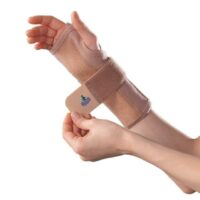 Braces & Supports, Hand, Wrist
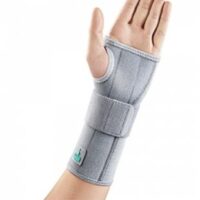
Wrist Splint with Elastic Strap – OPPO 2182
$45.00Select optionsQuick View -
-
-
 Exercise Equipment, Gift Ideas, Massage Tools
Smooth n Spiky Massage Balls (2 Pack)
$20.00Select optionsQuick View -
-
 Braces & Supports, Hand, Thumb, Wrist
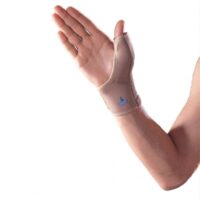
Wrist and Thumb Support – OPPO 1089
$44.00Select optionsQuick View -
-
 Braces & Supports, Hand, Thumb, Wrist
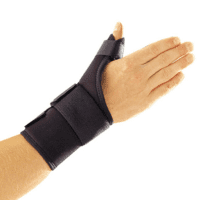
OPPO 1188 Wrist and Thumb Support
$30.00Select optionsQuick View -


-
-
-






References
- Alevras AJ, Farrell JW, Hebert JJ. Epidemiology of injuries in amateur boxing: a systematic review and meta-analysis. Br J Sports Med. 2022.
- Zazryn TR, Cameron PA, McCrory P. A prospective cohort study of injury in amateur and professional boxing. Br J Sports Med. 2006;40(8):670-674.
- Loosemore M, Lightfoot J, Palmer-Green D, et al. Boxing injury epidemiology in the Great Britain team: a 5-year surveillance study of medically diagnosed injury incidence and outcome. Br J Sports Med. 2015;49(17):1100-1107.
- Bakirtzis D, Tsibidakis H, Tsitskaris K, et al. A narrative review of combat sports injuries with a particular focus on epidemiology and prevention. 2024.
