
Muscle Cramps
Muscle Cramps


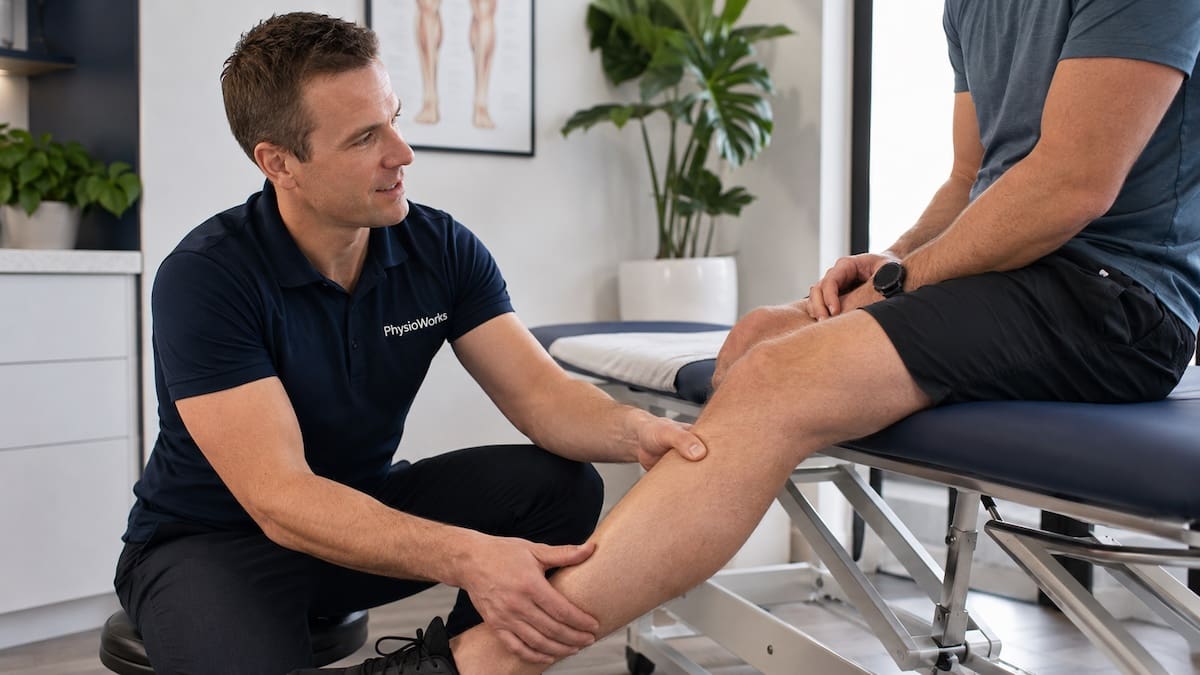
Muscle cramps are sudden, involuntary muscle contractions that can cause sharp pain and temporary tightening or locking of the muscle. They commonly affect the calves, feet, hamstrings and thighs and may last from a few seconds to several minutes.
Many cramps settle quickly with gentle stretching and movement. However, recurring cramps can disturb sleep, interrupt sport or work and leave the muscle sore afterwards. Cramp-like symptoms can also occur alongside calf pain, muscle strain or broader muscle pain.
What Are Muscle Cramps?
A muscle cramp occurs when a muscle contracts involuntarily and does not immediately relax. The muscle may feel hard, painful or locked during the cramp and can remain tender afterwards.
Why cramps occur varies between people and situations. Exercise-related cramps appear to involve several interacting factors rather than one universal cause. Muscle fatigue, previous cramp history, activity load and altered nerve–muscle control may all contribute.
What Causes Muscle Cramps?
There is rarely one explanation for every cramp. Several factors may interact.
- Muscle fatigue or overload: repeated loading, inadequate conditioning or a sudden increase in activity can increase susceptibility.
- Heat and heavy sweating: hot conditions increase physiological strain and can contribute during prolonged exercise or physical work.
- Fluid and electrolyte loss: substantial sweat losses may contribute in some situations, particularly during prolonged activity in the heat.
- Circulation problems: vascular conditions can produce cramp-like leg symptoms and may overlap with leg pain.
- Nerve irritation: spinal or peripheral nerve problems can sometimes produce cramping, twitching or other symptoms alongside nerve pain.
- Pregnancy: leg cramps become more common during pregnancy for several possible reasons.
- Medicines and medical conditions: some medicines and health problems can increase cramp frequency.
Why Do I Get Leg Cramps At Night?
Night cramps, also called nocturnal leg cramps, often affect the calf or foot and can occur even when hydration is adequate. Age, pregnancy, some medicines, nerve conditions and other health factors may influence their occurrence.
Frequent night cramps deserve a broader review rather than simply assuming that dehydration, magnesium deficiency or muscle tightness is responsible. Record when the cramps occur, which muscle is affected, recent activity, medication changes and any other symptoms. This information can help your physiotherapist or doctor assess the pattern.
Types Of Muscle Cramps
Leg Cramps
Leg cramps commonly affect the calf, foot, hamstrings and quadriceps. They can occur during walking, standing, running, gym exercise or sleep. The muscle may remain tender after the contraction settles.
Night Cramps
Night cramps can wake you with sudden muscle pain. Recurrent night cramps become more common with age and pregnancy and may also occur alongside neurological, vascular or medical conditions.
Exercise-Associated Muscle Cramps
Exercise-associated muscle cramps occur during or shortly after physical activity. They commonly affect heavily loaded muscles such as the calf, hamstrings or quadriceps. Fatigue, previous cramp history, exercise intensity, training load and environmental conditions may interact.
For more detailed sport-specific information, see our guide to exercise-associated muscle cramps in athletes.
How Are Recurrent Muscle Cramps Assessed?
A physiotherapist can review the circumstances surrounding your cramps, including activity levels, recent changes in training or work, sleep, general health, medication use and associated symptoms.
Depending on the presentation, assessment may include:
- strength and muscular endurance testing;
- calf, hamstring, foot or relevant joint mobility;
- walking, running or other movement assessment;
- training-load and recovery review;
- neurological screening when nerve symptoms are present; and
- identifying signs that medical assessment may be appropriate.
Where muscle capacity or activity load appears relevant, an individual exercise program may help build strength and endurance progressively.
How Do You Stop A Muscle Cramp Quickly?
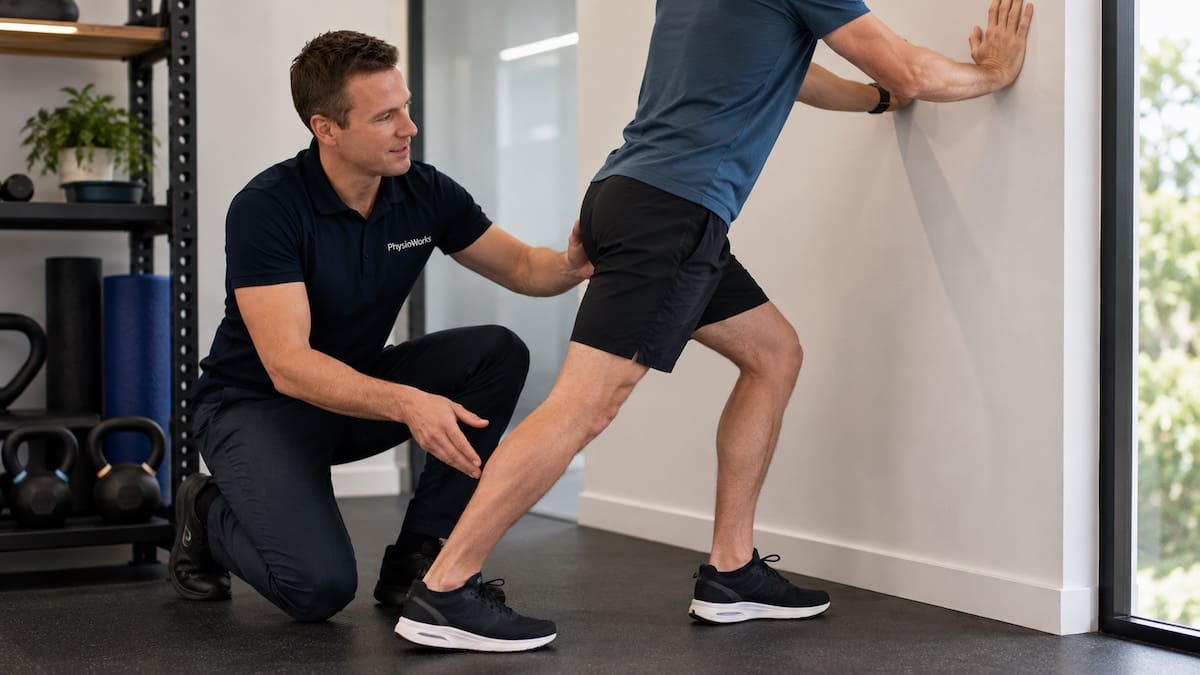
When a muscle cramps, stop or reduce the activity and gently lengthen the affected muscle. Stretching is one of the most practical immediate strategies for helping an acute cramp settle.
-
Stop the activity
Reduce the load on the cramped muscle rather than trying to push through it.
-
Gently stretch the muscle
Move slowly into a comfortable stretch and hold while the contraction eases. Avoid forceful stretching.
-
Resume light movement
Walk or move the limb gently once the cramp has released.
-
Review the likely trigger
Consider fatigue, recent activity changes, heat, heavy sweating, hills, speed work or other factors that may have contributed.
Gentle massage or warmth may feel comfortable afterwards, although these strategies do not address every cause of cramping.
What Can Physiotherapy Do For Recurrent Muscle Cramps?
Physiotherapy does not treat every cramp in the same way. The first step is to identify whether the recurring pattern appears related to muscle fatigue, physical capacity, activity load, movement, local stiffness, nerve symptoms or another issue that requires medical review.
When appropriate, management may include:
- adjusting training, walking, running or work loads;
- strength and endurance exercise to improve muscle capacity;
- addressing mobility restrictions when they affect function or exercise;
- reviewing warm-up, pacing, recovery and environmental factors;
- discussing hydration and electrolyte strategies when substantial sweating or prolonged exercise makes them relevant; and
- referring for medical assessment when symptoms suggest medication, neurological, vascular or broader health factors.
Some people may also find hands-on treatment or leg massage useful for associated muscle soreness or tightness. These treatments should support, rather than replace, management of the underlying contributors.
Do Magnesium, Electrolytes Or Pickle Juice Help Muscle Cramps?
There is no single supplement or drink that prevents every muscle cramp.
Electrolyte and fluid replacement can be relevant when prolonged exercise, heat and substantial sweating create meaningful losses. However, many cramps cannot be explained by dehydration or electrolyte deficiency alone.
Likewise, muscle cramps do not automatically mean that you have low magnesium. Routine supplementation should not replace assessment of other possible contributors, particularly when cramps are frequent or unexplained.
Some research suggests that strongly flavoured fluids such as pickle juice may influence cramp duration through sensory and neural mechanisms rather than by rapidly replacing sodium. Pickle juice is high in salt, so it may not be appropriate for everyone. Ask your doctor or dietitian for advice if you have kidney disease, high blood pressure, heart disease or a prescribed salt restriction.
How Can You Reduce The Risk Of Muscle Cramps?
Prevention works best when it targets your individual pattern rather than relying on one universal strategy.
- Increase training or physical workloads progressively.
- Build muscular strength and endurance for the activities you regularly perform.
- Allow appropriate recovery between demanding sessions.
- Warm up before harder exercise or sport.
- Maintain useful mobility when stiffness limits your activity, but do not rely on stretching alone to prevent cramps.
- Plan fluids and electrolytes when exercising for prolonged periods or sweating heavily in hot conditions.
- Review recurring patterns such as hills, speed work, prolonged standing, particular footwear or rapid training increases.
- Use lower-load activity such as walking when appropriate to build general capacity progressively.
When Should You See A Physiotherapist Or Doctor?
Consider a physiotherapy assessment when cramps repeatedly interrupt sport, work, walking or sleep, particularly when they occur in the same muscle or after a predictable activity. Physiotherapy may help identify modifiable physical or training-related contributors.
Medical review is appropriate when cramps are frequent, unexplained, worsening, associated with a new medicine or accompanied by neurological, circulation or systemic symptoms.
Related PhysioWorks Articles
Muscle Cramps FAQs
What is the main cause of muscle cramps?
There is no single cause of every muscle cramp. Fatigue and altered nerve–muscle control are important contributors in many exercise-related cramps, while activity load, heat, substantial sweat losses, medicines and health conditions may also play a role.
How do I stop a leg cramp quickly?
Stop or reduce the activity and gently stretch the cramped muscle until the contraction eases. Resume light movement afterwards rather than immediately returning to high-load activity.
Are muscle cramps a sign of low magnesium?
Not necessarily. Magnesium deficiency is only one possible consideration. Muscle cramps may also relate to fatigue, activity load, medicines, neurological factors, circulation or other health conditions.
Why do I get leg cramps at night?
Night cramps commonly affect the calf or foot. Age, pregnancy, medicines and some neurological, vascular or medical factors may contribute. Frequent or unexplained night cramps are worth discussing with your doctor.
Can physiotherapy help with muscle cramps?
Physiotherapy may help when recurrent cramps relate to activity load, muscle capacity, movement or other modifiable physical factors. Assessment can also identify symptoms that are better investigated medically.
What To Do Next
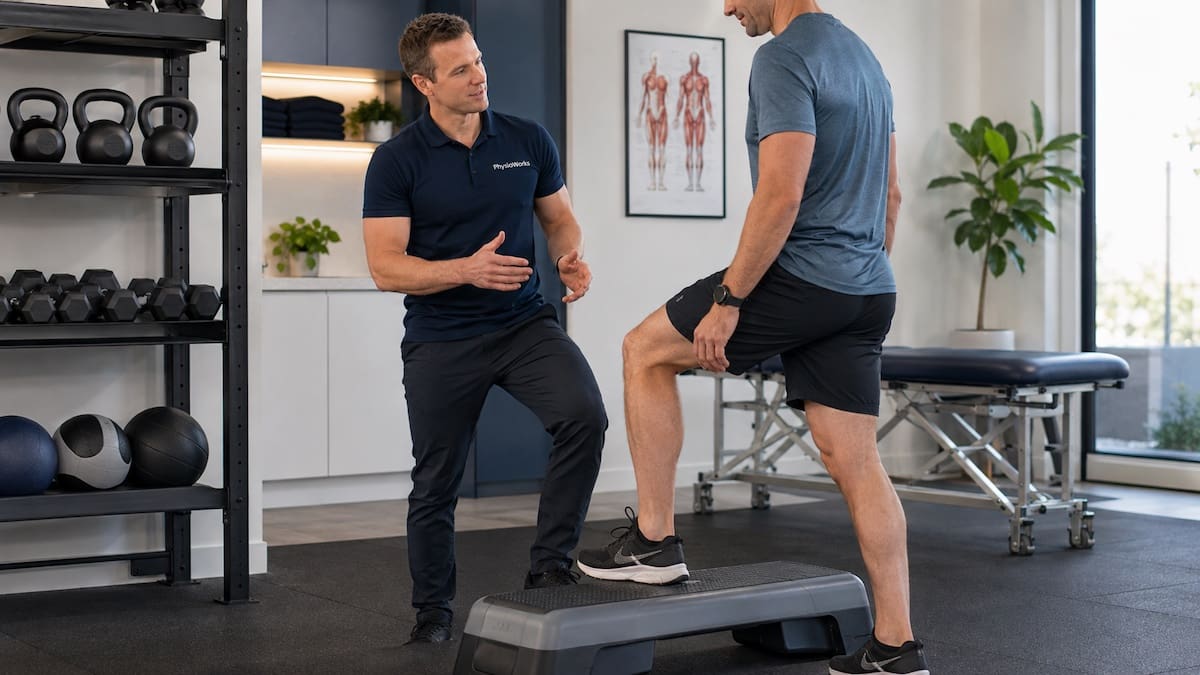
If a cramp occurs, stop or reduce the activity, gently stretch the affected muscle and return to movement gradually once it settles.
When cramps keep returning, look for a pattern rather than assuming one cause. Note the activity, muscle involved, recent changes in load, environmental conditions and associated symptoms.
If cramps repeatedly interrupt sleep, sport, walking or work, consider an assessment. A physiotherapist can help address relevant physical and activity-related factors, while your doctor can investigate medicines or medical causes when needed.
Choose your clinic and appointment pathway
Select a PhysioWorks clinic to continue to live booking, an appointment request or reception assistance.
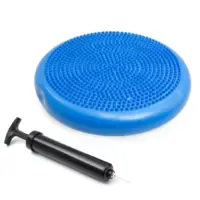
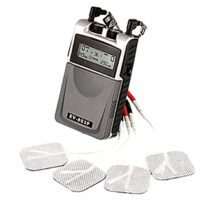
Muscle & Soft Tissue Products
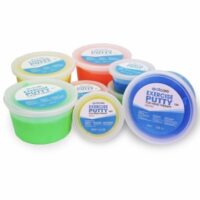
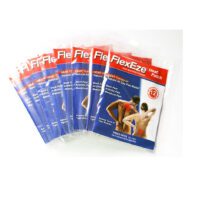
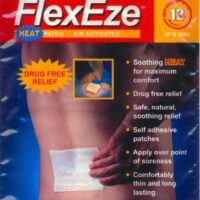
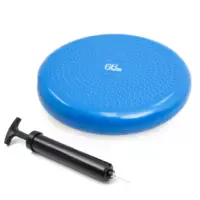
These muscle and soft tissue products are commonly used by our physiotherapists to relax or loosen muscles, improve strength, comfort, flexibility, and home exercise programs.
-
-
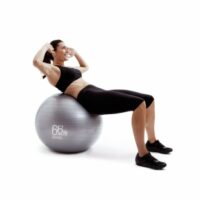 Exercise Balls, Back, Exercise Equipment, Knee, Shoulder
66fit Exercise Balls | Core & Rehab Stability Ball
$32.00 – $57.00Select optionsQuick View - Liniments & Gels, Massage Liniments, Pain Management
Fisiocrem
$16.95 – $39.95Select optionsQuick View -
-
-
-
-
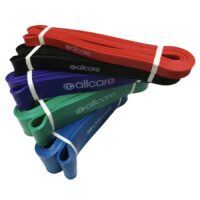
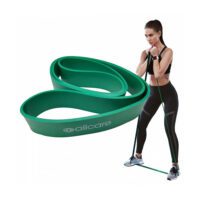 Exercise Equipment, Resistance Band
AllCare Powerloop Bands
$24.95 – $79.95Select optionsQuick View -
-
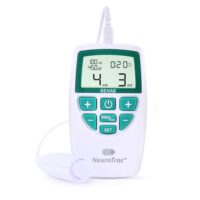
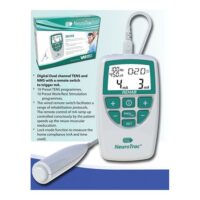
- EMS Machines, Pain Management, TENS Machine, TENS Machine & EMS
NeuroTrac Rehab (TENS Machine + EMS)
$285.00Add to cartQuick View -
-
-
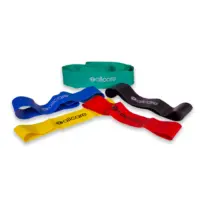
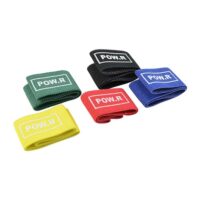 Exercise Equipment, Knee, Resistance Band
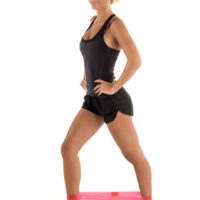
POW.R Fabric Mini Loop Bands
$12.00 – $55.00Select optionsQuick View



Social Media – Follow Us For Free Tips
Follow PhysioWorks for practical information about mobility, strength, rehabilitation and staying active.


References
- Miller KC, McDermott BP, Yeargin SW, Fiol A, Schwellnus MP. An evidence-based review of the pathophysiology, treatment, and prevention of exercise-associated muscle cramps. J Athl Train. 2022;57(1):5-15. doi:10.4085/1062-6050-0696.20.
- Bordoni B, Sugumar K, Varacallo M. Muscle cramps. In: StatPearls. StatPearls Publishing.
- MedlinePlus. Muscle cramps. National Library of Medicine.