
Whiplash Prevention



Whiplash prevention focuses on lowering the chance and severity of neck injury during a motor vehicle collision. While you cannot prevent every crash, you can reduce risk by setting up your head restraint well, sitting correctly, and responding early if symptoms start. If you want broader information, read about whiplash, neck pain, and how physiotherapy may help recovery.
Whiplash is a rapid acceleration-deceleration injury that can affect muscles, joints, ligaments, discs, and nerves in the cervical spine. Many people notice neck pain, stiffness, headaches, or reduced confidence with driving after a collision. Prevention starts before a crash, but early assessment also matters if symptoms appear afterwards.
Quick whiplash prevention tips
- Keep the head restraint close to the back of your head.
- Set the top of the restraint near the top of your head.
- Sit upright rather than heavily reclined.
- Wear your seatbelt correctly on every trip.
- Re-check the setup after another driver uses the car.
Whiplash Prevention: Can You Reduce Your Risk?
Yes. You cannot prevent every whiplash injury, but you may reduce risk by using a well-designed head restraint system, setting it up properly, and keeping your head and trunk better supported in the seat. This helps limit the lag between body movement and head movement during a rear-end collision.
Why does head restraint position matter?
In a rear-end collision, the seatback drives your trunk forward first. If your head is too far from the head restraint, your neck can move sharply before the restraint catches up. A Victorian real-world crash study found that whiplash-reducing head restraint systems were associated with lower odds of whiplash injury in rear-end collisions, which supports careful seat and restraint setup as part of prevention.1
How should you adjust your head restraint?
Use these steps before you drive:
- Sit with the seatback close to upright rather than reclined too far.
- Move your body fully back into the seat so your upper back is supported.
- Raise the head restraint so its top sits level with, or close to, the top of your head.
- Keep the restraint as close as practical to the back of your head.
- Re-check everything after another person has driven the car.
What other steps help reduce whiplash risk?
Good driving habits still matter. Wear your seatbelt correctly, keep mirrors adjusted so you are not holding an awkward neck posture, and take breaks on longer trips if your neck gets tired. For a plain-English overview from an Australian authority, see Healthdirect’s whiplash guide.
Can physiotherapy help after whiplash?
Yes, many people benefit from guided rehabilitation after whiplash. Recent reviews suggest that exercise-based management, especially guided neck-specific exercise, may improve pain and disability more than less structured approaches.2,3 If you already live with neck pain, reduced movement, or headaches, a physiotherapist may help you improve neck control, graded movement, and confidence with everyday activity.
What symptoms can follow whiplash?
Symptoms may include neck pain, stiffness, reduced turning, and headaches. Some people also notice upper shoulder pain or symptoms that overlap with cervicogenic neck headache. A recent scoping review reported that headache is one of the most common symptoms after whiplash, so it is worth paying attention to new or worsening head and neck symptoms after a crash.4
When should you seek assessment?
Arrange an assessment if neck symptoms begin after a motor vehicle accident, even if they seem mild at first. Early review is also sensible if you have persistent pain, worsening stiffness, headaches, dizziness, pins and needles, arm symptoms, or trouble returning to normal activity. Recent umbrella-review evidence shows that trauma-related neck pain outcomes are influenced by more than tissue injury alone, so early guidance can be useful.5
Related information
Frequently Asked Questions
Can you prevent whiplash completely?
No. You cannot prevent every whiplash injury because crash direction, speed, and vehicle factors still matter. However, whiplash prevention can lower your risk. Good head restraint height, a smaller gap behind your head, and a more upright seat position may reduce the forces placed on your neck during a rear-end collision.
How close should your head be to the head restraint?
Your head restraint should sit as close as practical to the back of your head while still feeling comfortable. A large gap allows more neck movement before support starts. In general, keeping the restraint close and setting its top near the top of your head gives a safer setup than leaving it low or far back.
Should you get checked after a crash if symptoms seem mild?
Yes, that is often sensible. Some people feel only minor stiffness at first, then notice worsening pain, headaches, or restricted movement over the next day or two. A physiotherapy or medical assessment can help identify the main issue, explain what to watch for, and guide early management if symptoms are starting to build.
Can physiotherapy help after whiplash?
Yes. Physiotherapy may help improve neck movement, muscle control, confidence, and return to normal activity after whiplash. Guided exercise appears more helpful than a vague or unguided approach in many cases. Your physiotherapist can also explain pacing, posture, driving comfort, and what signs suggest you should seek further medical review.
What to do next
If you want help with whiplash prevention, driving ergonomics, or neck pain after a collision, book a physiotherapy assessment. Your physiotherapist can review your symptoms, movement, posture, and likely aggravating factors, then explain practical next steps.
Early guidance may help you settle symptoms, improve neck function, and return to driving or daily activity with more confidence.
Choose your clinic and appointment pathway
Select a PhysioWorks clinic to continue to live booking, an appointment request or reception assistance.
Neck Products
These neck products are commonly used by our physiotherapists to improve strength, posture, movement, plus assist home exercise programs.
-

 Back, Exercise Equipment, Neck, Resistance Band
66Fit Over Door Neck Traction Unit
$63.00Add to cartQuick View -
-


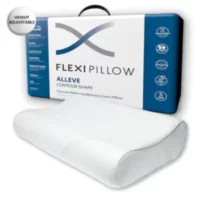
- Christmas Gift Ideas, Neck, Pillows/Cushions
FlexiPillow Alleve Pillow
$109.95Add to cartQuick View -
-
- Liniments & Gels, Massage Liniments, Pain Management
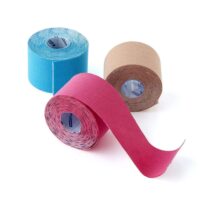
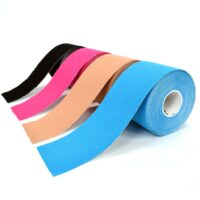
Fisiocrem
$16.95 – $39.95Select optionsQuick View -
-

-
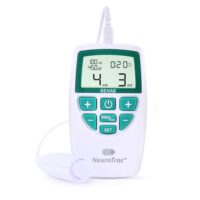
- EMS Machines, Pain Management, TENS Machine, TENS Machine & EMS
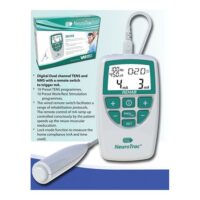
NeuroTrac Rehab (TENS Machine + EMS)
$285.00Add to cartQuick View -
-
 Ice & Heat, Pain Management, Uncategorized
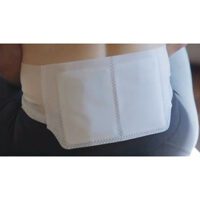
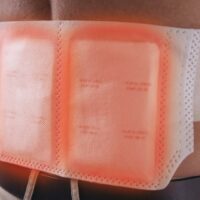
PhysiPak Universal Heat pack
$79.00Select optionsQuick View







References
- D’Elia A, Newstead S. Retrospective evaluation of vehicle whiplash-reducing head restraint systems to prevent whiplash injury in Victoria, Australia. Accid Anal Prev. 2021;150:105941. doi:10.1016/j.aap.2020.105941.
- Chrcanovic B, Larsson J, Malmström EM, Westergren H, Häggman-Henrikson B. Exercise therapy for whiplash-associated disorders: a systematic review and meta-analysis. Scand J Pain. 2021;22(2):232-261. doi:10.1515/sjpain-2021-0064.
- Muñoz Lazcano P, et al. Effects of a Guided Neck-Specific Exercise Therapy on Recovery After a Whiplash: A Systematic Review and Meta-analysis. Am J Phys Med Rehabil. 2024;103(11):971-978. doi:10.1097/PHM.0000000000002460.
- Anarte-Lazo E, Abichandani D, Rodriguez-Blanco C, Bernal-Utrera C, Falla D. Headache features in people with whiplash associated disorders: A scoping review. Musculoskelet Sci Pract. 2023;66:102802. doi:10.1016/j.msksp.2023.102802.
- Gerard T, Naye F, Decary S, et al. Prognostic factors of pain, disability, and poor outcomes in persons with neck pain – an umbrella review. Clin Rehabil. 2024;38(12):1658-1676. doi:10.1177/02692155241268373.
