Find a Comfortable Position
Aim for a position that supports your task without excessive tension. Avoid forcing your shoulders, neck or lower back into an uncomfortable alignment.


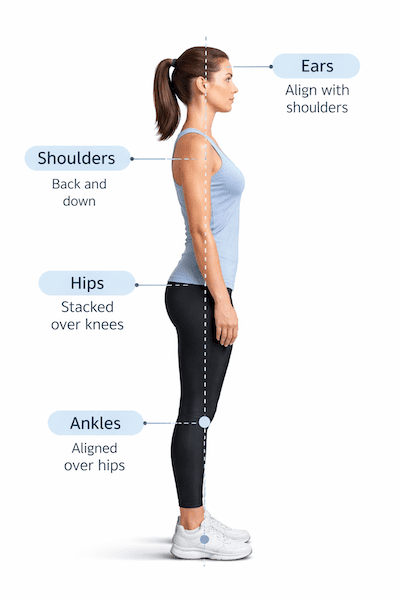
A comfortable standing position maintains natural spinal curves without forcing the body into a rigid pose.
Good posture is a comfortable, balanced way of sitting, standing or moving that allows your body to work without unnecessary effort. It does not mean holding yourself stiffly upright or maintaining one supposedly perfect position all day.
Your posture naturally changes with your activity, environment, body shape, strength and comfort. Regular movement and position changes are often more useful than repeatedly trying to correct yourself. For a broader explanation of posture-related symptoms and treatment options, visit our Posture guide.
Good posture is comfortable and adaptable rather than rigid. Your spine should retain its natural curves while your muscles support you without excessive tension. However, there is no single perfect posture that suits every person or activity.
Changing position regularly, building strength and adjusting your work or study setup may help reduce stiffness and muscle fatigue.
A comfortable posture allows your muscles, joints and connective tissues to share physical load. It may also make everyday tasks such as sitting, standing, lifting, walking and working feel easier.
However, posture is only one part of musculoskeletal health. Pain can also relate to activity levels, physical capacity, sleep, stress, previous injury and how long you remain in one position.
Research has not identified one spinal posture that causes pain in everyone. Even so, holding any uncomfortable position for too long may contribute to stiffness or muscle fatigue. Therefore, movement and variation remain important.
No. People differ in height, body shape, spinal curves, mobility and daily demands. A posture that feels comfortable for one person may feel awkward for someone else.
Instead of aiming for one perfect position, consider whether your posture:
Posture should remain flexible. You do not need to hold your shoulders back, flatten your spine or constantly tighten your abdominal muscles.
A comfortable standing posture often includes the head balanced over the trunk, relaxed shoulders and weight distributed through both feet. Your neck and lower back should retain their natural curves rather than being deliberately flattened.
Small shifts in weight are normal. You may also feel more comfortable placing one foot on a low step, leaning briefly against a bench or changing stance during prolonged standing.
Read our dedicated Good Standing Posture guide for more practical advice.
A comfortable sitting position should provide enough support without forcing you to remain rigid. Your feet may rest on the floor or a foot support, while your chair supports your pelvis and lower back.
Screen height, desk position and chair setup can influence comfort. However, even a well-designed workstation cannot replace regular movement. Stand, walk or change position before stiffness becomes distracting.
Our Sitting Posture guide explains chair, desk and screen setup in more detail.
Aim for a position that supports your task without excessive tension. Avoid forcing your shoulders, neck or lower back into an uncomfortable alignment.
Change position, stand or walk before stiffness builds. Movement variation often matters more than maintaining one fixed posture.
Strength, mobility and endurance can improve your ability to tolerate work, study, lifting and prolonged positions.
Posture may contribute to symptoms for some people, particularly when they remain in one position for a prolonged period. Slumped sitting, repeated reaching or sustained neck rotation may temporarily increase muscle activity or discomfort.
Still, posture alone rarely explains persistent neck pain or back pain. Your physiotherapist may also consider joint mobility, muscle strength, nerve sensitivity, workload, previous injury and general health.
Therefore, changing posture may form one part of treatment, but it should not become a source of fear or constant self-correction.
There is no compulsory timetable that suits everyone. Instead, use comfort and concentration as practical guides.
During prolonged sitting or standing, try a brief position change every 20 to 30 minutes. This may involve standing, walking, stretching, changing chair position or completing a different task.
Frequent short changes are often more practical than waiting until you feel significantly stiff or sore.
Yes. Posture can change through awareness, workstation adjustments, movement practice and improved physical capacity. However, the goal should be greater comfort and adaptability rather than achieving a visually perfect position.
A practical posture program may include:
See our Posture Exercises and Improving Posture Guide for practical strategies.
Consider an assessment if posture-related discomfort is persistent, repeatedly limits activity or does not improve with regular movement and basic workplace changes.
A physiotherapy assessment can help determine whether your symptoms relate to posture, muscle endurance, joint mobility, nerve sensitivity or another condition.
No. There is no single correct posture for every person or activity. A useful posture feels comfortable, suits the task and can be changed easily when you begin to feel stiff.
No. Holding yourself rigidly upright can become tiring. Use appropriate chair support and change position regularly rather than forcing one position throughout the day.
Posture may influence symptoms, particularly when one position is held for too long. However, pain can also relate to strength, workload, sleep, stress, previous injury and other health factors.
There is no compulsory schedule. As a practical guide, consider moving or changing position every 20 to 30 minutes during prolonged sitting or standing.
Good sitting posture is a supported and comfortable position. Keep your work close, support your feet and lower back where helpful, and regularly change position.
Yes. Physiotherapy may help identify factors affecting your comfort and provide tailored advice on mobility, strength, workstation setup and movement habits.
Good posture is not about sitting or standing perfectly. Instead, aim for comfortable alignment, regular movement and enough physical capacity to manage your daily activities.
Start by changing position more often and adjusting any obvious workstation problems. If pain persists or posture concerns interfere with work, sleep or exercise, an individual assessment can provide clearer guidance.
Select a PhysioWorks clinic to continue to live booking, an appointment request or reception assistance.
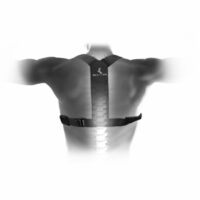
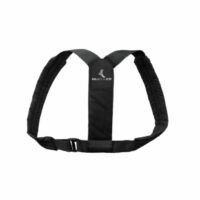
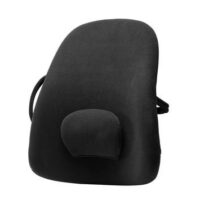
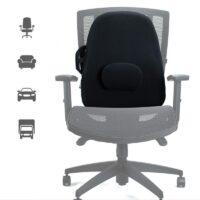
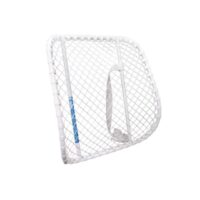
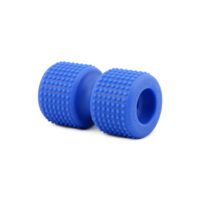
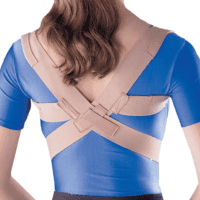
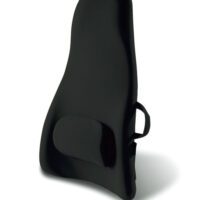
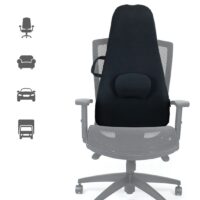
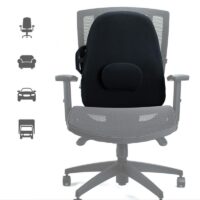
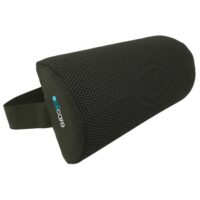
These posture products are commonly used by our physiotherapists to improve posture, postural strength, endurance and flexibility, plus assist home exercise programs.