Back Posture FAQs

What Is Good Back Posture?

good back posture

Good back posture means keeping your spine supported and balanced while you sit, stand, move, and lift. It does not mean forcing one stiff “perfect” position all day. Better posture usually comes from a mix of body awareness, movement variety, strength, and practical setup changes.

If posture-related strain is building through your workday, it also helps to review posture correction, correct sitting posture, and common causes of back pain. Many people also benefit from improving workstation habits, regular movement breaks, and targeted exercise.

Quick signs your posture may need attention

  • you feel stiff or sore after prolonged sitting
  • your shoulders round forward during desk work
  • your head drifts in front of your shoulders
  • you need constant stretching to feel comfortable
  • your neck or lower back aches by the end of the day

Posture problem decision tree

Neck pain or headaches?

A forward head position, slumped sitting, or long screen time may be adding strain.

Text Neck · Cervicogenic Headache

Upper back tightness?

Rounded shoulders and reduced thoracic movement often build stiffness through the day.

Posture Exercises · Posture Correction

Low back ache after sitting?

Prolonged static sitting, poor support, or reduced movement tolerance may be involved.

Back Pain · Correct Sitting Posture

Pain with work setup or study?

Desk height, screen position, and keyboard reach may be contributing to ongoing strain.

Ergonomics Assessment · Improving Posture

Not sure which one fits? If symptoms keep returning, spread into your arm or leg, or stop you working comfortably, a physiotherapist can assess the real driver rather than blaming posture alone.

What is good back posture?

Good back posture keeps your spine close to its natural curves while letting you breathe, move, and work comfortably. It should feel supported rather than forced. In practice, that means changing position regularly instead of trying to hold one rigid shape for hours.

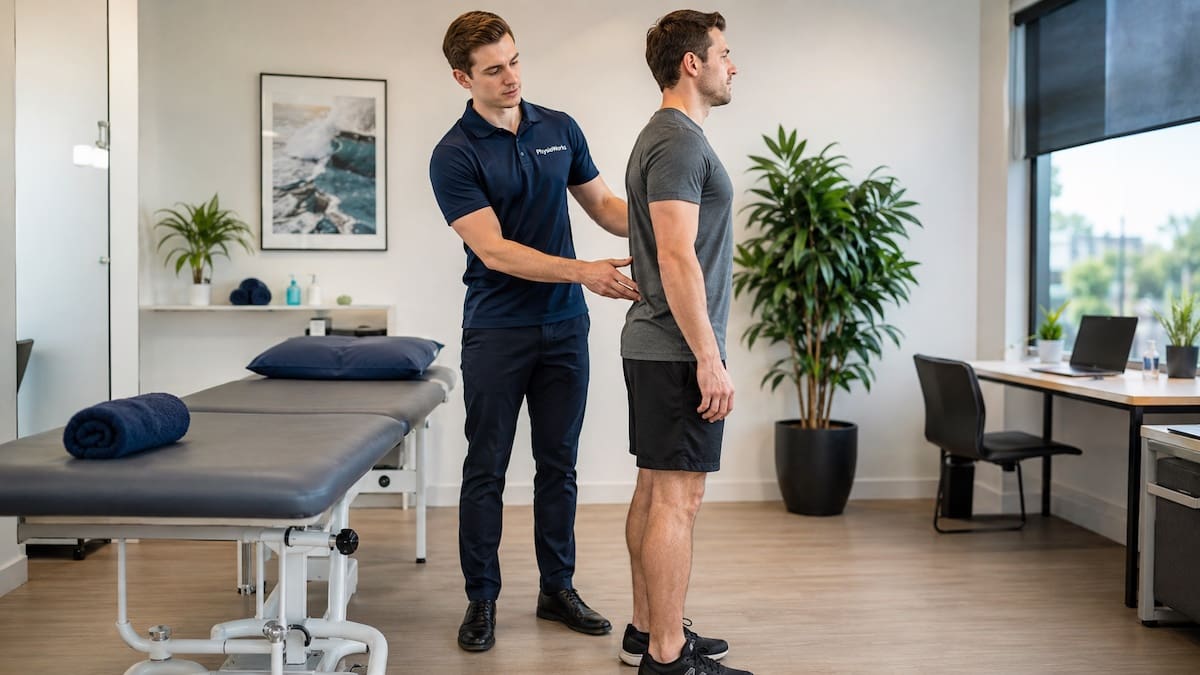
When you stand, aim to keep your ears roughly over your shoulders, your shoulders relaxed, and your weight shared evenly through both feet. When you sit, support your lower back, keep your feet flat where possible, and avoid collapsing into prolonged slouching.

Why does good back posture matter?

Good back posture matters because prolonged awkward or fixed positions can increase strain on your muscles, joints, and supporting tissues. It may not be the only cause of pain, but it often contributes to recurring stiffness, reduced comfort, and lower tolerance for desk work, driving, study, or repeated lifting.

Posture is also linked to how well you spread load through your body. If one area is working harder for too long, you may notice fatigue, tightness, or discomfort. This is especially common in people with posture-related strain, frequent sitting, low activity levels, or poor workspace setup.

How can you improve good back posture at work and at home?

You can improve good back posture by combining better positioning with more movement through the day. A supportive chair, sensible desk height, and screen position all help, but the bigger win is usually avoiding long, uninterrupted static postures.

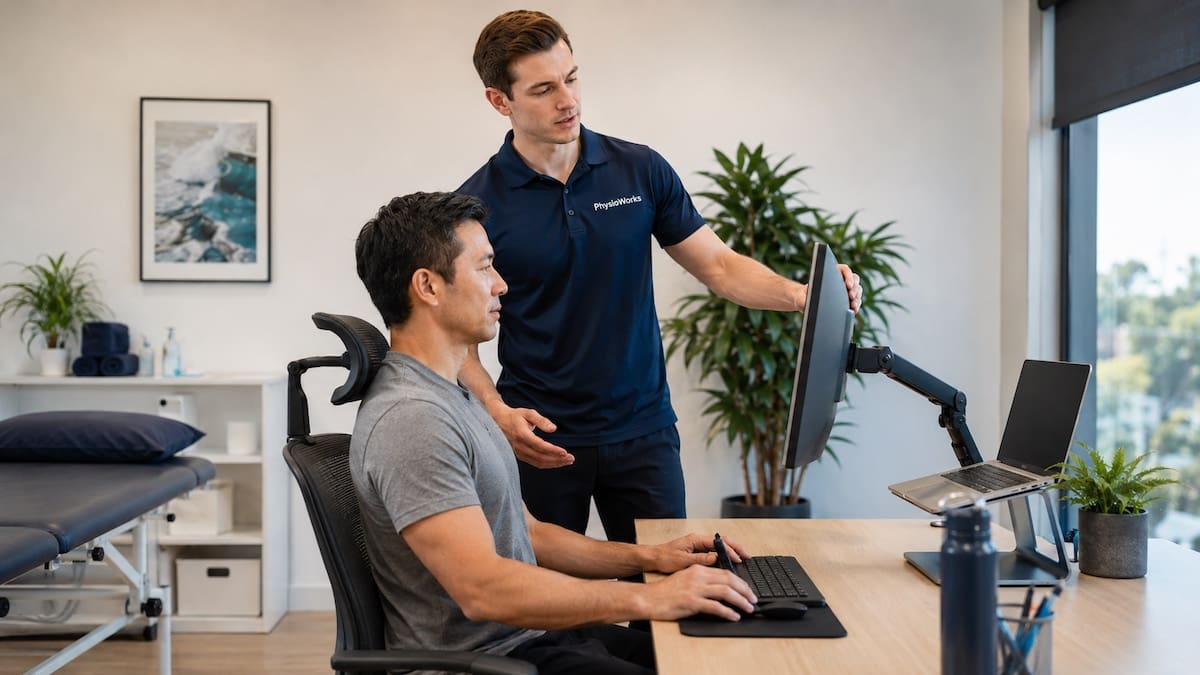
At work, set your screen near eye level, keep frequently used items within easy reach, and use your chair or lumbar support to help maintain your natural spinal curve. At home, pay attention to lounge posture, laptop use, phone use, and how long you stay in one position. Healthdirect also recommends alternating sitting and standing, taking breaks, and improving workstation design where needed.

For some people, an ergonomic workstation assessment is worthwhile, especially if symptoms keep returning during office work, study, or work-from-home tasks.

3 practical posture wins you can start today

1. Change position often

Stand, walk, or stretch every 30 to 60 minutes rather than staying in one posture all day.

2. Support, don’t force

Use chair support, desk setup, and sensible alignment instead of trying to sit stiffly upright.

3. Build capacity

Improve your strength, endurance, and mobility so your body tolerates daily loads better.

Helpful posture reminder: the best posture is usually your next posture. Small changes in position, regular standing breaks, and short movement resets often help more than trying to sit or stand perfectly all day.

Do posture exercises help?

Yes, posture exercises can help when weakness, stiffness, poor movement control, or low endurance are contributing to your symptoms. They usually work best when paired with movement breaks, sensible daily habits, and practical setup changes rather than used as a stand-alone quick fix.

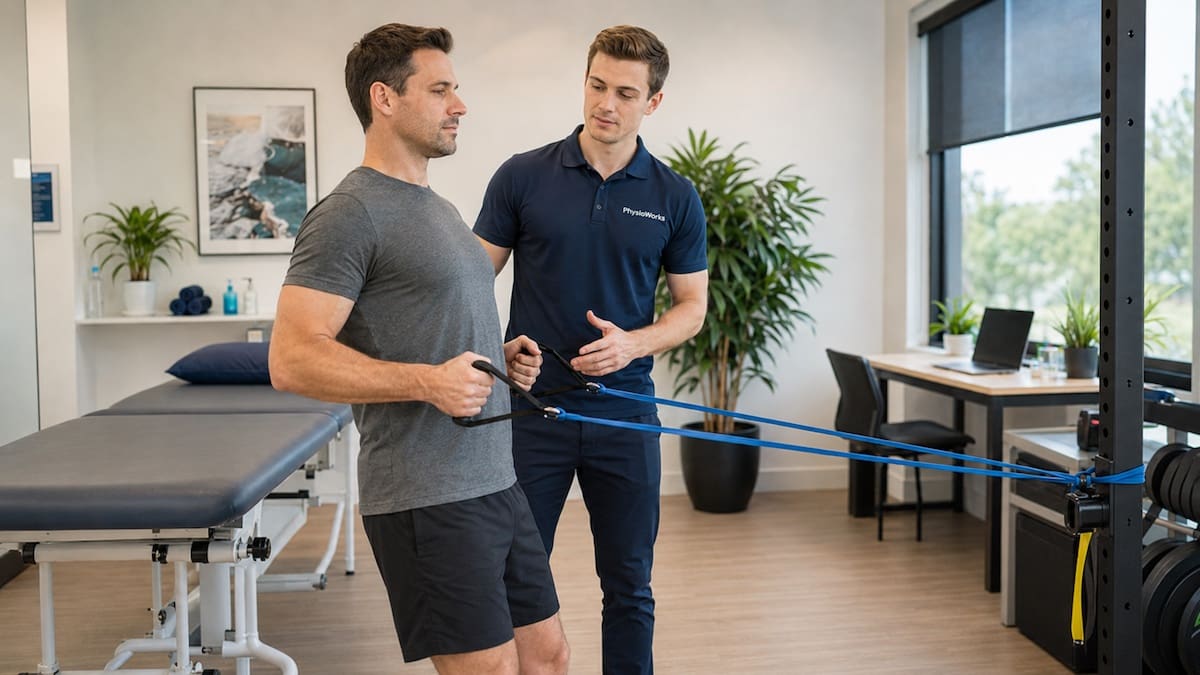
Useful starting points often include posture exercises, core stability exercises, gentle thoracic mobility work, and guided strengthening for the upper back and shoulder blades. Some people also benefit from Pilates for back pain when posture issues overlap with trunk control, flexibility, or recurrent back discomfort.

Can one “perfect” posture prevent back pain?

No single posture prevents all back pain. Research suggests that sitting behaviour, total sitting time, fewer breaks, and more static postures may all influence symptoms. That is why most modern posture advice focuses on supported positioning plus regular movement, strength, and load management rather than chasing one perfect position.

If you are already sore, posture changes alone may not be enough. Persistent symptoms may also relate to reduced conditioning, work demands, sleep, stress, previous injury, or another diagnosis affecting your back pain pattern.

When posture is probably part of the problem

Likely posture-related

  • pain builds later in the day
  • symptoms ease after moving
  • desk work or driving brings it on
  • you feel better with support changes
Needs assessment sooner

  • pain shoots into an arm or leg
  • numbness or weakness is present
  • night pain is severe or worsening
  • symptoms persist despite simple changes

Who may benefit most from posture advice?

Posture advice is often most useful for desk workers, students, drivers, tradies, carers, people returning to exercise, and anyone whose pain builds during repeated sitting, standing, or bending. It can also help people whose symptoms overlap with neck tension, upper-back stiffness, or posture-related headaches.

You may benefit from individual advice if you keep slipping back into painful habits, your setup changes from day to day, or your symptoms flare despite stretching. In those cases, a physiotherapist can look at the bigger picture rather than only the posture itself.

Back Posture FAQs

What is good back posture?

Good back posture means using positions that support your spine’s natural curves while still allowing comfortable movement. It applies to sitting, standing, lifting, and daily activity. The aim is not rigid alignment. Instead, it is better support, less unnecessary strain, and more variety through the day.

How can I improve my back posture?

You can improve your back posture by adjusting your setup, building strength and endurance, and taking regular movement breaks. Most people do better when they combine workstation changes with exercise and body awareness, rather than trying to sit up straight all day without support.
What are the signs of poor back posture?

Signs of poor back posture can include rounded shoulders, a forward head position, stiffness after sitting, upper-back fatigue, and recurring neck or lower-back discomfort. These signs are common, but they are not always the full diagnosis. Pain that persists deserves a proper assessment.

Why is good back posture important?

Good back posture is important because it may reduce unnecessary strain on muscles, joints, and spinal tissues during daily activity. It can also improve comfort, movement efficiency, and tolerance for desk work, study, lifting, and driving. However, movement variety still matters just as much.

What exercises help with good back posture?

Exercises that help with good back posture often target the upper back, shoulder blades, trunk, hips, and neck. Common examples include posture resets, thoracic mobility work, core stability drills, and upper-back strengthening. The best programme depends on your symptoms, work demands, and current fitness.

How does ergonomics affect good back posture?

Ergonomics affects good back posture by shaping how easily your body can maintain supported positions during work or study. Chair height, screen position, keyboard setup, and task layout all matter. A better setup will not replace movement, but it can reduce repeated strain and improve comfort.

Related posture and back pain articles

What should you do next if posture is causing pain?

If your posture is contributing to neck pain, upper-back stiffness, headaches, or lower-back discomfort, start with simple changes: improve your setup, move more often, and begin a guided strengthening or mobility routine. Do not wait for the pain to become constant before acting.

If symptoms keep returning, spread into your arm or leg, or are affecting work, sleep, or exercise, a physiotherapist can assess the real driver of your pain and build a plan that suits your body, work demands, and goals.

Book your appointment - 24/7

Select your preferred PhysioWorks clinic.

Back Support Products

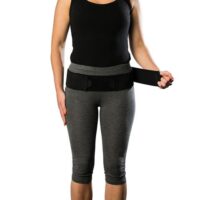
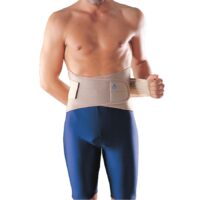
These back support products are commonly used by our physiotherapists to help reduce back pain, improve comfort, and support your recovery at home.

View all back support products

Follow PhysioWorks

Get free physiotherapy tips, exercise videos, and recovery advice.

Facebook Instagram YouTube TikTok X (Twitter) Email

References

  1. de Carvalho DE, de Luca K, Funabashi M, et al. Association of Exposures to Seated Postures With Immediate Increases in Back Pain: A Systematic Review of Studies With Objectively Measured Sitting Time. J Manipulative Physiol Ther. 2020;43(1):1-12. doi:10.1016/j.jmpt.2019.10.001
  2. Emerson S, Zeigler C, Wagie A, et al. Computer workstation ergonomics: Current evidence for evaluation, corrections, and recommendations for remote evaluation. J Hand Ther. 2021;34(2):166-178. doi:10.1016/j.jht.2021.04.002
  3. Alaca N, Kinikli GI. Low back pain and sitting time, posture and behavior in office workers: A scoping review. Work. 2025. doi:10.1177/10538127251320320
  4. Healthdirect Australia. How to improve your posture. Accessed March 26, 2026.

You've just added this product to the cart: