
Strength Training


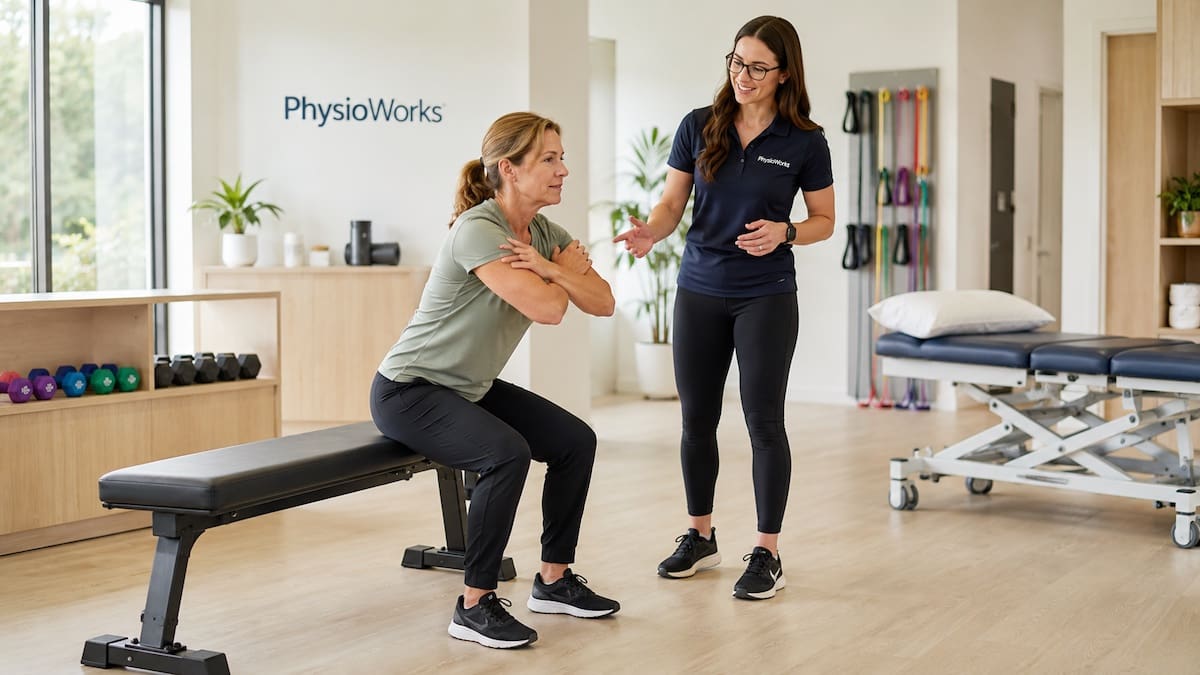
Strength Training helps build muscle capacity, improve joint control, and support long-term physical resilience. It can also play a key role in injury rehabilitation, persistent pain management, and sport performance when you progress it safely.
Start here if you want support from physiotherapy, then continue longer term with exercise physiology. If pain keeps returning, our pain management guide explains practical next steps.
Strength Training: What Is It?
Strength training uses resistance, such as bodyweight, bands, free weights, machines, or external load, to improve strength, endurance, power, and movement control. It is not only about lifting heavy. Instead, it aims to build the right capacity for your goals, so your body tolerates everyday and sport demands with more confidence.
Quick Summary
- Goal: improve strength, control, load tolerance, and confidence.
- Useful for: injury recovery, persistent pain, balance, sport, and ageing well.
- Best starting point: choose exercises that match your symptoms and current capacity.
- Progression: increase load, range, speed, or complexity gradually.
Strength Training Benefits
A well-designed plan may help you:
- improve joint stability and movement control
- build load tolerance after injury
- support healthy bones and muscle mass
- improve balance, coordination, and reaction speed
- reduce flare-ups by strengthening key links in the chain
If you are pairing strength with mobility, read muscle stretching. For coordination work, add balance exercises and proprioception exercises.
Strength Training for Injury Rehabilitation
After injury, tissues often lose strength and load tolerance. Strength training helps rebuild capacity so you can return to normal activity. Your program should match the stage of healing, symptom behaviour, and the tasks you need to do.
Common rehab pathways include:
Strength Training for Persistent Pain
Strength training may help people with persistent pain by improving tolerance to everyday loads and building confidence with movement. Many people do best with a gradual approach: start with exercises that feel safe, then progress range, tempo, and load over time.
Strength Training for Sport Performance
Athletes use strength training to improve power, speed, and durability. Recreational exercisers also benefit, especially when training supports better running mechanics, jumping control, and change-of-direction capacity.
If symptoms are fresh, use our acute injury management guide for early planning.
Core Strength Training
Core training supports trunk and pelvic control so arms and legs can move more efficiently. It often includes stabilisation work, breathing mechanics, and progressive loading. Start with core exercises, then progress into whole-body strength.
Exercise Physiology and Strength Training
Exercise physiology adds structure and consistency to longer-term strength training. It can suit you well when:
- you want ongoing progression beyond early rehab
- you need coaching with gym technique or home programming
- you are rebuilding capacity after time off training
- you want measurable milestones and accountability
For general guidance, the Australian Government recommends muscle-strengthening activities at least twice weekly: Physical activity and exercise guidelines for all Australians.
Do You Need Physiotherapy or Exercise Physiology?
Start with physiotherapy if pain, injury, stiffness, swelling, weakness, or movement loss is limiting your strength training. A physiotherapist may assess the painful area, check movement quality, and help you choose safe starting exercises.
Continue with exercise physiology when you need a structured, longer-term strength plan. This may suit people rebuilding fitness, returning to the gym, managing osteoarthritis, improving balance, or working towards sport, work, or daily activity goals.
Quick Guide
- New pain or injury? Start with physiotherapy.
- Need strength progression? Exercise physiology may suit you well.
- Returning to sport or gym? You may benefit from both.
- Not sure where to start? Book an assessment and we can guide the next step.
How Often Should You Do Strength Training?
Most adults do well with strength training two to three times per week. However, the best frequency depends on your recovery, training history, and current symptoms. A physiotherapist or exercise physiologist may adjust load, sets, reps, rest, and tempo to suit you.
Strength Training by Body Region
Explore these related guides:
Strength Training FAQs
What is Strength Training?
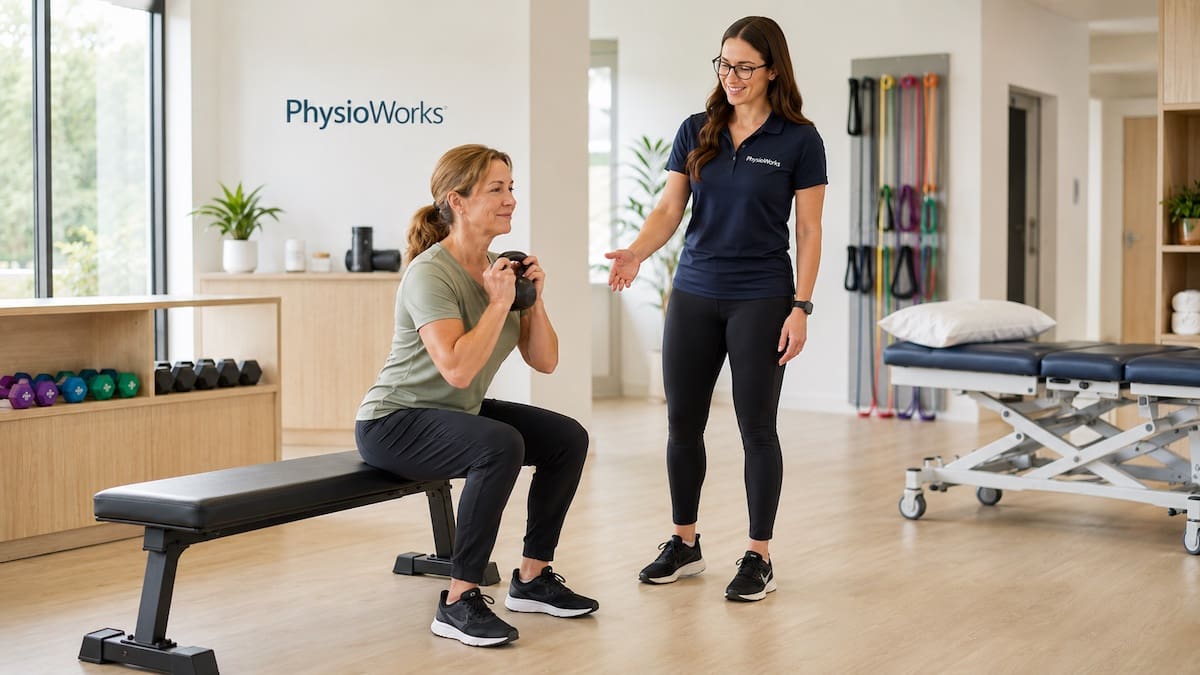
Strength training uses resistance such as bodyweight, bands, free weights, machines, or external load to improve strength, endurance, power, and movement control. It should match your current capacity, symptoms, goals, and training history.
How often should you do Strength Training?
Most adults do well with strength training two to three times per week. Frequency depends on your recovery, symptoms, training age, and goals. Programs often change as your strength, movement control, and confidence improve.
Can Strength Training help with injury recovery?
Strength training can support recovery by rebuilding capacity and load tolerance when it matches your healing stage, symptoms, and movement control needs. The right plan should start at a safe level and progress gradually.
Is Strength Training safe if I have pain?
Strength training can often be modified when pain is present. A physiotherapist may adjust exercise choice, range, load, tempo, and rest so the program matches your symptoms and current capacity.
How does exercise physiology support Strength Training?
Exercise physiology can help with structured progression, coaching, and measurable milestones. It may suit people who want longer-term support beyond early rehabilitation, including gym confidence, chronic condition management, sport preparation, and general strength.
What to Do Next
If you want to start strength training safely, book an assessment. A physiotherapist may check movement quality, identify key deficits, and map out a progression plan. After that, exercise physiology can help you keep building strength with clear milestones.
Book if strength training is difficult because of:
- pain during or after exercise
- uncertainty about safe technique
- repeated flare-ups when load increases
- weakness after injury or surgery
- reduced confidence with gym exercises
- sport, work, or daily tasks that need better strength
Choose your clinic and appointment pathway
Select a PhysioWorks clinic to continue to live booking, an appointment request or reception assistance.
Strength Products
These strength products are commonly used by our physiotherapists to improve strength, controlled movement, plus assist home exercise programs.
-
-
 Exercise Equipment, Resistance Band
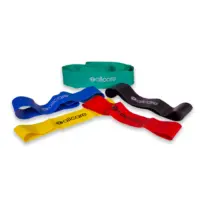
AllCare Powerloop Bands
$24.95 – $79.95Select optionsQuick View -
-
 Exercise Equipment, Resistance Band, Shoulder
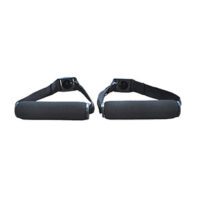
Resistance Band Anchor Stirrup
$13.00Add to cartQuick View -
-
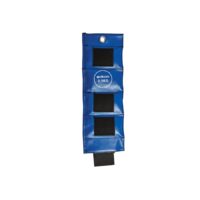
- Gift Ideas, Back, Christmas Gift Ideas, Exercise Balls, Exercise Equipment, Knee, Pelvic Floor, Product Search
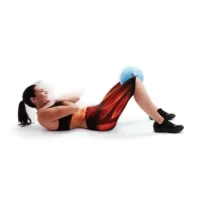
66fit Pilates Balls
$14.95 – $16.95Select optionsQuick View -
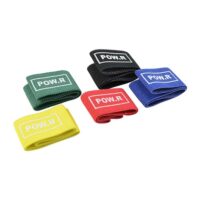 Exercise Equipment, Knee, Resistance Band
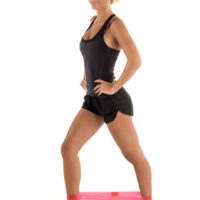
POW.R Fabric Mini Loop Bands
$12.00 – $55.00Select optionsQuick View -


-
- Exercise Equipment, Back, Elbow, Foot, Hand & Wrist, Knee, Resistance Band, Shoulder
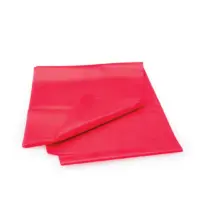
Resistance Bands Pre-Packed 1.5m
$10.95Select optionsQuick View -

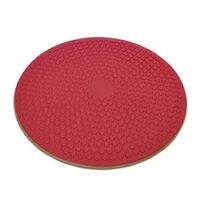
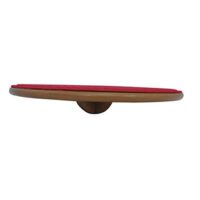






References
- Currier BS, McLeod JC, Banfield L, et al. American College of Sports Medicine position stand: progression models in resistance training for healthy adults. Med Sci Sports Exerc. 2026.
- Lopez P, Taaffe DR, Newton RU, Galvão DA. Resistance training load effects on muscle hypertrophy and strength gain: systematic review and network meta-analysis. Med Sci Sports Exerc. 2021;53(6):1206-1216.
- Hayden JA, Ellis J, Ogilvie R, Malmivaara A, van Tulder MW. Exercise therapy for chronic low back pain. Cochrane Database Syst Rev. 2021;9:CD009790.
- George SZ, Fritz JM, Silfies SP, et al. Interventions for the management of acute and chronic low back pain: revision 2021. J Orthop Sports Phys Ther. 2021;51(11):CPG1-CPG60.
