
Manual Joint Treatment & Joint Mobilisation


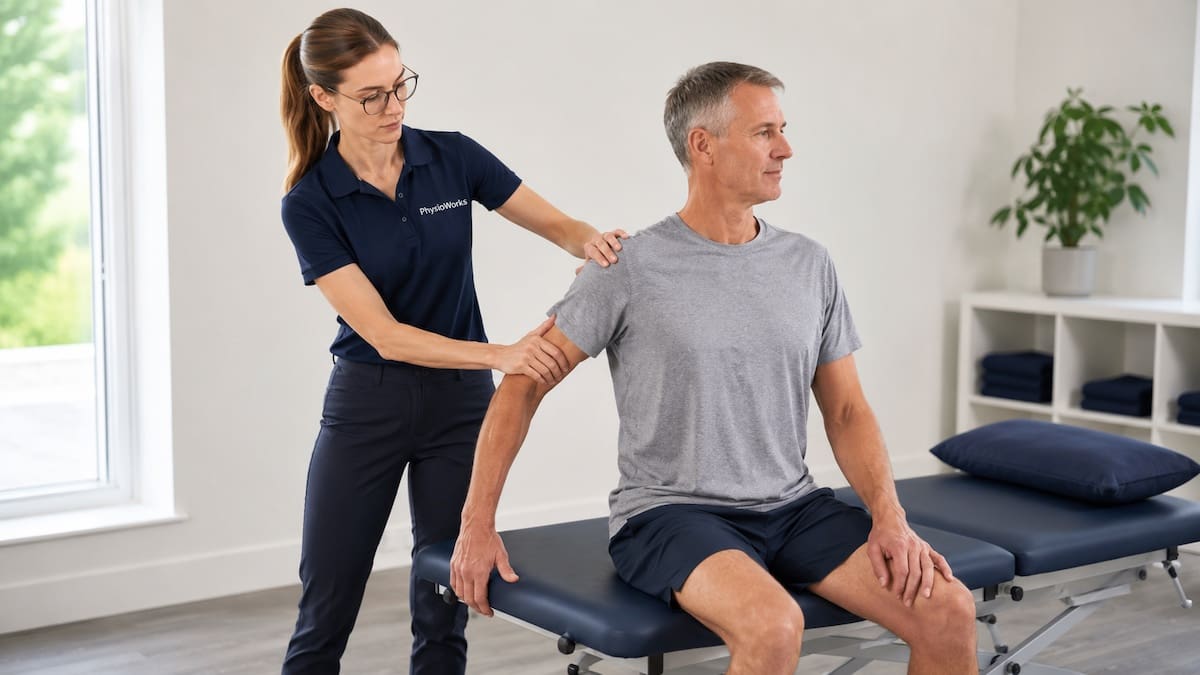
Joint mobilisation is a hands-on physiotherapy treatment used to help stiff or painful joints move more freely. A physiotherapist may use manual joint treatment when pain, arthritis, injury, sport overload, surgery, or long periods of reduced movement have affected how a joint moves.
Manual joint treatment may include Maitland mobilisations, Mulligan techniques, muscle energy techniques, and selected joint manipulation techniques. These methods usually work best when they are combined with exercise programs, stretching exercises, and broader musculoskeletal physiotherapy care.
Quick Guide: When Joint Mobilisation May Help
- your joint feels stiff or blocked
- pain limits normal movement
- movement feels guarded after injury
- arthritis has reduced joint motion
- exercise feels easier after hands-on treatment
What Is Manual Joint Treatment?
Manual joint treatment is hands-on physiotherapy care that aims to improve joint motion, reduce stiffness, and make movement feel easier. Your physiotherapist applies controlled movements or guided positions to the joint after assessing how it moves.
These techniques may be used on the spine, shoulder, hip, knee, ankle, wrist, hand, or other joints. The exact technique depends on the joint, the irritability of the symptoms, and your treatment goals.
When Is Joint Mobilisation Used?
Joint mobilisation may be used when a joint is stiff, painful, restricted, or not moving well. This can happen after injury, surgery, repeated strain, sport overload, arthritis, or a period of reduced activity.
Physiotherapists may consider joint treatment for problems such as joint pain, arthritis, knee pain, shoulder pain, ankle sprains, back pain, and neck pain.
Common Reasons People Ask About Joint Treatment
- Stiffness: the joint does not move as far as expected.
- Pain with movement: the joint hurts during daily tasks or sport.
- Guarding: muscles tighten around the joint after pain or injury.
- Post-surgery stiffness: movement is limited during recovery.
- Arthritis-related change: joint motion becomes harder over time.
How Does Joint Mobilisation Work?
Joint mobilisation uses specific, graded movements to help a joint move better. Some techniques aim to settle pain. Others aim to improve stiffness at the end of range. Your physiotherapist chooses the grade, direction, and force based on your assessment.
Manual treatment may also reduce muscle guarding and improve movement confidence. This can make strengthening, stretching, walking, lifting, or sport-specific rehabilitation easier to start or progress.
What Types of Manual Joint Treatment Are Used?
Different manual joint treatment methods suit different problems. Your physiotherapist will usually explain which technique they are using and why it fits your presentation.
| Technique | How it is used | Common goal |
|---|---|---|
| Maitland mobilisation | Rhythmic, graded joint movements. | Ease pain or improve stiffness. |
| Mulligan technique | A sustained glide with active movement. | Improve painful movement. |
| Muscle energy technique | A gentle muscle contraction followed by movement. | Reduce guarding and improve range. |
| Joint manipulation | A fast, small movement used in selected cases. | Improve motion where suitable. |
Maitland Joint Mobilisations
Maitland mobilisations use passive movements applied by the physiotherapist. Lower grades are often used when pain is more irritable. Higher grades may be used when stiffness is the main problem.
Mulligan Techniques
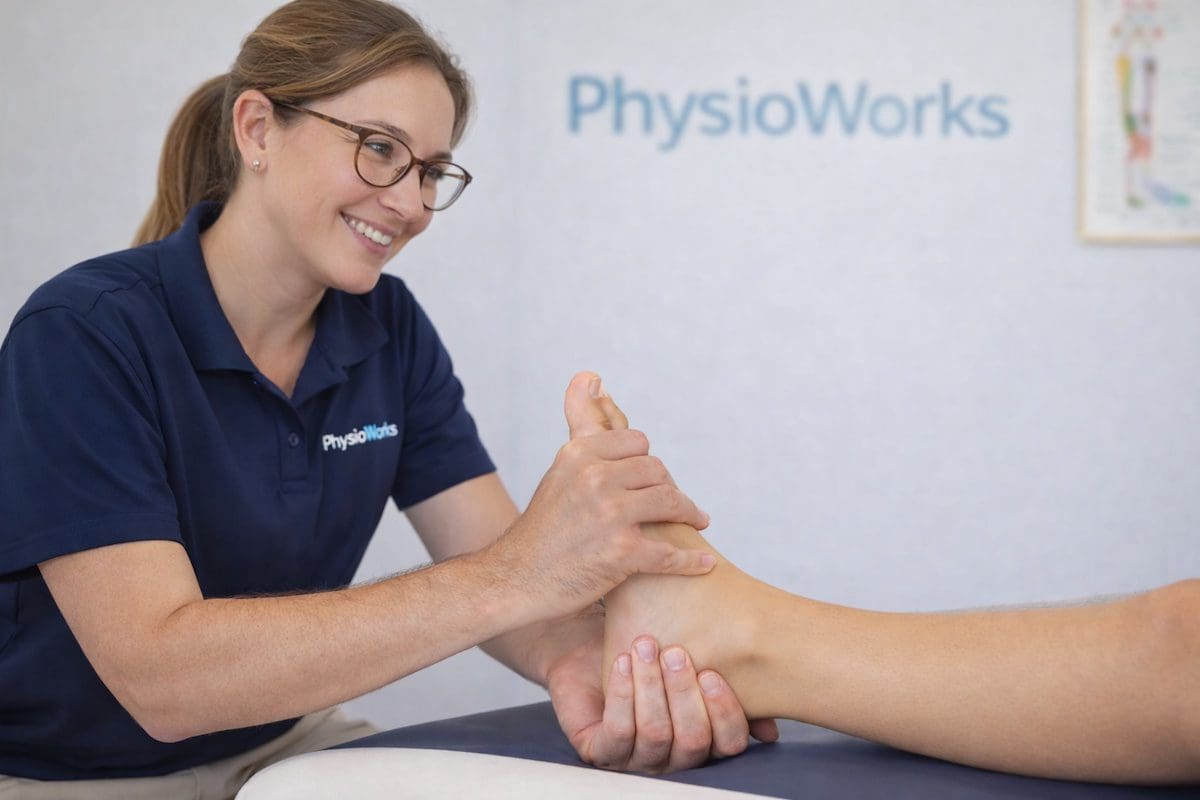
Mulligan techniques combine a therapist-applied glide with movement from the patient. The aim is to improve movement while keeping the task comfortable.
Muscle Energy Techniques
Muscle energy techniques use a gentle contraction from the patient, followed by assisted repositioning or movement. They may be useful when muscle guarding or restricted range affects joint motion.
What Benefits Can Manual Joint Treatment Provide?
Manual joint treatment may help reduce stiffness, ease pain with movement, and improve joint mobility. It may also help you move into exercise or rehabilitation with more confidence.
- improve joint range of motion
- ease movement-related discomfort
- reduce protective muscle guarding
- support better movement patterns
- help you start or progress rehabilitation exercises
Results vary. Joint mobilisation is usually only one part of care. Good outcomes often depend on matching manual treatment with the right exercise, activity changes, strength work, and self-management plan.
Is Joint Mobilisation Enough on Its Own?
Joint mobilisation is rarely a full treatment plan by itself. Most people also need exercise, education, and a clear plan for daily activity, work, sport, or home tasks.
For example, a stiff ankle after a sprain may need joint mobilisation, calf strength, balance retraining, and a staged return to sport. Stiffness after surgery may need treatment that is integrated with post-operative physiotherapy.
Good sign: movement feels easier after treatment and you can practise your exercises with less guarding. Review needed: pain keeps flaring, symptoms spread, or strength and function keep dropping.
What to Expect During an Appointment
Your physiotherapist will usually assess how the joint moves, what feels limited, and whether symptoms change with gentle movement. They may also check strength, balance, posture, function, and nearby joints that can affect the painful area.
If manual joint treatment is suitable, your physiotherapist should explain the technique, check your comfort, and then reassess movement afterwards. This helps decide whether joint mobilisation should be repeated, changed, or paired with exercise.
Are There Risks or Times to Avoid Manual Joint Treatment?
Manual joint treatment should match your condition and recovery stage. It may not be suitable when a fracture, infection, unstable joint, severe inflammation, major nerve symptoms, or serious medical condition is suspected.
Your physiotherapist should screen for these issues before treatment. If your symptoms do not fit a simple joint stiffness pattern, they may suggest medical review or imaging before using manual joint treatment.
What Investigations Might Be Needed?
Most joint stiffness does not need imaging before physiotherapy. However, X-rays, ultrasound, MRI, or specialist review may be needed if symptoms follow trauma, do not improve, or suggest a more complex problem.
Seek urgent medical care if you have severe pain after trauma, a hot and swollen joint, fever, unexplained weight loss, new numbness, marked weakness, or changes to bladder or bowel control.
How Does Joint Treatment Fit Into Rehabilitation?
Joint treatment often works as a bridge into active rehabilitation. Once movement feels easier, your physiotherapist may progress stretching, strength work, balance training, sport drills, or task-specific exercise.
This combined approach can be useful for sports injuries, arthritis-related stiffness, spinal pain, shoulder stiffness, ankle sprains, and recovery after surgery.
When Should You See a Physiotherapist?
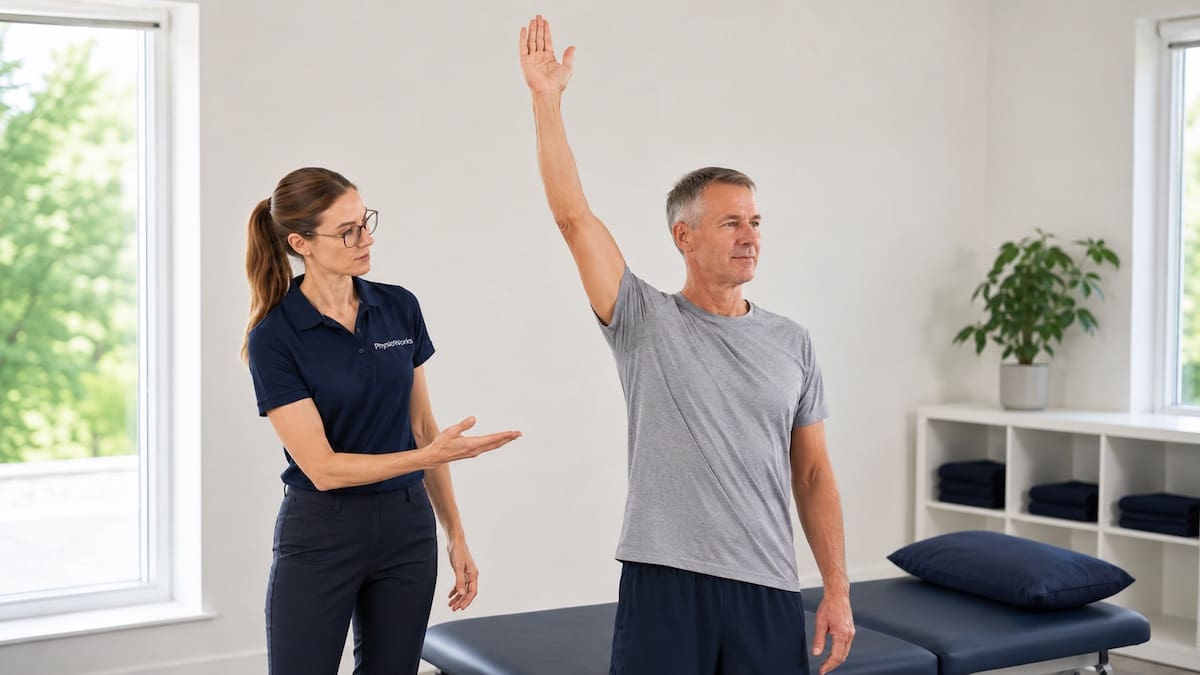
You should consider physiotherapy if joint stiffness or pain lasts more than a few days, keeps returning, limits daily tasks, or affects work, exercise, or sport. Early advice can help you choose the right mix of joint mobilisation, exercise, and self-care.
A physiotherapist can assess whether your problem is mainly joint stiffness, muscle guarding, weakness, swelling, nerve irritation, or another factor.
Related PhysioWorks Guides
- Joint Pain Relief
- Arthritis Physiotherapy
- Exercise Programs
- Stretching Exercises
- Musculoskeletal Physiotherapy
Joint Treatment FAQs
What is joint mobilisation in physiotherapy?
Joint mobilisation is a hands-on physiotherapy technique used to improve joint motion, reduce stiffness, and ease pain during movement. A physiotherapist applies controlled movements to the joint after checking how it moves and how irritable the symptoms are.
What is the difference between Maitland and Mulligan techniques?
Maitland techniques use graded passive movements applied by the physiotherapist. Mulligan techniques combine a manual glide with active movement from the patient. Both aim to improve movement, but they use different methods.
What are muscle energy techniques?
Muscle energy techniques, or METs, use a gentle muscle contraction from the patient followed by assisted repositioning or movement. They may help when muscle guarding or limited range affects how a joint moves.
Can manual joint treatment help stiff joints?
Manual joint treatment may help selected stiff joints, especially when reduced mobility is part of the problem. It is usually combined with exercise, stretching, strengthening, and advice about safe movement.
Is joint manipulation the same as mobilisation?
No. Mobilisation usually uses slower, graded joint movements. Manipulation uses a quicker, smaller movement and is only suitable in selected cases. Your physiotherapist should explain why a technique is appropriate before using it.
When should I see a physiotherapist for joint stiffness?
You should consider physiotherapy if stiffness or pain lasts more than a few days, keeps returning, limits daily life, or affects exercise or sport. Seek urgent care if symptoms follow major trauma or include fever, marked swelling, numbness, or weakness.
What to Do Next
If your joint feels stiff or painful, book a physiotherapy appointment to find out whether joint mobilisation, Maitland treatment, Mulligan techniques, muscle energy techniques, or rehabilitation exercises are suitable for you.
Your physiotherapist can assess the joint, explain the likely movement problem, and help you choose a safe plan to improve mobility and function.
Choose your clinic and appointment pathway
Select a PhysioWorks clinic to continue to live booking, an appointment request or reception assistance.


References
- Li LL, Hu XJ, Di YH, Jiao W. Effectiveness of Maitland and Mulligan mobilization methods for adults with knee osteoarthritis: a systematic review and meta-analysis. World J Clin Cases. 2022;10(3):954-965. doi:10.12998/wjcc.v10.i3.954
- Wilhelm M, Cleland J, Carroll A, Marinch M, Imhoff M, Severini N, Donaldson M. The combined effects of manual therapy and exercise on pain and related disability for individuals with nonspecific neck pain: a systematic review with meta-analysis. J Man Manip Ther. 2023;31(6):393-407.
- Narenthiran P, Smith BE, Littlewood C, et al. Does the addition of manual therapy to exercise therapy improve pain and disability outcomes in chronic low back pain: a systematic review. Physiotherapy. 2025.
- Dias D, Matos J, Serrao M, et al. Effect of mobilisation with movement on pain, disability, and range of motion in patients with shoulder pain and movement impairment: a systematic review and meta-analysis. J Sport Rehabil. 2023.
