Gait Analysis
Gait Analysis


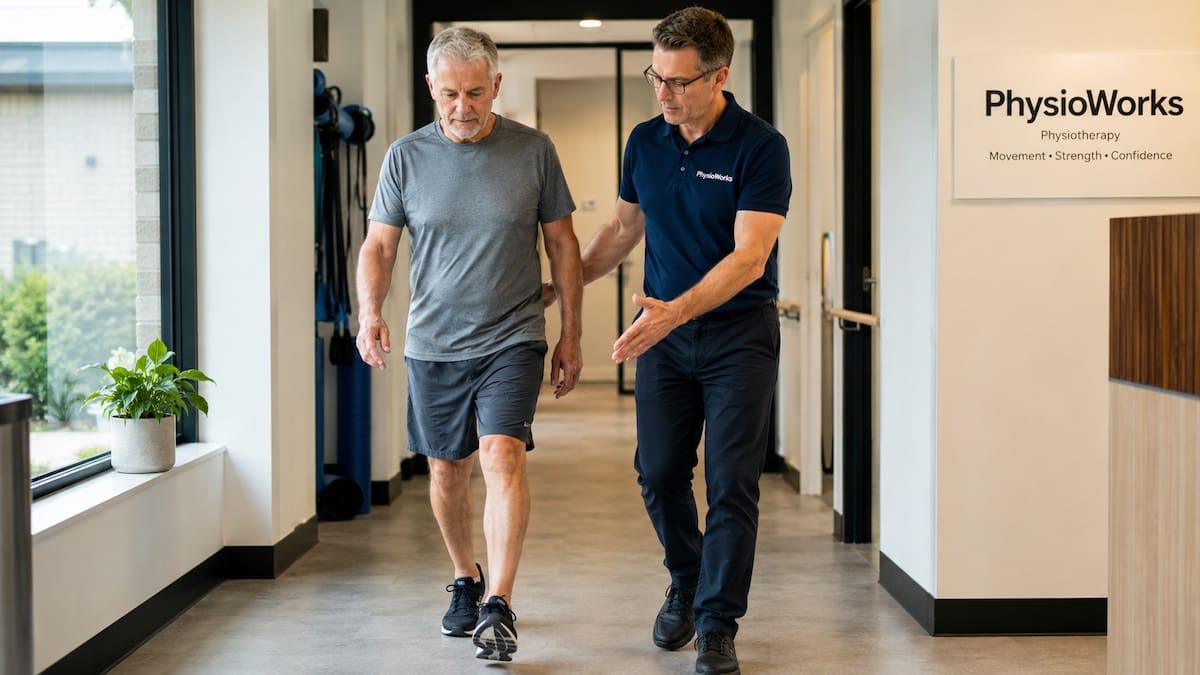
Gait analysis assesses how you walk or run. A physiotherapist uses your movement pattern together with clinical testing to identify factors that may contribute to pain, reduced balance, recurring injury or inefficient movement.
What it checks
Walking or running pattern, loading, balance, stride, foot clearance and movement control.
Who it may help
People with recurring pain, limping, trips, running injuries or changes in walking confidence.
What it guides
Treatment, exercise, footwear advice, orthotic discussion and movement retraining.
Changes in gait may occur with knee pain, hip pain, lower back pain, foot and ankle problems or running injuries.
A gait assessment may also help when deciding whether strength work, balance training, movement retraining, footwear changes or orthotics should form part of your management plan.
Why Does Gait Analysis Matter?
An altered gait pattern can affect movement efficiency and change how load moves through your body. For example, pain or weakness around the knee may change how you load the foot, hip or lower back.
Gait analysis does not look at your feet alone. Your physiotherapist may consider your hips, knees, ankles, feet, trunk, balance, strength, mobility, footwear and activity demands.
The same visible gait pattern can also have different causes. A limp may result from pain, weakness, joint stiffness, reduced balance, fatigue, poor confidence or several factors working together.
What Gait Changes Can Be Identified?
A gait assessment may identify changes in timing, balance, control or loading. These findings do not diagnose the cause by themselves. Your physiotherapist interprets them alongside your symptoms and clinical examination.
- Hip drop or pelvic shift: may reflect reduced hip control, pain, fatigue or altered loading. Management may include hip strengthening, movement retraining or addressing the underlying source of symptoms.
- Reduced foot clearance: may occur with stiffness, weakness, fatigue or reduced swing-phase control. Strength, mobility and balance may need assessment.
- Reduced weight-bearing on one side: may occur with pain, weakness, reduced confidence or balance concerns. Graded loading and appropriate fall prevention strategies may be useful.
- Foot drop or toe catching: may reflect reduced ankle control or neurological involvement and warrants appropriate assessment.
- Overstriding or heavy landing when running: may influence braking forces and lower-limb loading. Training load, cadence, strength, footwear and running technique may all need consideration.
How Do Physiotherapists Assess Gait?
Your physiotherapist combines observation of your walking or running pattern with a clinical examination. This helps determine whether the movement pattern is important and what may be contributing to it.
Assessment may consider:
- your symptoms and when they occur;
- joint mobility and flexibility;
- strength and muscular control;
- balance and stability;
- foot posture and footwear;
- walking or running load;
- work, sport and daily activity demands; and
- previous injury, surgery or medical history.
What Happens During a Gait Analysis Appointment?
Your physiotherapist will usually start by discussing your symptoms, goals, footwear, activity levels and injury history.
Depending on your problem, they may then watch you walk, jog, run, step, squat or balance. They may also assess strength, flexibility, joint movement and movement control.
When useful, video analysis can slow movement down and make subtle differences in timing, stride or loading easier to review.
How To Prepare for a Gait Analysis Appointment
You usually do not need any special preparation. However, bringing the equipment you normally use can make the assessment more useful.
Methods of Gait Analysis
Gait can be assessed in several ways. Your physiotherapist will choose methods that suit the clinical question rather than using technology simply because it is available.
Visual observation
Reviews factors such as step length, limp, trunk movement, foot position, balance and control.
Video analysis
Allows walking or running mechanics to be reviewed in slow motion when timing or technique needs closer examination.
Functional testing
Examines how gait relates to strength, mobility, balance, step control and fatigue.
Technology and Gait Analysis
Depending on the clinical question and equipment available, gait assessment may also use tools such as pressure measurement, force analysis, wearable sensors or motion-analysis systems.
These tools can provide additional information about timing, load distribution and movement. However, technology should support rather than replace clinical reasoning.

How Can Physiotherapy Help With Gait?
Treatment depends on what your assessment identifies. The aim is not simply to make your walking look different. Instead, management should address the factors that affect your function, comfort, confidence or activity.
Your plan may include strength training, balance training, mobility exercises, movement retraining, activity modification or advice about walking aids when appropriate.
Progress can then be reviewed against the activities that matter to you, whether that is everyday walking, stairs, exercise, work or sport.
Gait Analysis for Running Injuries
Gait assessment can form part of a broader review when running symptoms keep returning. A physiotherapist may consider stride, cadence, landing, hip and trunk control, footwear, strength, training load and recovery.
However, running injuries rarely depend on technique alone. Training history, recent workload changes, tissue capacity, recovery and previous injury should also be considered.
If running technique, recurring running injury or running performance is your main concern, see our dedicated running analysis guide.
Working With Your Podiatrist
Physiotherapists and podiatrists may work together when gait concerns involve foot mechanics, footwear or orthotics. If you already have a preferred podiatrist, coordinated care can help avoid conflicting advice.
A shared approach may be useful for problems involving the foot, ankle, knee, hip or lower back, particularly when symptoms change after new footwear, orthotics or changes in walking or running load.
Is Gait Analysis Right for You?
Gait analysis may be useful when walking, running, stairs, balance or sport no longer feels normal. It can also help when symptoms keep returning and it is unclear whether strength, mobility, footwear, balance, training load or movement technique is contributing.
Consider an assessment if you notice:
- a persistent limp;
- repeated trips or reduced foot clearance;
- one-sided loading;
- changes in walking confidence;
- recurring running injuries;
- pain that appears during longer walks; or
- a noticeable change after injury, surgery, new footwear or orthotics.
Frequently Asked Questions
What is gait analysis?
Gait analysis is the assessment of how you walk or run. A physiotherapist looks at movement patterns, timing, balance, loading and control alongside clinical testing to identify factors that may contribute to pain, reduced efficiency or recurring problems.
Can gait analysis help running injuries?
Gait analysis may help identify movement or loading patterns that are relevant to a running injury. It should form part of a broader assessment that also considers strength, training load, footwear, recovery and injury history.
What happens during a gait assessment?
A physiotherapist will usually review your symptoms and goals, observe your walking or running pattern and assess relevant strength, mobility, balance and movement control. Video or other measurement tools may be used when they add useful information.
Do I need video analysis?
Not always. Many gait problems can be assessed through observation and clinical testing. Video analysis can be useful when timing, stride, landing or running technique needs slower review.
Do physiotherapists work with podiatrists?
Yes. Physiotherapists may work with podiatrists when foot mechanics, footwear or orthotics are relevant to your gait. Coordinated care can help ensure that treatment, exercise and footwear advice work together.
Can gait analysis help if I keep tripping?
Gait assessment may identify factors such as reduced foot clearance, weakness, balance problems or fatigue. New or worsening trips, foot drop, weakness or numbness should receive prompt clinical assessment.
References
- Doyle E, Landorf KB, Smith RM, et al. The Effectiveness of Gait Retraining on Running-Related Injury and Factors Associated With Changes in Running Biomechanics: A Systematic Review and Meta-analysis. J Orthop Sports Phys Ther. 2022;52(4):192-206.
- Gaudette LW, Willy RW. Clinical Application of Gait Retraining in the Injured Runner. J Clin Med. 2022;11(21):6497. doi:10.3390/jcm11216497.
- Mason R, Pearson LT, Barry G, et al. Wearables for Running Gait Analysis: A Systematic Review. Sports Med. 2023;53(1):241-268. doi:10.1007/s40279-022-01760-6.
What To Do Next
If walking or running feels different, symptoms keep returning or you are concerned about your movement pattern, a physiotherapist can assess your gait and explain which findings are relevant.
The next step should be based on the cause and your goals. This may involve targeted exercise, movement retraining, balance work, footwear advice, load modification or referral to another health professional when appropriate.
Choose your clinic and appointment pathway
Select a PhysioWorks clinic to continue to live booking, an appointment request or reception assistance.
Feet Products
These feet products are commonly used by our physiotherapists to improve support, comfort, strength, balance, flexibility, and home exercise programs.
-
-
-
-
-


-


-
-

-
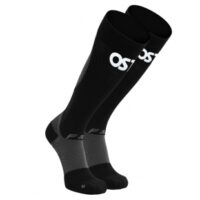
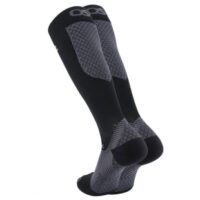 Ankle, Braces & Supports, Calf, Foot
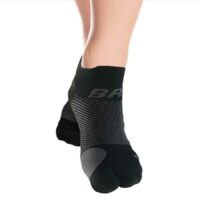
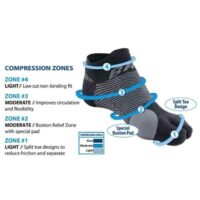
Orthosleeve Compression Bracing Socks
$49.00Select optionsQuick View - EMS Machines, Pain Management, TENS Machine, TENS Machine & EMS
NeuroTrac Rehab (TENS Machine + EMS)
$285.00Add to cartQuick View -
-
-
-
-

 Ankle, Braces & Supports, Foot, Walking
Victor Moonboot 1.0 Air or No Air
$77.00 – $79.00Select optionsQuick View - Liniments & Gels, Massage Liniments, Pain Management
Fisiocrem
$16.95 – $39.95Select optionsQuick View