
Balance Training & Falls Prevention


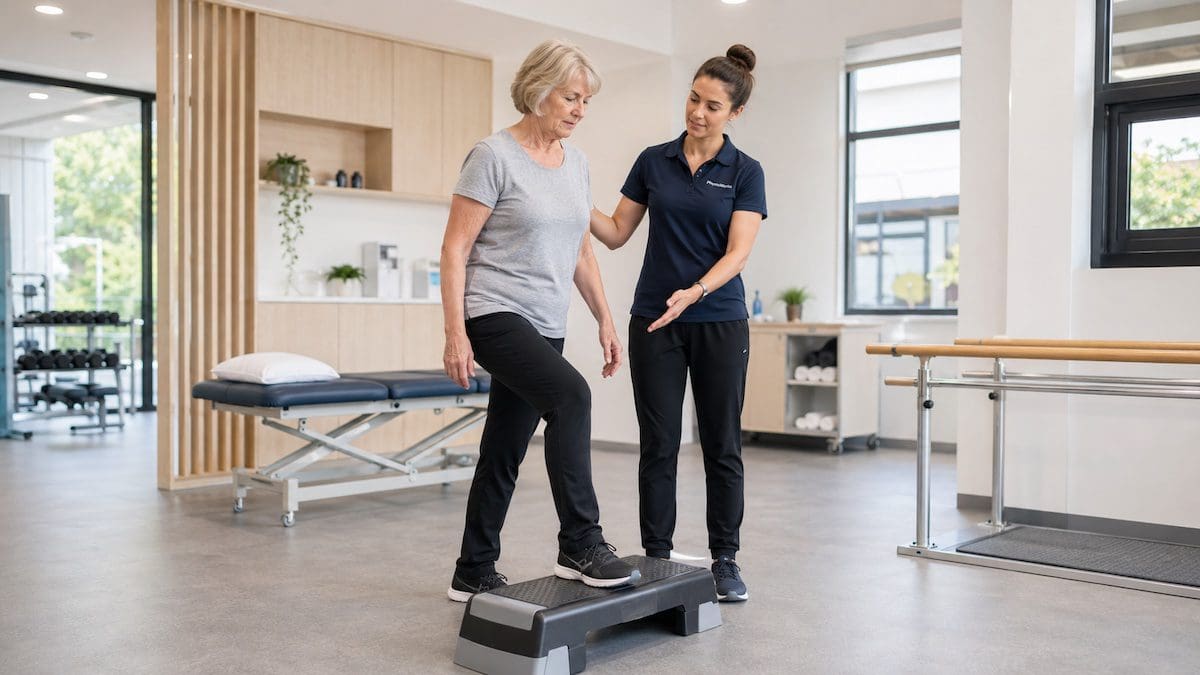
Balance Training with Physiotherapy
Balance training helps improve how safely and confidently you stand, walk, turn, climb stairs, and move on uneven ground. It can help people who feel unsteady, have had a fall, or do not trust their movement after injury, dizziness, surgery, or inactivity.
At PhysioWorks, balance problems are assessed properly so your treatment plan matches the cause. Your physiotherapist may check leg strength, proprioception, walking pattern, joint control, dizziness, injury history, and falls risk before building a targeted plan. This page sits within our broader balance training and falls prevention information.
Quick summary: Balance problems can come from weakness, dizziness, poor proprioception, pain, injury, ageing, medication effects, or reduced confidence after a fall. A physiotherapy assessment can help identify the main contributors and guide a safer plan.
What Is Balance?
Balance is your ability to keep your body steady when standing still or moving. It depends on your eyes, inner ear, joints, muscles, and brain working together. When one part of that system is not working well, you may feel wobbly, hesitant, or unsafe with movement.
Balance can be affected by injury, ageing, dizziness, muscle weakness, poor proprioception, pain, foot problems, or reduced confidence after a fall. It is also common after ankle sprains, knee pain, surgery, and periods of inactivity.
What Is Proprioception?
Proprioception is your body’s awareness of joint position and movement. It helps you react quickly without needing to look at your feet or limbs. This matters when you step off a curb, walk on uneven ground, recover from a trip, or return to sport after injury.
If proprioception drops, your reactions may slow and your joints may feel less stable. This often happens after a ligament injury, ankle sprain, knee injury, or surgery. Physiotherapy can retrain these movement patterns with progressive strength, stepping, and balance drills.
You May Benefit From Balance Treatment If You:
- feel unsteady when walking, turning, or using stairs
- have had a fall or near fall
- avoid activity because you do not trust your balance
- feel less stable after an ankle, knee, hip, or back injury
- notice dizziness, poor coordination, or slower reactions
What Causes Poor Balance?
Poor balance can come from one issue or several combined factors. Common contributors include leg weakness, reduced ankle or hip control, pain, dizziness, vision changes, medication effects, vestibular problems, poor proprioception, fear after a fall, or reduced activity levels.
Many people notice balance problems during daily tasks such as walking on uneven ground, turning quickly, getting out of a chair, using stairs, or carrying shopping. Others notice it after a recent fall, near fall, sports injury, or operation.
How Can Physiotherapy Help Balance Training?
Physiotherapy may help balance training by identifying why your stability has changed, then building a targeted plan to improve strength, control, reaction time, confidence, and movement safety. The goal is to make daily movement feel more controlled and less uncertain.
Your physiotherapist may assess strength, stepping control, walking pattern, reaction time, coordination, and any joint or sensory issues that are making movement harder. From there, treatment may include balance training, strengthening exercises, gait retraining, proprioception work, falls prevention strategies, and a staged home exercise program.
If needed, we may also recommend a more detailed balance assessment to clarify your falls risk, walking confidence, and movement control.
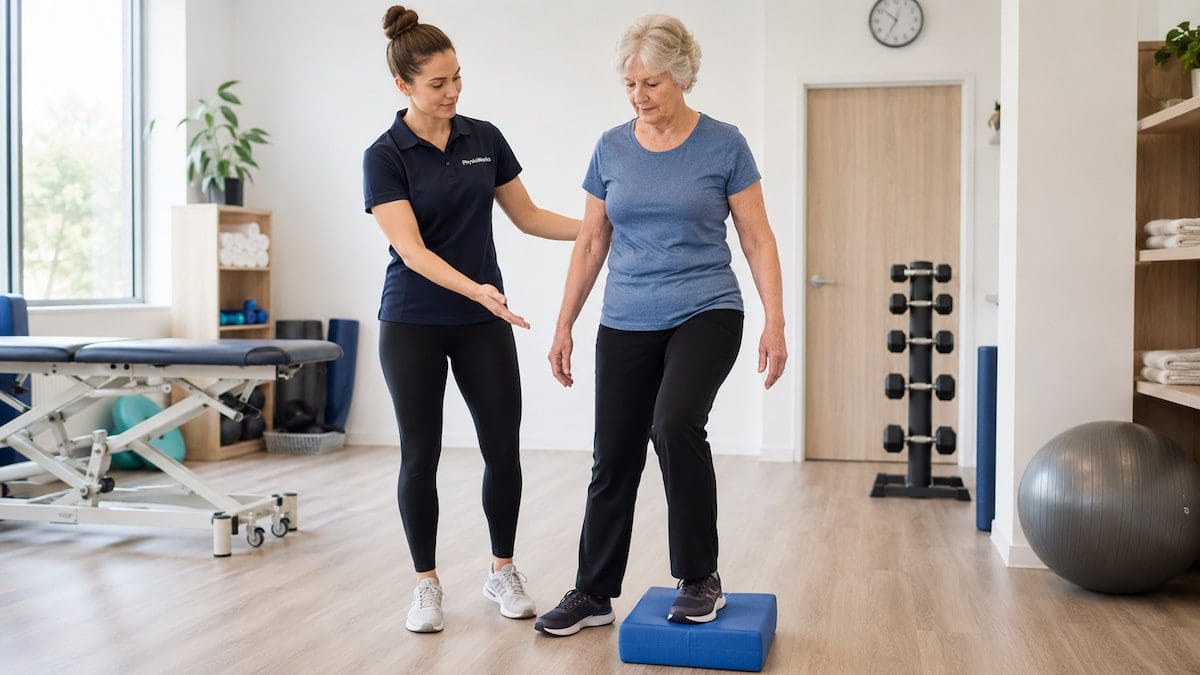
Which Balance Exercises May Help?
Balance exercises are designed to improve the way your body responds to movement and instability. They often begin with simple drills such as weight shifts, tandem standing, stepping patterns, and single-leg control. Then they progress as your confidence and control improve.
Depending on your needs, exercises may include uneven surfaces, head turns, reaching tasks, walking drills, or sport-specific movement control. Read more about balance exercises if you want examples of how these drills may progress.
A Safe Balance Program Often Progresses Through:
- steady control: standing, shifting weight, and controlled posture
- stepping reactions: forward, sideways, and turning movements
- strength: legs, hips, trunk, ankles, and feet
- walking confidence: uneven ground, stairs, slopes, and daily tasks
- sport or activity goals: faster reactions and higher-level control where appropriate
How Does Falls Prevention Work?
Falls prevention focuses on reducing risk factors that make falls more likely. These may include poor balance, leg weakness, dizziness, slower stepping reactions, unsafe footwear, home hazards, walking aid issues, or reduced confidence after a previous fall.
Balance-focused exercise and lower-limb strengthening may help reduce falls risk and improve confidence. Physiotherapists can also identify practical contributors such as footwear, home hazards, walking aids, and movement strategies.
Healthdirect notes that balance activities and strength training can help reduce falls risk, particularly for people who have fallen before or have difficulty moving around. Balance activities such as heel-to-toe walking and tai chi may help improve movement control and awareness.
If falls prevention is your main goal, read more about fall prevention or consider a supervised Balance & Falls Prevention Class.
When Should You Seek Help for Balance Problems?
You should consider a physiotherapy assessment if you have had a recent fall, feel unsteady on your feet, avoid activities because of poor balance, or do not feel confident after an injury or operation. Early treatment may help you regain control before the problem becomes more limiting.
Seek urgent medical care if balance loss comes on suddenly, especially with weakness, facial drooping, slurred speech, severe headache, new confusion, chest pain, fainting, or other new neurological symptoms.
Common Balance Questions
Can balance improve with exercise?
Yes. Many people improve with targeted balance, strength, and proprioception exercises. The right program depends on the reason for your balance problem, your falls risk, and your current confidence level. A physiotherapist can help progress your exercises safely, rather than making them too easy or too risky.
What causes poor balance?
Poor balance can come from injury, weakness, dizziness, vestibular problems, reduced proprioception, pain, medication effects, vision changes, foot problems, and age-related physical changes. Some people have more than one contributor. This is why assessment matters before choosing exercises or falls prevention strategies.
Can physiotherapy help prevent falls?
Physiotherapy may help reduce falls risk by improving leg strength, stepping control, movement confidence, reaction time, and walking safety. A physiotherapist may also discuss footwear, walking aids, home hazards, and practical strategies for stairs, turning, and uneven ground.
Are balance exercises only for older adults?
No. Balance exercises are also useful after injury, surgery, and for sport or activity-specific rehabilitation. Younger and active people may use balance training to improve ankle, knee, hip, and trunk control before returning to running, field sport, gym training, or outdoor activity.
How long does it take to improve balance?
The timeframe depends on the cause, severity, confidence level, and training consistency. Some people notice improvements within a few weeks. Others need a longer plan, especially if falls risk, dizziness, surgery, neurological issues, or long-term weakness are involved.
What are the best balance exercises for falls prevention?
The best balance exercises depend on your current strength, confidence, health history, and falls risk. Common starting points include weight shifts, sit-to-stand control, heel-to-toe walking, stepping drills, and supported single-leg balance. Higher-risk patients should start with supervision before progressing at home.
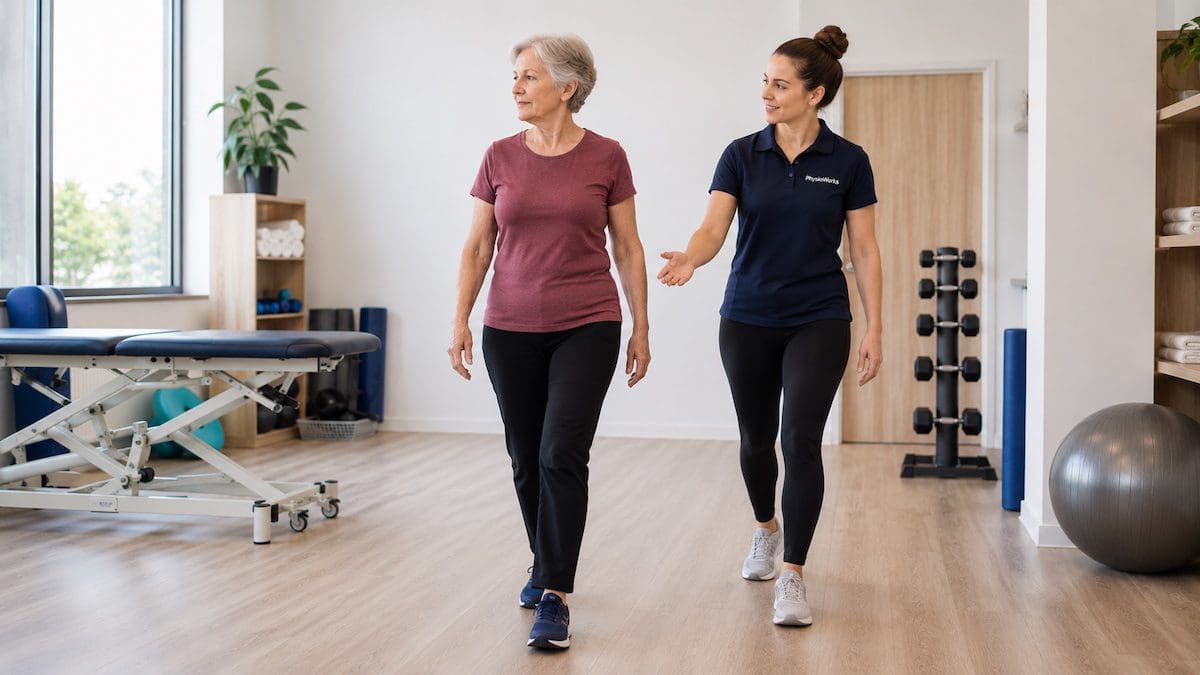
Related Balance Information
You may also find these PhysioWorks pages helpful if you are comparing balance, dizziness, strength, and falls risk pathways:
- Balance Training
- Fall Prevention
- Balance & Falls Prevention Class
- Balance Assessment
- Balance Exercises
- Vestibular Rehabilitation Therapy
What to Do Next
If you feel unsteady, have had a fall, or want to improve confidence with walking and daily activity, book a physiotherapy assessment. We can identify the likely cause and build a practical plan to improve your balance safely.
Your program may include hands-on guidance, home exercises, strengthening, gait retraining, proprioception work, and falls prevention strategies tailored to your goals.
Choose your clinic and appointment pathway
Select a PhysioWorks clinic to continue to live booking, an appointment request or reception assistance.
Balance Products
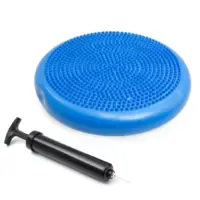
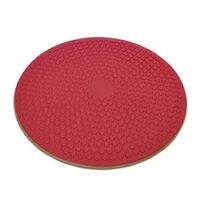
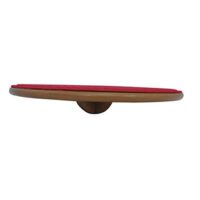
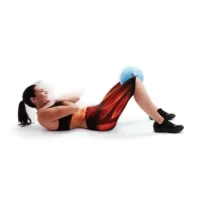
These balance products are commonly used by our physiotherapists to improve strength, balance, prevent injuries falls or injuries, plus assist home exercise programs.
-
-
- Gift Ideas, Back, Christmas Gift Ideas, Exercise Balls, Exercise Equipment, Knee, Pelvic Floor, Product Search
66fit Pilates Balls
$14.95 – $16.95Select optionsQuick View -
-





References
- Montero-Odasso M, van der Velde N, Martin FC, et al. World guidelines for falls prevention and management for older adults: a global initiative. Age Ageing. 2022;51(9):afac205. doi:10.1093/ageing/afac205
- Sadaqa M, Shubert TE, Levine BJ, et al. Effectiveness of exercise interventions on fall prevention in community-dwelling older adults: a systematic review and meta-analysis. Age Ageing. 2023;52(9):afad157. doi:10.1093/ageing/afad157
- Winter L, Brauer SG, Otte K, et al. The effectiveness of proprioceptive training for improving motor function: a systematic review. Front Rehabil Sci. 2022;3:830166. doi:10.3389/fresc.2022.830166
- Chen W, Li Y, Li S, Lin H, Feng J. Tai Chi for fall prevention and balance improvement in older adults: a systematic review and meta-analysis. Front Public Health. 2023;11:1299099. doi:10.3389/fpubh.2023.1299099
